 Skip to content
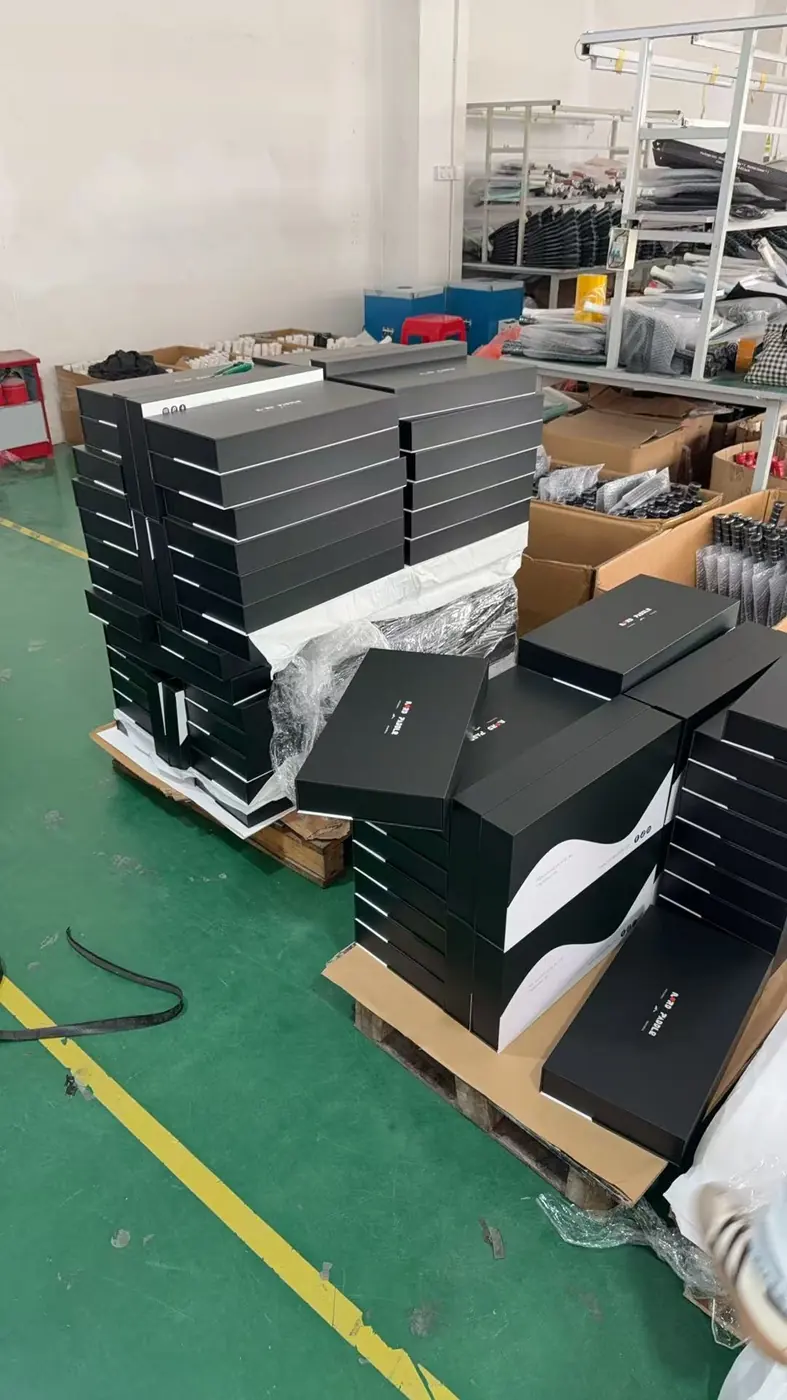
Pickleball paddle sample checklist: what I test before bulk production
When I review a pickleball paddle sample, I do not approve it just because the design looks good on your desk.
Before you approve bulk production, I want you to check two things. First, does the sample match the specs you asked for? Second, can the factory repeat the same result in a bulk order?
That sounds simple, but many first orders go wrong here. You hit with the sample for a few minutes, like the logo, and say yes. Later, the bulk paddles arrive with a slightly different weight, a rougher handle, a weaker edge guard, or packaging that does not fit the product well.
This pickleball paddle sample checklist is for you if you own a brand, run a retail business, buy for a club, or plan to launch private label paddles. Use it before you approve the PO.
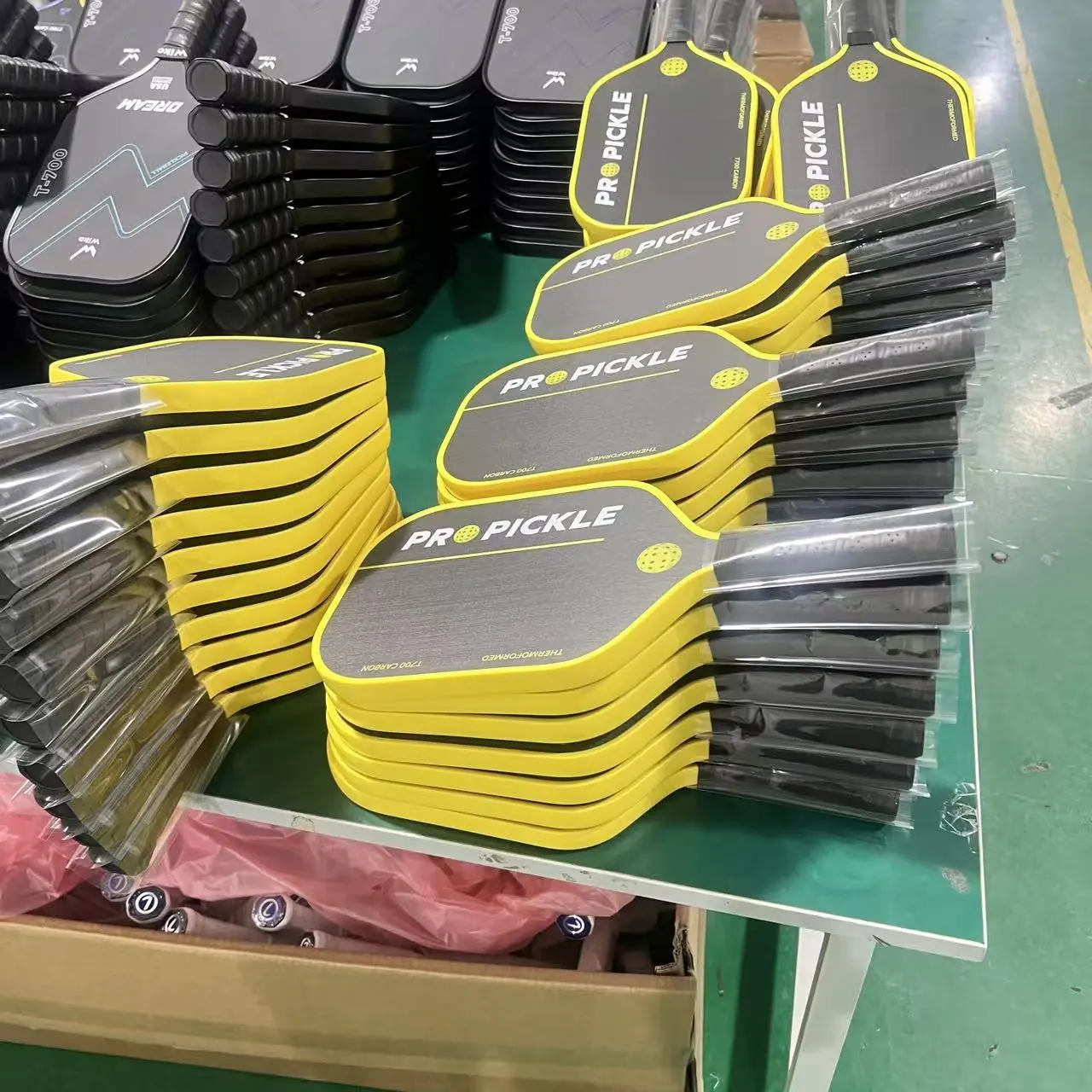
Pickleball paddle sample specs: start with weight, size, and grip
Do this before anyone starts hitting balls.
A sample can feel good for reasons you cannot see. It may be a little heavier, a little more head-heavy, or a little softer than the spec you expected. If you do not record the numbers now, you will have nothing clear to compare with bulk production later.
Check these items first:
| Item to check | What to record | Why it matters |
|---|---|---|
| Weight | Exact gram weight of each sample | Grams can change hand speed and fatigue |
| Thickness | 13mm, 14mm, 16mm, or your agreed spec | Thickness changes control, pop, and comfort |
| Length and width | Full paddle dimensions | Shape affects reach, sweet spot, and mold choice |
| Handle length | Measured handle length | Important for two-handed backhand players |
| Grip circumference | Actual grip size | A wrong grip can cause complaints fast |
| Surface | Raw carbon, Kevlar, titanium, fiberglass, or other face | Surface affects spin, touch, cost, and positioning |
| Core | PP honeycomb, EPP, EVA+EPP, Gen 4, foam core, MPP core or other structure | Core changes feel, rebound, sound, and durability |
| Edge | Edge guard, edgeless, or hybrid edge | Edge choice affects damage risk and retail feedback |
Do not rely on "same as sample" as your only production instruction. Write the numbers down. If the sample is approved, ask the supplier to put the final weight range, thickness, shape, surface, core, edge style, grip, and packaging into the PO or production confirmation.
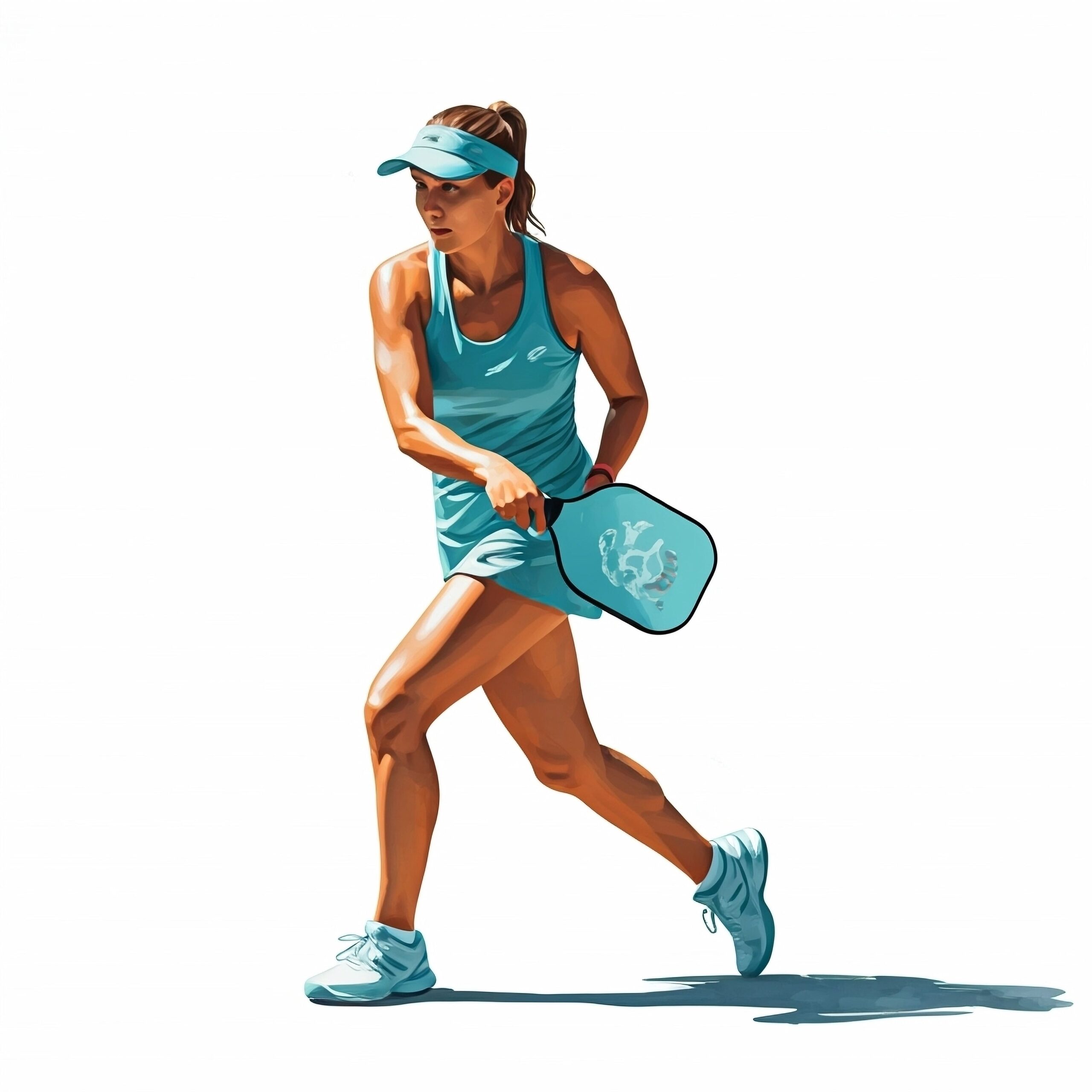
Pickleball paddle sample testing: get it on court
Desk inspection catches obvious manufacturing mistakes. Court testing catches user problems.
A paddle can feel impressive for the first five minutes and annoying after a full session. It may feel powerful but hard to control. It may feel soft but too slow. It may feel premium to an advanced player and too demanding for beginners.
The best test is simple:
- Let two or three players try the sample.
- Include at least one person close to your target customer.
- Hit for more than a few minutes.
- Test basic shots: serve, return, volley, dink, block, drive, and off-center hits.
- Record the words players use, not only whether they "like it."
Useful feedback sounds like this:
- "Fast at the net, but a little harsh after 20 minutes."
- "Good control, but not enough pop for advanced players."
- "Nice power, but beginners may send the ball long."
- "Comfortable grip, but the handle feels short for two-handed backhands."
That kind of feedback helps your supplier adjust the paddle. A simple "good" or "bad" does not help much.
Compare pickleball paddle samples before approving bulk production
One good sample is encouraging. It is not enough to prove bulk consistency.
If possible, test at least two samples of the same model. Swap between them during play. If the same model feels noticeably different, ask the supplier to explain why before you approve bulk production.
Look for these differences:
- One sample feels heavier in the head.
- One sample has a sharper or harsher impact.
- One sample has more pop than the other.
- The surface texture feels different.
- The grip thickness or handle feel is not the same.
- The edge guard or finishing quality is uneven.
The goal is not to make every paddle feel like a laboratory clone. Small differences happen in sporting goods. The goal is to keep the difference inside a controlled range so your customers do not feel like they bought two different paddles.
For a serious bulk order, ask your supplier how they will control:
- Weight range.
- Surface finish.
- Core and face material batch.
- Pressing or molding process.
- Edge assembly.
- Reference sample for bulk production.
That last point matters. If you approve a sample, keep one approved unit as the bulk reference. The supplier should also keep a reference sample at the factory.
Check pickleball paddle parts that usually cause returns
Most returns do not start with a long technical report. They start with a photo.
A loose edge. A dirty glue line. A peeling grip. A logo that is off-center. A surface that looks worn too soon.
Check these parts closely.
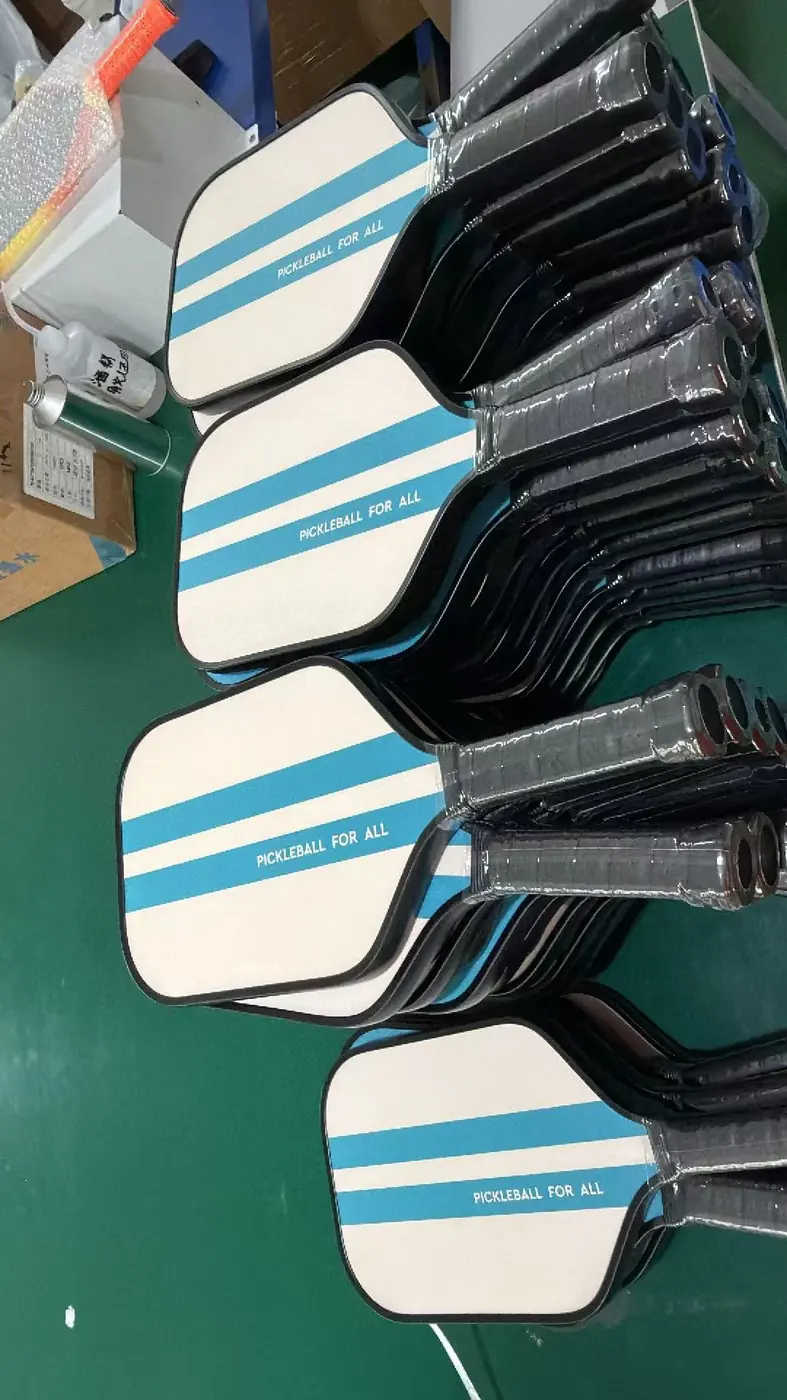
Surface texture
Run your fingers across the face. Compare both sides. The texture should match the product level you are selling.
If spin is part of your selling point, ask what creates the texture. Is it raw carbon texture, cloth-matte finish, spray texture, or another surface method? Also ask how the surface should wear during normal play. A surface that feels aggressive on day one but loses texture too fast can create complaints.
Edge guard or edgeless finish
Press lightly around the edge. Look for gaps, uneven lines, lifting, or rough trimming.
For edge guard paddles, check whether the guard sits cleanly and whether the glue line is controlled. For edgeless paddles, check whether the edge finish looks neat enough for your retail customers. Edgeless paddles can look modern, but they also need careful handling and clear customer expectations.
Handle, grip, ring, and end cap
You may focus on the paddle face and forget the handle. Players notice the handle immediately.
Check:
- Grip wrap alignment.
- Grip thickness.
- Handle length.
- End cap fit.
- Rubber ring fit.
- Any rough feeling where the handle meets the throat.
If you plan to customize the end cap, rubber ring, or grip color, confirm which parts are standard and which parts need extra MOQ or mold cost.
Printing and logo position
Put the sample beside your artwork file. Check logo size, logo position, color, edge clearance, and whether both sides match your expectation.
If your brand color is important, ask for a physical color reference. Screen color is not enough. A logo can look right on a laptop and slightly wrong on the paddle surface.
Check pickleball paddle printing and packaging before approval
Packaging is part of the sample approval. Do not leave it for the last week.
For first orders, packaging often causes more delay than the paddle itself. You may approve the paddle quickly, then spend days changing box size, insert layout, barcode position, sticker wording, or bag logo.
Check these points early:
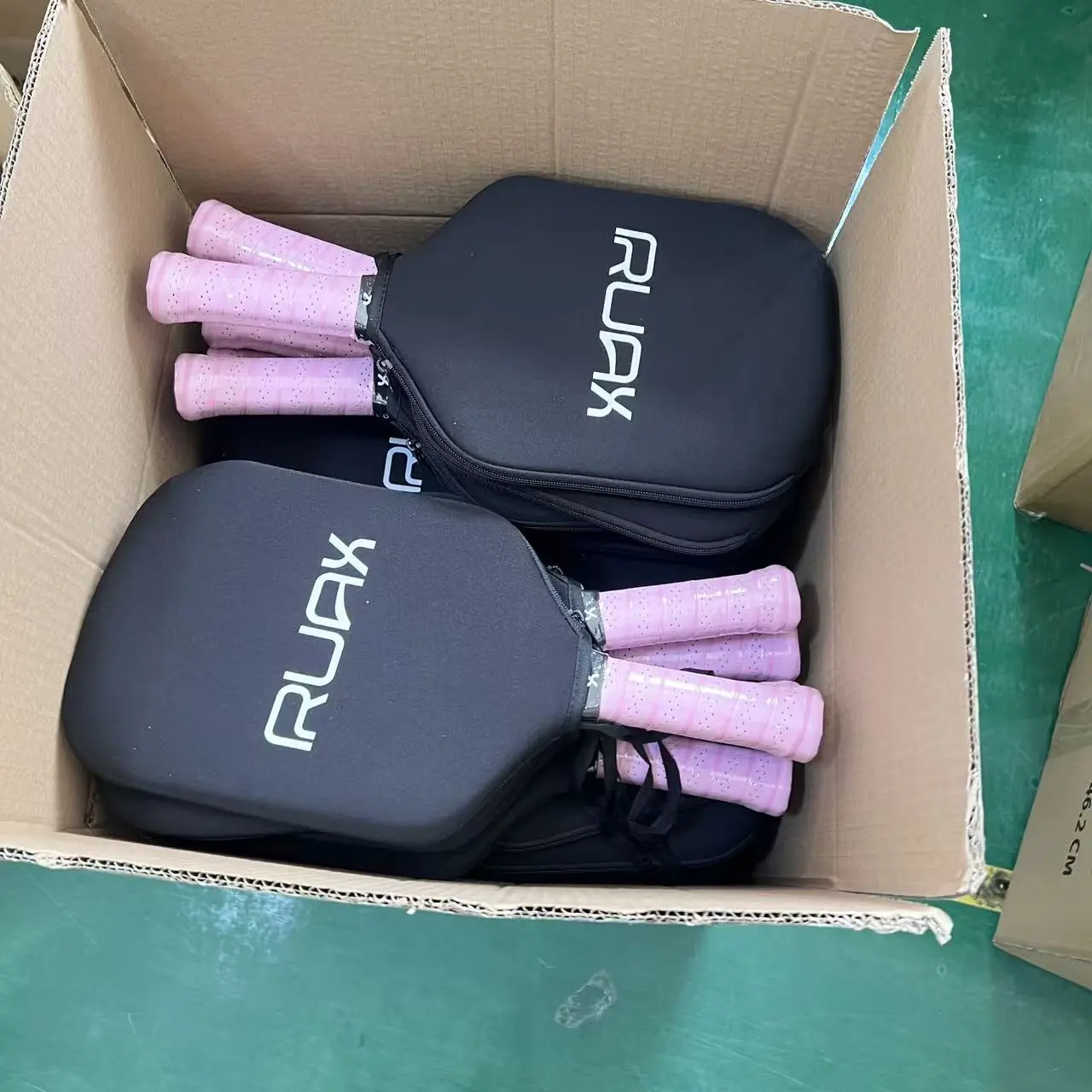
- Does the paddle fit the cover or bag cleanly?
- Does the grip get squeezed or bent in the package?
- Is the box strong enough for shipping?
- Is the label or barcode in the right position?
- Are the accessories fixed, or do they move around inside the box?
- Is the packaging plan realistic for your MOQ?
For 100-300 pcs, a simple branded setup is often safer than a fully custom retail box. For example: custom paddle design, end cap logo, paddle cover or bag, and a plain box with a label. You can upgrade to custom color boxes and inserts after the product sells.
Send clear OEM pickleball paddle sample feedback before the PO
After testing, you can send one clear sample approval message. It should include:
- Sample model or photo.
- Approved specs.
- Changes needed.
- Weight range for bulk.
- Surface or color notes.
- Packaging decision.
- Quantity.
- Required lead time.
- Certification or testing needs, if any.
- Whether the approved sample will be used as the bulk reference.
A good message is short but specific:
"We approve sample A with changes. Keep the same 16mm thickness and raw carbon face. Bulk weight range should be 226-232g. Please make the grip slightly thicker, keep the black edge guard, and use the paddle cover plus plain box for the first 300 pcs. Please keep this sample as the bulk reference and confirm the final PO specs before production."
That is much better than:
"Looks good. Please make bulk the same."
Pickleball paddle sample approval checklist
Use this checklist before approving bulk production.
| Checkpoint | Approve only if |
|---|---|
| Weight | You recorded the sample weight and agreed on a bulk weight range |
| Thickness | The actual sample matches the agreed thickness |
| Shape | The length, width, and handle length fit your target players |
| Grip | The grip size and handle feel are comfortable for your market |
| Court feel | Target players tested the sample with real shots |
| Repeatability | Samples of the same model do not feel strangely different |
| Surface | Texture, color, and finish match the product level |
| Edge | Edge guard or edgeless finish looks stable and clean |
| Handle parts | Grip, end cap, and rubber ring are neat and secure |
| Printing | Logo size, position, and color are acceptable |
| Packaging | Cover, bag, box, label, and accessories are confirmed |
| Reference sample | You and the factory know which sample is the approved reference |
When you should not approve a pickleball paddle sample yet
Pause the approval if any of these happen:
- You only tested one sample for a few minutes.
- Two samples of the same model feel obviously different.
- The weight is outside the range you can sell.
- Players like the power but complain about control or comfort.
- The edge guard, handle, or end cap already looks weak.
- The surface texture feels inconsistent.
- The artwork color is not close enough.
- Packaging is still undecided.
- Certification or compliance is required, but the plan is not confirmed.
Delaying approval for a few days is cheaper than fixing a full bulk order.
Official references I would check when they apply
I would not turn every sample review into a legal checklist. Still, if your paddle will be used in sanctioned tournaments or sold into regulated markets, I would check official sources before you approve bulk production.
- For tournament use, check the USA Pickleball Official Rulebook and the USA Pickleball Equipment Standards Manual.
- To confirm whether a model is already listed, use the USA Pickleball Approved Paddle List.
- If you sell junior or school-focused paddles in the US, review the CPSC children's products guidance.
- If you sell into the EU, check the European Commission page on EU product safety.
- If you sell into California, check the OEHHA page on Proposition 65.
These links do not replace testing or legal advice. They help you ask better questions before you lock the sample, packaging, warning labels, and sales market.
FAQ about pickleball paddle sample approval
How many pickleball paddle samples should I test before bulk production?
For a first order, test at least two samples if possible. One sample can show the direction. Two or more samples help you judge consistency.
Should I test blank samples or logo samples first?
If you are still choosing the structure, test blank samples first. If the structure is already confirmed, test logo samples before bulk production so you can check printing, color, and finishing.
What is the most common sample approval mistake?
The most common mistake is approving the sample by appearance only. A paddle can look good in photos and still have the wrong weight, grip feel, surface durability, or packaging plan.
Can a sample feel different from bulk production?
Yes. That is why the approved sample, final specs, material choice, weight range, surface finish, and production process should be locked before bulk production starts. A good supplier should treat the approved sample as a reference, not as a vague memory.
What should I send to the supplier after testing?
Send the sample photos, player feedback, approved specs, required changes, target weight range, packaging decision, order quantity, and any certification needs
Final note on pickleball paddle sample approval
When I help you review a sample, I am not trying to make the process slower. Sample approval is about making the bulk order easier to control.
If your sample is already close, the next step is to lock the details: weight range, surface, handle, edge, printing, packaging, and reference sample. If the sample still has problems, fix them now.
Send me your sample feedback, target player, planned order quantity, and the specs you want to lock. I can help you check whether the paddle is ready for bulk production.

