跳到内容
跳到内容 

When I talk with our customers about “premium paddles,” I keep seeing the same misunderstanding: people think premium = a fancier material name.
But in real OEM projects, what decides whether a Gen 5 line actually sells (and whether you get complaints later) is much more practical:
-
The foam density level (expansion ratio)
-
How stable the process is in mass production
-
Whether the face design + texture method match the “premium” positioning
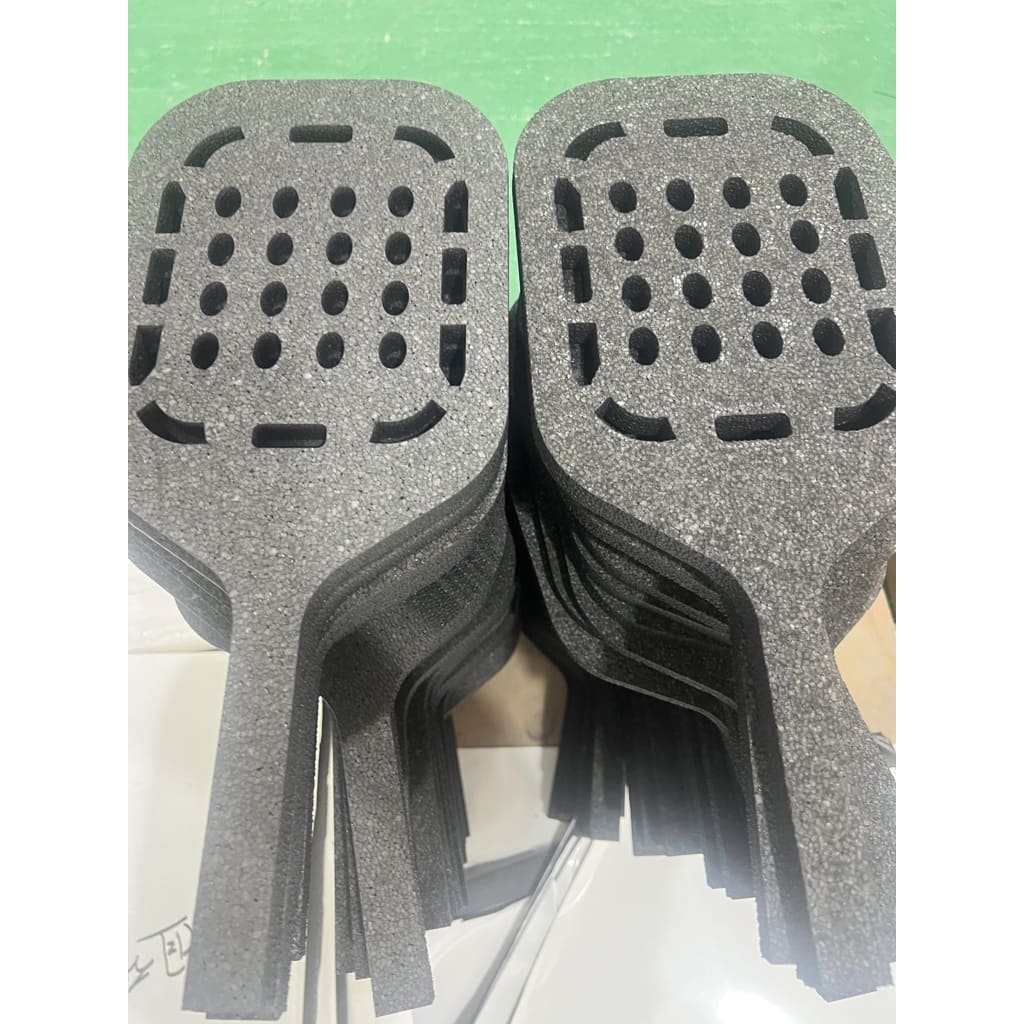
Boomstick Core is basically what many buyers call Gen 5: EVA + EPP foam core. When tuned correctly, it gives an “immediate difference” feel: more alive, more rebound, more forward push, and a steadier sweet spot.
And one market note from real conversations: Vietnam buyers often care a lot about elasticity and rebound. That’s why we developed a Vietnam-tuned high-elasticity version and the feedback has been very positive, because the difference is obvious on the first few hits.
Who this guide is for
This guide is for you if:
-
You want a premium / flagship paddle line that feels different immediately
-
You sell into Vietnam / Southeast Asia where “high elasticity” is a strong preference
-
You already have entry models and want a clear upgrade path without batch-risk
-
You want to avoid the classic nightmare: samples feel great, mass production feels different
Boomstick Core (EVA + EPP) in one simple explanation
Boomstick / Gen 5 (EVA + EPP) is a controlled foam system that lets you build a premium feel around:
-
More rebound and “alive” response
-
A more stable sweet spot
-
Better comfort when the structure is tuned correctly
But here’s the truth: the name doesn’t guarantee the result. Density (foam level) + process stability decide whether it’s “real premium” or just a label.
Why density level is the first decision you must get right
Many articles say “Gen 5 is hot,” but as a buyer you still need a real decision: which density level are you choosing?
Two paddles can both be called EVA + EPP, but feel completely different if the density level is different.
One more thing I’ll say clearly: we only produce high-density foam core systems (8x–10x expansion).
Lower-density options might look cheaper, but they usually create more risk in lifespan and batch consistency. We’d rather keep the core stable than chase a low price that can damage your brand later.
How the manufacturing reality works (no “mystery talk”)
From an OEM perspective, Gen 5 success comes down to one word: consistency.
If a factory can’t control the process, you’ll see problems like:
-
Samples feel bouncy, but mass production turns softer
-
Different batches feel different
-
Thickness / weight drift causes “this one feels different” complaints
A factory that can truly run Gen 5 well should be able to define and control:
-
Foam density level (expansion ratio) clearly
-
Stable forming parameters (so feel doesn’t drift)
-
Thickness tolerance control
-
Weight range control (and ideally swing weight range targets)
-
Texture durability (so “spin feel” doesn’t wear unevenly)
How to choose the density level
Before you read the table, remember this line: we only recommend and mass-produce stable premium pickleball paddle in 8x–10x.
Premium isn’t “softer.” Premium is “rebound stays stable, batch stays stable.”
| Expansion ratio / density range | Practical rating | Feel tendency | Best positioning | What I would NOT do |
|---|---|---|---|---|
| 8x (110–115) | Best (highest density, most stable) | Strong rebound, very solid load-bearing | Flagship / top premium | Don’t use it for low-price wars |
| 9x (100–105) | Best (premium mainstream) | Great balance of rebound + stability | Main premium seller / profit model | Don’t market it as “soft” |
| 10x (85–95) | Excellent (high-elastic upgrade) | Easier to feel “bounce” | Premium entry / profit upgrade | Don’t oversell it as “ultimate flagship” |
| 11x (75–80) | Soft | Can feel “flat” if not tuned | Special control projects | Don’t build your core line on it |
| 13x (60–70) | Soft | More energy loss | Special requests | Don’t position as premium |
| 15x (50–55) | Soft | Stability risk rises | Rare cases | Don’t use for premium claims |
| 17x (40–45) | Too soft | “Mushy” / low rebound stability | Non-mainstream | Not recommended |
Simple rule: smaller expansion ratio = higher density = stronger load-bearing = more stable rebound (and higher cost).
Recommended shapes and sizes (a direct “menu” you can pick from)
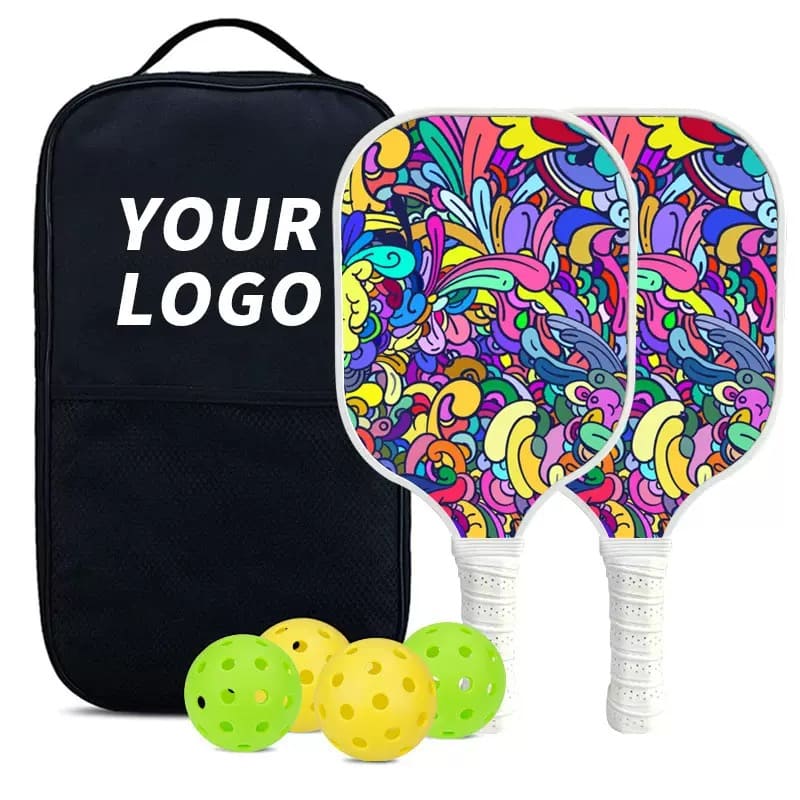
To make selection faster, here are the common choices we run for Gen 5 / Boomstick core pickleball paddle:
Flat shape / Hybrid shape

-
417 × 190 × 13mm
-
417 × 190 × 14mm
-
417 × 190 × 16mm
Widebody shape
-
400 × 200 × 16mm
-
400 × 200 × 14mm
If you want a more “all-around” advanced feel, 417 × 190 is a very common premium direction
If you want an easier-to-sell premium feel for broader players, widebody is often a safer start.
Face design + texture method (how to make it look and feel premium)
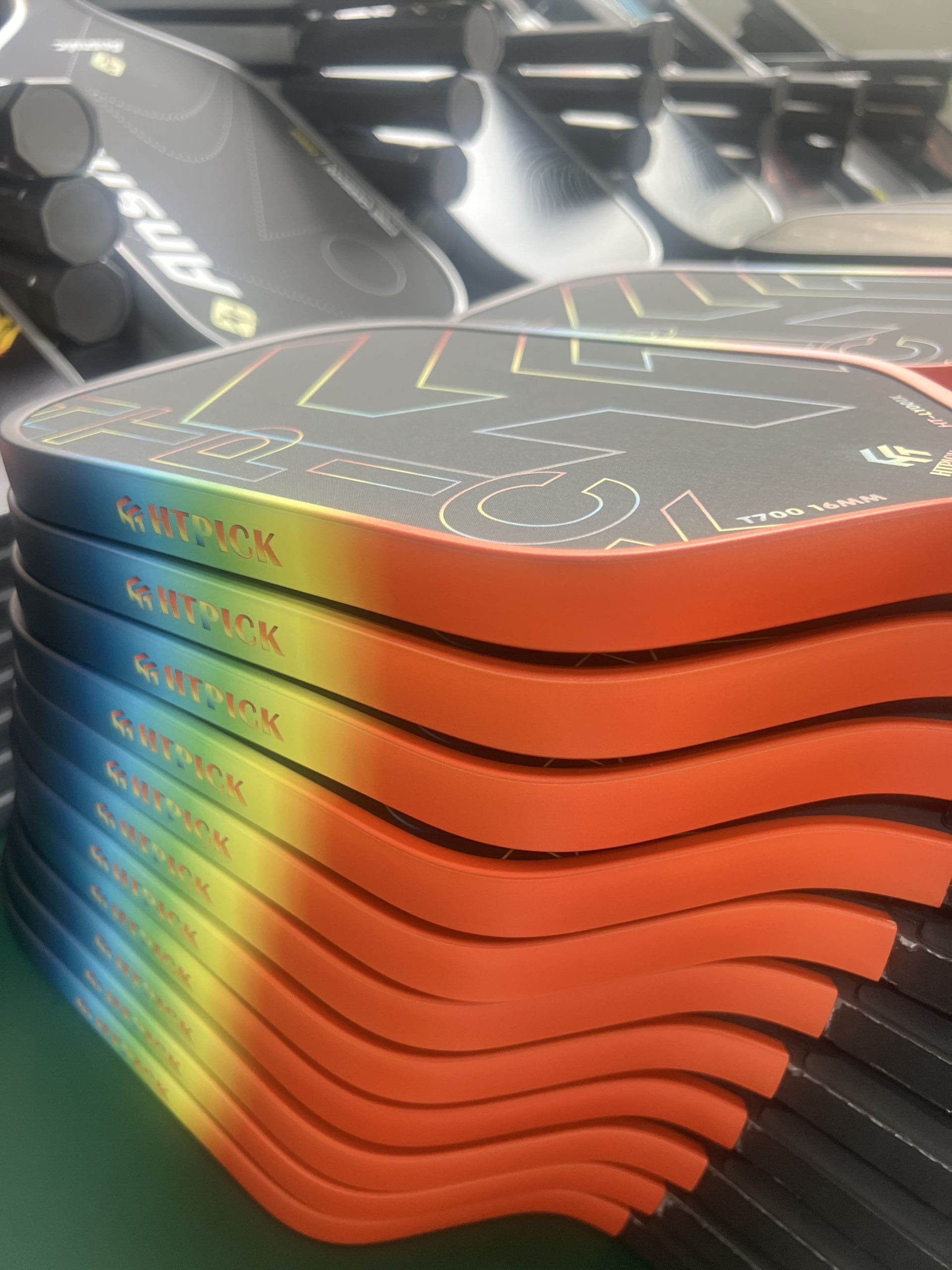
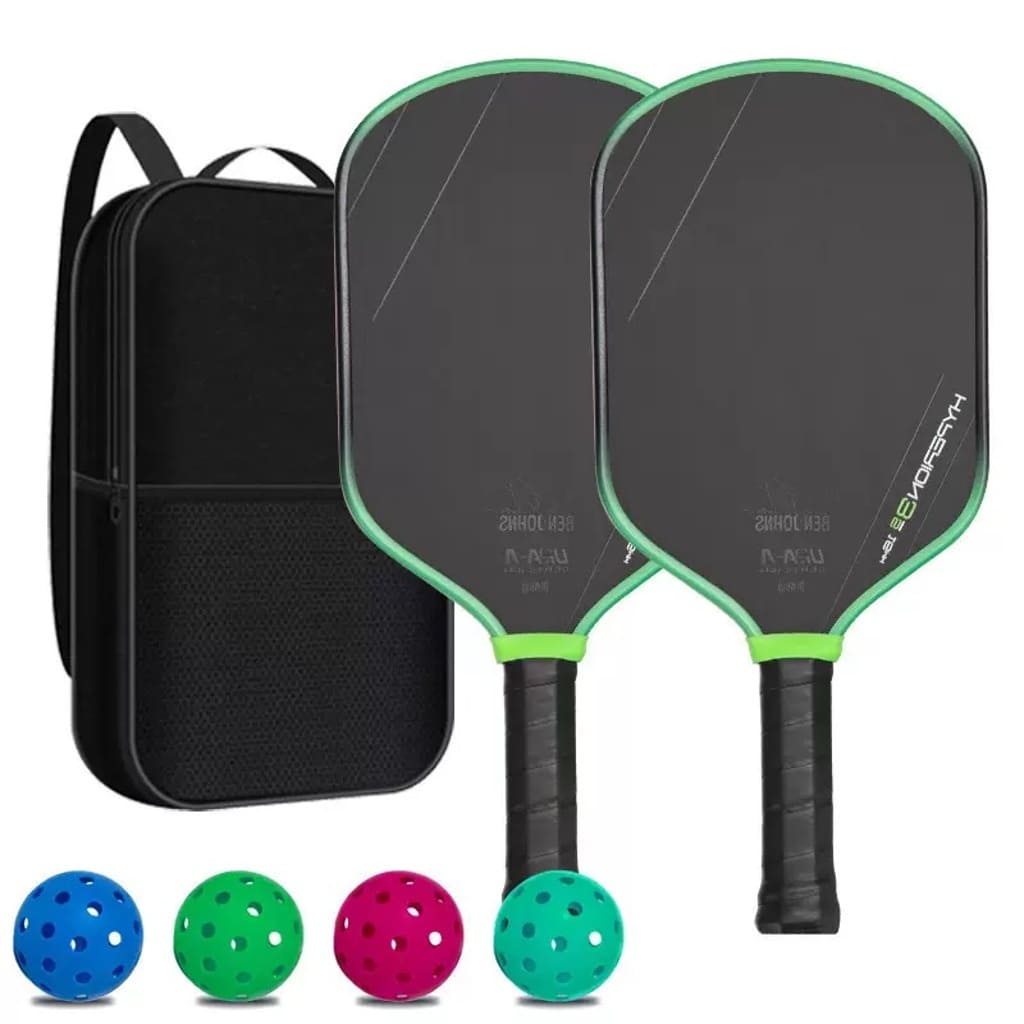
For premium pickleball paddles, I strongly recommend matching the design style to the texture method.
Why premium pickleball paddles should lean “clean design + cloth-matte texture”
-
Premium often looks more premium pickleball paddles when the material feel is visible, not fully covered by heavy graphics
-
Cloth-matte texture pairs well with minimal, clean designs
-
We can also build a “roughness-forward” feel that is more durable, so the premium texture doesn’t fade quickly
-
It helps reduce long-term complaints like “the sample feels great, but texture wears unevenly”
Sound and feel: is Gen 5 core “crisp” or “deep”?
Gen 5 core (EVA + EPP) usually feels more “alive” and responsive.
Sound-wise, it’s typically:
-
Not as deep and “thumpy” as pure EPP
-
Not as crisp and “poppy” as Gen 4-style (PP-based) cores
It sits in the middle, and many advanced players love that balance because it gives forward push without an overly hard/crisp feel.
Lifespan and batch consistency (why premium needs tighter control)
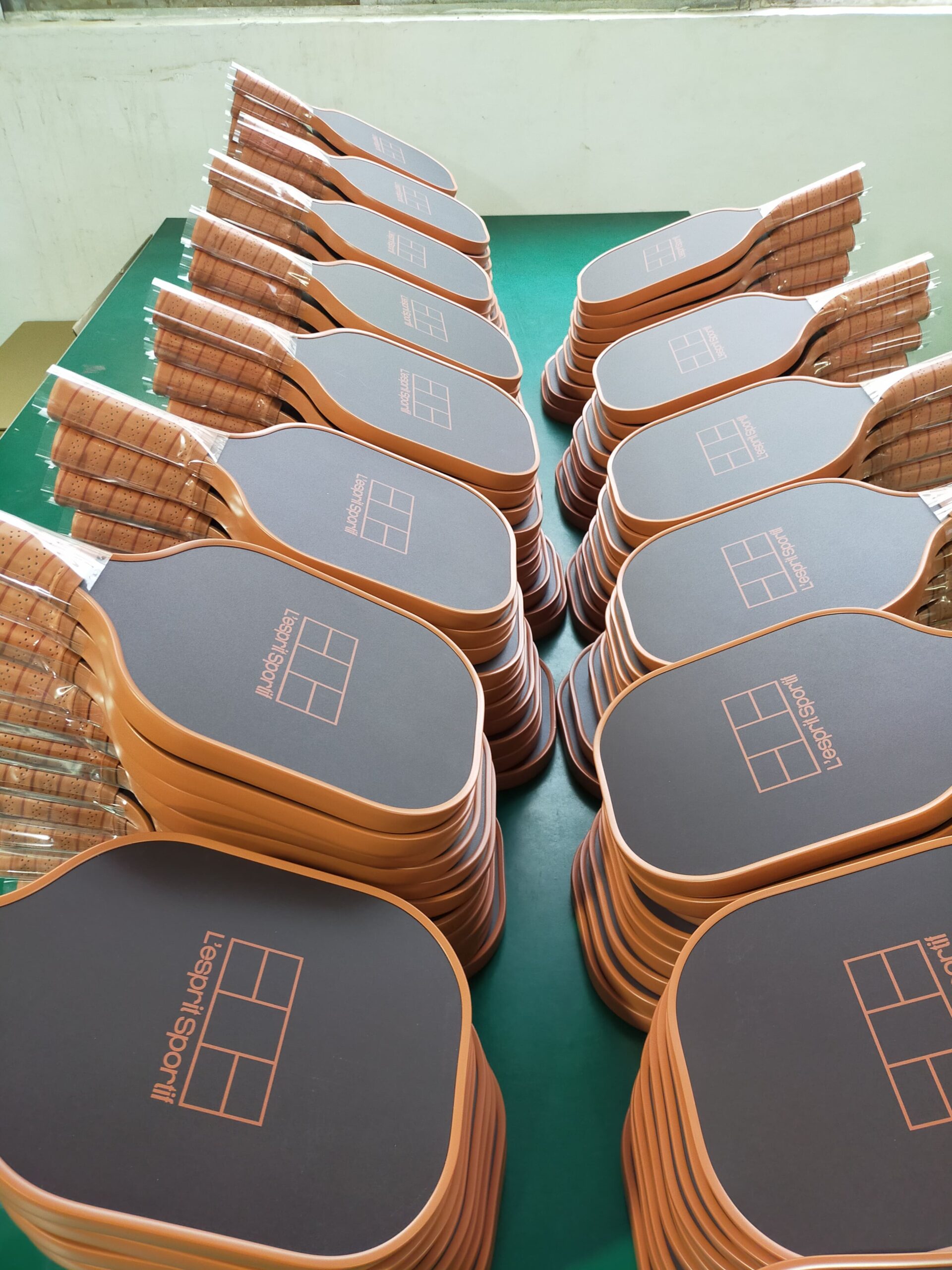
The biggest loss for a brand is not “it didn’t sell.”
It’s “it sold, then complaints started because batches feel different.”
For Gen 5 projects, the brand-critical controls are:
-
Clear thickness target (13 / 14 / 16, not vague)
-
Weight range targets (premium needs tighter control)
-
Consistent rebound feel across batches
-
Texture durability stability (so “spin feel” doesn’t fade unevenly)
Pitfalls buyers should avoid (I’ll write this one a bit “hard”)
-
Asking “Is it Gen 5?” but not asking the density level
-
Samples tuned bouncy, mass production becomes softer
-
Chasing “more bounce” without stability planning (leads to lifespan risk)
-
Paying for a premium name while the factory can’t define the structure clearly
-
Using heavy color designs that cover premium face material texture
-
Not defining premium specs clearly (if you don’t define it, the factory will choose the easiest path)
People Also Ask (FAQ)
Is Boomstick / Gen 5 a good first model for a new brand?
If you only want one entry model, I usually wouldn’t start here.
But if you’re building a line (entry + profit + flagship), Gen 5 is a strong flagship or premium main-seller option.
Which density level should I start with?
-
8x: flagship stability and strongest load-bearing premium feel
-
9x: premium main seller, best balance for many brands
-
10x: premium entry / profit upgrade with an obvious “elastic” feel
Why do players like Gen 5 core in markets like Vietnam?
From real buyer conversations, many Vietnam customers care about “elasticity” and immediate rebound feel.
That’s exactly why a Vietnam-tuned high-elasticity version can work very well as a premium differentiator.
A practical note
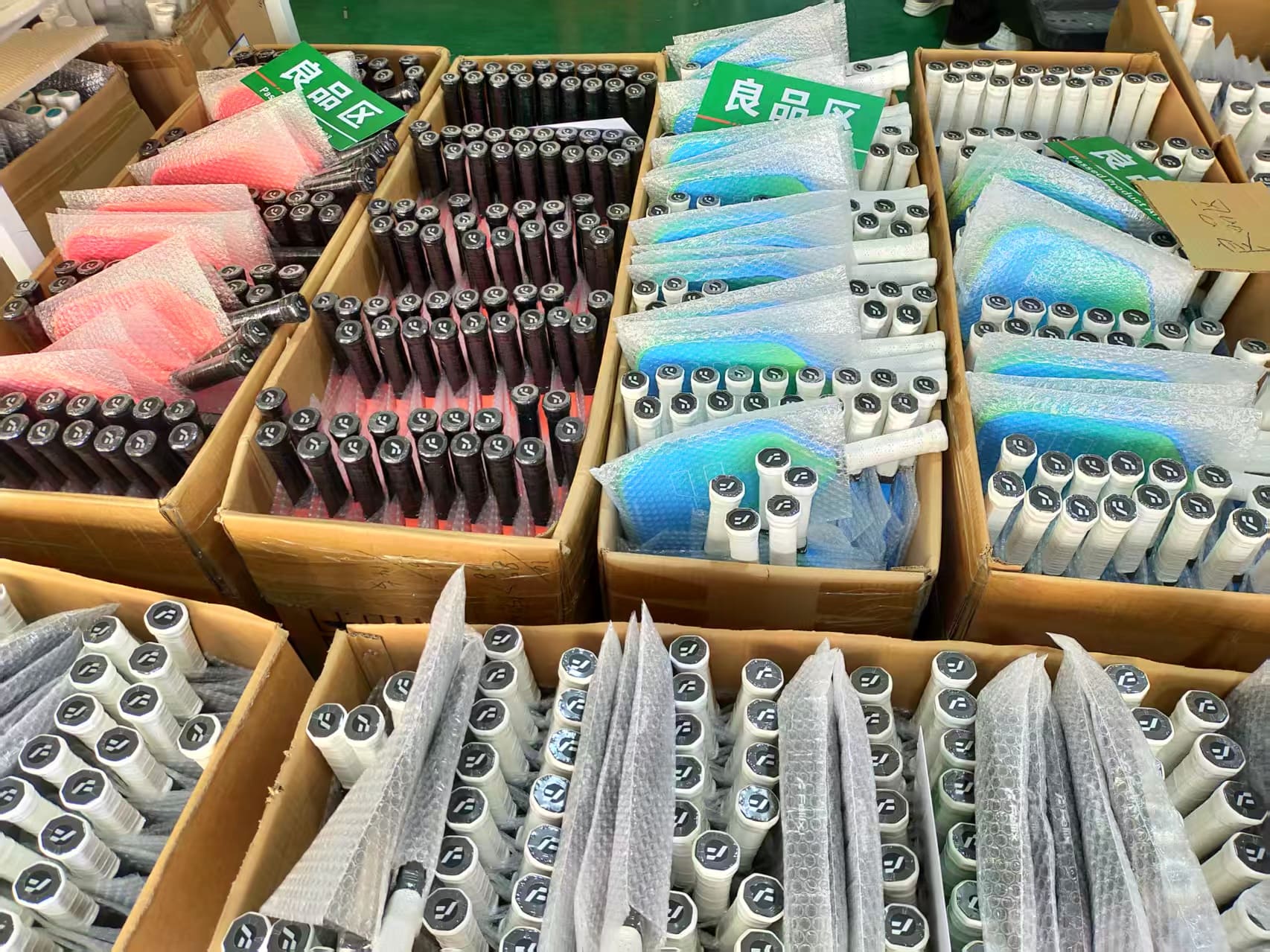
Premium pickleball paddles is not just raising the price. Premium means your pickleball paddle stays consistent after you scale.
If you want to build a Gen 5 Boomstick core line that actually holds up, I suggest you lock these three things early:
-
Density level (8x–10x)
-
Shape + size (from the menu above)
-
Texture method matched to premium design (clean + cloth-matte is usually the safest premium route)
That’s how a premium paddle becomes a premium product line, not a one-batch experiment.