跳到内容
跳到内容 
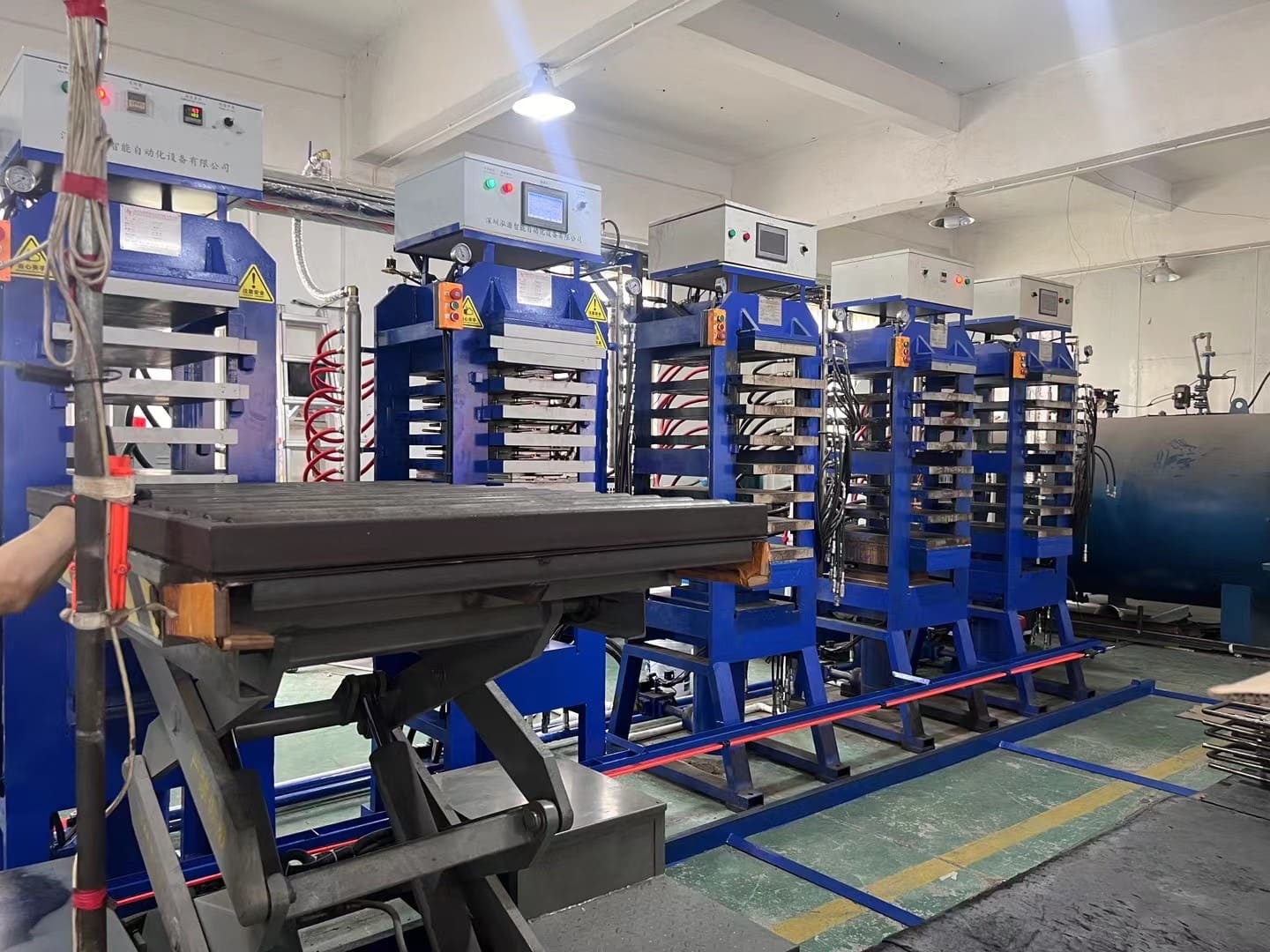
Last week, a buyer asked me a question I hear all the time: “Are you a factory or a trading company?”
I didn’t feel offended. I just knew what they were really asking: “If something goes wrong, will you be able to control production and fix it fast, or will it turn into a blame game?”
So this guide is not about judging “factory” vs “trading.” It’s about one thing: control + proof. If a supplier can show you the right evidence, you’re safe, no matter what their business card says.
Who this guide is for
If you are a brand owner, retailer, distributor, or e-commerce seller sourcing paddles from China, this is for you — especially if your first order is not huge but your requirements are clear: cost control, stable feel, realistic lead time, and no after-sales drama.
Factory vs Trading: don’t decide by label, decide by control
Some true factories have great production but weak communication. Some trading/solution partners are fast, detail-oriented, and can actually control outcomes because they manage the process tightly. And yes, some “trading companies” are simply forwarding messages and have zero control.
So here’s the rule I use:
You are not buying a “factory.” You are buying the ability to deliver the same paddle again and again, and to take responsibility when reality happens
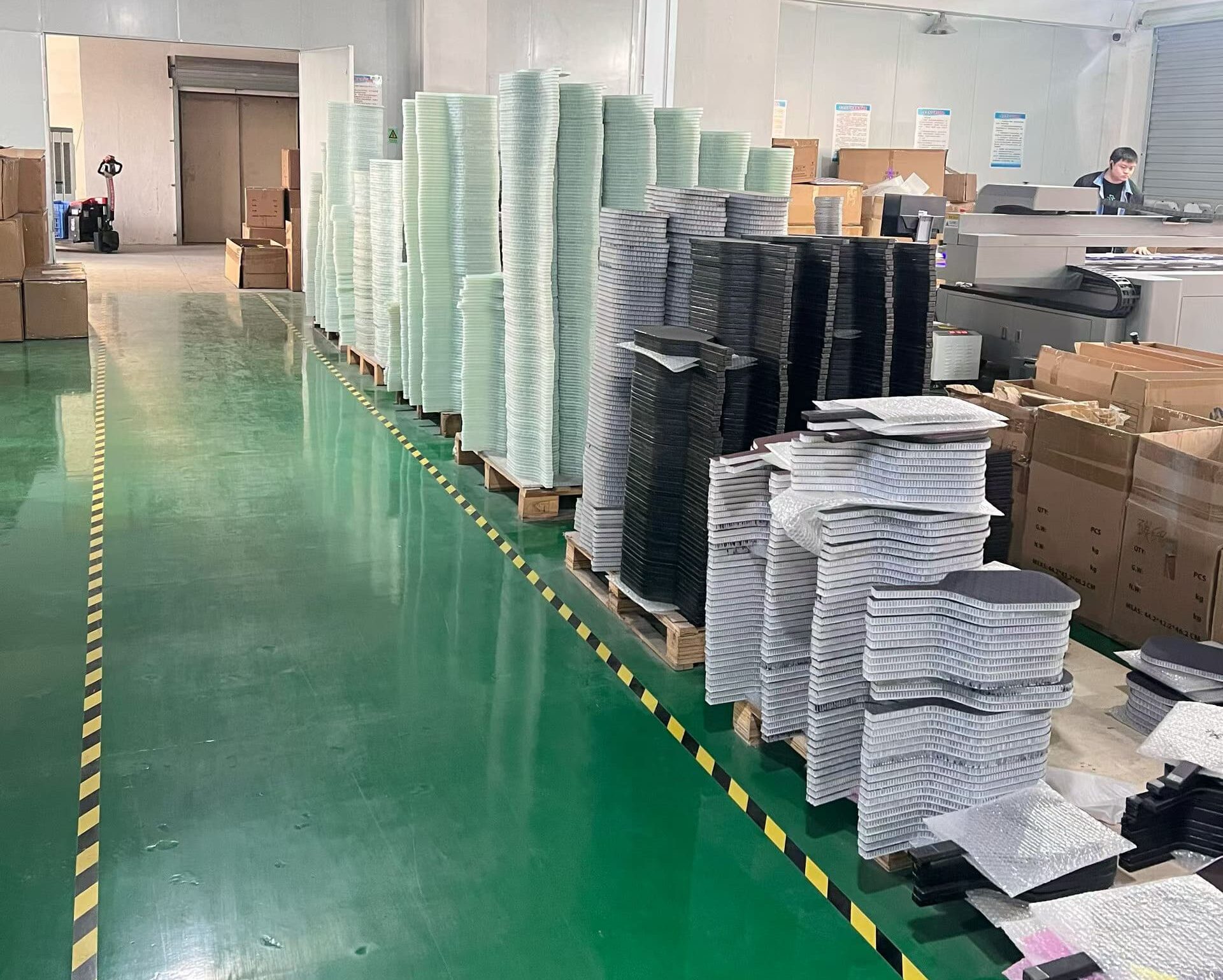
The Proof Checklist (put this first, because it saves you weeks)
Below is the exact proof checklist I recommend you use. Don’t ask for a long speech, ask for evidence.
Proof Checklist to Verify a Pickleball Paddle OEM
| What you ask (Buyer question) | What good proof looks like | What it tells you | Red flag (walk away signal) |
|---|---|---|---|
| How do you keep sample = mass production? | Version control rule + “no-change without approval” workflow | They can control consistency | “Don’t worry, we always do same” (no system) |
| What weight range can you hold? | Target range + sorting rule + what happens if out-of-range | They treat feel as measurable | Only gives “average weight” |
| Texture durability: how do you lock the process? | Clear texture method + fixed process parameters | They can reproduce surface feel | “Same as sample” but no method/version |
| Edge guard / edge foam: how is it built? | Simple structure explanation + where foam is placed + assembly steps | They understand structure, not marketing words | Can’t explain, only repeats “premium” |
| What do you inspect before shipment? | A short checklist: weight, appearance, assembly, packaging contents | They have a repeatable QC habit | “We check everything” (no list) |
| How do you prevent missing accessories in sets? | Packing list + carton marking + double-check step | They reduce avoidable returns | “We never miss items” (no method) |
| Lead time: what are real time blocks? | Separate timeline for sample / production / packaging | They know where delays happen | One-line promise only |
| What happens if a batch has issues? | Clear after-sales handling logic (not emotional promises) | They take responsibility with a process | Blame language or vague answers |
| Can you support third-party testing if needed? | Clear “yes, we can support” + what they provide (samples/docs) | They’re used to compliance buyers | Defensive, avoids the topic |
| Can you keep repeat orders stable? | Retained “golden sample” reference + spec lock | They understand long-term partnership | Only focuses on first order price |
Three fast questions that reveal control (30 seconds)
If you want a fast screening, ask them to answer these three questions in plain language:
- “What’s your strongest paddle type, cold press or thermoformed, and what can you control best?”
- “How do you keep sample feel stable in mass production?”
- “If a batch has a real problem, what is your handling process?”
If the answers are clear and specific, good sign. If they stay vague, you already have your answer.
The 5 mistakes you make when judging suppliers
Many buyers accidentally judge the wrong things in the first week. Here are five I see all the time:
- Mistake 1: Believing “factory” on a homepage equals control.
- Mistake 2: Treating a great sample as proof that mass production will match.
- Mistake 3: Comparing only unit price, not total risk (returns, inconsistency, delays).
- Mistake 4: Not locking weight range and texture method early.
- Mistake 5: Waiting until problems happen to talk about after-sales rules.
A simple “buyer acceptance sheet” that reduces disputes
You don’t need a long contract to start. But you do need a short acceptance sheet that makes expectations measurable. I recommend these five items:
- Target weight range + what happens if out of range (sorting/rework/replacement logic)
- Texture method locked (spray sanding / cloth-matte etc.) + “no version change without approval”
- Packaging contents list + double-check step to prevent missing items
- Sampling and inspection rule for mass production (basic percentage + who decides pass/fail)
- After-sales response time + handling options (replace/discount/rework)
Why work with us
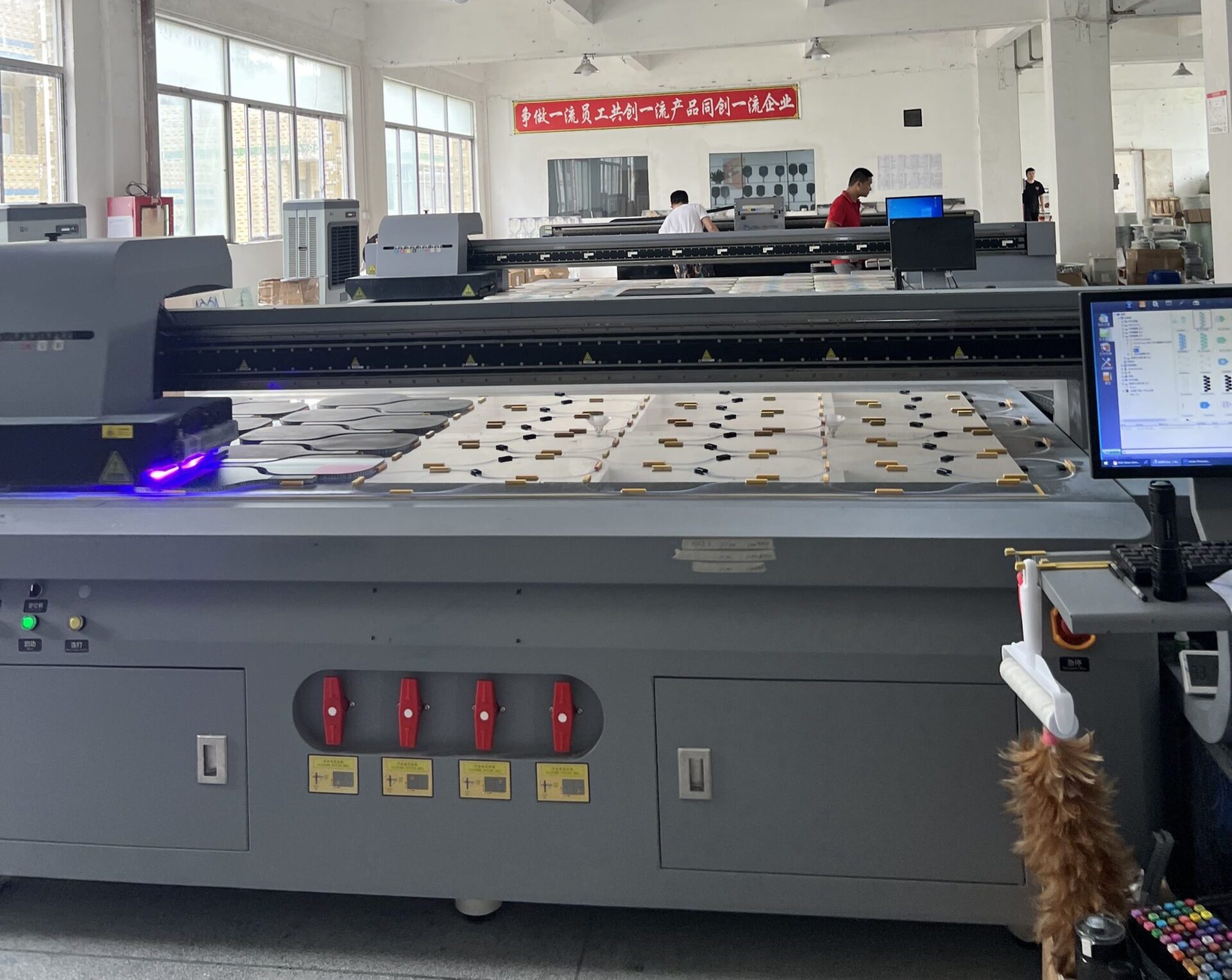
If you’re comparing suppliers, here’s what we’re actually strong at, in plain terms:
We’re built for repeat orders, not just “a great sample.” We lock the variables that usually cause buyer pain later: weight range, texture method, assembly consistency, and packaging accuracy.
Strong thermoformed capability (and advanced foam structures). If your lineup includes higher-end thermoformed paddles, including foam-edge / full-foam / EVA+EPP style projects, we’re used to the process control these need.
Real capacity + real experience (so timelines are more realistic). We produce 150,000+ paddles/month capacity, and we’ve supported 4,000+ brands with OEM/ODM projects. That matters when you scale or when you need stable repeat batches.
Fast, practical sampling workflow. For most standard projects, we can move samples quickly because we’ve already built internal templates for specs, artwork checks, and process lock points, so it’s less back-and-forth.
OEM/ODM support that’s buyer-friendly. We help you choose structures that are easier to sell and easier to keep consistent, based on your channel (retail / distributor / e-commerce) and your target users.
We can support third-party testing when needed. If your market or channel requires it, we’ll coordinate samples and documentation in a way that avoids unnecessary delays.
We’d rather solve problems early than argue later. The goal is simple: help you ship a batch you feel confident selling, and make the next batch even smoother
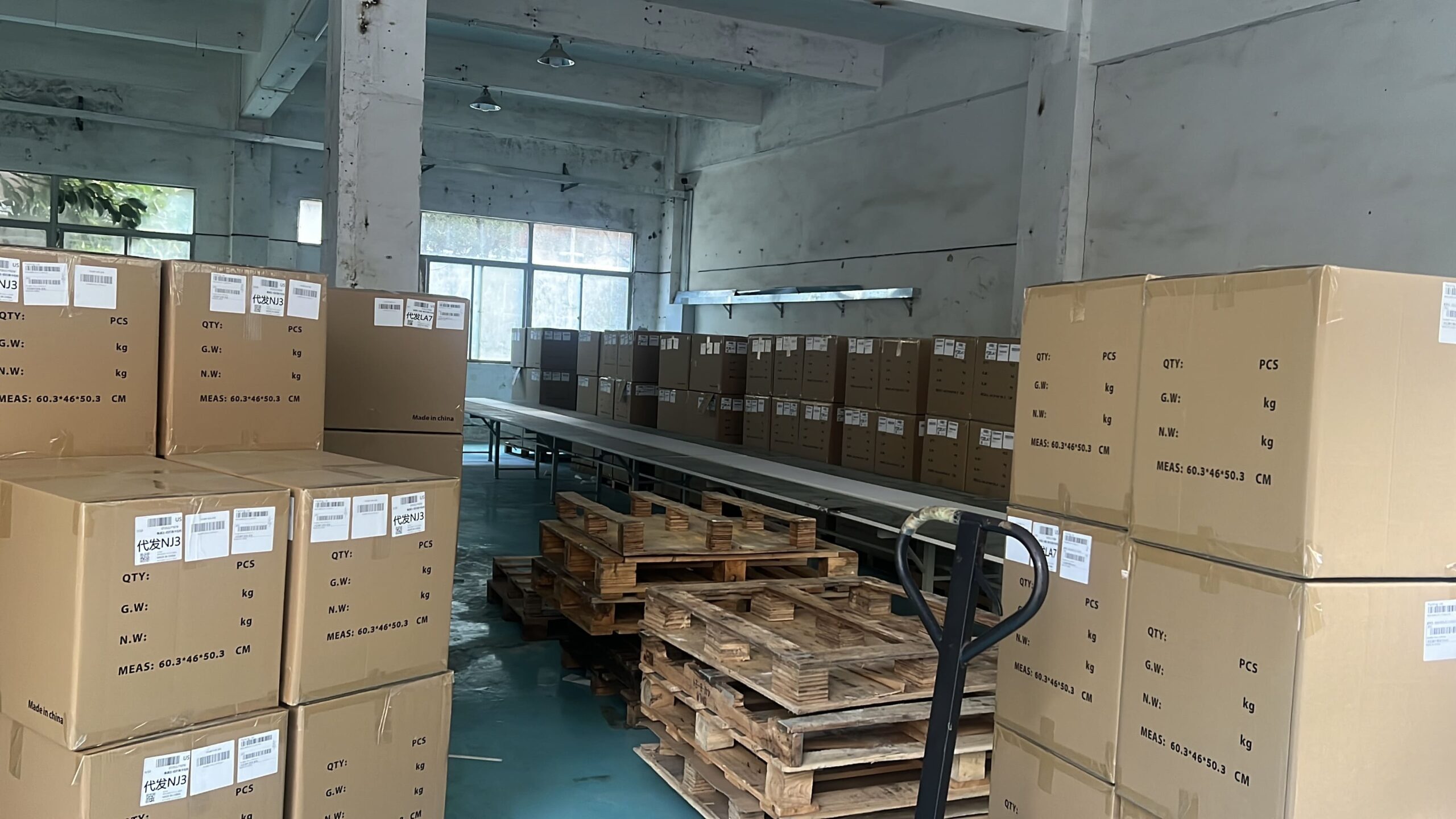
People Also Ask
What’s the real difference between a factory and a trading company?
A factory usually controls production directly. A good solution partner controls the outcome through process and accountability. The risky type is the one that only forwards messages and can’t show proof of control.
How can I verify an OEM factory in China without visiting?
Ask for proof that reveals control: version control, weight range rule, texture method explanation, packing list process, and a clear handling process when something goes wrong. You’re verifying systems, not a tour.
Why do paddle batches feel different even with “the same specs”?
Because “same specs” is often written loosely. Small changes in weight range, texture method, assembly, or materials can shift feel. A reliable factory locks those variables early and keeps them stable.
What is a safe MOQ for a first OEM order?
For most new buyers, starting with standard specs and simple packaging is the safest way to keep MOQ low. Custom boxes, custom shapes, or too many custom parts usually push MOQ up.
What should matter more than price in the first order?
Consistency control. If your first batch feels stable and matches your sample, you can scale. If it doesn’t, the cheapest price becomes the most expensive lesson.
Final note
Honestly, at this point, you don’t need to overthink whether a supplier calls themselves a “factory” or a “trading company.”
Just focus on one thing: who can produce the same paddle consistently, and who can take responsibility and fix issues when something goes wrong.
The most reliable partners are rarely the ones who promise the most. They’re the ones who can show real control: how they lock versions, lock processes, manage weight ranges, and run after-sales with a clear workflow.
Because in the end, the paddle in your customer’s hand becomes your score. They reorder because you’re stable and responsible