 Skip to content
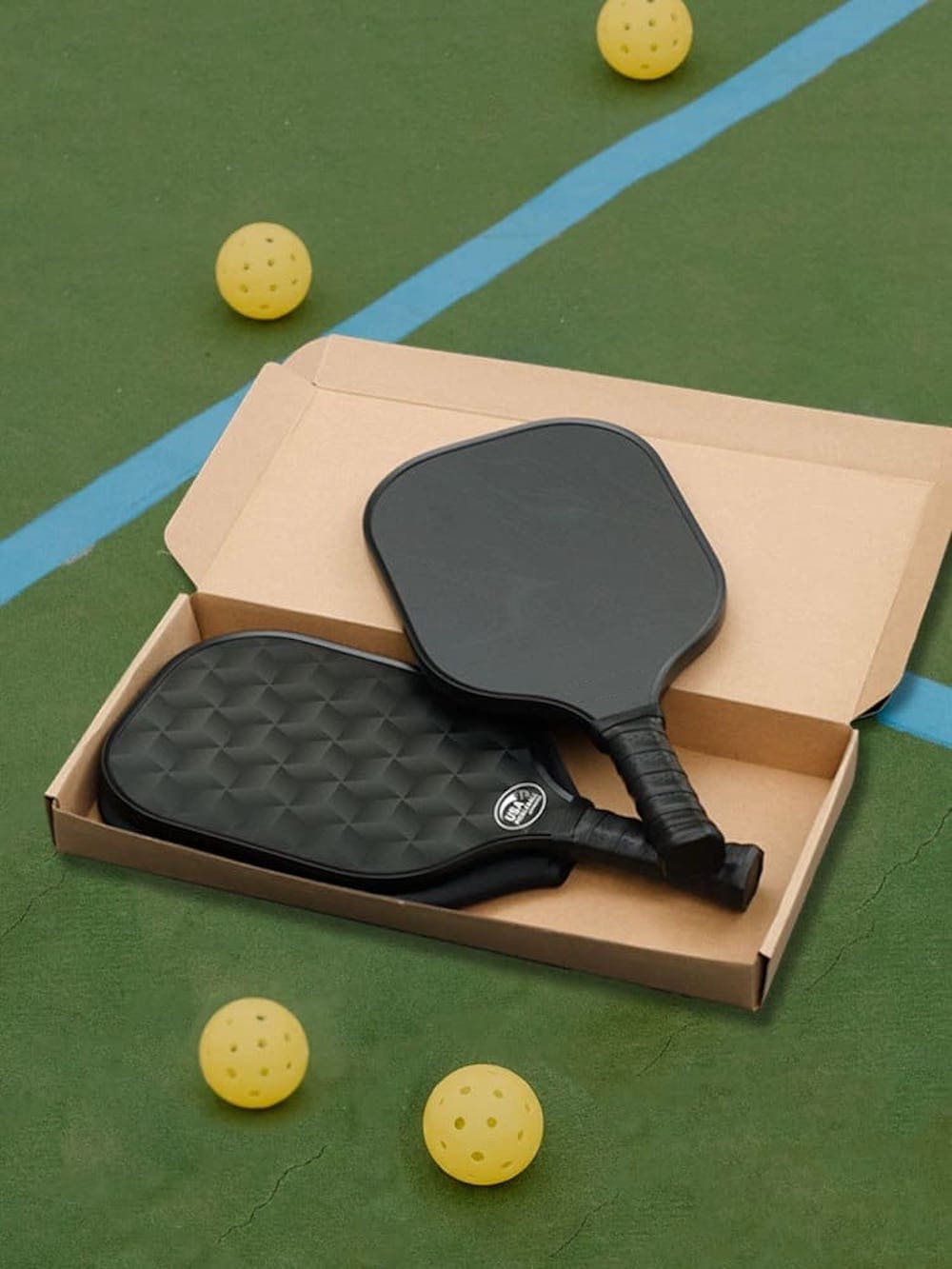
If you’re building a 2-tier product line for Southeast Asia Entry to drive volume + Thermoformed to drive margin, you don’t need more random parameters. You need a structure you can actually execute:
-
What to choose for each tier
-
Why those choices sell better in this region
-
Which details must be confirmed early (or the project will slip, cost more, or create returns)
This guide is written exactly for that.
Who this guide is for (Southeast Asia)
This is for Southeast Asia buyers who typically start with a smaller first run, but still want things done properly:
-
New brands launching their first line
-
Wholesalers and e-commerce sellers (Shopee/Lazada/TikTok Shop, etc.)
-
Clubs and schools (who care about durability and consistency)
Most of these buyers are not “price-only.” They want value, stability, and a supplier who won’t create hidden problems later.
Why a 2-tier line works better in Southeast Asia
A 2-tier line is not a gimmick. It’s a practical structure that helps you sell faster with fewer dead-stock headaches:
-
Tier 1 (Entry): easier to scale, fewer complaints, faster repeat orders
-
Tier 2 (Thermoformed): better margin, stronger brand image, clear upgrade path
When both tiers exist, your customers understand your brand faster: “Start here → upgrade here.”
Start with the table (the Southeast Asia 2-tier SKU blueprint)
Google loves structured info, and buyers love clarity. Put this table near the top of your blog post.
| SKU Role | Process | Core | Face Options | Texture Suggestion | Target Players | Best Channels | The “Consistency Points” to lock |
|---|---|---|---|---|---|---|---|
| Entry (Volume) | Cold-Press | PP Honeycomb 16mm | Fiberglass (option: Raw T700 quoted separately) | Light spray sanding | Beginners / Clubs / Schools | Wholesale / E-com / Club orders | Weight range, texture version, packaging contents, edge assembly |
| Profit (Margin) | Thermoformed | PP Honeycomb 16mm + perimeter foam | Toray T700 carbon fiber | Fabric-textured (recommended) or spray sanding (design-driven) | Intermediate / “upgrade-feel” buyers | E-com hero SKU / Retail | Foam placement logic, structure consistency, texture durability consistency |
| Optional Flagship | Thermoformed | PP honeycomb + foam (tuned) | Premium carbon / raw carbon direction | Fabric-textured | Advanced / high-end clubs | Image builder / high-margin | Swing weight + weight range, texture stability, cosmetic consistency |
Note: This table avoids fixed pricing numbers on purpose. It keeps your content future-proof and avoids “price disputes” later.
Tier 1: How to build an Entry cold-press model that creates fewer complaints

Tier 1 is where most early brands win or lose. The goal is simple:
-
Easy to play
-
Easy to explain
-
Consistent across units
-
Low return risk
Why PP honeycomb 16mm + fiberglass is usually the safest entry combo
-
More forgiving: beginner / club / school players don’t want harsh vibration or “too hard to control.” Fiberglass feels friendlier.
-
Easier to sell: you don’t need a long materials story. Players can feel “comfortable and stable” immediately.
-
Lower return risk: entry models often get returned due to “too stiff / too hard / too uncomfortable.” Fiberglass reduces that risk.
How to position Raw T700 without annoying buyers
Don’t push Raw T700 as the default on the first order. In Southeast Asia, most buyers want stability first and cost control second.
A clean structure is:
-
Base version: fiberglass for volume
-
Upgrade option: Raw T700 quoted separately (buyer chooses)
Light spray sanding is easy, durability depends on process lock, not promises
Spray sanding works well for designs with large background colors. But durability is never “guaranteed by words.”
It depends on:
-
Whether the texture process version is locked
-
Whether grit control is consistent
-
Whether there is a batch sampling rule (otherwise mass production drifts)
If you skip this, the common outcome is:
-
Sample feels great
-
Mass production wears faster
-
Complaints start later
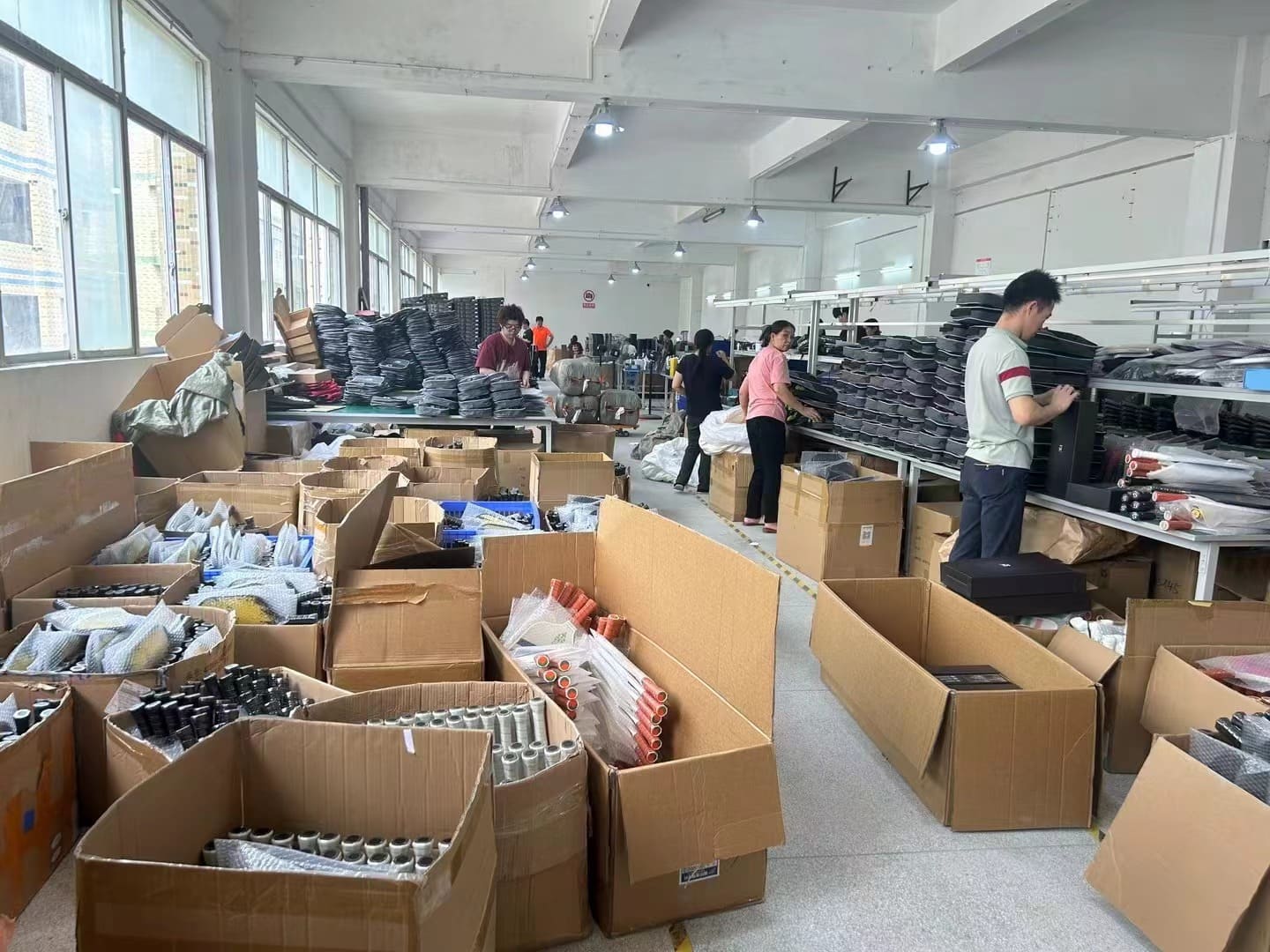
The 4 things you would lock first for Tier 1 (the “low-complaint core”)
-
Structure stays unchanged after sample approval
-
Weight range stays controlled (no “same model, different feel”)
-
Texture process version stays fixed
-
Packaging contents stay identical (missing a tiny item can trigger a bad review)
Tier 2: How to write a Thermoformed profit model so buyers want it immediately
Tier 2 should feel like an upgrade within minutes , not just “more expensive.”
Why thermoformed + perimeter foam feels more “worth it”
This structure usually delivers a clearer upgrade experience:
-
More stable sweet spot
-
More obvious comfort (vibration absorption)
-
Easier “upgrade story”: your customers don’t need a long explanation, they feel it
Why Toray T700 works better as the profit “hero SKU”
If Tier 2 is your margin model, T700 helps support the brand story:
-
Clearer control feel
-
Better spin potential story (when texture is chosen correctly)
-
Stronger premium perception (especially with durable texture)
Fabric-textured Vs spray sanding: how to choose
- Fabric-textured (recommended for premium):
-
Better for clean, minimal designs
-
Better durability potential
-
Easier to keep a “premium look + lasting roughness” feel
- Spray sanding:
-
Better for large background colors or heavy graphic coverage
-
Durability depends more heavily on process control and batch consistency
Pricing + MOQ: why small runs can’t be judged by paddle unit cost alone
Many Southeast Asia first orders are 100–150, or 200–500. The biggest blockers are often not the paddle itself, but:
-
Box MOQ
-
Custom parts (grip color, end cap logo, edge color, etc.)
-
Thermoformed yield and consistency control
The smarter way to budget is to split costs:
-
Paddle body
-
Custom items (logo/colored parts)
-
Packaging (box/insert/manual/labels)
You can often hit your target positioning, but only if you confirm which items must be customized now, and which items can start with lower-MOQ options.
Samples, tooling, and lead time (keep this realistic)
A buyer-friendly timeline:
-
Sample: 3–7 days
-
Mass production: 10–20 days (depends on quantity, process, packaging)
-
If you add custom boxes or inserts: treat packaging time as its own line item
Where tooling fees usually appear:
-
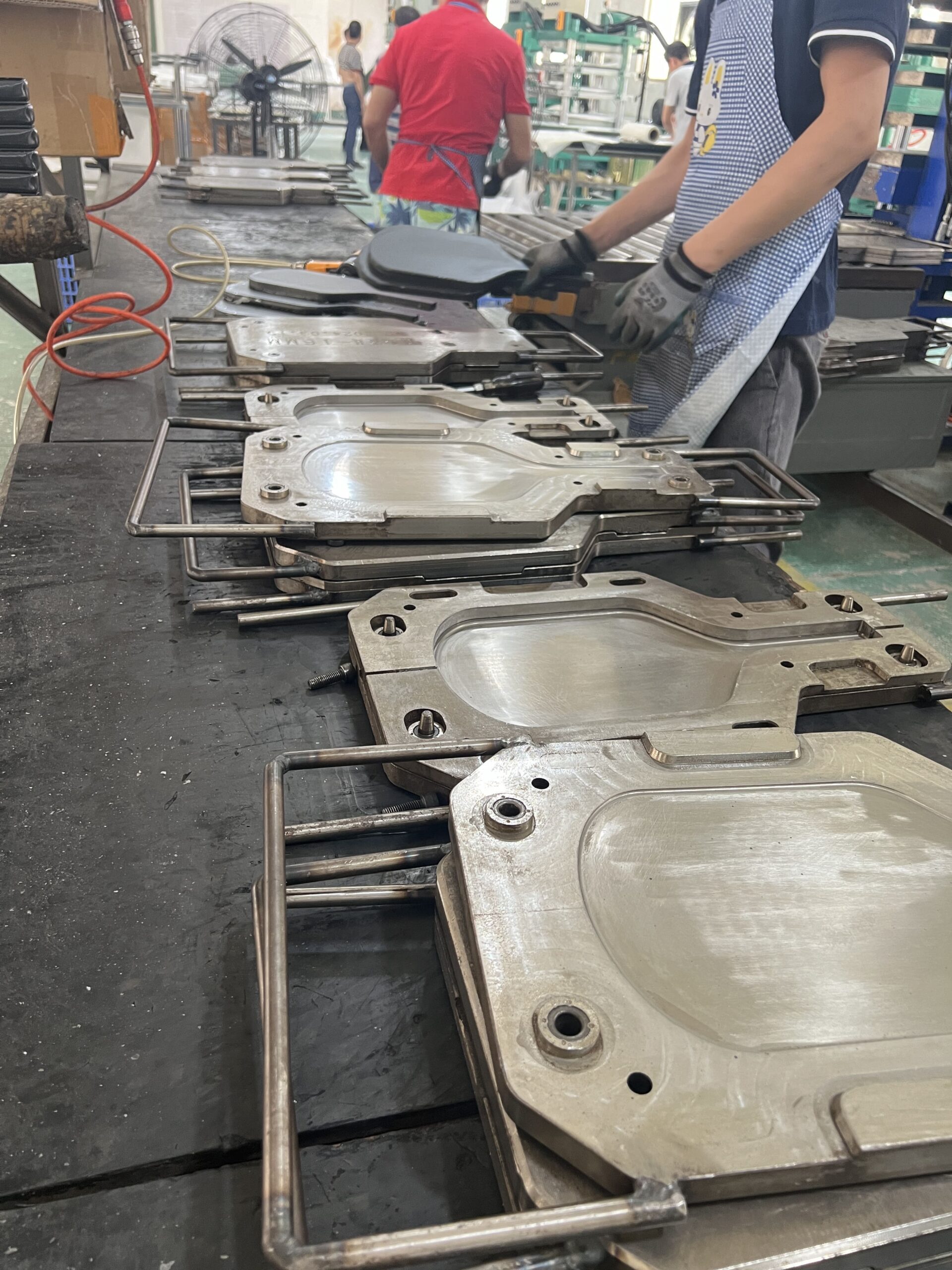
Thermoformed: new shape/size/structure that requires a mold
-
Cold-press custom shapes/sizes: usually require a MOQ threshold
Shipping to Southeast Asia: air vs sea vs DDP (the “near + flexible” reality)
Southeast Asia is different from markets like India or the US:
-
It’s closer
-
Routes are more flexible
-
Some buyers already have their own local forwarder or customs resources
So the best approach is to decide based on order size + priority.
Quick decision table: order size → shipping method → what it optimizes
| Your order situation | Common shipping choice | Your main priority | Practical reminder |
|---|---|---|---|
| 100–300 pcs, need speed to start selling | Air / express line | Speed | Compare total landed cost, not just freight |
| 300–800 pcs, want balance | Air/express or Sea (route-dependent) | Balance | Don’t underestimate carton plan and buffer time |
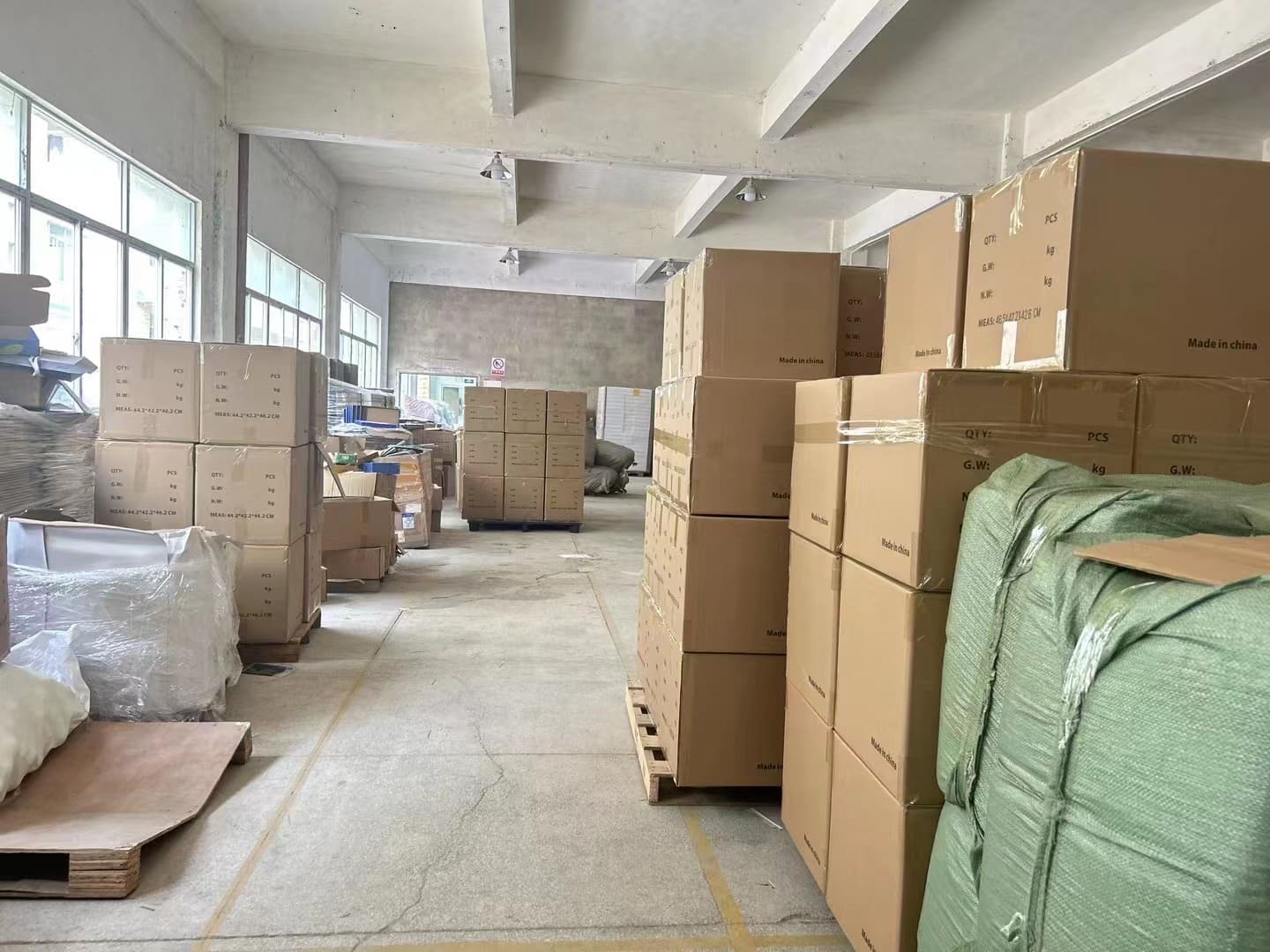
| 800+ pcs, want lowest cost per unit | Sea freight | Cost | Plan earlier; carton strength and packing method matter more |
| You don’t want to handle customs/tax paperwork | DDP to door | Simplicity | Compare total landed cost; confirm documents and carton marking |
| You already have your own forwarder | Buyer’s route | Flexibility | Align labeling/document format early to avoid delays |
People Also Ask
What is the best MOQ for pickleball paddle OEM in Southeast Asia?
- Best for a first run: 100–300 pcs per model with standard shape/size + simple
Cold-press vs thermoformed paddles: which sells better in Southeast Asia?
- Cold-press = volume (entry/beginners/clubs).
- Thermoformed = margin (upgrade feel/premium).
- Best is a 2-tier line: cold-press for sales, thermoformed for profit.
Can I start with 100–150 pcs with a custom box for Southeast Asia wholesale?
-
Usually not ideal,custom printed boxes often have higher MOQ and longer lead time.
-
Start with cover or bag, then upgrade boxes after the first batch.
Fabric texture Vs spray sanding: which lasts longer for spin and durability?
-
Fabric texture (cloth-matte) lasts longer and is more stable batch-to-batch
-
Spray sanding can bite more at first but durability depends heavily on process control
What affects EXW price most for a 2-tier product line?
- Main drivers: construction (thermoformed vs cold-press) → face material (fiberglass vs T700/Toray) → texture method → custom parts → packaging (box + insert)
A practical note
I don’t see a 2-tier line as a “strategy trick.” I see it as a realistic way for your new brand to survive and grow in Southeast Asia:
-
Use the entry model to stabilize volume and repeat orders
-
Use the thermoformed model to build margin and brand upgrade value
We’d rather move a little slower and lock consistency properly, than win the first order with a low price and lose the next three years to returns and complaints.

