Skip to content
Why OEM Pricing for Pickleball Paddles Feels So Confusing
If you ask five different “OEM pickleball paddle manufacturers” for a quote, you will probably receive five very different prices.
Some factories send a simple number with no explanation. Some send a long sheet with options you do not fully understand. A few are extremely cheap, almost too good to be true.
For overseas buyers, this raises very real questions:
-
What exactly am I paying for in each paddle?
-
Why is one factory more expensive than another if they all say “good quality”?
-
How much MOQ do I need to get a workable price?
-
Which low quotes are smart choices, and which are long-term traps for my brand?
This article is written from a factory perspective to answer those questions.
We will break down the typical OEM price structure for pickleball paddles made in China, explain how MOQ influences cost, and show you the most common pricing tricks and hidden costs to watch out for.
What Really Builds the OEM Price of a Pickleball Paddle in a Chinese Factory
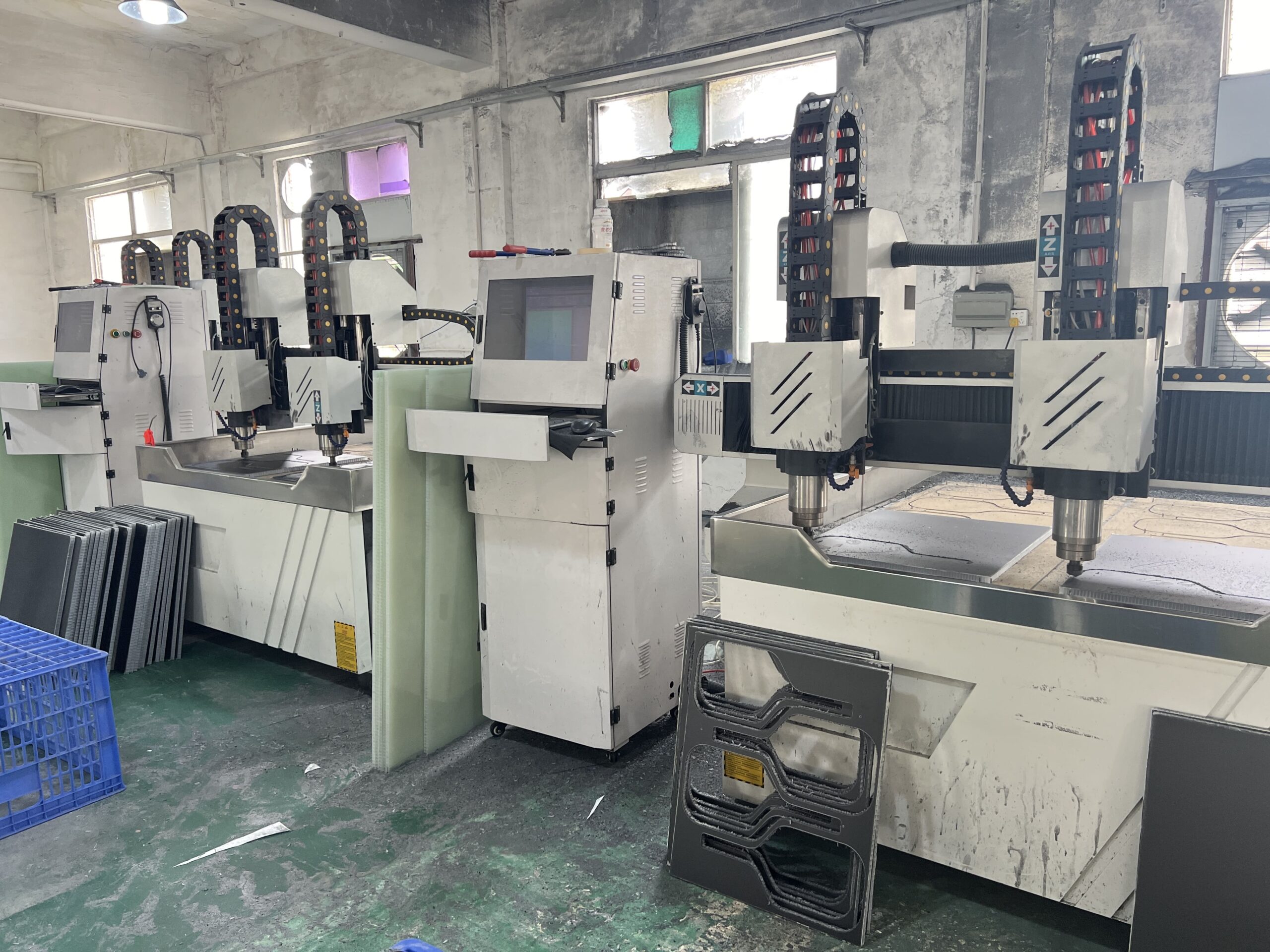
Behind every OEM quote, most factories are looking at a similar list of cost blocks.
The names may differ, but the main elements are usually:
-
Core material and structure
-
Face material (fiberglass, carbon, hybrids)
-
Construction type (cold-press, thermoformed with foam, full-foam core)
-
Labor and process complexity
-
Quality control and testing
-
Packaging and accessories
-
Overhead, R&D and margin
To make it easier to see the big picture, here is a quick overview table of the main cost blocks and their impact.
1 OEM Cost Structure Overview
| Cost Block | What It Includes | Impact on OEM Price | Risk If Cut Too Much |
|---|---|---|---|
| Core and Structure | PP honeycomb, PP + foam edge, EVA + EPP full-foam cores | Very high – defines performance and lifespan | Feel becomes inconsistent, more breakage and after-sales risk |
| Face Material | Fiberglass, raw carbon (e.g. T700), hybrid fabrics | Medium–high – affects control and spin | Marketing says “carbon” but performance does not match |
| Construction Type | Cold-press, thermoformed with foam edge, full-foam thermoform | High – changes process and tooling needs | “Thermoformed” in name only, real structure is downgraded |
| Labor and Complexity | Number of steps, operator skill, rework and scrap | Medium – varies by process | Higher defect rate, unstable quality between batches |
| QC and Testing | Elasticity tests, swing-weight tests, visual inspections | Medium – but long-term cost saver | More returns, more complaints, damaged brand reputation |
| Packaging and Accessories | Boxes, bags, covers, balls, FBA prep, palletising | Low–medium – adds up in full set offers | Hidden charges later, total landed cost becomes unclear |
Below we expand each cost block in more detail.
2 Core Material and Structure
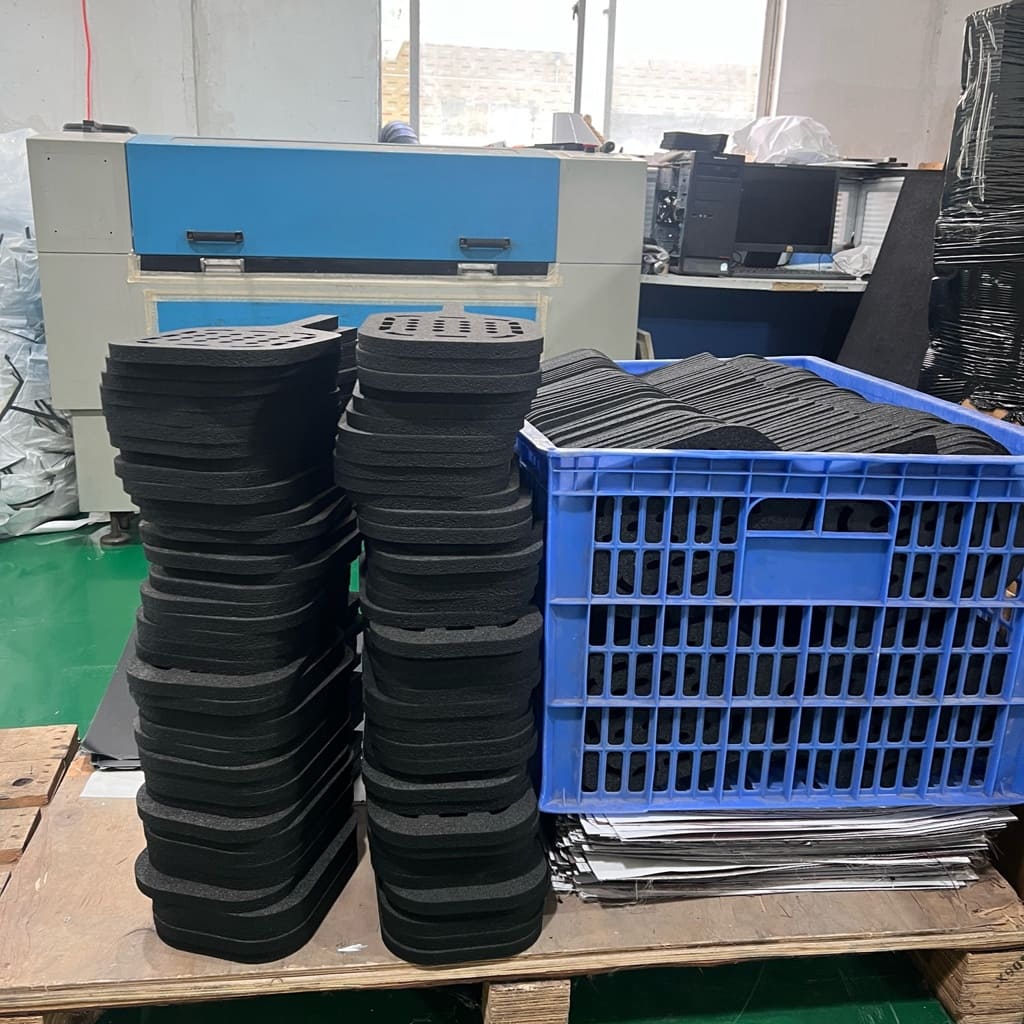
The core is one of the biggest cost drivers because it defines performance and long-term durability.
Common options are:
-
PP honeycomb core: standard choice for cold-press paddles, from entry to mid–high level
-
PP honeycomb with foam edge: often used in thermoformed paddles to enlarge sweet spot and stability
-
EVA + EPP hybrid foam core: full-foam structure used for high-bounce, high-comfort flagship paddles
Even inside “EVA + EPP”, cost can vary a lot.
High-density foam with lower expansion ratios (for example around 8x–10x expansion) is more expensive, but it supports better rebound, more stable performance and longer lifetime.
Very soft foam with high expansion ratios (such as around 15x–17x) is much cheaper, but can feel mushy, lose power faster and create more after-sales risk.
A serious OEM factory will usually explain which core is used and why.
A suspiciously low quote may mean:
-
The core has been downgraded
-
The foam density is much lower than you expected
3 Face Material: Fiberglass, Carbon and Kevlar etc
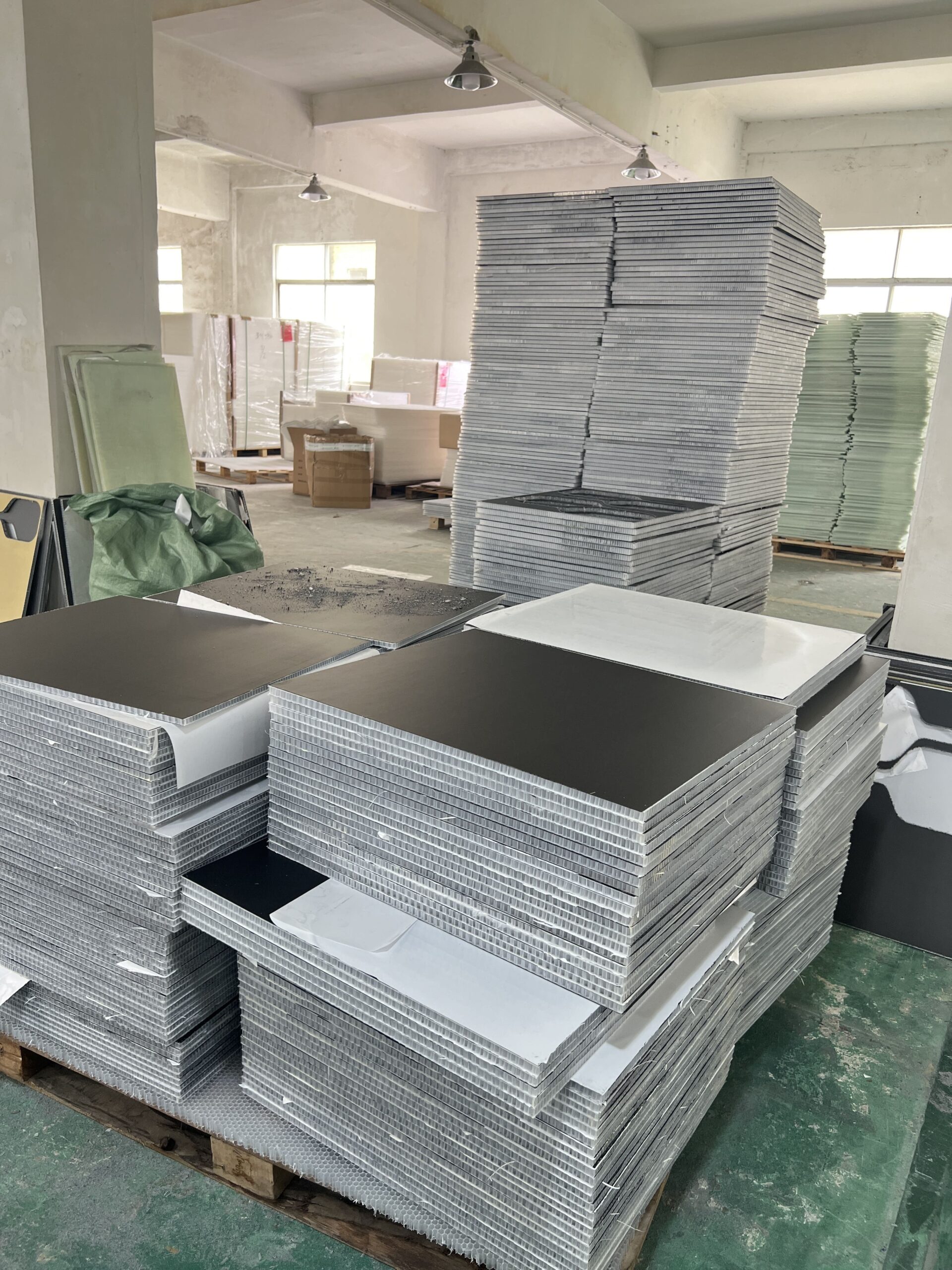
The paddle face is another visible cost block. Compared with fiberglass, true raw carbon fiber fabrics (such as T700) are more expensive but offer better control, spin and durability when used correctly.
Some low quotes are achieved by:
-
Using painted “carbon-style” graphics or carbon ink instead of real carbon fabric
-
Using very basic fiberglass while marketing the paddle as “advanced composite”
For brands that position themselves as performance or premium, this is a critical point to clarify in any OEM quote.
4 Construction Type: Cold-Press vs Thermoformed vs Full-Foam
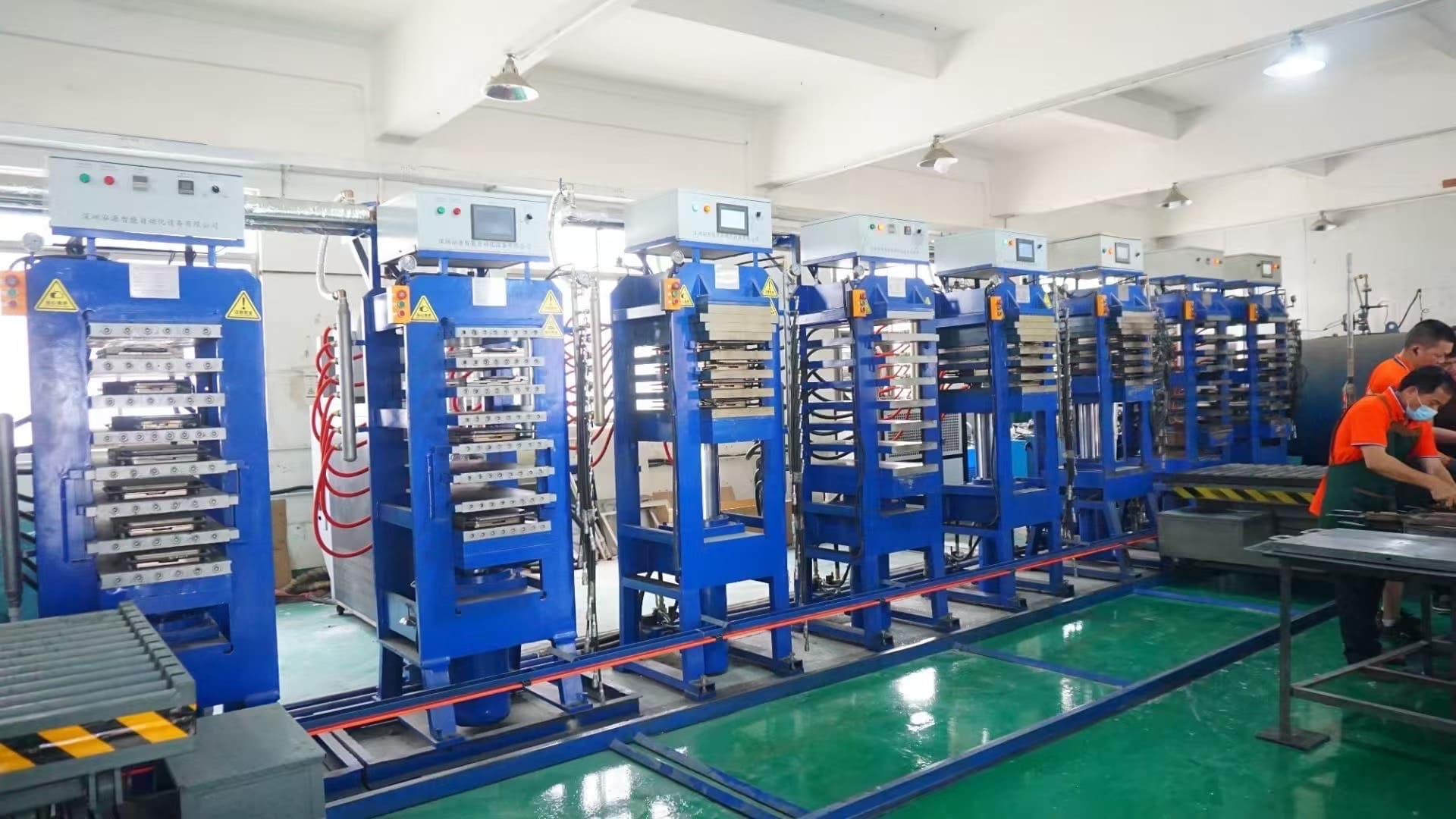
Cold-press paddles with PP honeycomb are suitable for entry and mid-range lines, schools, clubs and bundle sets.
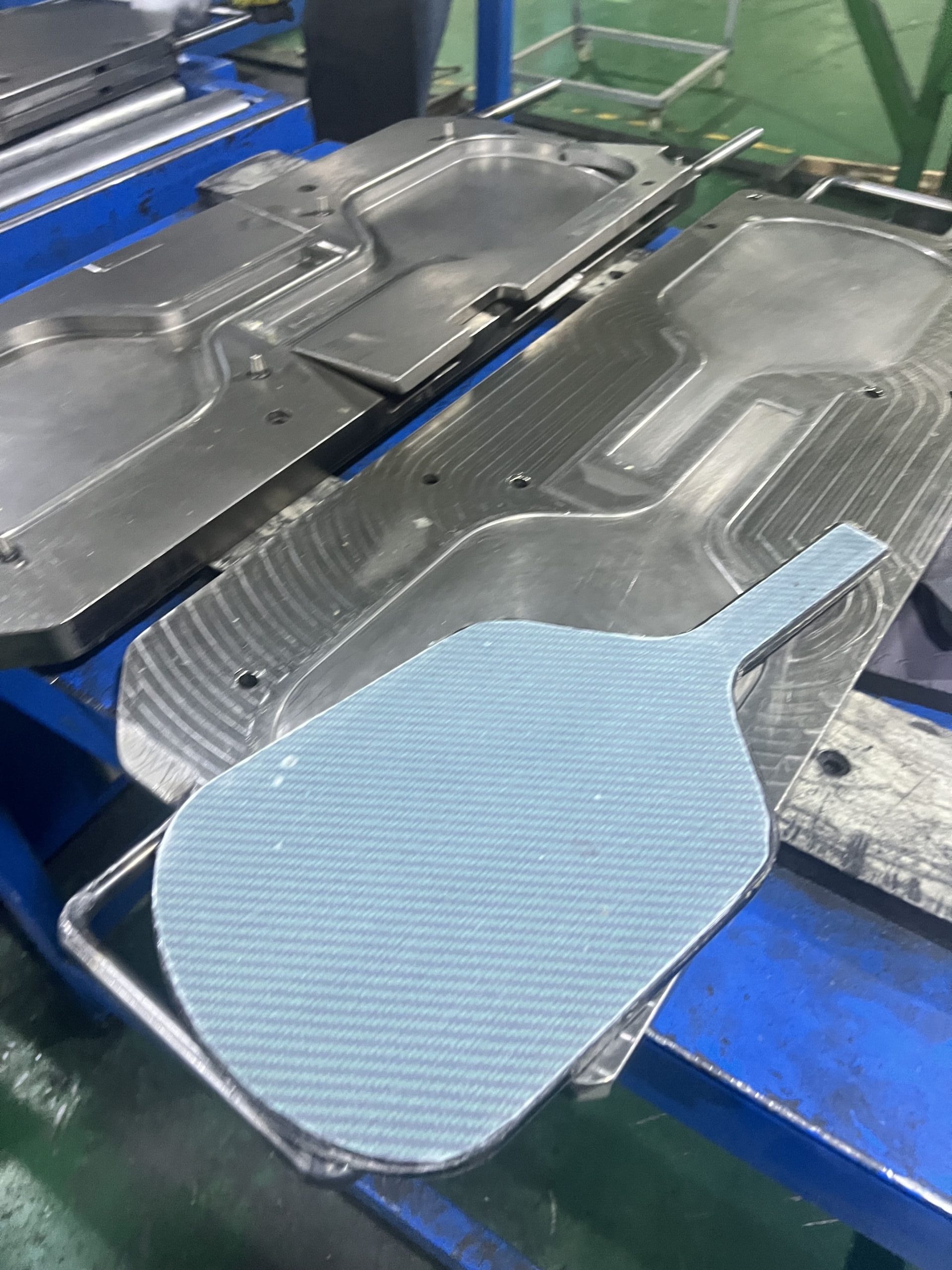
Thermoformed paddles with foam edge, or full-foam EVA + EPP cores, sit in a higher performance and higher price band because they require:
-
Higher temperature and pressure
-
More precise molds and tooling
-
Better control of foam and bonding
-
More time in pressing and cooling
A real price difference between cold-press and thermoformed paddles is normal.
If a supplier offers “thermoformed paddles” at prices that are very close to basic cold-press fiberglass paddles, you should check carefully what structure they are actually using
5 Labor, Process Complexity and Yield
A clean, stable process with reasonable yield costs more in the short term but saves money in the long term – for both the factory and your brand.
More complex structures (such as thermoformed foam-edge or full-foam paddles) require:
-
More steps and skilled operators
-
More rework and scrap in early stages
-
More testing to stabilise the process
When a quote is aggressively low, it usually means one of three things:
-
The factory is cutting corners in process steps or QC
-
The materials have been downgraded
-
The yield is unknown and later they may push the risk to you
6 Quality Control and Testing
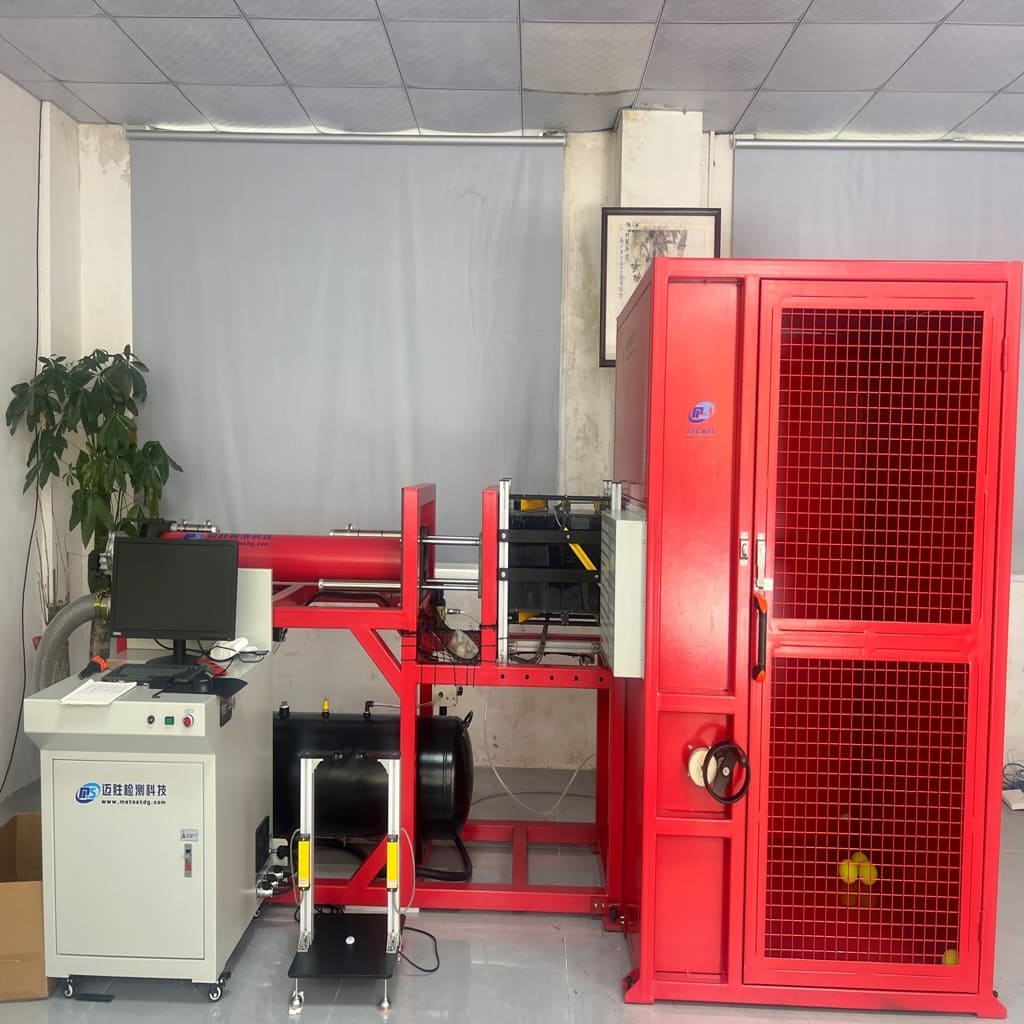
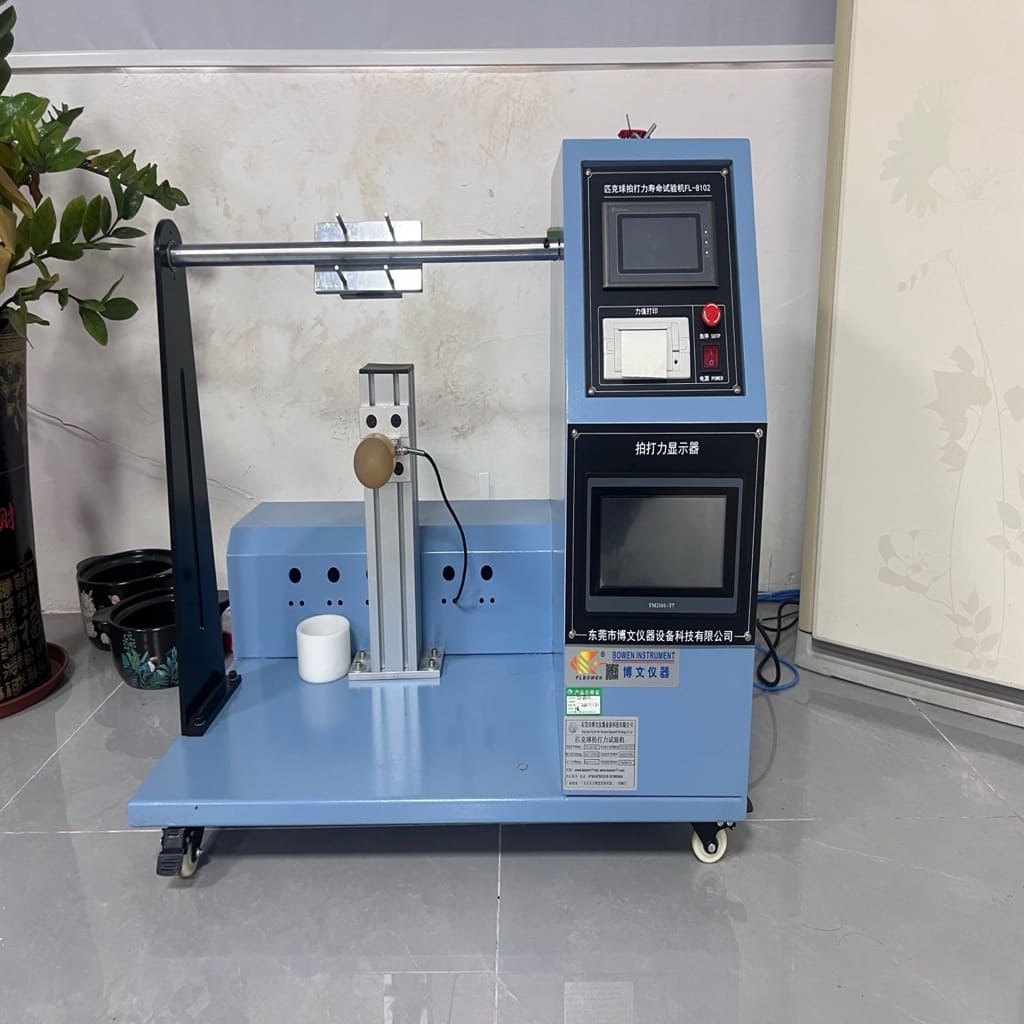
Not every Chinese factory invests in testing equipment such as:
- Elasticity and rebound testers
- Swing-weight and balance testers
- Durability and stress rigs
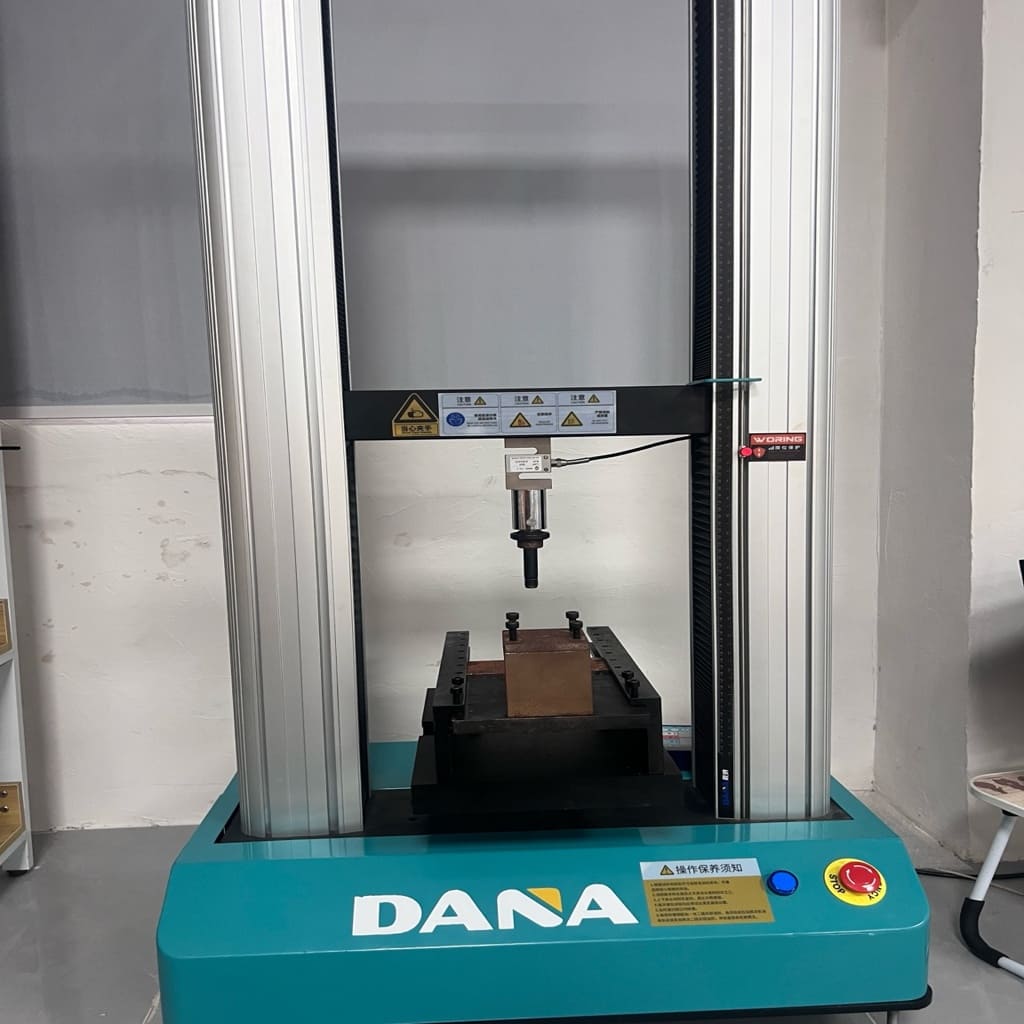
Factories that do invest will include these costs in their overhead and therefore in your price.
Factories that do not invest can offer lower prices, but you may pay later through:
-
Higher defect rates
-
More customer complaints
-
Shorter actual paddle lifespan
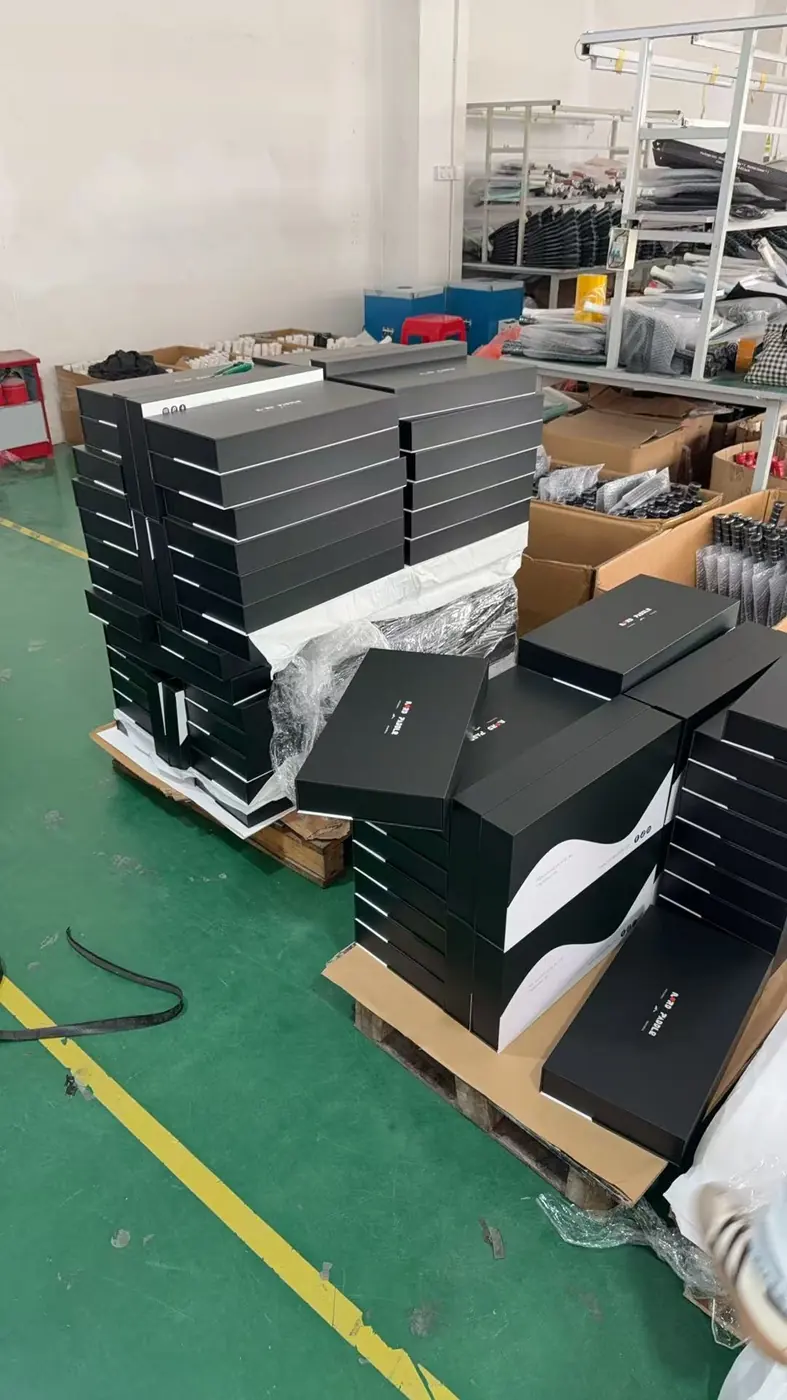
7 Packaging, Accessories and “Set Logic”
Many quotes look similar on the paddle itself but differ a lot once you add:
-
Custom boxes and color-printed cartons
-
Paddle covers or bags
-
Balls and full sets (2 paddles + 4 balls + bag)
-
Hangtags, inserts, barcode labels, FBA prep
Sometimes a “cheap paddle” quote hides higher costs in packaging and accessories.
Sometimes a higher paddle price includes value-added packaging that actually helps you sell at a better retail price
How MOQ and Volume Really Affect Your OEM Price
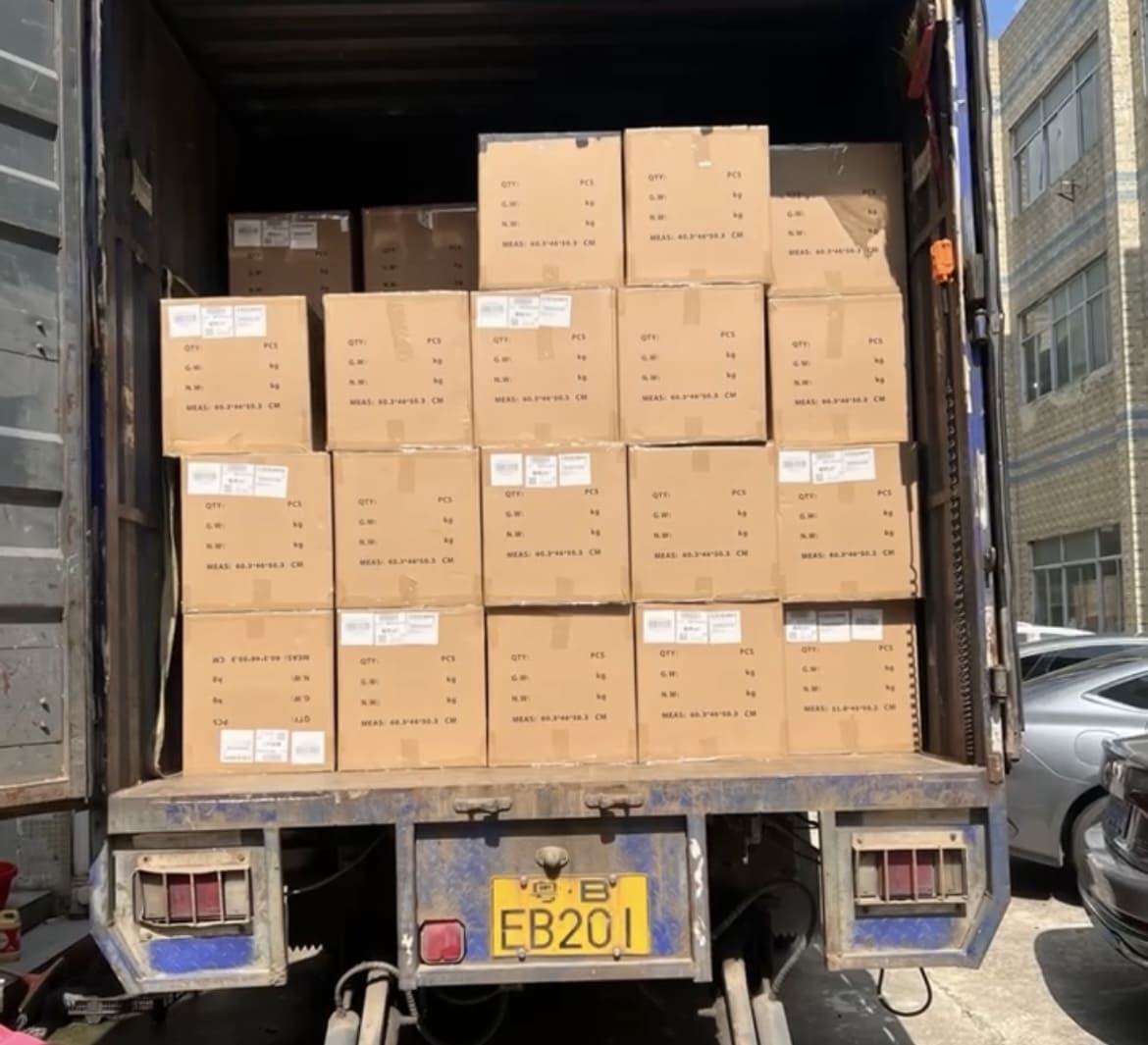
For OEM pickleball paddles in China, MOQ is not just a negotiation number – it is tied to real cost.
1 Why Factories Often Ask for 200 / 300 / 500 / 1000 Pieces
Typical reasons include:
-
Material purchasing: buying carbon, fiberglass, Kevlar, cores and foam is cheaper by batch
-
Setup cost: every mold setup, color change and printing plate has a fixed cost
-
QC and sampling: testing needs a minimum volume to make sense
This is why unit price at 100 pieces can look very different from 300 or 500 pieces, even if the paddle design is exactly the same.
2 How Sample Cost and Mold Fees Fit into the Picture
Serious OEM factories usually:
-
Charge a reasonable sample fee
-
Charge mold fees only when new molds or special edge guards are needed
If a factory gives you “free everything” at the beginning, they must earn this cost back somewhere later,either in higher unit prices, cheaper materials, or less attention to your project
I simply hope that every dollar you spend is truly worth it, and that it helps the long-term growth of your brand instead of hurting your reputation.
Even if it is just one dollar, it should create value. If it does not create value, then even getting products for free is meaningless.
Hidden Costs and Common Pricing Traps in OEM Quotes
Not every low price is dangerous, but truly healthy low prices are very rare.
Here are some of the most common traps we see in the pickleball paddle industry.
1 Downgraded Foam Density in EVA + EPP Cores
This is one of the easiest places to hide cost differences.
A quote might say “EVA + EPP core”, but:
-
High-density 8x–10x expansion foam costs significantly more
-
Very soft more than 17x expansion foam is much cheaper but leads to weaker support and faster fatigue
If you only look at the words “EVA + EPP core” on paper, you cannot see this difference.
2 Carbon-Look Surface Instead of True Raw Carbon
Some one reduce cost by using:
-
Printed carbon patterns
-
Carbon-style paint or ink
The paddle may look like raw carbon from a distance, but it does not have the same structure or performance
If the quote is for a “carbon paddle”, you should always confirm whether the face is real carbon fabric or only carbon-look printing.
3 Cold-Press Paddles Sold as “Thermoformed”
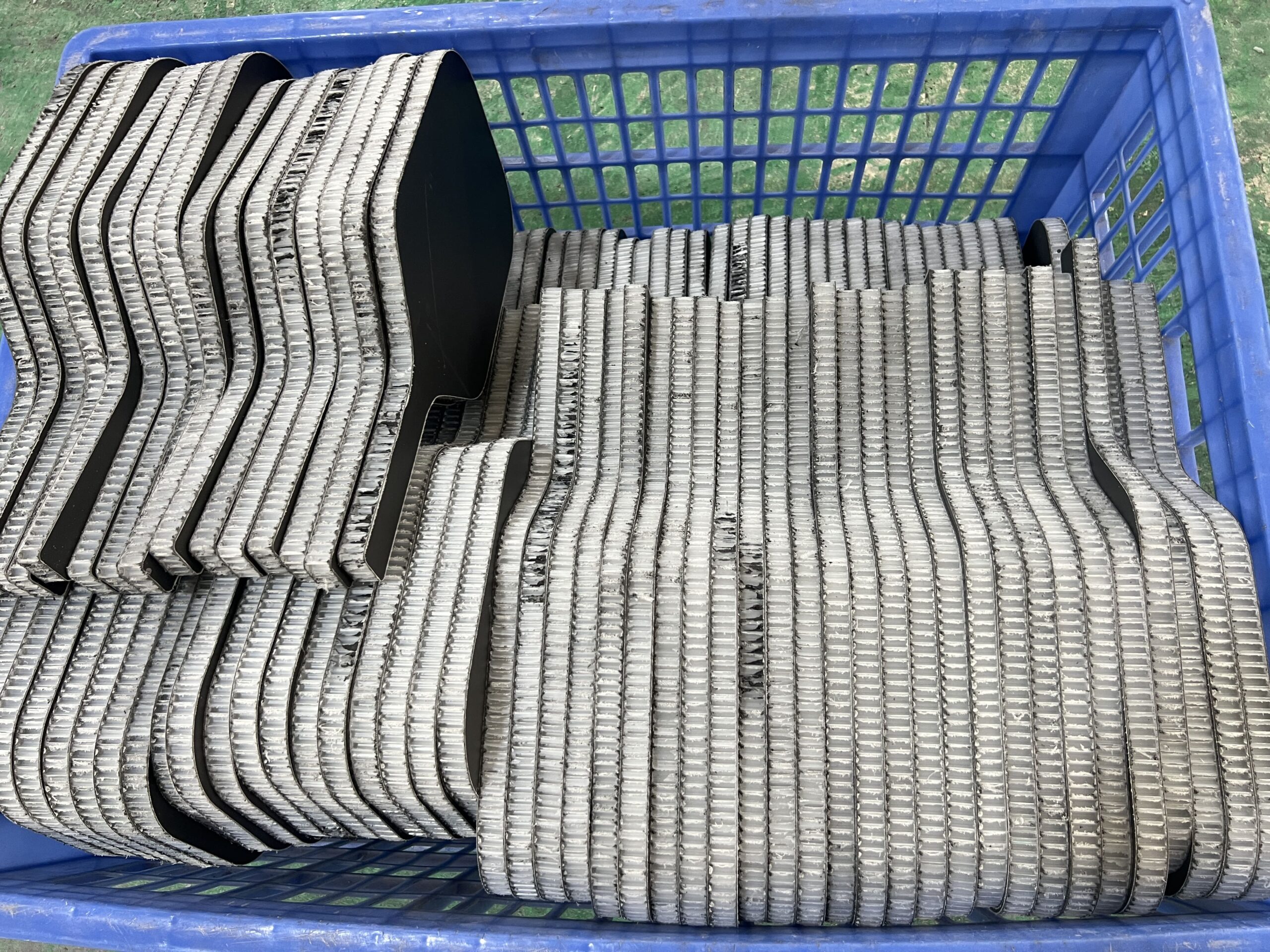
Real thermoformed paddles require specific equipment, molds and process control
Some suppliers use cold-press structures with small modifications and market them as “thermoformed” to justify a higher selling price – or to match the market buzzword.
If a “thermoformed” quote is not much higher than basic cold-press fiberglass paddles, and the factory cannot clearly explain their thermoforming process, you should investigate further.
4 No Clear QC or Testing, but Very Aggressive Price
Skipping testing and reducing QC manpower are painful but effective ways to cut cost in the short term. However, the result usually appears later as:
-
Weight inconsistency
-
Surface problems
-
Delamination or core issues under heavy use
5 Packaging, FBA Prep and Logistics Surprises
Sometimes the paddle price looks fair, but later you discover:
-
Custom packaging costs are much higher than expected
-
FBA labelling, carton marking and palletising are extra
-
Shipping terms and duties were not clearly discussed
A transparent factory will put these elements on the table early, so you can compare total landed cost instead of only ex-factory price.
Questions to Ask When Comparing OEM Quotes-Mini Checklist
When you receive multiple quotes from different OEM pickleball paddle manufacturers in China, you can start with these questions to understand what is really behind each number:
-
Which core structure are you using for this quote (PP honeycomb, PP + foam edge, or EVA + EPP full foam)?
-
For EVA + EPP cores, what kind of density / expansion range are you targeting (for example closer to high-density or very soft)?
-
For carbon models, is the face made of real carbon fabric (such as T700) or carbon-style paint / printing?
-
Is this paddle cold-press, thermoformed with foam edge, or full-foam thermoformed?
-
What basic tests do you normally perform (elasticity, swing-weight, visual QC, etc.), and how often?
-
What is the MOQ for this price level, and how does the unit price change at 200 / 300 / 500 / 1000 pieces?
-
Which items are not included in this quote (packaging, paddle covers, balls, FBA prep, palletising, etc.)?
-
How do you normally handle quality issues or complaints if they appear after shipment?
-
If I share my target retail price and player level, can you suggest 2–3 structures (core + face) that fit this budget?
Simple Pricing Scenarios – Entry, Hero and Flagship Lines
Every factory has its own exact numbers, and market conditions change over time.
Instead of giving fixed prices, it is more useful to understand the logic behind different product lines.
Scenario A – Entry / Traffic Line
-
Typical structure: PP honeycomb cold-press + fiberglass face
-
Target players: Beginners, schools, clubs, bundle sets
-
Key cost drivers: Core quality level, fiberglass grade, basic packaging, MOQ size
Scenario B – Main / Hero Line
-
Typical structure: PP honeycomb + foam edge, thermoformed with raw carbon face (such as T700)
-
Target players: Intermediate and improving players, performance-focused consumers
-
Key cost drivers: Thermoforming process, foam control, carbon fabric quality, more advanced QC
Scenario C – Flagship / Premium Line
-
Typical structure: High-density EVA + EPP full-foam core + raw carbon face, thermoformed construction
-
Target players: Advanced players, brand ambassadors, flagship product lines
-
Key cost drivers: High-density foam (lower expansion ratio), complex molds and tooling, strict testing and lower acceptable defect rates
For each scenario, the unit cost is driven not just by “materials”, but by:
-
How consistent you want the performance to be
-
How much after-sales risk you can accept
-
How strong you want your brand image to be in that price band
How iAcesport Handles OEM Pricing , and Why We Refuse “Too Low” Orders
At iAcesport, we run multiple dedicated pickleball paddle production lines in China, with a monthly capacity of over 150,000 paddles.
Our focus is on:
· Thermoformed paddles
· High-density EVA + EPP foam cores
· Stable PP honeycomb cold-press paddles for entry and volume lines
Because we work with brands that care about their long-term reputation, we follow a few simple principles on pricing:
· We explain where the cost comes from – core, face, structure, foam density, packaging and testing – instead of only sending a single number.
· We prefer to recommend different structures for different budget levels, instead of forcing one construction into every price band.
· We would rather refuse an order than make extremely low-quality paddles that will damage a brand in the market. Building a brand is very hard; destroying it can take only a few bad batches.
We do not compete on price. We compete on quality and long-term partnership.We always put quality first, and we are not interested in one-time business. We know how difficult it is to build a brand, so every paddle must be strictly controlled for quality.
If you are planning your next OEM project and you:
-
Have a target retail price
-
Have a rough idea of your player level and market
-
Are not sure which combination of core, face and structure fits your budget
You can share these details with us at, our team can help you:
-
Map your budget into 2–3 concrete structure options
-
Explain what you gain or lose with each option
-
Build a clear entry–hero–flagship ladder that fits your brand and price points