跳到内容
跳到内容 
A lot of buyers tell me they want a “fast paddle.”
But “fast” is one of those words that can mean totally different things:
- Some mean quick rebound and a crisp response.
- Some mean a stable sweet spot at high pace.
- Some mean fast play without harsh vibration.
So in this article, I’m not going to throw marketing words at you. I’ll do two simple things:
- Explain what “fast” really comes from (in feel and in structure).
- Give you a clear, practical way to choose the right core family for your brand.
What “Fast Play” Actually Means (In Real Customer Feel)
When customers say a paddle feels “fast,” it usually comes from three factors working together:
Faster rebound (the ball leaves cleanly)
This is that “touch → go” feeling. The paddle returns energy quickly instead of feeling slow or mushy.
Stable sweet spot (fast doesn’t mean shaky)
A paddle can feel “fast” for one hit, but if the sweet spot is unstable, it becomes error-prone in rallies.
Comfort / vibration control (fast play for a full match)
Fast paddles that feel harsh can create complaints quickly, especially for club players and repeat buyers.
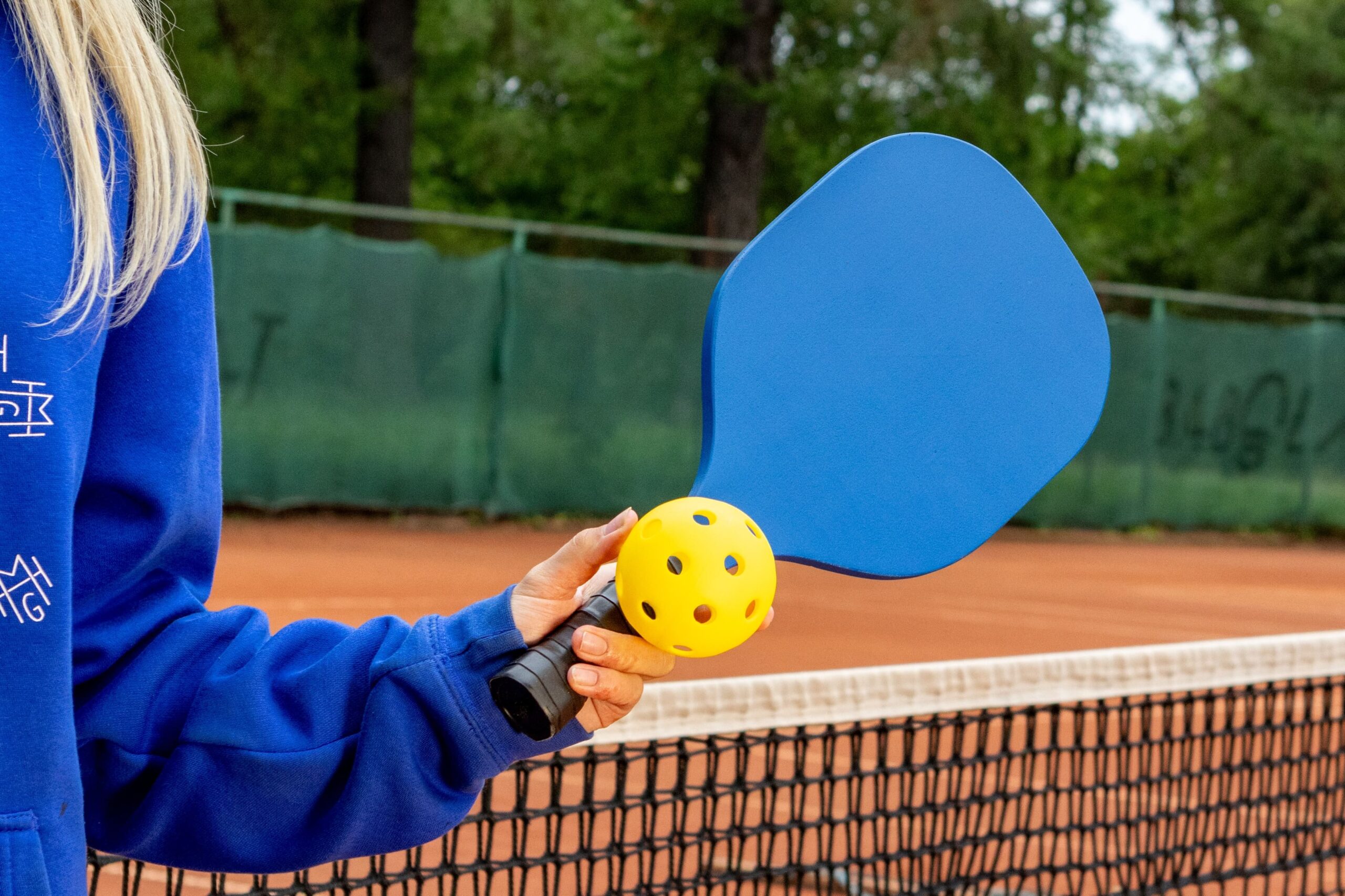
Core Families and How They Change “Fast” Feel
Below are the four most common core directions buyers compare when they want a faster paddle.
Gen 4 Core (JOOLA-style feel): Fast + Stable + Vibration-Friendly
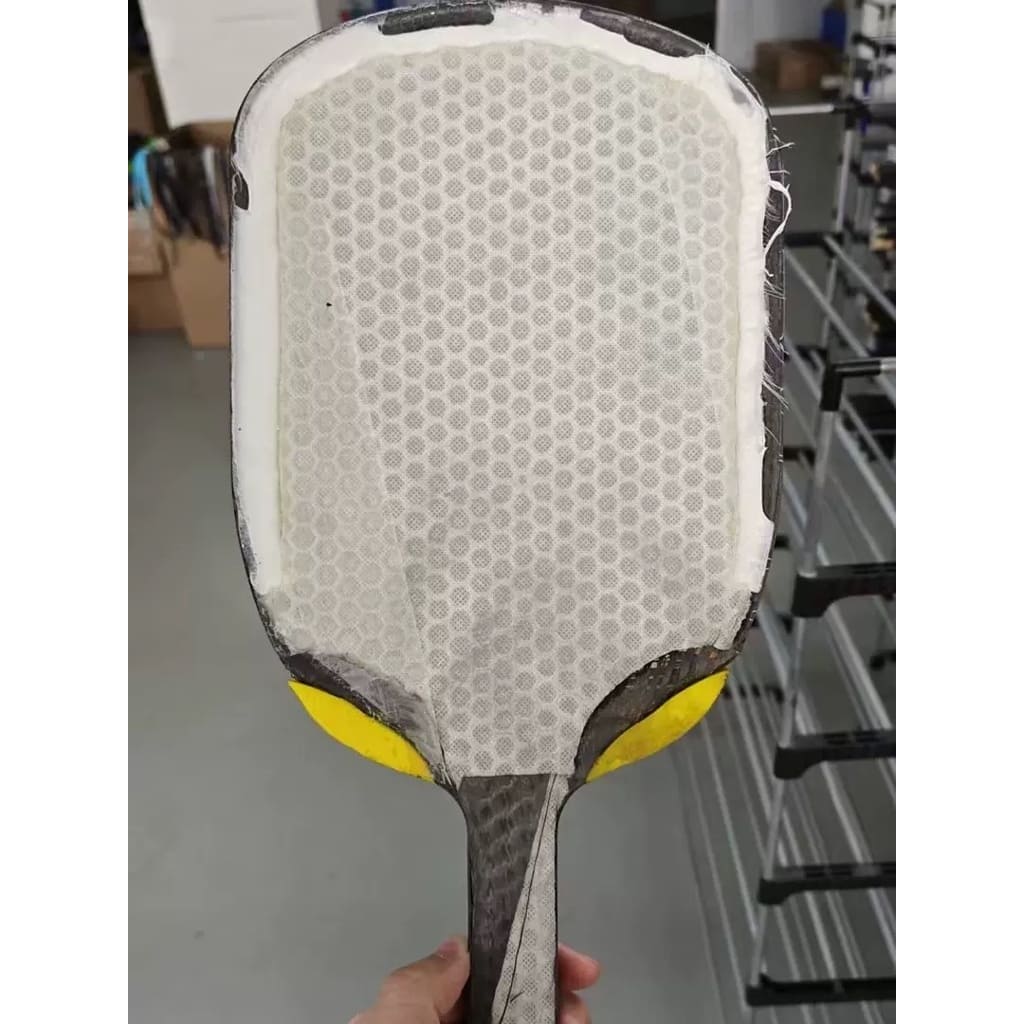
If a buyer tells me: “I want a faster, more premium feel, but I don’t want it to feel harsh,” Gen 4 core is often the cleanest answer.
Why it sells well as a “main profit model”:
- Fast, clean response without feeling uncontrollable
- More stable sweet spot in high-pace exchanges
- Better comfort when tuned correctly (less shocky than “hard-fast” paddles)
In our customer feedback, this style of construction can feel very similar to the JOOLA Gen 4 style experience: quick play, solid stability, and noticeably better vibration comfort.
Best for:
- Your main profit SKU / hero model
- Club-level and intermediate players who want speed with comfort
- Retail positioning where “premium feel” needs to be obvious immediately
EPP Foam Core: Comfort-First “Fast,” Not Crisp “Pop”
EPP foam cores usually win on comfort. Many players feel the difference right away: softer impact, less vibration, more forgiveness.
But “fast” here is usually a different type of fast:
- More cushioned response
- Often a slightly deeper / more muted sound
- Great for comfort and long sessions, less “crisp pop” feel
Best for:
- Comfort-first lines (training / control / elbow-friendly)
- Buyers who prioritize low vibration and easy play
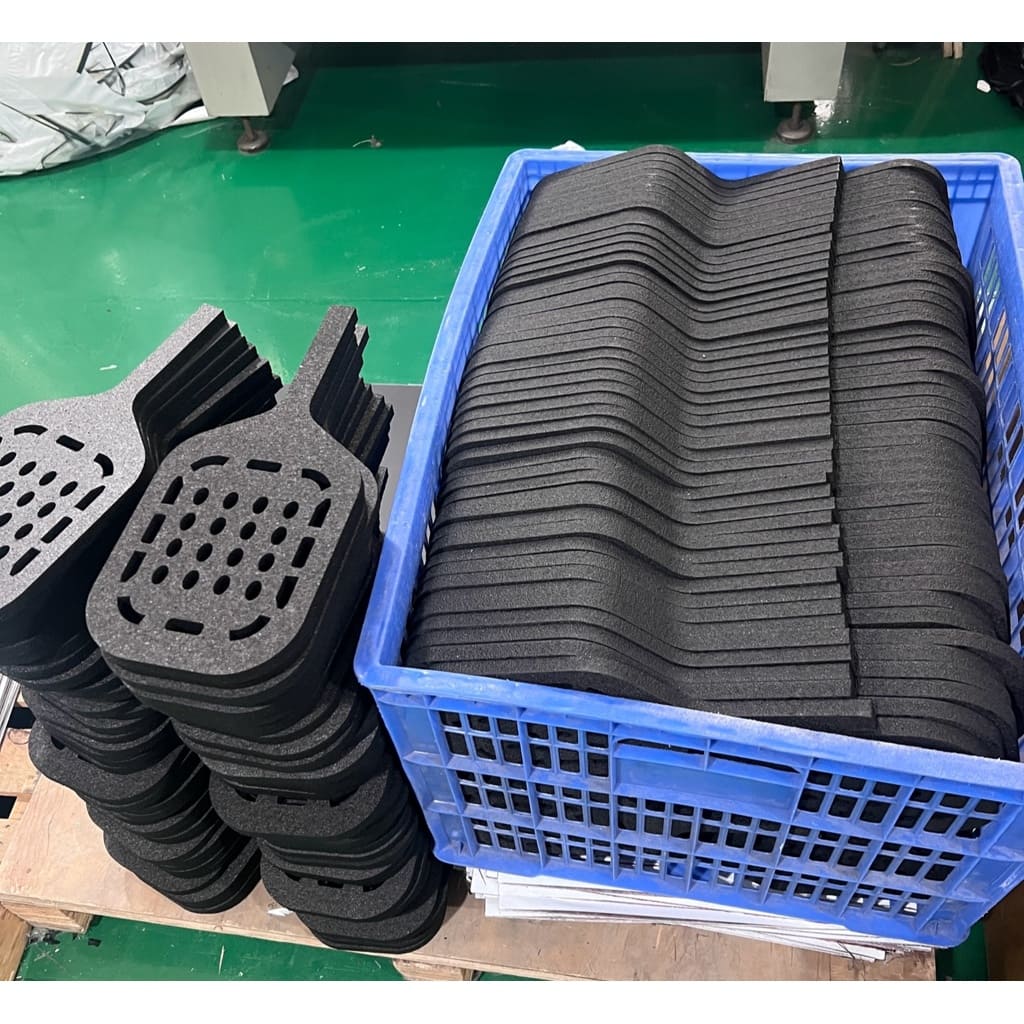
EVA + EPP Hybrid (Gen 5 / Boomstick-style): More “Alive” and Responsive
If Gen 4 feels “clean and sharp,” EVA + EPP often feels more “alive” and springy when tuned correctly.
Typical feel traits:
- More responsive rebound support
- Sound usually sits between EPP’s deeper “thump” and Gen 4’s crisper “pop”
- Premium players often love the liveliness
Important note:
We only use high-density foam systems (8x–10x expansion), because this is where rebound consistency and durability stay stable. Softer, higher-expansion foams can feel “soft bouncy” at first, but they carry higher risk in batch consistency and long-term durability.
Best for:
- Flagship SKUs / premium positioning
- Brands that want a noticeable “high-end feel” difference
- Players who want responsiveness without going too harsh
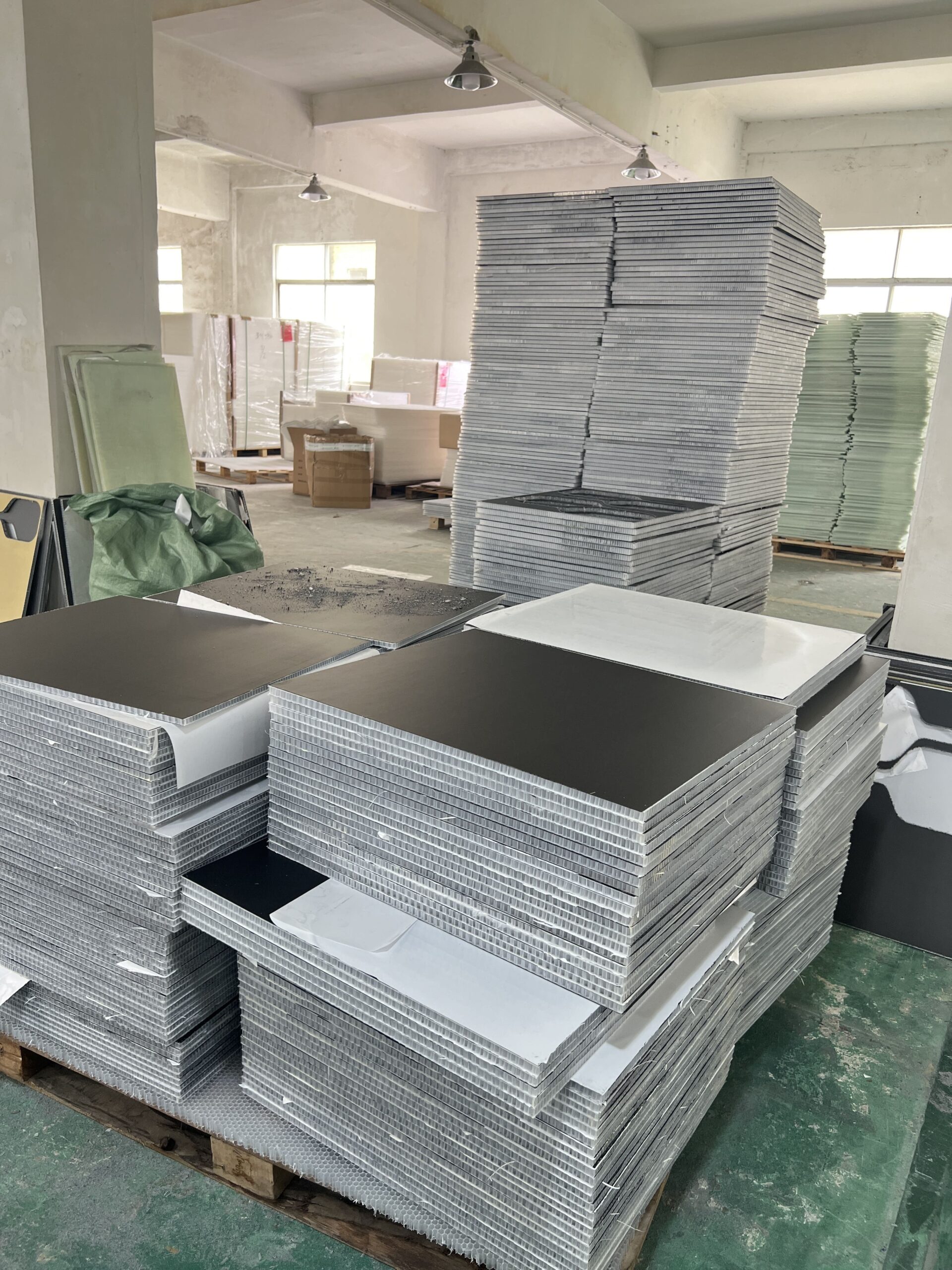
Standard PP Honeycomb (Cold-Press): Value-Fast, with a Clear Ceiling
Standard cold-press PP honeycomb is still the safest and most common market baseline. It can absolutely feel fast, especially with the right face and a good build.
But if you want “fast” to feel obviously premium, PP honeycomb alone often reaches a limit in:
- Sweet spot stability and edge support
- Vibration comfort
- Premium differentiation
Best for:
- Entry SKUs / volume drivers
- Schools, clubs, beginner-friendly lines
- Brands that need stable market acceptance first
Comparison Table: Which Core Feels “Fast” in Which Way?
| Core Family | “Fast” Feel Type | Sweet Spot Stability | Comfort / Vibration | Sound Tendency | Best SKU Role | Best For Customers |
|---|---|---|---|---|---|---|
| Standard PP Honeycomb (Cold-Press) | Value-fast, easy to understand | Medium | Medium | Crisp/clear | Entry / volume | Beginners, schools, club starter lines |
| Gen 4 Core (JOOLA-style) | Clean, sharp, stable fast | High | High | Crisp but controlled | Main profit / hero | Intermediate players, fast-paced club play |
| EPP Foam Core | Comfort-fast, cushioned | Medium–High | Very high | Deeper / muted | Comfort/control | Elbow-friendly, long sessions, training |
| EVA + EPP (Gen 5) | “Alive” fast, responsive premium | High (if density is right) | High | Between EPP and Gen 4 | Flagship / premium | Advanced players, premium retail |
The Quick Way to Choose (2–3 Product Combos That Work)
If you don’t want to overthink it, these combos are what I see working best for brands:
Combo 1: The most stable “new brand” line
- Entry volume: Standard PP honeycomb (or cold-press T700 upgrade)
- Profit model: Gen 4 core
Combo 2: Premium speed line (clear differentiation)
- Profit model: Gen 4 core
- Flagship: EVA + EPP (Gen 5, high density)
Combo 3: Comfort-speed focus (lower complaint risk)
- Comfort/control: EPP foam core
- Faster premium option: Gen 4 core
The 3 Most Common “Fast Paddle” Messages I See
I summarized the three most common customer phrases I see. Once you match the phrase, you’ll know what kind of “fast” you actually want:
Phrase 1: “I want it fast, but not too harsh on my hand.”
Translation: You want speed + comfort + vibration control.
In most cases, Gen 4 core is the first option. If comfort is the top priority, EPP or high-density EVA + EPP can also make sense.
Phrase 2: “I want that instant responsive feel.”
Translation: You want a more alive, springy fast response.
EVA + EPP (Gen 5) usually delivers this more clearly. Gen 4 is also fast, but tends to feel more clean and structured.
Phrase 3: “The sample is great, but I’m afraid mass production will feel different.”
Translation: You care about batch consistency, not buzzwords.
Core choice is step one. The real protection comes from consistency control: density system stability, process lock, weight range control, and sweet-spot stability across batches.
One “Hard but Accurate” Rule to Avoid Choosing the Wrong Direction
If you want one decision rule:
- If your buyers are mostly beginner / recreational / clubs / schools → start with 13mm or 16mm in a stable entry construction
- If you want a profit model with fast all-around feel → choose Gen 4 core
- If you want premium “alive” responsiveness → choose high-density EVA + EPP (Gen 5)
A Practical Note
I’ve always felt that “fast play” is not an exaggerated selling point. It’s more like a blade in your product line, use it correctly and customers feel you’re professional; use it wrong and returns and bad reviews arrive fast.
If you’re building a series, don’t rush to pack every configuration into your first launch. Just do one thing right first: define which “fast feel route” your customers want, then protect it with consistency. Brands that can hold consistency are the ones that earn the room to upgrade and price up later.