跳到内容
跳到内容 

Last week, I received a very high-intent inquiry. I love these messages, not because they ask for the “lowest price,” but because the buyer is thinking like a brand: how to launch fast, control risk, and avoid wasting money on preventable mistakes.
Mark’s request was clear:
- Private labeling under his brand
- A USAP-approved beginner paddle
- Use the Similarity Approval process (Rule 2.F.1) to reduce testing fees
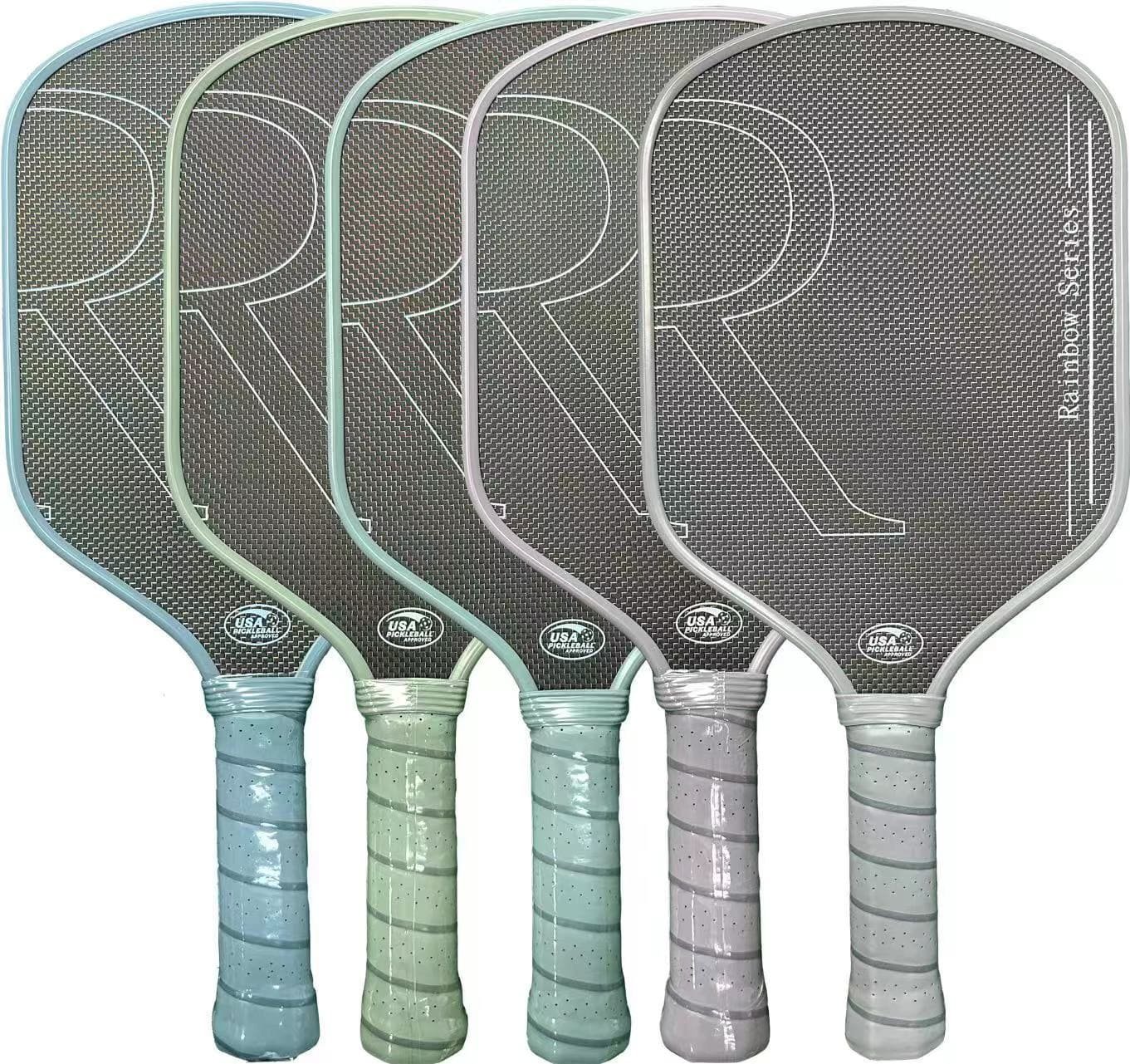
- Specs: 13–14mm, fiberglass face, cold-pressed, standard or widebody, custom graphics
- One key question: Do you have a Parent Model registered in the USAPA system?
That question is smart, and it’s also where many brands get burned. I’ve seen projects where the sample, artwork, and packaging were already moving forward… and then the team realized the 2.F.1 prerequisites were never confirmed. Timeline slips, budget changes, and the launch plan gets messy.
So I’m writing this as a practical screening checklist, the exact way I’d verify a supplier before I let a brand bet its launch on “Similarity Approval.”
Who this guide is for
This is for you if:
- You’re building a US-focused paddle line via OEM/Private Label
- You want to launch faster and reduce avoidable certification costs
- You’re targeting beginner / volume SKUs but want fewer return headaches
- You want clear, buyer-friendly answers, not confusing certification talk
First, what is USAP Similarity Approval (Rule 2.F.1)?
Think of Similarity Approval (2.F.1) as a “similarity pathway.” If your new model matches a previously approved model (often called the Parent Model) in key structural/spec areas, USAPA may allow a similarity-based process rather than treating it as a fully new model from scratch.
Two important boundaries:
- It is not a “free pass,” and it is not “approved because a factory says so.” Final acceptance is still based on USAPA’s rules and judgment.
- Buyers use it for two reasons: reduce repeat costs and shorten the launch timeline.
Who actually does USAP approval, and what can a factory do?
This is where many buyers get confused.
- USAP approval/listing is typically submitted under the brand/model owner’s name. The brand is the one who submits, ships test paddles, pays fees, and ends up on the Approved List (or not).
- What a factory can do is manufacturing + support: build to a USAP-aligned specification, control process variables, lock versions, and reduce the risk of “sample feels great, mass production drifts.”
One sentence summary: the brand submits approval; the factory makes the product consistently manufacturable to meet the intended standard. Samples matter, but batch consistency matters more.
The biggest trap: “We think it’s similar” vs “It’s actually similar”
Many suppliers talk about “similarity” casually. But similarity under 2.F.1 is not “it looks similar.” It’s structural and spec-level similarity.
You are not trying to make “one paddle that feels like the sample.” You are trying to make “every batch feel like the sample.”
The 3 questions I make buyers confirm first
1) Does a Parent Model exist, is it valid, and who owns it?
This is the step many teams skip. “A similar paddle exists on the market” is not the same as “you can use it as a Parent Model.”
Confirm:
- A relevant Parent Model exists and is currently valid
- Who the listing/model owner is
- Whether your planned similarity approach fits the rules
2) Is your “similar” only cosmetic, or truly structural?
Using Mark’s target spec (13–14mm, fiberglass, cold-press, standard/widebody), I would check:
- Thickness consistency (13 vs 14 changes feel, and it’s not a small detail)
- Core structure consistency (PP honeycomb spec, adhesive system, press variables)
- Face structure consistency (fiberglass layup, resin system, surface handling)
- Edge construction consistency (edge guard vs edgeless, reinforcement method)
- Texture/process consistency (often overlooked, but risky later)
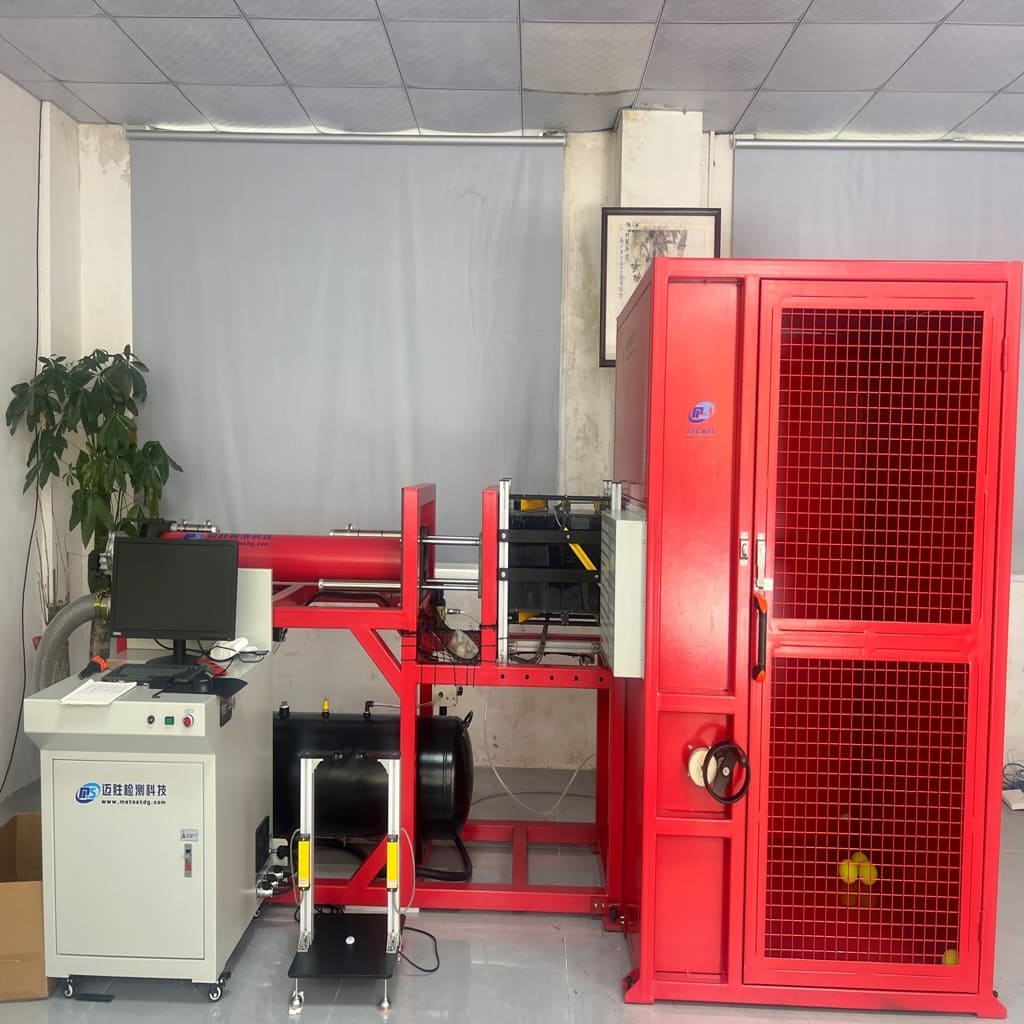
3) Can the factory lock mass-production consistency? (this matters more than samples)
Here’s the tough truth: samples don’t protect a brand, batch consistency does.
Most “compliance headaches” show up when:
- Batch A feels lively, batch B feels dead
- One batch is head-heavy, the next is not
- Surface wear behaves differently across batches
- Customers start posting “these don’t feel the same” reviews
That’s how “saving testing fees” turns into “paying return and reputation costs.”

Why Mark’s beginner spec is a smart, sellable, stable starting point
Mark’s combination is exactly the kind of “easy-to-explain, low-complaint-risk” build I often recommend for starter SKUs:
- 13–14mm thickness: beginner-friendly, easier to keep stable
- Fiberglass face: forgiving feel and joint-friendly comfort, lower complaint risk
- Cold-pressed structure: mature, stable, and consistent for volume builds
- Standard/widebody: easier sweet spot, easier customer acceptance
- Custom graphics: totally fine, just freeze the final version before you move forward
What can change vs what should not change (if you want to preserve similarity logic)
Generally safer (still confirm rules and final version lock):
- Branding, logo, graphics (as long as the final artwork version is frozen)
High-risk changes (often break similarity conditions):
- Thickness changes
- Core spec/process changes (honeycomb parameters, adhesive system, press variables)
- Face layup/resin changes
- Texture method or surface process changes
- Edge construction changes (edge guard vs edgeless, reinforcement method)
The sentence I’m always cautious about is: “It’s only a small tweak.” Many problems start there.
People Also ask
Do I need USAPA approval to sell paddles?
Not always. But if your buyers care about tournament legality, club trust, or retail confidence, “Approved List” status is a strong trust signal. The safest approach is to keep marketing claims aligned with real listing status.
Will Similarity Approval (2.F.1) definitely save money?
It can reduce repeat costs, but only if the prerequisites truly fit. Confirm Parent Model validity, lock the “cannot change” specs, and make sure the factory can control batch consistency.
Is a beginner paddle like Mark’s (fiberglass + cold-press + 13–14mm) a good seller?
Yes, it’s a strong volume SKU with lower complaint risk. The real question is whether the supplier can deliver consistent feel across batches.
Can iAcesport produce paddles designed to meet USAPA standards?
Yes. We can manufacture paddles designed to meet USAP equipment standards and support brands through sampling, version control, and spec stability.
A practical note
I’m not worried when a buyer asks, “Can we save testing fees?” I worry when a brand saves money up front, but pays for it later with delays, returns, and reputation damage.
If your project is similar to Mark’s (a beginner private-label launch), don’t start by chasing the lowest quote. Start by locking thickness, shape, structure, artwork version control, and mass-production consistency.
When that foundation is stable, your first batch launches smoother, your second batch is easier, and your brand is far less likely to get hurt by one or two bad shipments.