跳到内容
跳到内容 
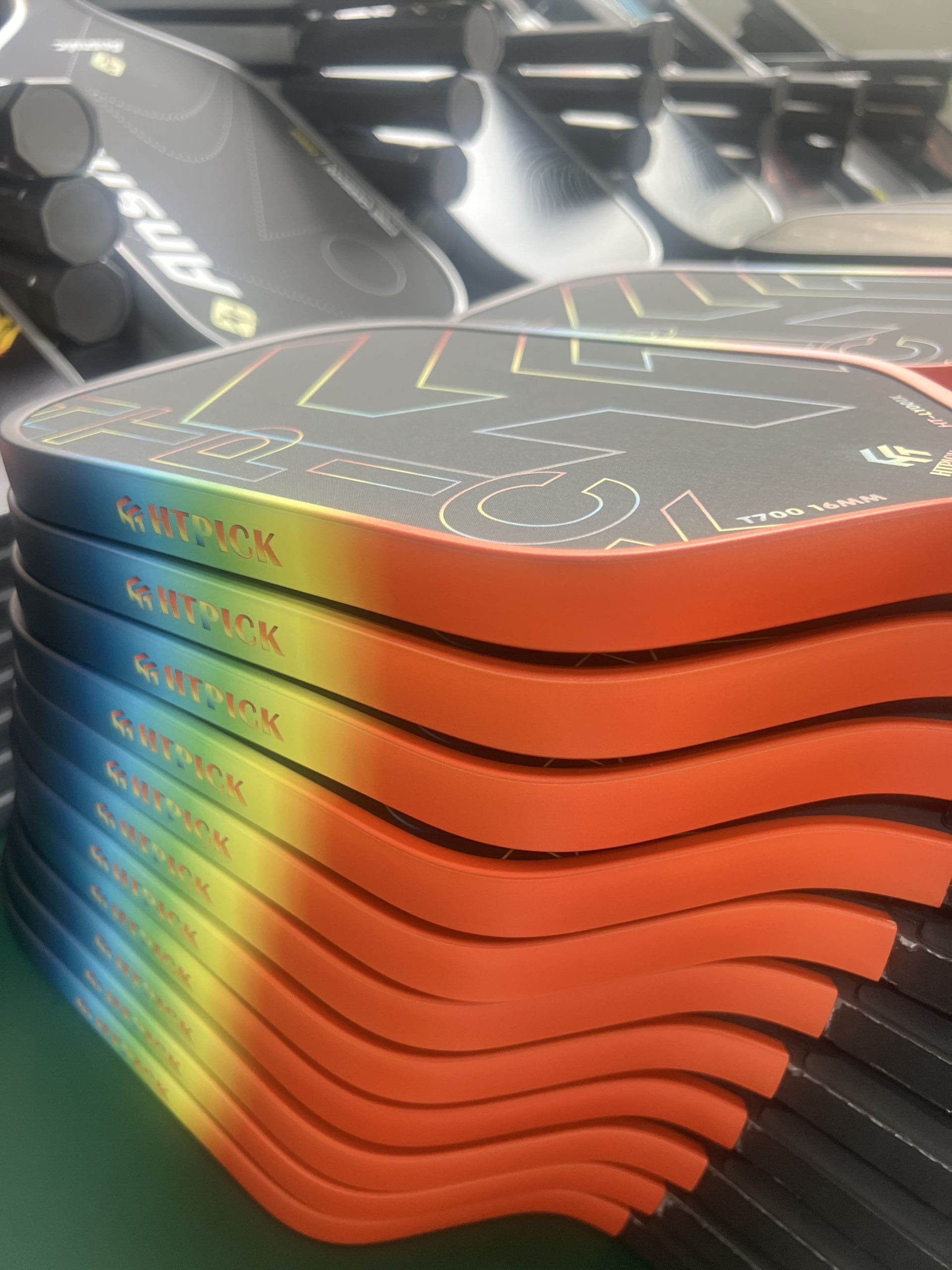
Texture doesn’t fail because it isn’t “rough enough.” It fails when the process version isn’t locked and mass production isn’t checked against the same acceptance standard as the sample. Spray sanding fits large solid-color graphics but needs tighter process control; cloth-matte fits clean premium designs and is usually more stable. To cut complaints, you need to choose the right method first
Buyer Quick Checklist (Ask These Before You Commit)
-
What texture method are you using? → Ask them to state clearly: spray sanding or cloth-matte (not “same as sample”)
-
Do you have a “process version”? → Ask if grit/parameters/sequence can change after sample approval; changes must be written-approved.
-
How do you keep batch consistency? → Ask what they check at IQC / in-process / final (they should name checkpoints).
-
How do you handle roughness variation? → Ask if they keep golden references and run batch comparisons.
-
Which method matches my design? → Ask them to advise based on coverage (large solid backgrounds vs clean minimal graphics).
-
How do you verify durability? → Even if it’s internal, they should describe a clear method and criteria.
-
Do you do a pre-production reconfirmation? → Ask if they do a “process lock reconfirmation” with photos/video/sample pieces.
-
If complaints happen, what’s your handling flow? → Ask for response time + options (replace/discount/rework), not vague promises.
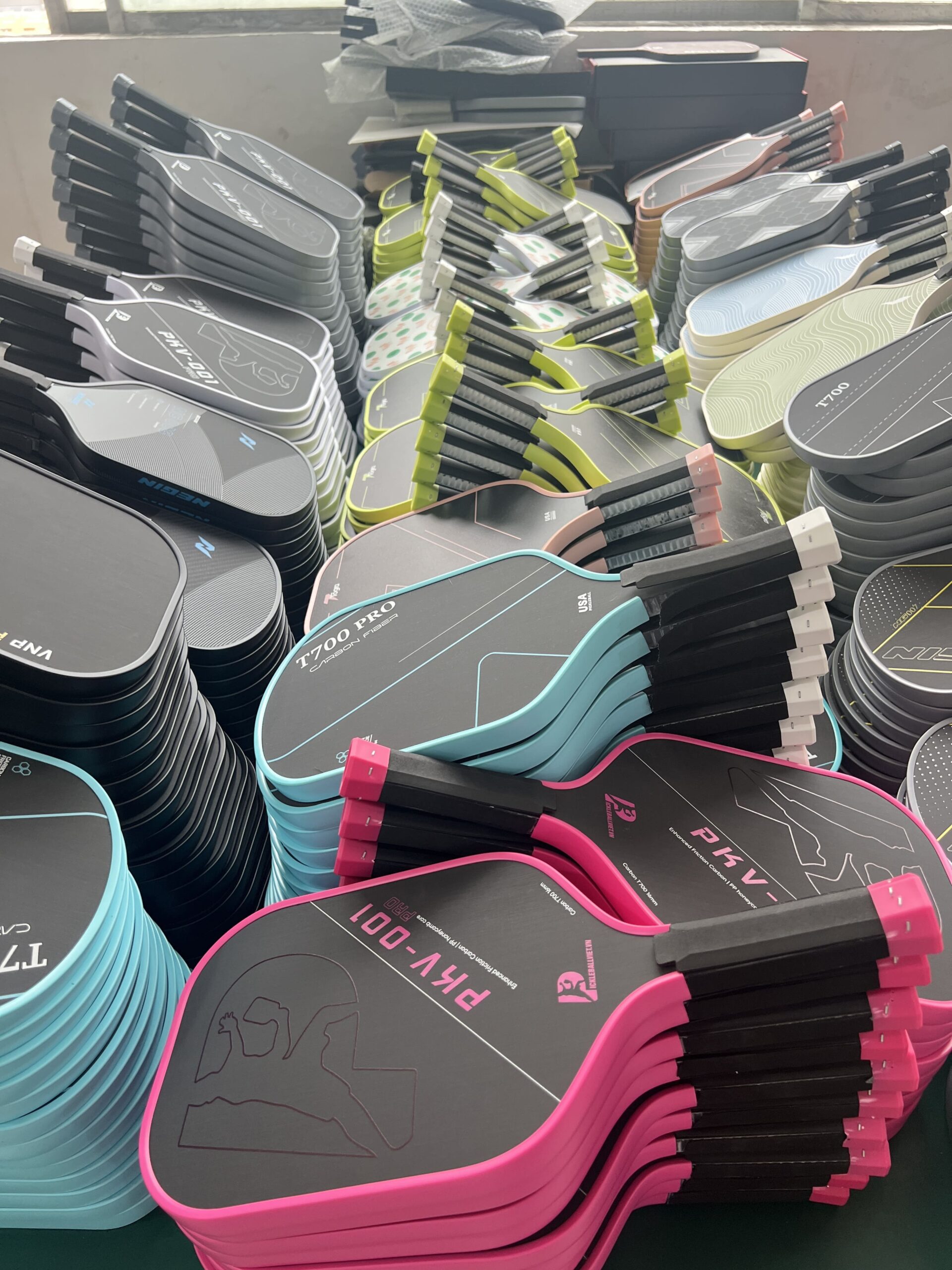
Why Texture Wears Off
- Sample vs mass production uses different parameters (most common).
- Graphic coverage changes wear behavior (large solid-color coverage is the classic case).
- Process drift: grit choice, spray/cure timing, surface-prep sequence shifts slightly.
- No shared acceptance standard: no golden sample, no batch records → disputes become “he said/she said.”
- Channel amplification: e-commerce reviews punish “gets slippery fast,” retail punishes “same SKU feels different.”
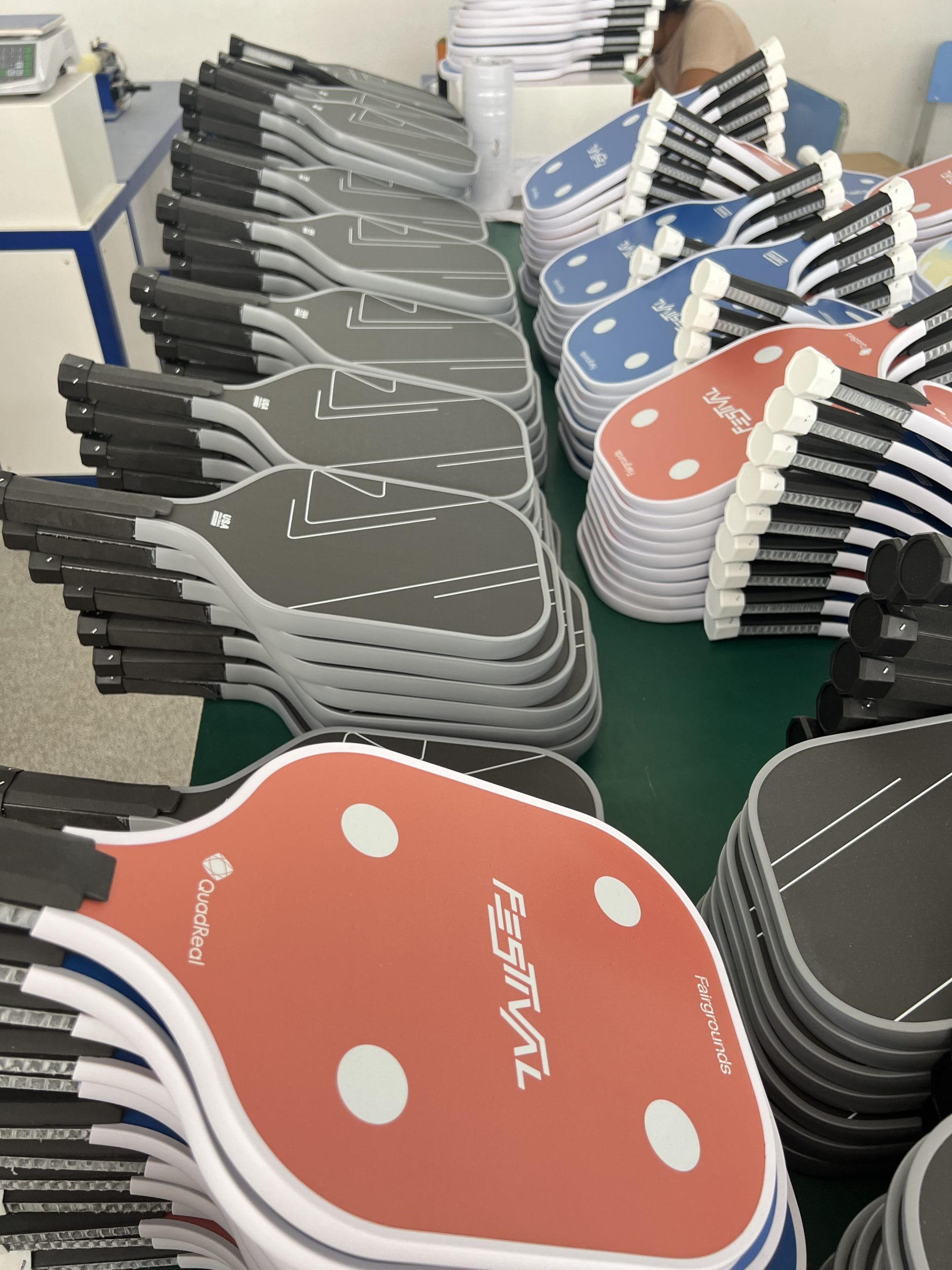
How to choose Spray Sanding vs Cloth-Matte?
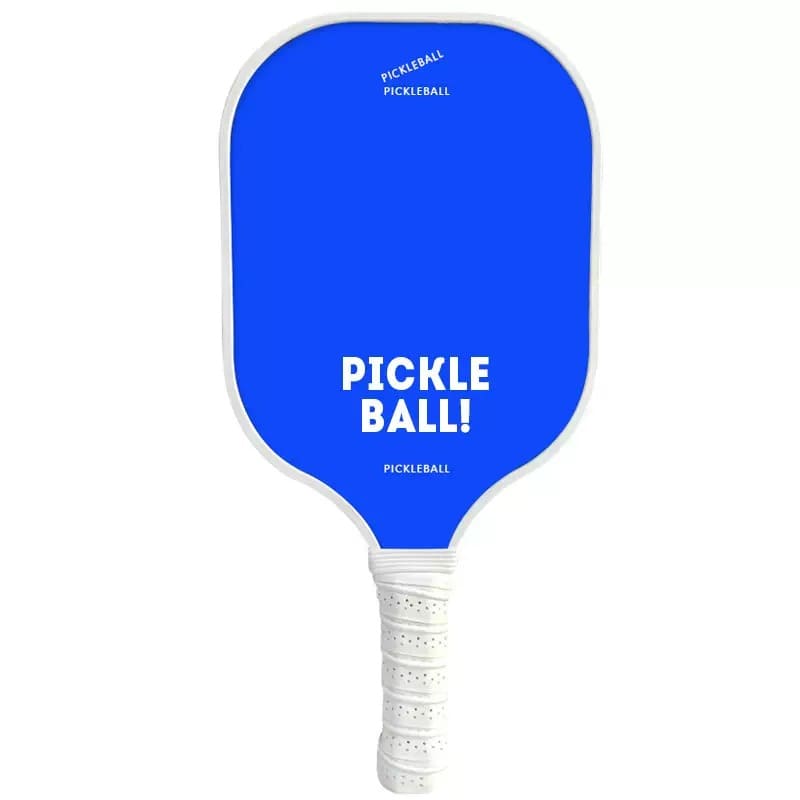
Spray Sanding:Best for Large Solid-Color / Heavy-Graphic Coverage
What you get
- More visually uniform look for big solid backgrounds and graphic-heavy designs
- Widely usable, easier to apply across many artwork styles
Reality you must accept
- Durability depends heavily on process control + version lock
- If the “version” isn’t locked, you can get: sample feels great → production feels smoother / inconsistent
Material fit
- Spray sanding is best for: T300, T700
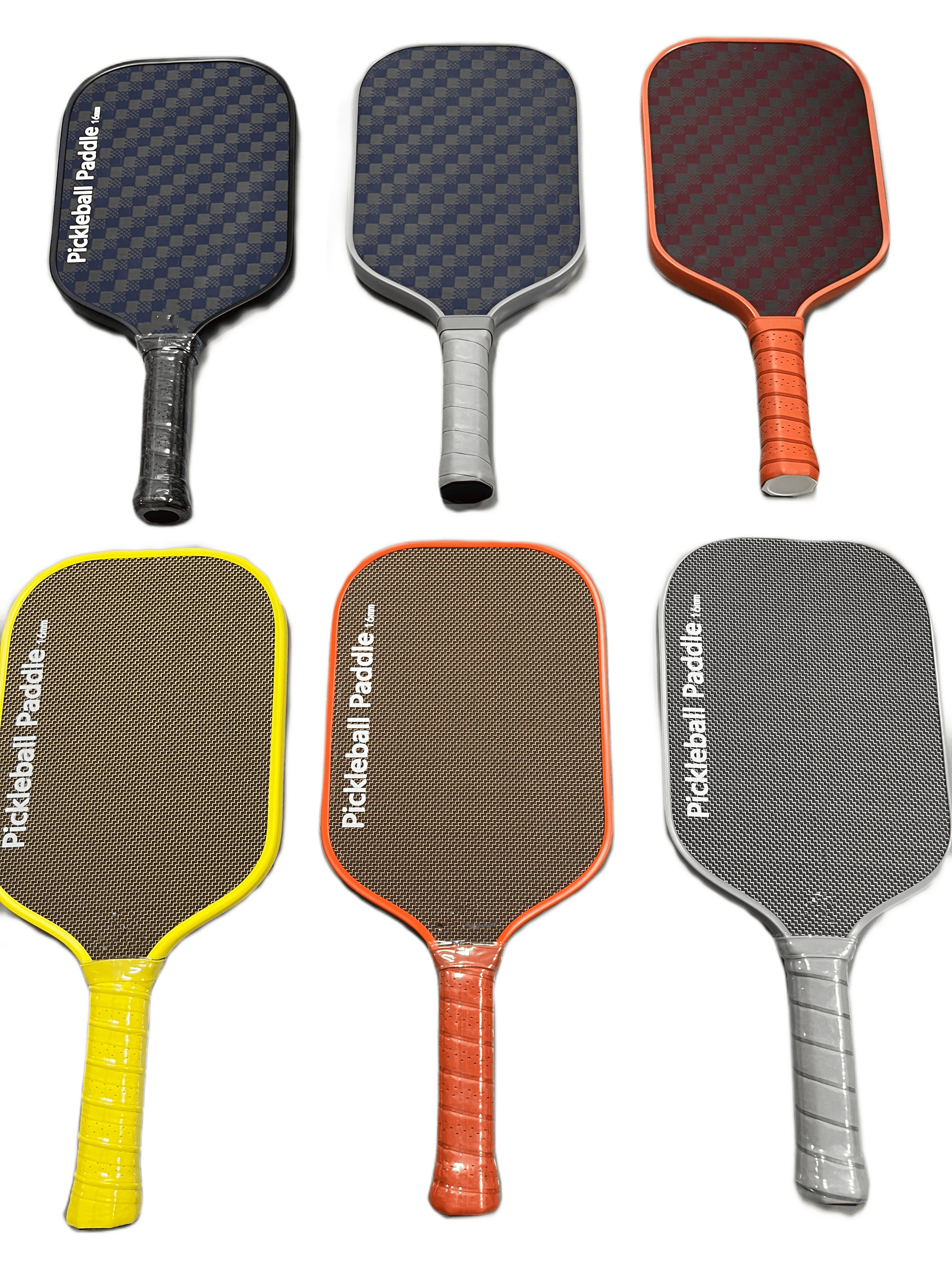
Cloth-Matte: Best for Clean Premium Design + More Stable Durability
What you get
-
Typically more stable feel and stronger durability
-
Easier to build a premium look with longer-lasting texture character
Watch-outs
- The cleaner the design, the better it looks
- Large solid-color graphics can cover the material texture and reduce “premium” appearance
Material fit
-
Cloth-matte is strongly recommended for: T700
-
Textured/fabric-visual materials are best with cloth-matte: Kevlar, 3K, 12K, 18K, Titanium
- Because spray sanding + large colored designs can cover the natural weave/texture, so you pay for premium material but lose the premium look
Design Rules (Avoid Paying for the Wrong “Premium”)
-
Large solid-color + heavy coverage → Choose spray sanding (more uniform visuals)
-
Clean / minimal graphics → lean cloth-matte (more durable + more premium)
-
If you want a premium SKU: spend on durable feel + stable batches, not “more colors.”
Common Mistakes
-
Asking “make it rougher” but not locking the process version → sample is great, production gets slippery.
-
Heavy artwork coverage hides premium weave → the paddle looks like basic coating.
-
Treating spray sanding as “automatic premium” → durability complaints show up later.
-
Packaging/transport layer not matched → abrasion or pressure marks get blamed as “texture wearing off.”
How We Reduce Risk (Process, Checks, Proof)
-
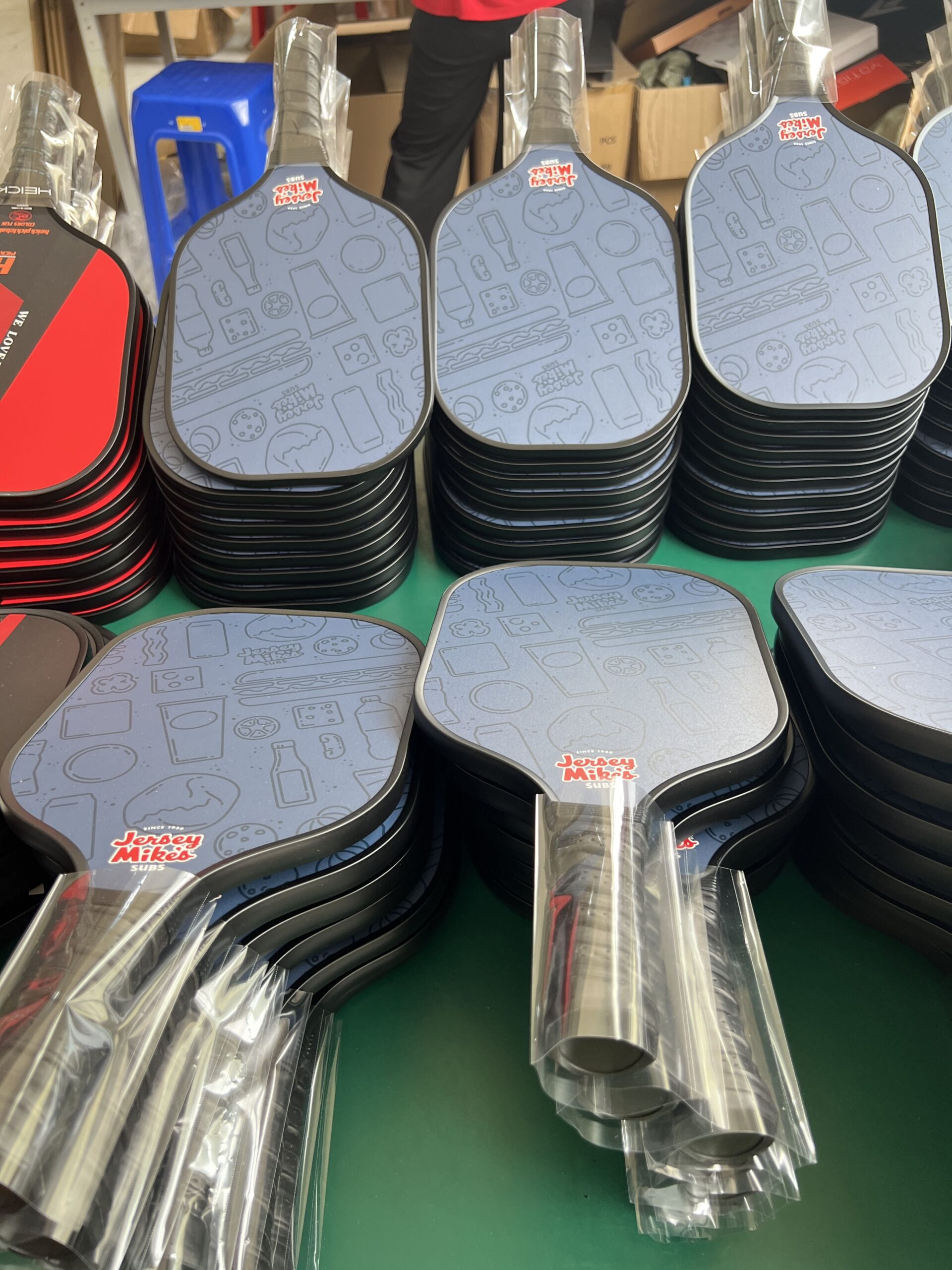
Artwork review first: confirm your pickleball paddle style if matches texture method (avoid late-stage redesigns).
-
Version lock after sample approval: method + parameter baseline
-
Pre-production reconfirmation: compare production pieces to the approved reference (photo/video).
-
QC across stages: incoming → in-process → final (texture/appearance/assembly/pack contents).
-
Batch records + golden reference: keeps disputes low and traceability high for retail/distributors.
People Also Ask
Is spray sanding always rougher than cloth-matte?
Not necessarily. “Roughness” is process-controlled. Durability depends more on version lock + batch consistency.
Which method is safer for large solid-color designs?
Usually spray sanding
Why is cloth-matte often recommended for premium SKUs?
More stable feel, usually stronger durability, and it looks premium with clean design.
Can Kevlar / 3K / 12K / 18K / Titanium use spray sanding?
We recommend cloth-matte so you don’t cover the natural premium weave with heavy coating/graphics.
How do I avoid “sample feels great, production feels slippery”?
Lock the process version, do pre-production reconfirmation, keep golden references, and run in-process checkpoints.
Next Step
Tell me two things only: your artwork style (large solid-color coverage or clean design) and your SKU positioning (entry volume or premium main seller). I’ll recommend spray sanding or cloth-matte and the exact acceptance points to write into your PO, so “texture wearing off” complaints get blocked before shipment.