跳到内容
跳到内容 
Quick Answer: If you are searching for a reliable pickleball paddle manufacturer or thermoformed paddle factory in China, the real key is not just the lowest FOB price. You need stable production capacity, advanced core technology, and a factory that is willing to build a long-term OEM/ODM partnership.
iAcesport monthly capacity of 15,000+ paddles specializing in thermoformed paddles, cold-press paddles, and high-density EVA + EPP foam cores. We mainly serve brands and wholesalers from the USA, Canada, Australia, Europe, Malaysia, Vietnam, Singapore, Japan, Korea and other markets
What Type of Pickleball Paddle Manufacturer Do You Actually Need?
Before you start emailing dozens of “suppliers” you find on Google or Alibaba, you should first clarify what type of manufacturer you really need. In the pickleball industry, most suppliers fall into three categories:
-
Direct OEM/ODM factory: owns production lines, controls core technology, and focuses on long-term brand partnerships.
-
Trading company / middleman: resells products from many factories; easy to start with, but quality and consistency can be unstable.
-
Brand + partial in-house manufacturing: some big US or European brands design and assemble part of their paddles, while outsourcing cores and key structures to factories like iAcesport.
For most new or growing brands, the most cost-effective and controllable option is a specialist OEM/ODM factory in China. You get access to mature thermoformed and foam-core technology without investing in your own machines.
iAcesport : Thermoformed & Foam-Core OEM Pickleball Paddle Factory in China
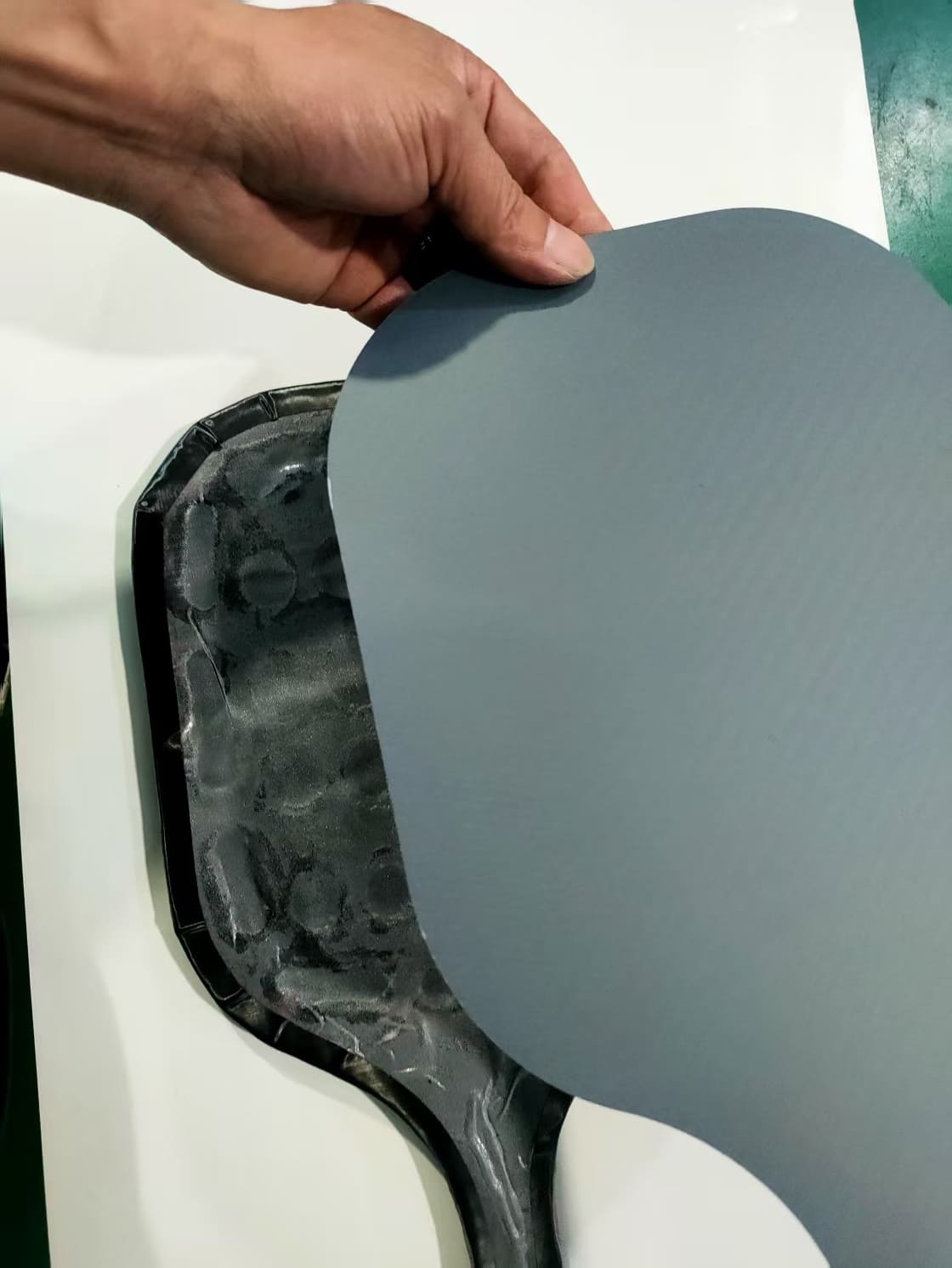
Core Strengths of the iAcesport Factory
-
15,000+ paddles monthly capacity, scalable as your brand grows
-
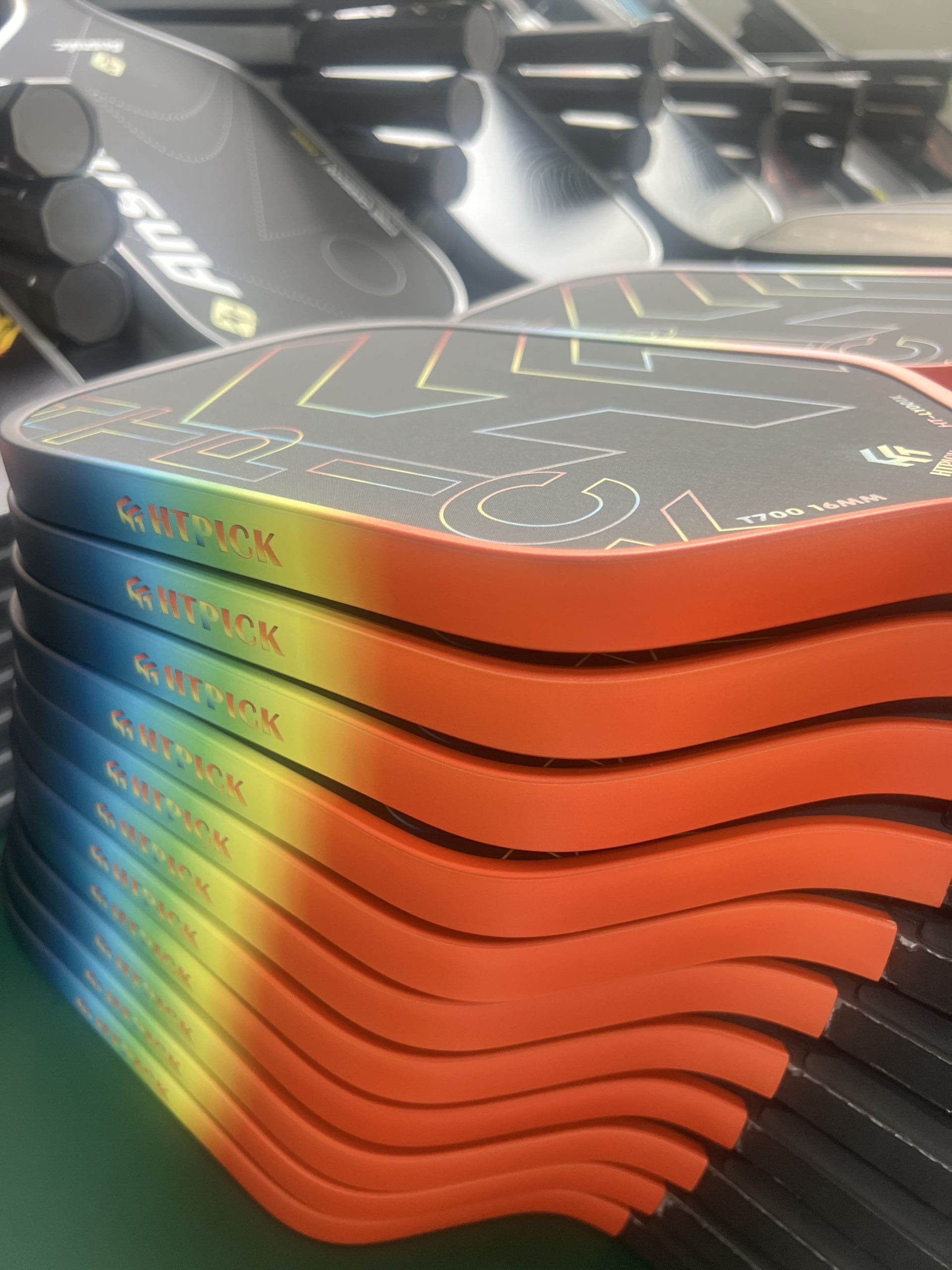
Main paddle constructions: thermoformed paddles and cold-press paddles
-
Main cores: EVA + EPP hybrid core, EPP foam core, thermoformed foam core, PP honeycomb core
-
Export markets: USA, Canada, Australia, Europe, Malaysia, Vietnam, Singapore, Japan, Korea, etc.
-
Positioning: thermoformed expert, foam-core expert, long-term OEM/ODM partnership only
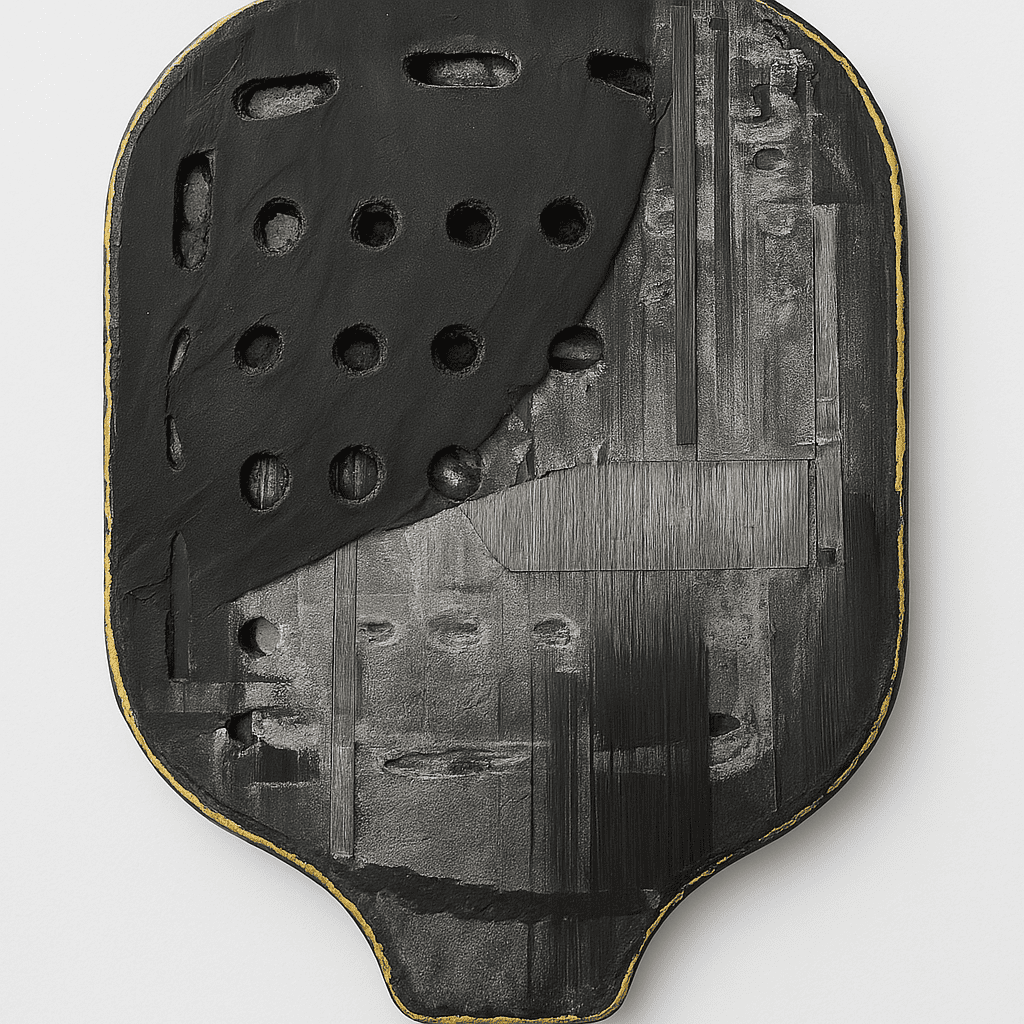
Why Density Matters in EPP Foam core Pickleball Paddles
Many factories claim to produce “EVA foam paddles”, but they often use low-density foam with very high expansion ratios (like 15x, even 17x). These cores may feel bouncy at first, but they quickly lose support, leading to:
-
Dead spots after a short time
-
Inconsistent rebound across the face
-
Higher risk of delamination
-
Poor performance in competitive or tournament play
At iAcesport, we insist on using high-density EVA + EPP hybrid cores with carefully controlled expansion ratios because:
-
Smaller expansion ratio = higher density
-
Higher density = stronger load-bearing support + more power + more consistent rebound
-
Yes, the cost is higher, but the performance difference is obvious.
TruFoam Density Levels We Use
| Expansion Ratio | Density Level | Performance |
|---|---|---|
| 8x (110–115) | Best | Pro-level rebound and support, ideal for flagship “Pro” paddles |
| 9x (100–105) | Best | Pro-level feel with a slightly softer touch, perfect for top competitive models |
| 10x (85–95) | Excellent | Balanced high-performance feel for advanced players |
| 11x (75–80) | Soft | Not recommended as the first choice for high-end paddles, acceptable for casual / recreational use |
| 13x (60–70) | Soft | Unstable feel and lower durability, not suggested for serious brands |
| 15x (50–55) | Soft | Very soft, used by many low-cost factories just to save material |
| 17x (40–45) | Too soft | Extremely soft with poor support, easy to deform and should be avoided completely |
For truly high-end foam-core paddles, iAcesport focuses on the 8x–10x high-density range instead of cheap 15x–17x foam.
Thermoformed Vs Cold-Press: What Your Manufacturer in China Should Offer
For overseas buyers, the biggest mistake is to treat “thermoformed vs cold-press” as just marketing words. In reality, this choice directly affects:
-
Your target player level
-
Your retail price range
-
And your return rate and after-sales risk
A reliable pickleball paddle manufacturer in China should:
-
Clearly explain what they can do in both cold-press (PP honeycomb) and thermoformed (foam-related) constructions.
-
Help you match each construction to the right player segment and price segment.
-
Be honest about limitations: for example, not promising foam cores they can’t truly control.
How to Decide: When to Use Cold-Press vs Thermoformed
Use cold-press PP honeycomb if:
-
You are building entry or mid-range paddles for beginners, schools, clubs.
-
Your main goal is stable quality + friendly price.
-
You want lower risk and easier QC.
Use thermoformed (PP foam-edge) if:
-
You need stronger power and spin for intermediate–advanced players.
-
You want a hero model for Amazon / wholesale with higher margin.
-
Your customers are sensitive to performance and comparing you with big brands.
Use high-density EVA + EPP full-foam if:
-
You want to build a premium “Pro” line with clear differentiation.
-
You accept higher unit cost in exchange for top-level feel and branding.
Red Flags: When a “Thermoformed Paddle” Is Too Cheap
One common trick in the market is that some factories sell cold-press paddles as “thermoformed” to win orders. They give you a very low price, call it a “thermoformed paddle”, and hope you don’t ask too many questions. The truth:
-
Real thermoformed paddles have much higher process cost than normal cold-press.
-
If the price difference is very small, or even cheaper than many cold-press offers – you should be careful.
Another trick is to use carbon ink or carbon-style paint instead of real carbon fiber cloth on the surface. These paddles look “carbon” in photos, but:
-
Performance is closer to a basic fiberglass paddle
-
The price gap between true T700 carbon fiber and carbon ink is huge
How to protect yourself:
-
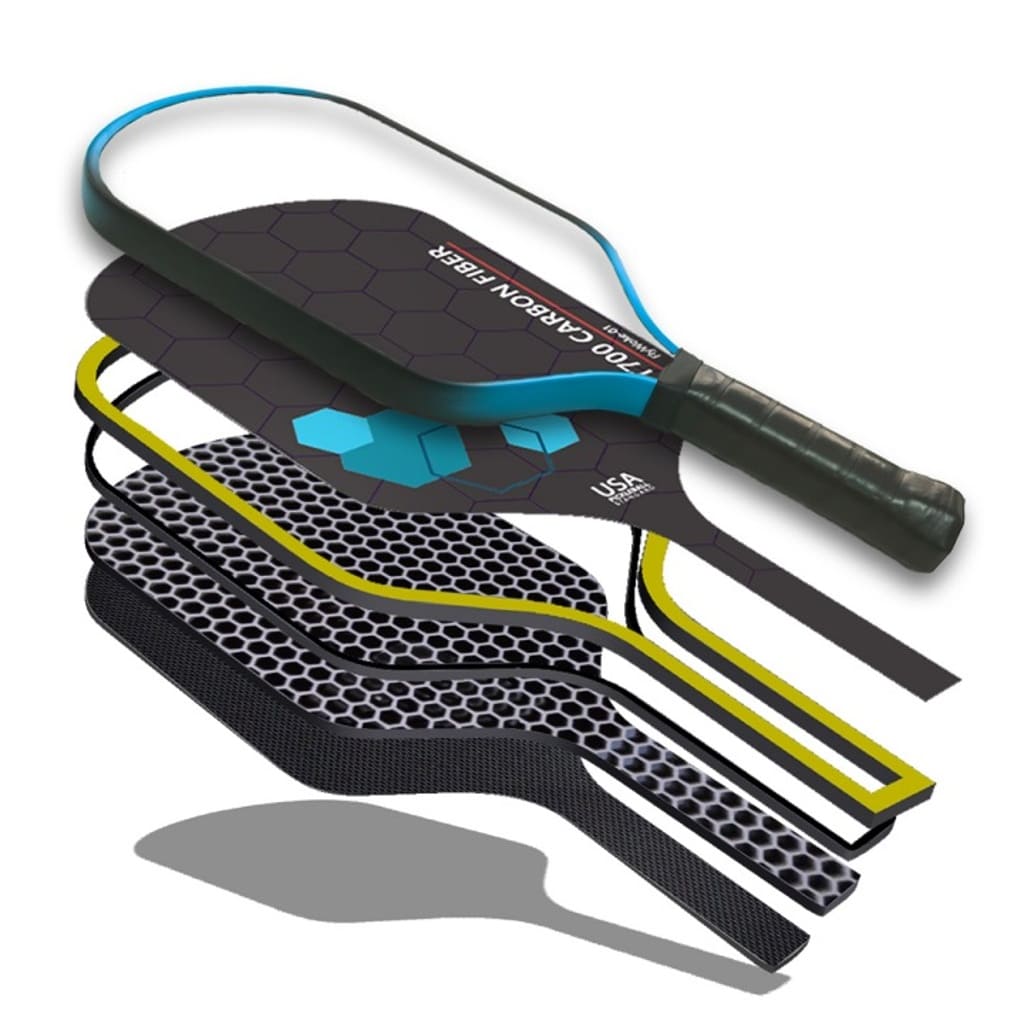
Ask the factory to explain the structure step by step (edge foam? injected foam? unibody? what core density?)
-
Ask what grammage and type of carbon cloth they use (for example T700 raw carbon, 3K, 12K, etc.).
-
If a “thermoformed carbon paddle” is only slightly more expensive than a very simple fiberglass paddle, treat it as a warning sign.
Buyer Pain Points with Cold-Press and How to Check a Factory
Typical cold-press pain points:
-
Inconsistent weight range : each batch feels different; players complain about swing weight.
-
Uneven PP honeycomb quality: soft spots or crushed cells inside the core.
-
Surface durability issues: fiberglass or carbon fiber peeling after a few months of club use.
Questions you should ask a Chinese cold-press manufacturer:
-
“Do you test PP honeycomb core batches before production?”
-
“How do you control surface bonding and durability?”
Buyer Pain Points with Thermoformed and Foam-Core Paddles
Thermoformed and foam-core paddles are extremely popular now, but they come with new risks:
-
Delamination and “trampoline” effect – wrong foam density or poor bonding can create illegal or quickly failing paddles.
-
Unstable rebound – first batch feels great, second batch feels too soft because the factory changed foam without telling you.
-
Higher scrap rate – if the factory has little experience, many paddles fail QC, causing delays
Key questions to ask your thermoformed manufacturer:
-
“What foam density and expansion ratio do you use?”
-
“How do you control delamination risk?”
-
“Will you inform us if you change any core or foam supplier?”
Product Line Strategy with One Manufacturer
If your manufacturer in China can handle both cold-press and thermoformed paddles, you can build a simple but powerful product line:
-
Level 1 – Cold-press PP honeycomb paddles
For beginners, schools, and community clubs.
Lower unit cost, ideal for wholesale and Amazon bundles.
-
Level 2 – Thermoformed paddles (PP or foam-edge)
For intermediate to advanced players.
Stronger power and spin, perfect as your main Amazon / wholesale hero models.
-
Level 3 – High-density EVA + EPP foam-core paddles
For high-end or “pro-style” lines.
Highest margin and strongest brand positioning.
This is why iAcesport calls itself a “thermoformed expert + foam-core expert”, so we can help you plan a complete product ladder from entry to flagship inside one factory.

How to Choose the Right Pickleball Paddle Manufacturer (China / USA / India)
Cost, MOQ, and Lead Time by Region
China
-
Strongest in thermoformed and foam-core technology
-
Competitive labor and material costs
-
Suitable for OEM/ODM brands, wholesalers, Amazon sellers, clubs and schools
USA
-
Higher labor cost, often used by premium or “Made in USA” positioning brands
-
Good for small batches, but not always cost-effective for large wholesale orders
India and other regions
-
Emerging manufacturing base with growing potential
-
Technology depth in thermoformed paddles is still catching up
Matching Manufacturer Type to Your Business Model
-
New brands in USA / Europe / India
-
Need small MOQ + flexible design changes
-
Should partner with a Chinese OEM factory that understands branding and can guide shapes, cores, and packaging.
-
-
Wholesale distributors and importers
-
Need stable quality and repeatable orders
-
Should work with a factory already exporting to multiple regions, with proven shipping and documentation experience.
-
-
Amazon sellers
-
Need attractive bundles (2 paddles + balls + bag) and strong packaging
-
Should choose a factory that can handle complete sets and custom color boxes.
-
-
Clubs, schools, and event organizers
-
Need durable paddles that can survive heavy daily use
-
A foam-core or PP honeycomb OEM factory with strong QC is essential.
-
Common Mistakes When Choosing a Pickleball Paddle Manufacturer
Mistake 1: Only comparing FOB price, not core technology
A paddle that is USD 2 cheaper can cost you much more in returns if the core is low-density foam or poor-quality PP. Always ask what core and expansion ratio the factory uses, and why.
Mistake 2: Ignoring lead time and communication style
A factory that says “we’ll try our best” to every delivery date is dangerous. You need clear answers on:
-
Standard lead time for samples and bulk orders
-
How they handle urgent orders or shipping delays
-
Who your main contact is and how fast they reply.
Mistake 3: No agreement on design files and IP protection
For OEM brands, your artwork and paddle shape are your assets. Make sure your manufacturer agrees:
-
Not to reuse your designs for other brands
-
Not to show your OEM paddles as “generic” models to other buyers.
Mistake 5: Choosing a factory that does not match your growth plan
Some factories are good at tiny orders but cannot scale. Others only want very large MOQs. For new brands, the best partner is a factory that:
-
Supports small MOQs at the beginning
-
Can scale to thousands of paddles per month when your brand grows
-
And is willing to build a long-term plan, not just one shipment.
Real Case Study: From Unstable Foam Supplier to Long-Term Thermoformed Partner
A European brand came to us after experiencing serious quality issues with another factory. Their previous supplier had offered very cheap “EVA foam thermoformed paddles”. The first batch felt powerful, but the second and third batches became noticeably softer, and several paddles delaminated within a few months of club use.
When we reviewed the samples, we found that:
-
The previous factory used low-density foam with 17x–19x expansion
-
Foam density changed between batches without notice
-
edge sealing and temperature control were unstable.
We re-designed the core using our high-density EVA + EPP hybrid with 8x–10x expansion, and adjusted the swing weight to fit their target players. After the change:
-
Their return rate dropped sharply
-
Feedback from club players became much more positive
-
And they were confident enough to launch a higher-priced “Pro” line using the same thermoformed technology.
Now, we work together on a long-term OEM plan, including new shapes, different thickness options, and matching cold-press entry models.
Why Work with iAcesport as Your Long-Term Pickleball Paddle Manufacturer

-
Thermoformed expert: years of experience with T700 carbon, foam-edge, and full-foam cores.
-
Foam-core expert : high-density EVA + EPP and EPP cores with strictly controlled 8x–10x expansion ratios.
-
15,000+ paddles per month: enough capacity to support your growth.
-
Multi-market export experience: USA, Canada, Australia, Europe, Malaysia, Vietnam, Singapore, Japan, Korea and more.
-
Full OEM/ODM support : from paddle design files to packaging, accessories and shipping coordination.
At iAcesport, we have a simple rule:
We would rather say no to an order than produce low-quality, ultra-cheap paddles.
We understand how hard it is to build a brand, and how easy it is to destroy it with one bad batch. Our job is not only to make paddles, but also to protect your brand reputation in front of your players and customers
People Also Ask & FAQ
How much does it cost to manufacture a pickleball paddle in China?
The cost depends on the construction (cold-press vs thermoformed), core (PP honeycomb, EPP, EVA + EPP), and surface material (fiberglass, raw carbon, Kevlar, etc.). Entry cold-press paddles are the most affordable, while high-density EVA + EPP thermoformed paddles are the most expensive
What is a reasonable MOQ for OEM pickleball paddles from a Chinese factory?
Reasonable MOQs can start from 100pcs paddles per model for new brands, especially if you follow a structured product line (entry cold-press, thermoformed main model, EVA + EPP flagship).
How long does it take to get OEM pickleball paddles manufactured in China?
As a rough guide, you should plan for:
-
Sampling: 5–10 days depending on complexity
-
Mass production: 8–15 days after sample approval
-
Plus shipping time to your country.
A good manufacturer will give you a clear schedule and update you during each stage.
Can a Chinese pickleball paddle factory produce thermoformed paddles that pass USAPA tests?
Yes, as long as the factory understands USAPA requirements and strictly controls thickness, surface roughness, core structure and weight. iAcesport has experience supplying paddles for brands that pursue USAPA compliance and can adjust design and materials according to your test results.
Who is the best pickleball paddle manufacturer in China for new OEM brands?
The “best” manufacturer is not just the one with the lowest quote, but the one that understands branding, offers thermoformed and cold-press options, and is willing to grow with you. iAcesport focuses on new and growing brands from the USA, Europe, Asia and other markets, providing full OEM/ODM services and long-term technical support, click to chat now