跳到内容
跳到内容 
Last month, I received many messages from India that all sounded different, but the real question behind them was the same: “Can I launch fast, keep quality stable, and which models are actually popular, where should I start?”
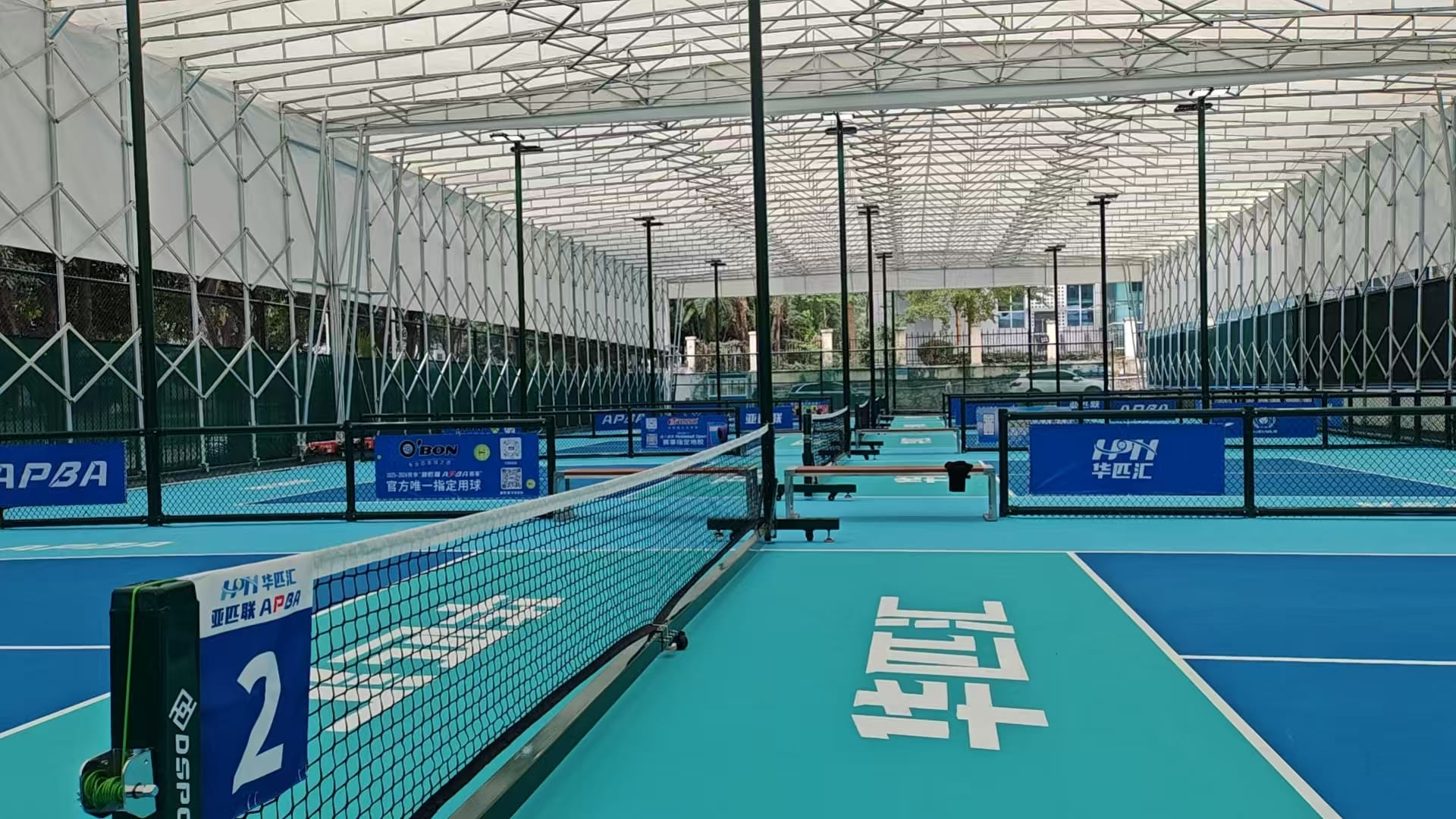
India’s pickleball paddle scene is expanding quickly, more courts, more clubs, more new sellers trying to enter early.
Also, India is not “only low price.” In our inquiries and orders, many Indian players and retail buyers care a lot about quality, especially when they sell to clubs, schools, or modern retail where returns hurt badly.
Who this guide is for (India buyers)
If you are an India brand owner, retailer, distributor, online seller, school buyer, club buyer, or event organizer, this guide helps you pick specs that sell, avoid returns, and scale smoothly from a first order to repeat orders.
What’s happening in India right now (and why now is smart timing)
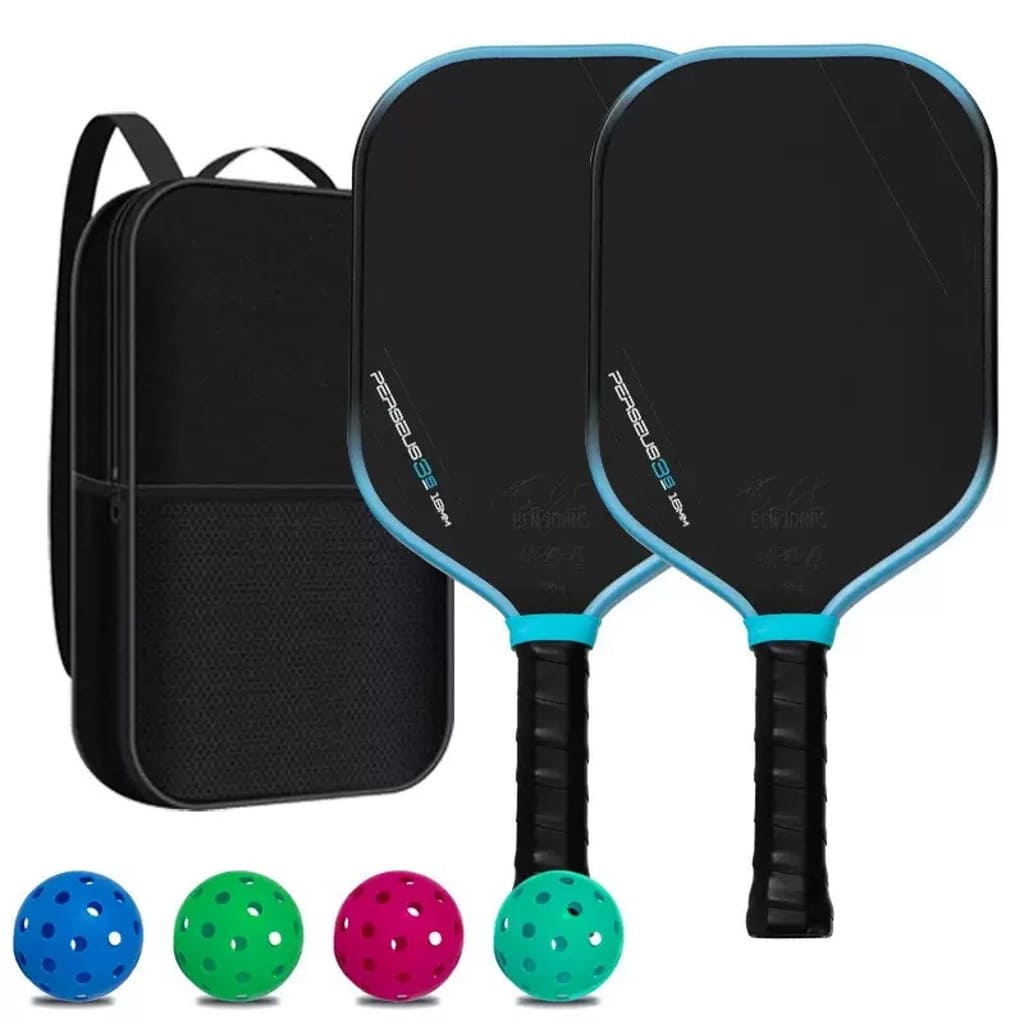
From public reports, pickleball participation and court counts in India have grown rapidly in the last 1–2 years, especially in large cities, this is exactly the stage where “starter SKUs” and “value-for-money paddles” sell the fastest.
Also, organized leagues/events are showing up more frequently, which pushes more buyers to care about consistency and brand trust, not just “lowest price.”
From what we see in India inquiries, the market is moving in two directions at the same time: entry models for beginners/clubs, and premium models that feel “different immediately” in sweet spot and comfort.
And what’s especially popular in India right now, based on our sales conversations:
-
Fiberglass faces (easy to explain, forgiving, low complaint risk)
-
Cold-press T700 (value upgrade that doesn’t jump too hard in cost)
-
Premium interest in thermoformed full-foam core paddles and Gen 4-style thermoformed core paddles
The 3-model product line that works best for India
Because you sell for both online and offline channels, I suggest starting with 3 models to build a clean product line:
-
Entry model: For new players / clubs (Glassfiber or cold-press carbon fiber, 13mm or 16mm)
-
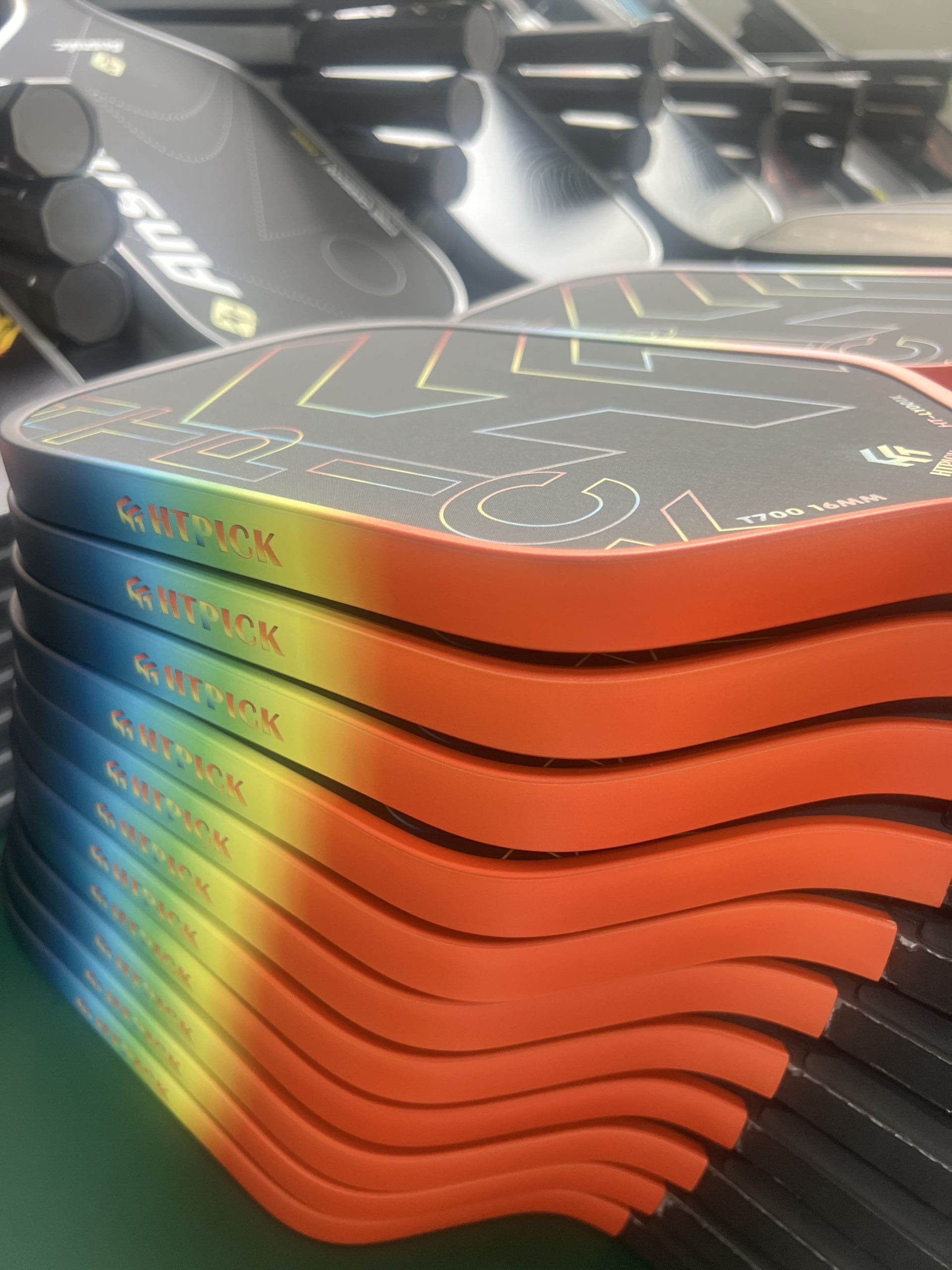
Premium model: Main seller (thermoformed T700, 16mm, foam-injected edge)
-
Flagship model: For A-level players (Gen 4-style thermoformed core or full-foam thermoformed core + raw T700, 16mm)
India 3-SKU set
| SKU Role | Best Channel Fit in India | Core/Process | Thickness | Popular Size | Face Direction | What Sells It | Return Risk to Control |
|---|---|---|---|---|---|---|---|
| Entry / Traffic | Clubs / Schools / Entry retail | Cold-press PP honeycomb | 13 / 16mm | 400×200 | Fiberglass or cold-press T700 | Forgiving + easy for beginners | Weight variation + unclear set contents |
| Profit / Main seller | Online + retail main shelf | Thermoformed + foam edge | 16mm | 417×190 | Thermoformed T700 | “Pro feel” + stable sweet spot | Batch consistency + edge damage in shipping |
| Flagship / Premium | Premium online + advanced players | Full-foam thermoformed OR Gen 4-style thermoformed | 16mm | 417×190 | Raw T700 | Comfort + premium feel | Packaging protection + spec lock |
Popular specs & sizes your customers accept fastest
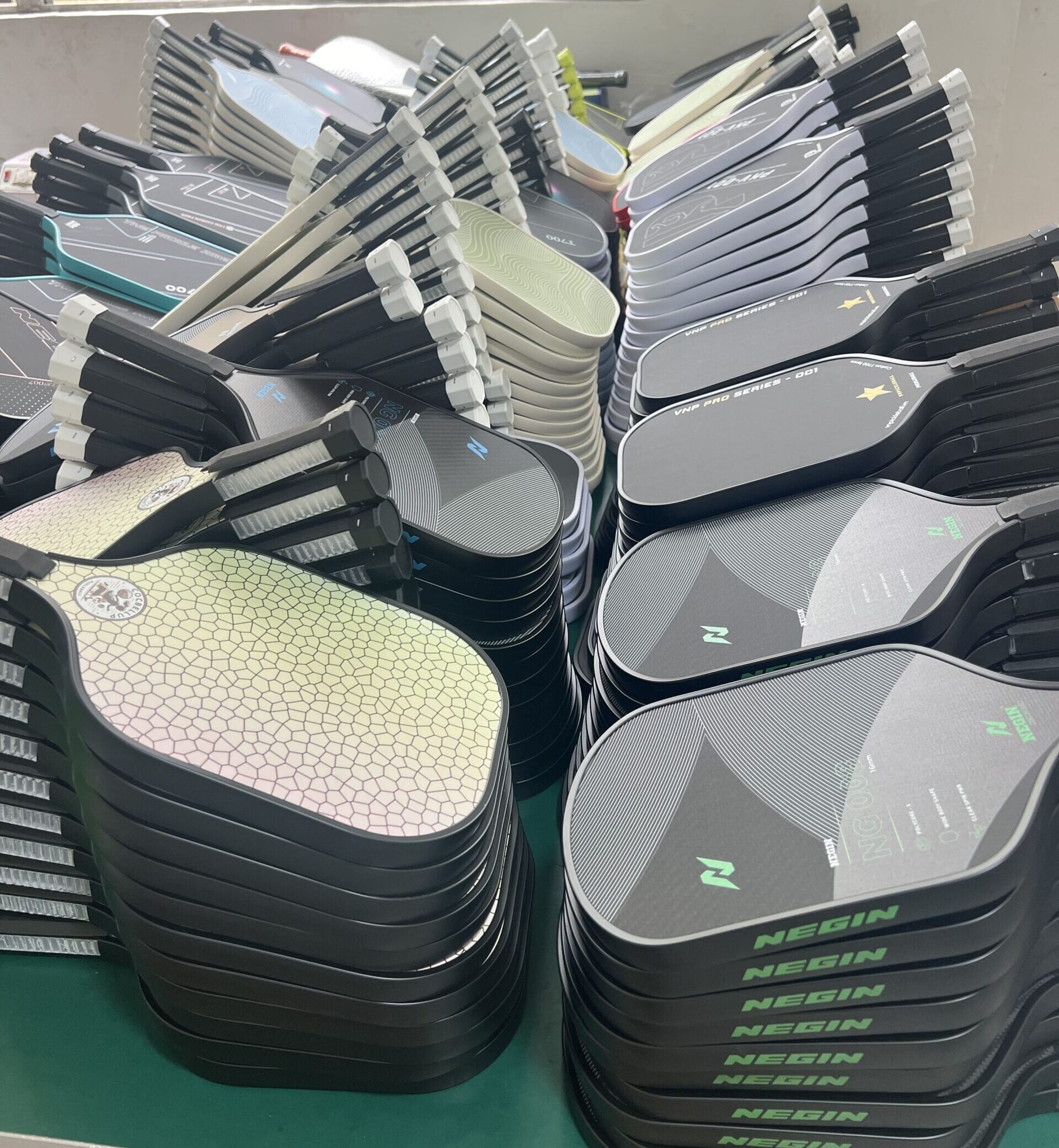
For India, standard sizes usually sell faster because they’re easy to explain and easier to reorder across channels.
Cold-press paddles (common market sizes):
-
400×200×10mm
-
400×200×13mm
-
400×200×16mm
These sizes are usually easier for beginner-focused programs, clubs, and schools.
- 417×190×13mm or 16mm
This size is more accepted by intermediate-to-advanced players who want reach and a faster all-around feel.
Thermoformed paddles (our common sizes):
-
417×190×13mm
-
417×190×14mm
-
417×190×16mm
Other sizes can be customized, but confirm early.
-
Cold-press custom shapes/sizes usually require MOQ
-
Thermoformed custom shapes/sizes typically require a mold fee
QC checkpoints that protect your brand (batch consistency)
Most early complaints don’t start from “spin is low.” They start from “this feels different from the other one.” That’s why batch consistency is the real brand protection for India buyers, especially for clubs and retail.
Here are buyer-friendly QC checkpoints I recommend locking before mass production:
-
Version control: Lock one artwork file version and one surface process version (no silent changes)
-
Weight range target: Agree on a target range, how it is measured, and batch sampling rules
-
Thickness target: Confirm thickness and how tolerance is judged
-
Cosmetic reject rule: Define what is acceptable vs reject (edge damage, bubbles, delamination signs)
Packaging & bundles
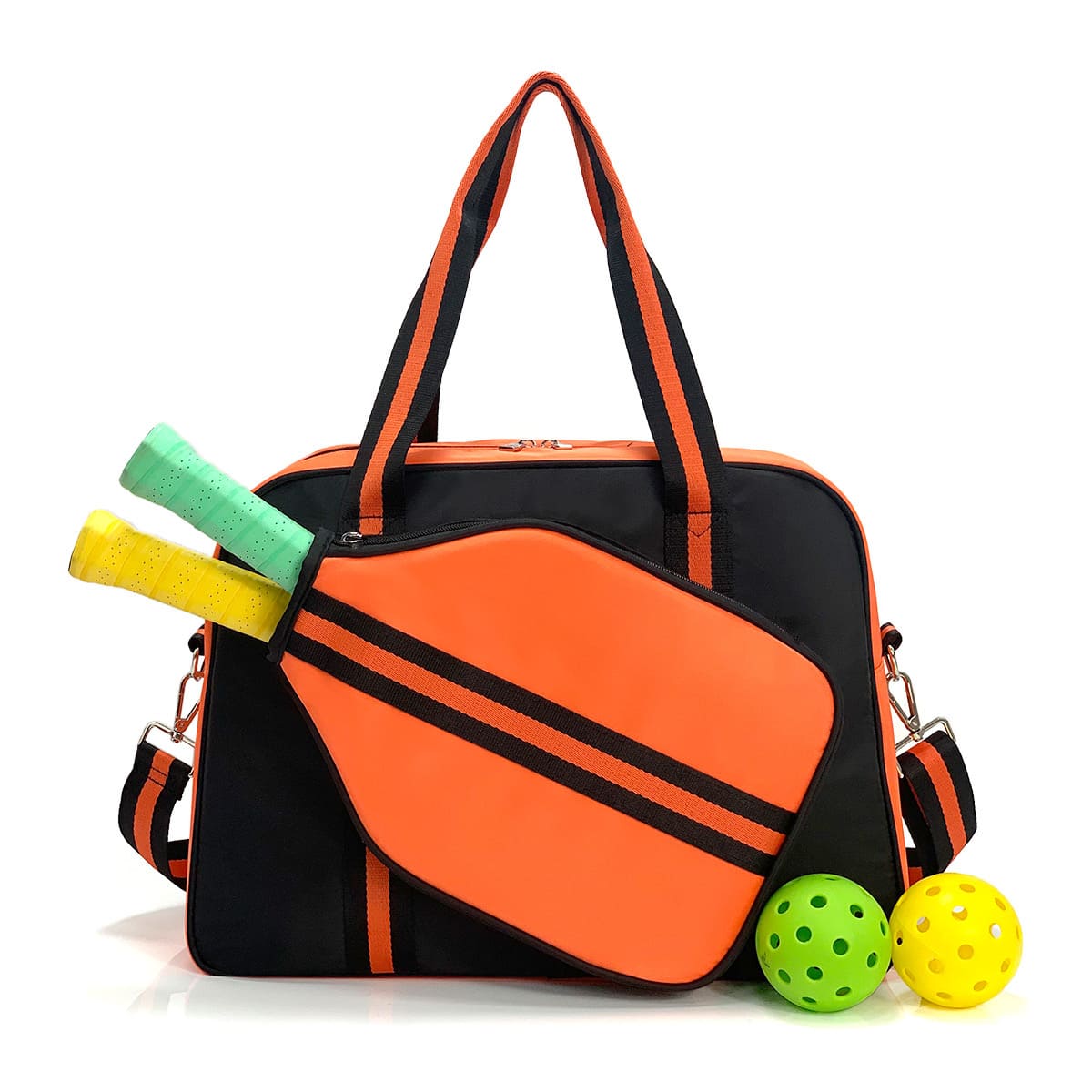
If you are starting small, don’t let custom boxes slow you down. A clean low-MOQ start is usually: paddle cover or carry bag first, then upgrade to boxes after your winning SKU is proven.
A practical upgrade path many India buyers use:
-
Start with: Cover + carry bag
-
Upgrade to: Standard box + basic insert
-
Finalize for premium: Custom color box + full insert system (for flagship SKUs)
Bundle types that convert well because your customers understand them instantly:
-
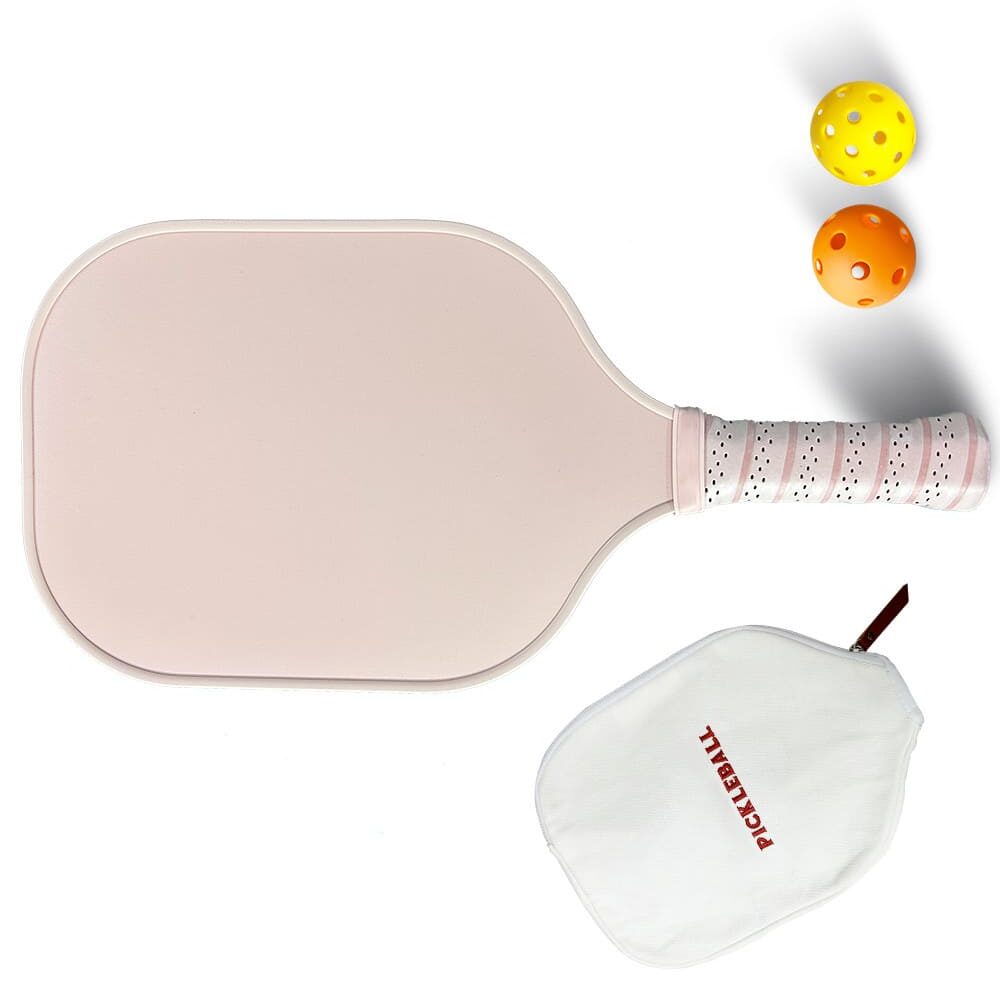
Two paddles + 2 or 4 balls + towel + overgrip
-
Two paddles + balls + towel + overgrip + carry bag
-
Four paddles + balls (family or club set)
Shipping to India: air vs sea vs DDP
If you’re doing 100–500 pcs and you need speed, air freight can make sense.
If you’re doing larger wholesale and want lower cost per unit, sea freight becomes more attractive, but it needs better carton planning and buffer time.
If your team doesn’t want to deal with customs/tax paperwork, DDP to door is often the simplest operational choice (compare total landed cost, not just freight)
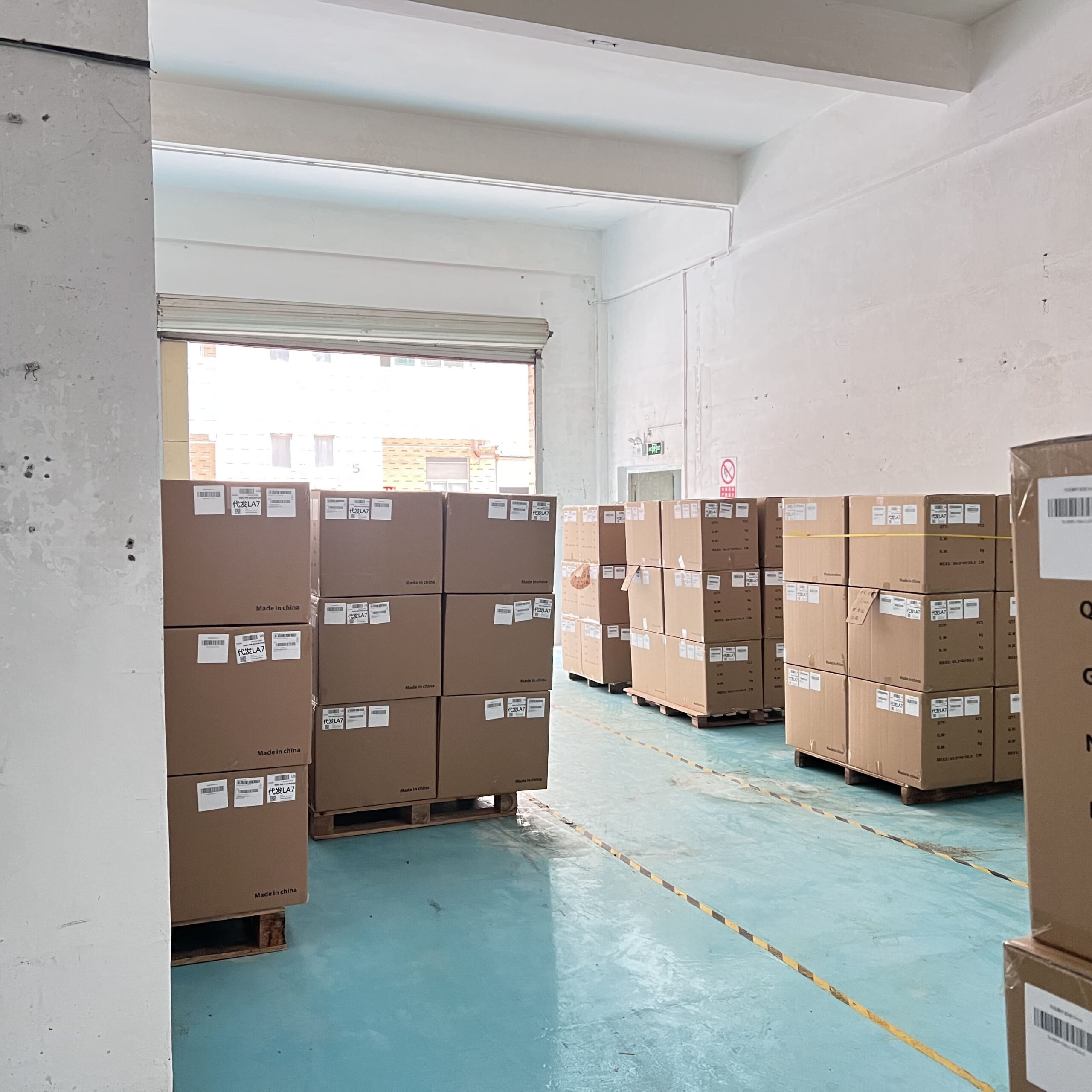
India buyers’ most common “misleading claims” traps
The biggest trap is not a bad sample. It’s a good sample from a supplier who can’t repeat it.
Watch for these red flags:
-
Cold-press sold as “thermoformed” at a price that’s too low to be true
-
“Carbon fiber” wording that is actually carbon composite / carbon-black filler style materials
-
No clear process definition (they can’t explain face process, weight control, or batch sampling rules)
Send me this once, and I can quote accurately (fast)
Send these items together and you’ll avoid 10 rounds of back-and-forth:
-
Selling channel: Retail / distributor / online
-
Target customer level: Beginner / intermediate / advanced
-
Core + process: Cold-press or thermoformed (and preferred thickness)
-
Size: Choose from the standard sizes above (or confirm custom early)
-
Surface: Fiberglass / carbon / raw carbon style preference
-
Packaging: Cover/bag/box + set contents
-
Logo files + color preference
People Also Ask
Can I buy pickleball paddles wholesale for India from a China factory?
Yes. The key is choosing stable specs, clear packaging contents, and a shipping plan that matches your order size and timeline.
What MOQ is normal for OEM pickleball paddles for India?
Pickleball Paddle MOQ 100pcs
Is DDP shipping to India available for pickleball paddles?
Yes, no problem. For more details, please talk to us now
A practical note
If you’re building India sales for the next 12–24 months, I’d rather help you start with a clean 3-SKU line that is easy to sell and easy to repeat, instead of pushing a fancy spec that creates batch problems later.
Tell me your channel and starting quantity, and I’ll suggest the most realistic specs, packaging, and shipping path for your India launch.