跳到内容
跳到内容 
When buyers ask me, “What’s your lead time?”, I always answer with one sentence first: lead time is not one number, it’s a chain.
If one link is unclear, design files, sample approval, packaging, or QC acceptance rules, the whole schedule slips, and you feel it at the worst time (launch season).
This article is the realistic timeline I use with overseas buyers to plan a China OEM order without guessing, plus the hidden delays most buyers don’t see.
Who this guide is for
This is for brands, retailers, distributors, and Amazon sellers who need a clear schedule for sampling, mass production, and pre-shipment release.
If you are building a product line and don’t want to rush decisions that later cause returns, this timeline will save you money.
The realistic timeline at a glance
Timeline Table
| Stage | Typical Duration | What Usually Delays It | What You Can Do to Keep It On Track |
|---|---|---|---|
| 1) Design file check & spec confirmation | 1–3 days | Missing dimensions, wrong file format, unclear structure | Send print-ready file, exact specs, and target retail band |
| 2) Sample production | 5–10 working days | Too many revisions, unclear core/face/thickness | Lock core family, face, and thickness first, cosmetics later |
| 3) Sample shipping & testing | 3–10 days | Courier delays, slow internal testing | Set a fixed test window and a decision deadline |
| 4) Pre-mass final spec lock | 1–3 days | Last-minute changes after approval | Freeze specs before deposit and PO |
| 5) Mass production | 10–25 working days | Packaging not ready, peak-season queue, unstable specs | Confirm packaging early and align QC acceptance rules |
| 6) Pre-shipment QC and release | 2–5 days | Missing pass/fail rules, rework, inspection not scheduled | Define acceptance rules and confirm the inspection plan |
| 7) Booking and export paperwork | 2–7 days | Incomplete consignee info, peak shipping | Prepare shipping details early |
The 3 buyer pain points that actually control lead time
Most delays are not “factory slow.” They are “buyer decisions not locked.”
The top three pain points I see are packaging, specification changes, and missing acceptance rules.
If you control these three, the timeline becomes predictable.
Step 1: Design files and spec confirmation (the hidden schedule killer)
Most lead-time problems start here, not on the production line.
If your artwork is not print-ready, or your specs change daily, the sample timeline becomes a loop.
To keep the schedule stable, lock these early:
-
Confirm your target market and player level (beginner, intermediate, advanced)
-
Confirm your target retail price band
-
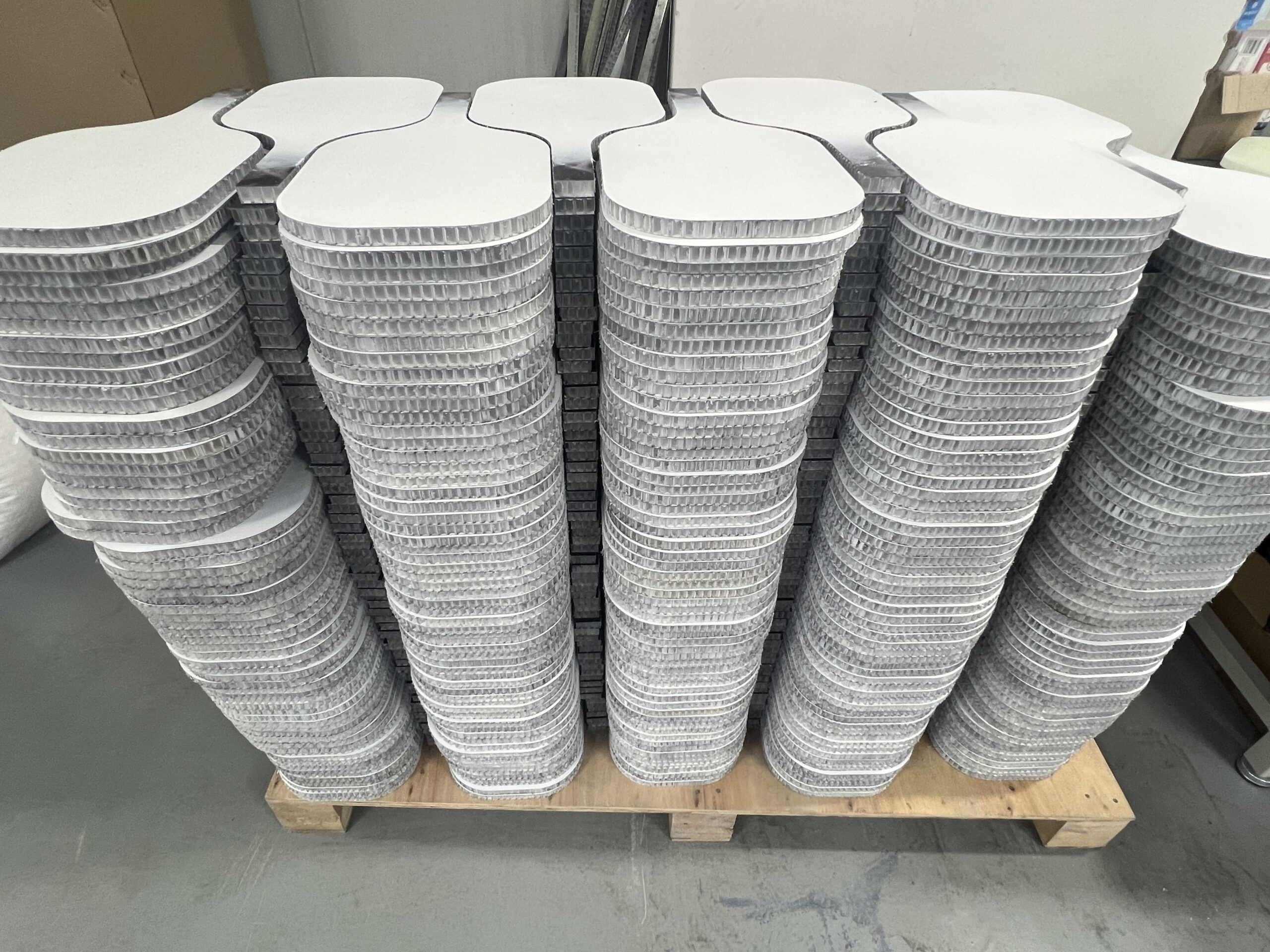
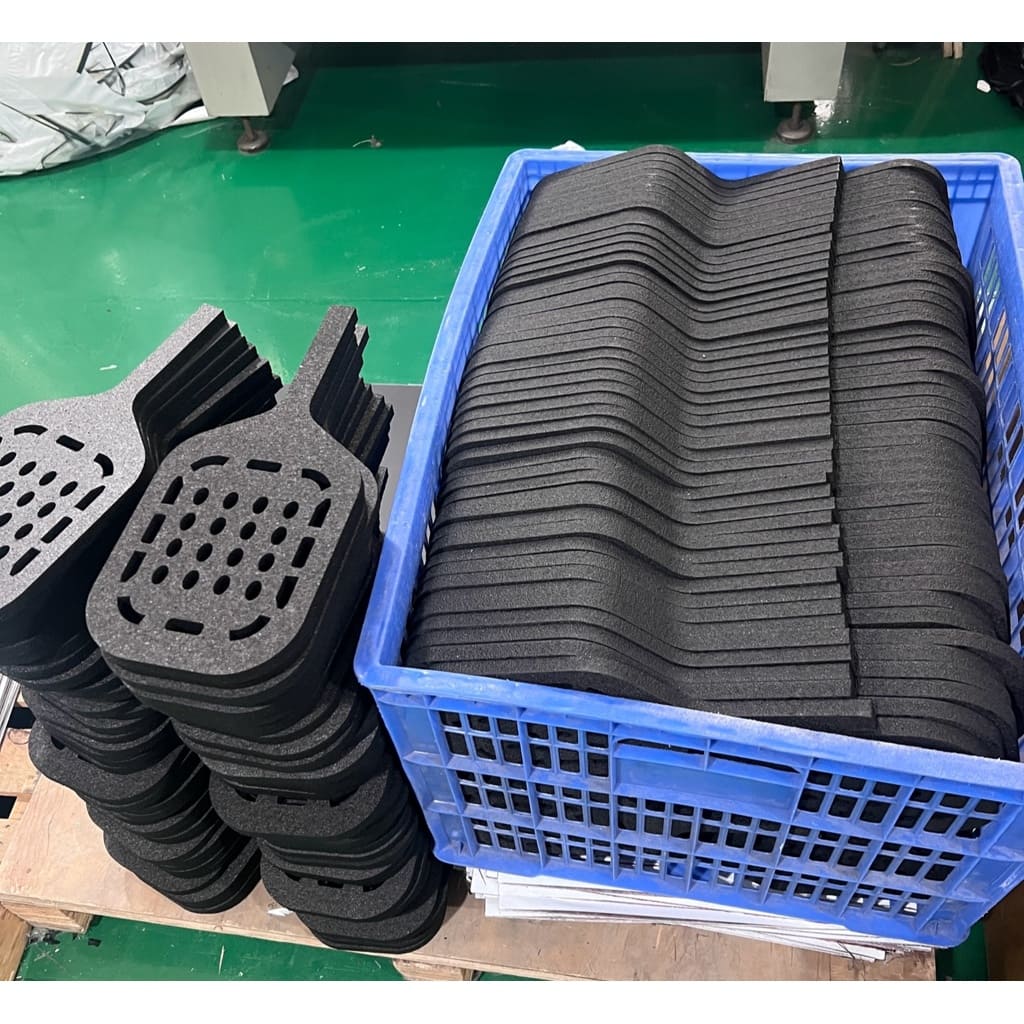
Choose your core family (PP honeycomb, thermoformed PP honeycomb, EPP, EVA+EPP, PMI)
-
Confirm thickness and shape
-
Confirm face material and surface texture preference
Step 2: Sampling (how to avoid endless revisions)
A fast sample round is not “perfect on the first try.” A fast sample round is one clear target, one clear feedback round, then approval.
The biggest time-waster is changing too many variables at once.
If you want speed, change in layers: first lock structure (core, thickness, face), then refine cosmetics (logo, colors).
Step 3: Sample shipping and testing (set a decision deadline)
From a factory view, the slowest buyers are not the picky ones, they are the ones without a decision date.
If you’re launching on Amazon, your testing window should be planned like a campaign: fixed time, fixed checklist, fixed outcome.
A practical rule: decide within 3–7 days of receiving samples, or your schedule becomes unpredictable.
Step 4: Final spec lock before mass production (freeze means freeze)
If you change thickness, core, face, or handle specs after the PO is confirmed, your lead time is no longer “production time.”
It becomes re-engineering time.
If your brand needs flexibility, keep it in cosmetics, not in structure.
Step 5: Mass production (what actually changes the day count)
Mass production lead time is mostly decided by three things: queue, structure complexity, and packaging readiness.
Two factories can both say “10–25 working days,” but only the disciplined one stays inside that window consistently

The buyer pain point nobody warns you about: packaging lead time
Packaging is often the number one hidden delay. Finished paddles can be ready, but can’t ship without boxes, bags, inserts, barcode labels, or set-bundling materials.
If you want the fastest schedule, decide packaging early, even during sampling.
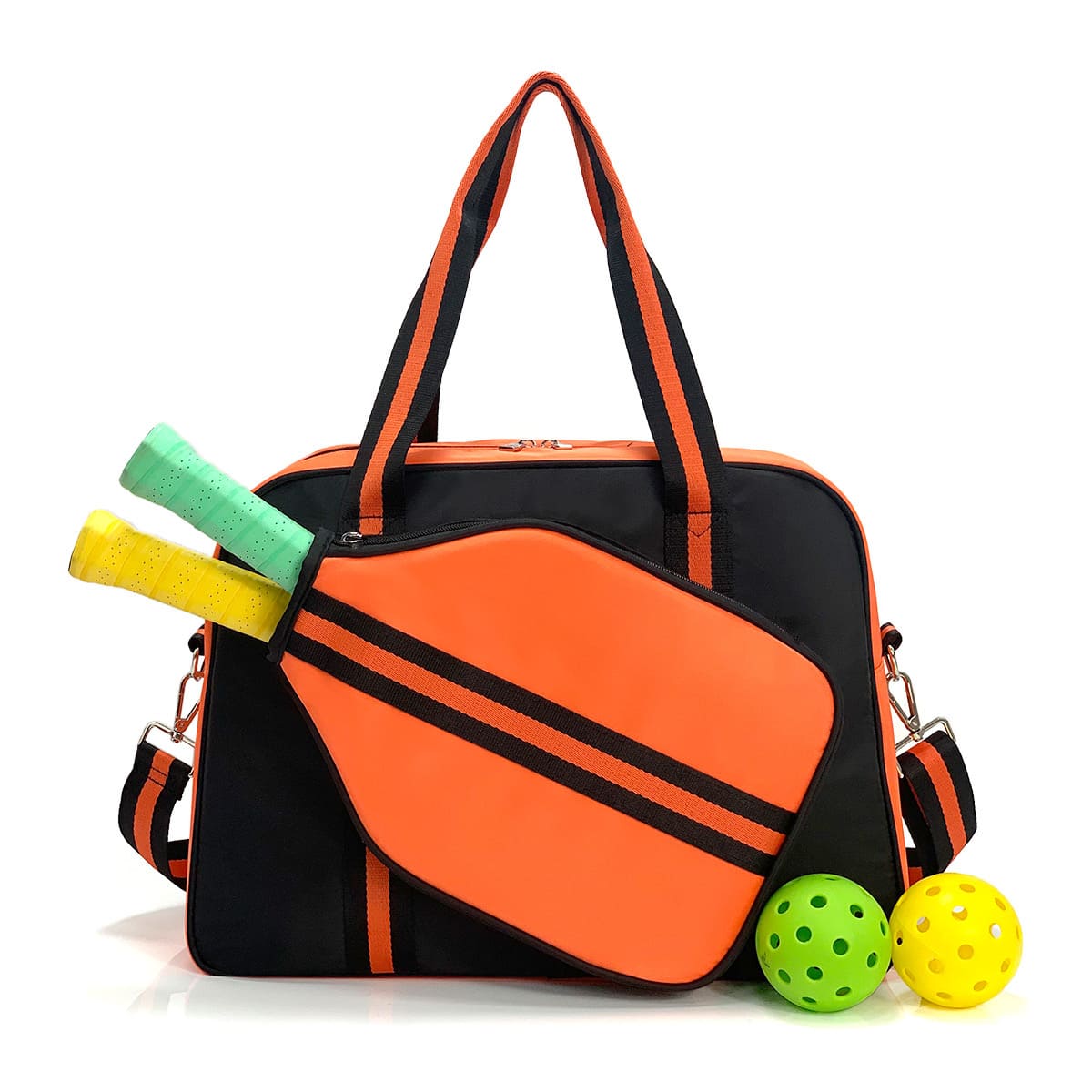
Common packaging items that delay shipments include gift box printing, custom inserts, set bundling (balls, towels, grip tapes), and Amazon-ready labeling.
The most common lead-time traps (and how to avoid them)
Here are the delays I see most often, especially with new brands:
-
Packaging not decided early (box, bag, inserts)
-
Too many structure changes after sampling
-
No clear decision deadline for sample approval
-
Peak-season scheduling not considered
-
Missing shipping details (consignee, address, terms)
If you fix only one thing, fix packaging early. Packaging delays can freeze finished paddles in a warehouse.
Step 6: Pre-shipment QC and release (where smart buyers save days)
If you and factory don’t agree on pass/fail rules before final inspection, the shipment gets stuck at the finish line.
Align these before production ends:
-
Acceptance criteria for weight range and swing weight range
-
Cosmetic tolerance (print alignment, edge finish)
-
Packaging requirements for e-commerce
-
Simple handling rule if a batch issue is discovered
Step 7: Booking and export paperwork (the last-mile delays)
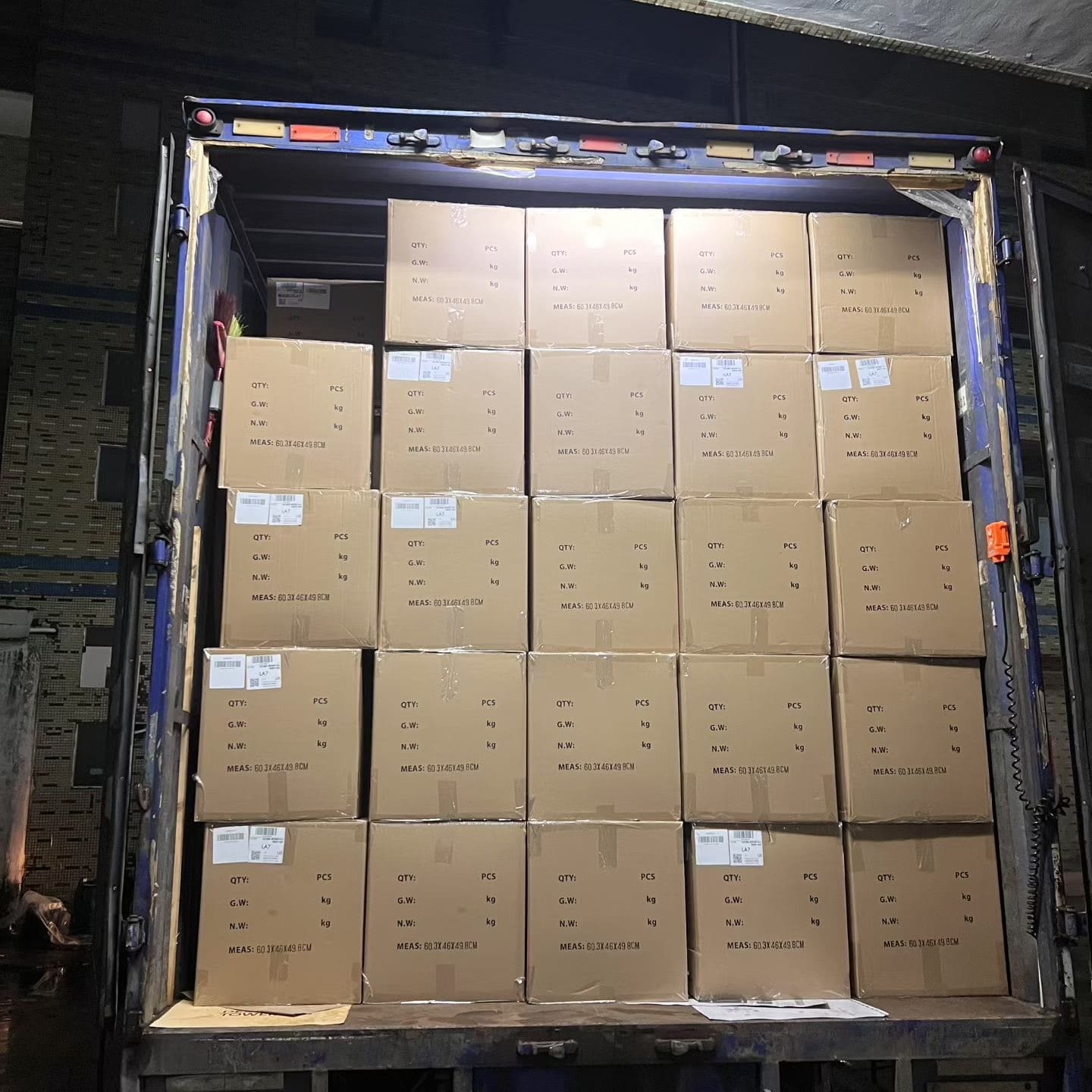
Even if production finishes on time, dispatch can still be delayed by missing consignee information, unclear terms, or peak-season congestion.
The easiest fix is preparing shipping info early, not at the end
Extra practical tips buyers love (small moves that save big time)
If you want to keep the entire order on schedule, these three habits help more than people expect:
-
Use one spec-sheet message to confirm everything (core, thickness, shape, face, texture, weight range, packaging)
-
Approve print artwork in one round whenever possible (do not drip changes day by day)
-
Build a 3–7 day buffer into your launch plan for the unexpected
Quick buyer checklist before you start
-
Confirm target retail price band and player level
-
Choose core family and thickness first
-
Prepare print-ready artwork files
-
Decide packaging type and inserts early
-
Set a sample testing deadline
-
Confirm shipping terms (FOB or DDP) and consignee info
A practical note from iAcesport
In our factory, the fastest projects are not the ones with the simplest paddles, they are the ones with the clearest decisions and the earliest packaging confirmation.
If you tell us your target market, target retail band, and the core family you want to lead with, we can usually give you a timeline that stays stable and a production plan that avoids last-minute surprises