跳到内容
跳到内容 

Last month, a buyer sent me two paddles (he bought from other factory) with the same artwork and the same model name, but they felt completely different. One sounded crisp and solid. The other sounded dull and “hollow.” A few days later, they told me returns had started.
That’s why I’m writing this. Delamination isn’t just a “quality issue.” For most brands, it becomes a business issue: bad reviews, higher refund rates, and a listing that never fully recovers.
In this post, I’ll explain delamination the way we troubleshoot it inside a factory: what it really means, what causes it, what a serious OEM must control, and what you should write into your PO to protect your pickleball paddle brand.
What buyers call “delamination” is usually 4 different failures
When someone says “delamination,” they often mean one of these four problems. If you don’t separate them, factories can “answer” you but still miss the real cause.
-
Type 1: Face separation (the surface starts lifting or bubbling)
-
Type 2: Edge/side separation (you feel a gap near the edge, or the edge area sounds weird)
-
Type 3: Core failure (core crush / local collapse / dead spot)
-
Type 4: Handle/neck looseness (not delamination, but it creates the same refund outcome)
If you want to reduce returns, the first step is simply telling your factory which type you mean

The uncomfortable truth: delamination is usually a system problem, not one mistake
Most delamination returns don’t come from one dramatic failure. They come from small drifts that stack together: surface prep gets rushed, curing time gets shortened, materials get substituted, or tolerances get looser when production ramps.
That’s also why a perfect sample doesn’t protect a brand. A sample proves you can build it once. Batch consistency proves you can ship it 500 times without surprises.
Causes of delamination: what’s factory-controlled vs market reality
I like to split causes into two buckets, because it avoids pointless arguments later.
Factory-controlled (what a serious OEM must control)
-
Bonding system selection
-
Surface preparation discipline (cleaning and sanding standards)
-
Press parameters (pressure, time, temperature) and logging
-
Cure time protection (no silent shortcuts during rush)
-
Glue batch stability and handling discipline
-
Foam-edge bonding method consistency (when foam is used)
-
Batch sampling rules that catch “middle-of-run” drift
Market reality (what still needs buyer education)
-
Leaving paddles in hot cars for long periods
-
Extreme temperature cycles
-
Water soaking
-
Repeated impacts on hard surfaces
-
Poor storage habits
A factory can’t control how a consumer treats a paddle. But a factory can control whether the product is stable enough to survive normal real-world use.
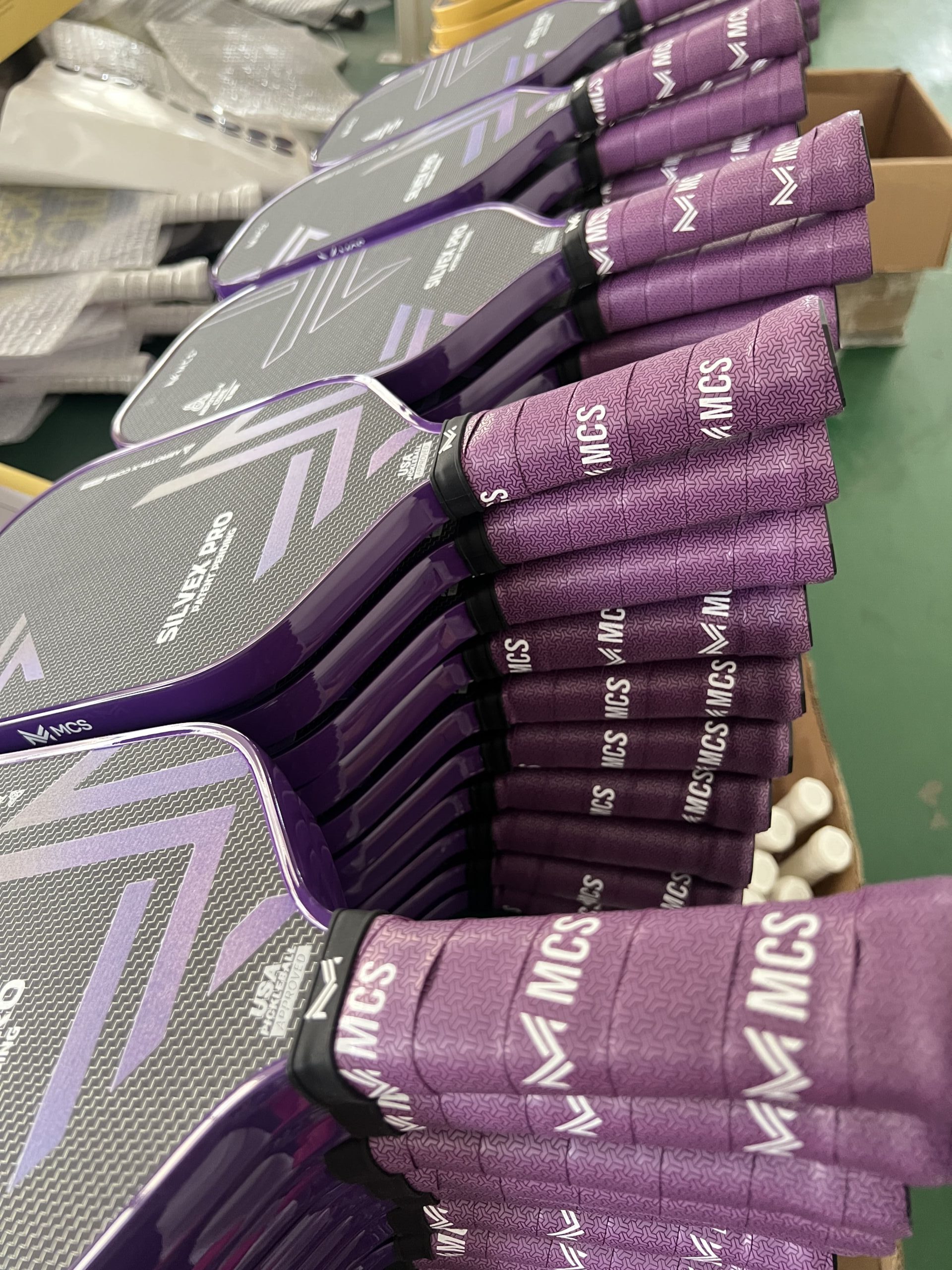
The OEM QC system that actually reduces returns (8 controls)
This is the part you usually want but rarely get in writing. Here are the controls that make the biggest difference when you scale.
-
Control 1: Incoming material verification (not just “looks OK”)
-
Control 2: Surface prep SOP (cleaning + sanding standard)
-
Control 3: Bonding / glue batch discipline
-
Control 4: Press parameter logging (pressure/time/temp discipline)
-
Control 5: Cure time protection (no silent shortcut during rush)
-
Control 6: Foam-edge bonding check (if your build includes foam)
-
Control 7: Batch sampling rules (not only “first piece OK”)
-
Control 8: Packaging + heat risk awareness (simple protection helps)
Buyer-friendly acceptance table
Below is a practical table I recommend you use. It forces clarity and prevents the “we didn’t define it” argument later.
| Item | What to check | How to check | What it prevents |
|---|---|---|---|
| Face adhesion | No bubbling / lifting under normal flex | Visual + light press test | Early peel complaints |
| Edge integrity | No abnormal gap/sound near edge | Tap test + edge inspection | Foam-edge separation |
| Flatness | No obvious warp | Flat surface check | “Feels weird” reviews |
| Weight range | Within agreed window | Scale measurement | Listing mismatch returns |
| Swing feel consistency | No “random feel” in same model | Sample comparison | Batch inconsistency complaints |
| Finish consistency | Same texture/finish as approved sample | Side-by-side check | “Not like sample” refunds |
If you want, this can be customized for your exact build (thermoformed PP honeycomb, foam-edge, EPP, EVA+EPP hybrid, etc.). Each structure needs slightly different wording and “what to watch.”
Real case: a big retail buyer learned the hard way that samples don’t protect brands
A buyer from a large retail channel came to us after a painful season with another supplier. Their product didn’t collapse immediately, which is what made it worse.
The first shipment looked fine on arrival. The paddles passed quick visual checks, and the first week of store feedback was quiet.
Then returns started showing up in a pattern: not every unit and not every store, but enough to trigger internal questions. Some customers said the surface felt “dead” after a few weeks. Some said one paddle sounded crisp and another sounded dull even though they bought the same model.
At that point, the buyer’s real problem wasn’t just refunds. It was trust. Retail teams hate “unexplainable inconsistency” because it makes customer service and replenishment planning messy.
When we reviewed the project, we didn’t treat it as one defect. We treated it as a repeatability problem. We asked for three groups of samples from the same production run:
-
An early-batch unit
-
A middle-batch unit
-
A late-batch unit
The pattern became clearer: the “middle-of-run” units were more likely to show bonding instability. In rush periods, surface prep discipline and cure discipline often drift first, and it doesn’t show up on the first few pieces.
So we rebuilt the same model with stricter version control, locked the face-prep procedure, and enforced batch sampling that checks the middle of the run, not only the first pieces. We also locked the edge bonding method for their specific build so it wouldn’t drift when the line got busy.
After that, the buyer feedback wasn’t “perfect forever.” It was more realistic and more important: the batch felt consistent, returns stopped spiking randomly, and their retail team could finally explain what “acceptance” meant in one clear internal checklist.
Details are anonymized, but the lesson is one I’ve seen repeatedly: a sample proves capability once; retail channels demand repeatability for months
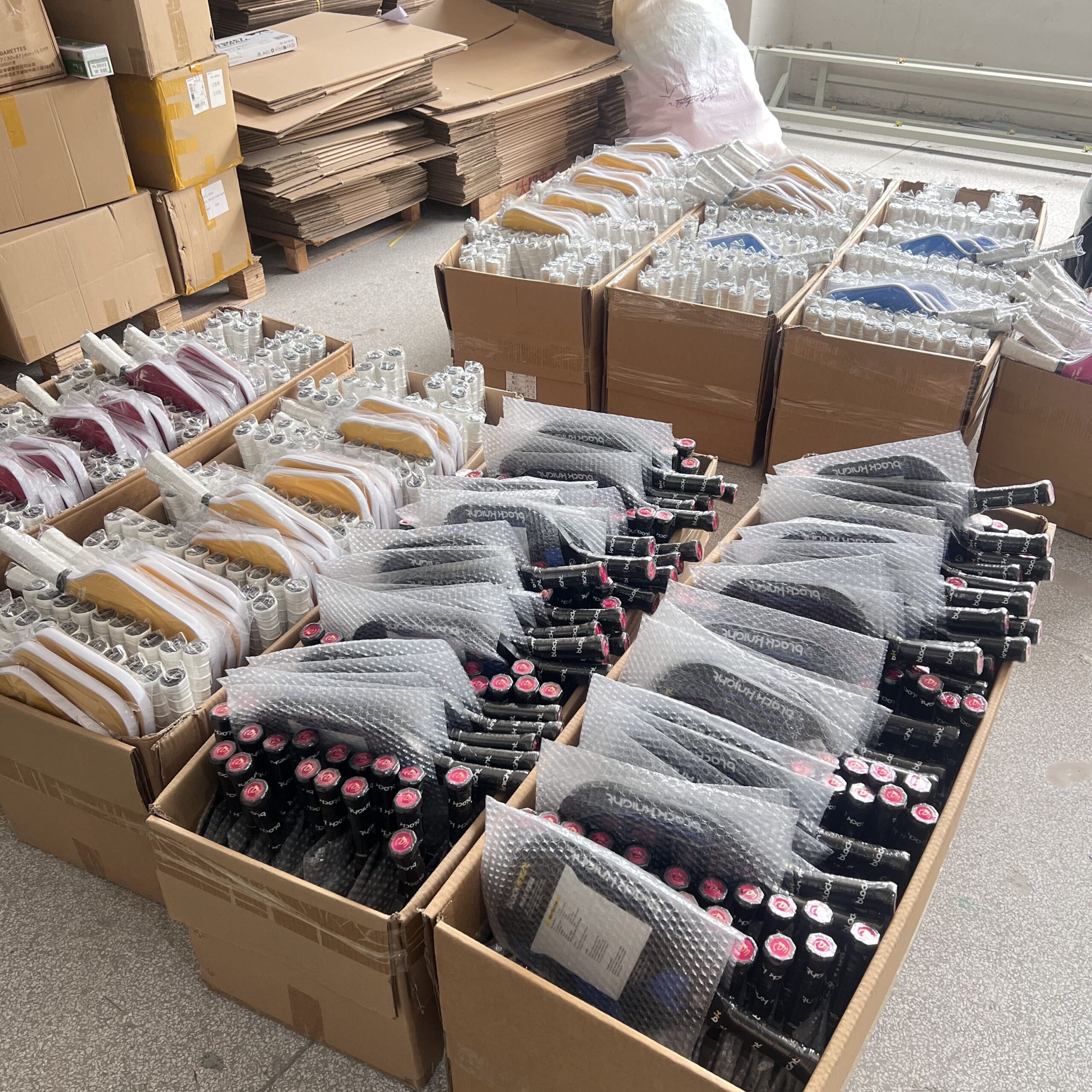
FAQ (what buyers actually ask about delamination and returns)
Does thermoforming automatically prevent delamination?
No. Thermoforming can improve structure integrity, but bonding discipline and batch QC still decide whether it stays stable in mass production.
If my sample passed, why did my first batch get complaints?
Because many problems are drift problems. They don’t show up in one perfect build. They show up when a factory repeats the same process under time pressure.
What’s the simplest thing I can do to reduce returns as a buyer?
Write acceptance standards into the PO and force version control. If the version is not locked, your product is not locked.
A practical note
At iAcesport, we don’t try to win with the lowest price. We try to win by making your first batch feel like your tenth batch, so your brand doesn’t get hurt by preventable returns.
If you tell me your channel type and your expected retail range, I’ll tell you which build structure is safer for your market and which QC points we should lock before shipment.