跳到内容
跳到内容 
When you search “how to ship from China,” you’ll see a lot of generic advice. In real paddle orders, shipping decisions are not about one cheapest option, they’re about what protects your launch date, your cashflow, and your return rate.
I’m going to share the decision logic I use with our customers: what to choose, when to choose it, and what details actually change cost and timeline.
Step 1: Choose your shipping responsibility first (FOB vs DDP)
FOB means you control the freight after the goods are delivered to the port/forwarder side. It’s great if you already have a strong freight partner and want full routing control.
DDP means you want a door-to-door plan and don’t want to manage import clearance and taxes yourself. It’s usually the easiest option for first orders and Amazon sellers.
If you don’t have a freight partner you trust, DDP is usually safer. If you do, FOB can be cheaper and more flexible.
The decision tree (fast answer)
| Your situation | Best choice | Why it works |
|---|---|---|
| First order, want least hassle | DDP | Fewer moving parts for buyer |
| Amazon replenishment, time-sensitive | Air DDP (or split) | Faster arrival, simpler process |
| Large wholesale order, margin sensitive | Sea (FOB or DDP) | Best cost per unit |
| You have a strong freight agent | FOB | More control and sometimes lower total cost |
| You need a launch date to hit | Air or split shipping | Protect launch window |
Step 2: Choose speed vs cost (Air vs Sea)
Air freight is not “expensive by default.” For medium orders that need to arrive fast, air can be a reasonable balance between speed and cost, especially when delays would cost you sales.
Sea freight is best when your order is bigger and you can plan ahead. The key is to not treat sea as “slow,” but as “planned.”
A practical strategy I recommend often is split shipping: ship a small air batch first to start selling, then ship the main quantity by sea to protect margin.
Shipping method by order size (50 / 80 / 100 / 200 / 500+)
Our customers ask me this constantly: “If I’m ordering 100 or 200 paddles, what should I choose?” Here’s the simplest rule: smaller orders are usually time-sensitive and margin-sensitive at the same time, so you’re choosing the least painful trade-off.
Order Size Decision Table
| Order Size | Best Default Option | Why | Watch-outs |
|---|---|---|---|
| 50–80 paddles | Express / Air DDP | Fast + simple for small cartons | Volumetric weight can shock you |
| 100–200 paddles | Air DDP (or split shipping) | Protect launch dates; manageable cost | Packaging volume decides everything |
| 200–500 paddles | Sea DDP or FOB Sea | Better cost per unit | Don’t wait too late to book |
| 500+ paddles | Sea (FOB or DDP) | Best landed cost | Confirm carton plan + labeling early |
Realistic transit timelines (planning ranges)
These are planning ranges, not guarantees. Peak seasons and destination rules matter.
| Method | Typical arrival range | Best for |
|---|---|---|
| Express (small cartons) | 5–8 days | Small urgent restocks |
| Air | 7–15 days | Medium orders, time-sensitive launches |
| Sea | 22–40+ days | Large wholesale, best cost efficiency |
Step 3: What actually drives shipping cost (buyers often miss this)
For paddles, volumetric weight and carton design often matter more than the “product weight.”
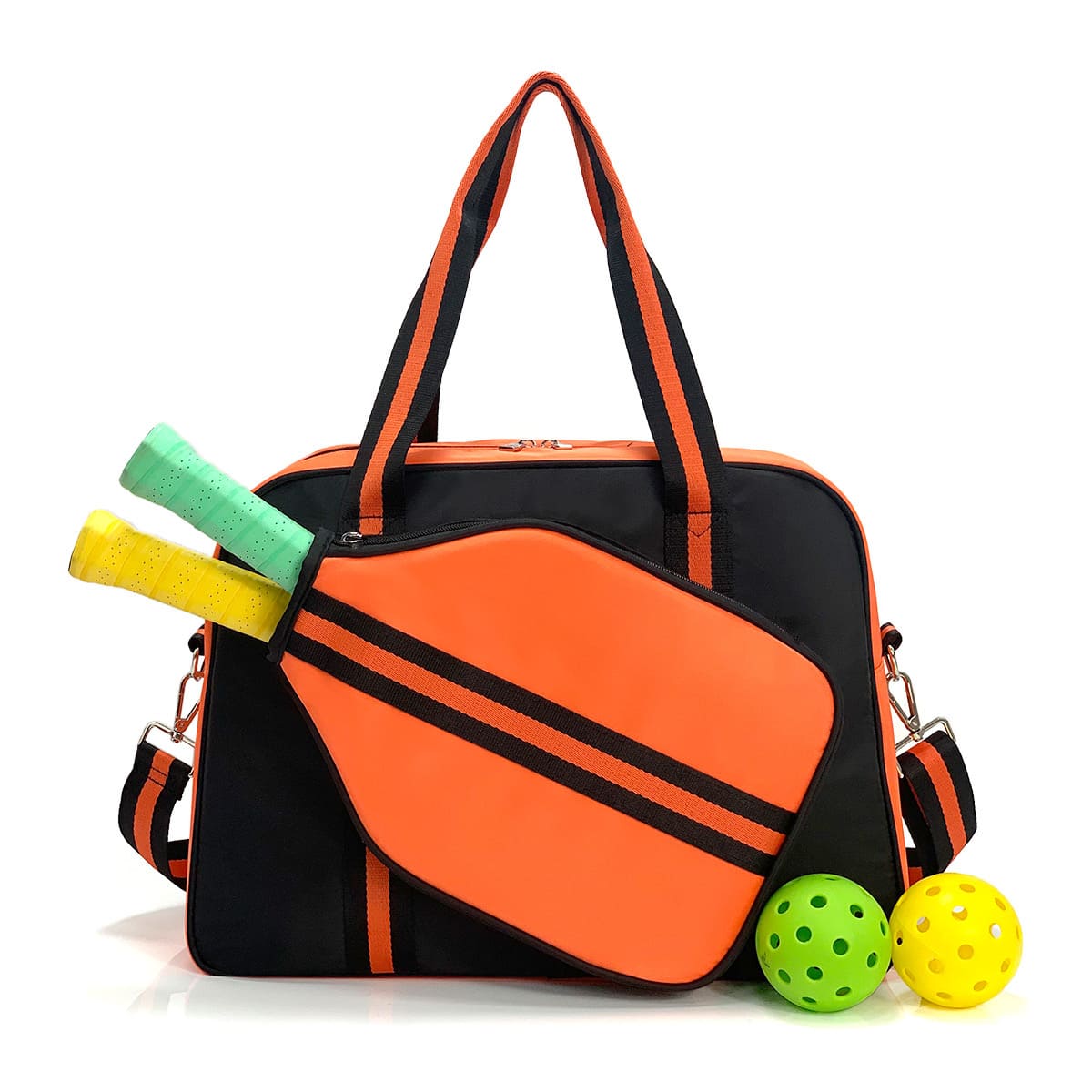
That’s why “two paddles + balls + towel + grip tapes + bag” can cost much more to ship than you expect, even if the total item weight doesn’t look crazy.
If you want a stable shipping quote, you need a stable carton plan.
-
Lock the packaging type early (single paddle, set, gift box).
-
Confirm estimated carton dimensions before booking.
-
Avoid last-minute set changes that increase volume.
Set orders vs single paddles (hidden cost difference)
For 100–200 paddle orders, the biggest cost surprise is usually not the paddles, it’s the set packaging. A “two paddles + balls + towel + grip tapes + carry bag” bundle can double carton volume, which can increase shipping cost a lot.
If you care about margin, a practical approach is: ship paddles first (single packaging), then ship accessories as a separate carton or a later batch, depending on your sales plan.
Step 4: Documents buyers should care about
Most shipping delays are paperwork delays. If you sends information in fragments, the whole chain slows down.
Here is the clean “shipping info pack” I recommend sending in one message.
| Item | Why it matters |
|---|---|
| Full delivery address + phone | Prevent delivery failure |
| Consignee name (legal) | Matches customs paperwork |
| Destination city/country | Route and cost calculation |
| Shipping term (FOB/DDP) | Defines responsibility |
| Preferred arrival window | Helps choose air/sea/split |
| Amazon needs (FNSKU/carton labels) | Avoid rework and delays |
| Warehouse receiving hours (if any) | Avoid rescheduled delivery |
How to get a reliable quote in 10 minutes (no back-and-forth)
If you want a reliable quote fast, send these 5 items in one message: destination + full address, order quantity, packaging type (single or set), estimated carton size (if known), and your required arrival window.
This one habit saves days of messaging for both sides.
Step 5: Amazon and e-commerce shipping traps (that cause hidden delays)
For Amazon sellers, shipping is not “done” until labeling is correct and cartons meet the receiving rules.
The most common problems I see:
-
Wrong FNSKU label version.
-
Carton labels missing or placed incorrectly.
-
Cartons too weak for multi-handling routes, causing damage claims.
-
Delivery appointment not shared, so delivery fails and gets rescheduled.
If you want fewer headaches, treat packaging + labeling as part of your shipping plan, not a last-minute detail.
Step 6: Insurance and damage risk (when it’s worth it)
If you are shipping premium sets or you cannot tolerate delays from damage claims, insurance is often worth considering.
The bigger point is not insurance itself, it’s packaging that matches the route. Door-to-door routes have more handling points, so carton strength matters.
People Also Ask (FAQ)
Q1: What is the best shipping method for pickleball paddles from China?
It depends on your order size and launch urgency. For medium, time-sensitive orders, air (often DDP) is a safe balance. For large orders, sea is the best cost per unit.
Q2: Should I choose FOB or DDP for my first order?
If you don’t have a trusted freight partner, DDP reduces coordination work and risk. If you do, FOB gives you more control.
Q3: Why did my shipping cost increase after packaging was confirmed?
Carton dimensions and volumetric weight often drive the cost. Set bundles can increase volume quickly.
Q4: How can I avoid delivery delays without video calls or factory visits?
Send a complete shipping info pack early, lock packaging and labels, and share any receiving-hour or appointment requirements before booking.
A practical note from iAcesport
When you send us the destination city, delivery address, and their preferred arrival window, we can usually recommend a more stable shipping plan right away.
We can support both air and sea door-to-door options, including customs clearance and taxes, so you don’t have to manage those details yourself.
If you’re building a brand, shipping should protect your launch, not surprise you at the last minute.