跳到内容
跳到内容 
If you’re buying your first pickleball paddle in India, don’t get pulled by “carbon fiber / power / pro” buzzwords. Your first paddle should hit two standards: it should feel comfortable (not harsh on the hand) and stay consistent over time (not “weird” after a few weeks). Start from your playing scenario first, then copy a proven spec combo
Start with your scenario (not the material name)
Most first-time buyers in India want the same three things:
- Not too much shock or vibration
- Easy control (you feel confident quickly)
- Stable feel over time (no loose edge, no fast texture loss, no “same model feels different”)
Here are real-style lines I often hear from India players or club buyers (in plain words):
- “I’m new. I don’t want my wrist to hurt.”
- “I need something easy for beginners, please, not too heavy.”
- “I bought two ‘same’ paddles before. They felt different. I don’t want that again.”
My simplest rule: pick your scenario first. The same “T700” label can feel totally different across constructions and thickness.
Pick the closest scenario below:
-
Casual beginner / club tryouts / school use → forgiving, easy, low complaint risk
-
You’re getting serious and want a clear upgrade → more stable, more comfortable “upgrade feel”
-
You want a higher-end feel → prioritize stability + comfort, not “more power at all costs”
In this guide, I’ll break down the most copied, best-selling “mainstream specs” in India: what to choose for thickness, surface, and construction; what combos are safest; and what mistakes new players repeat.
India’s safest mainstream specs
You can screenshot this and share it with a friend/coach.
| Your situation | What you want to feel | Copy-first spec combo | Why it’s hard to regret | Soft note for brands/procurement |
|---|---|---|---|---|
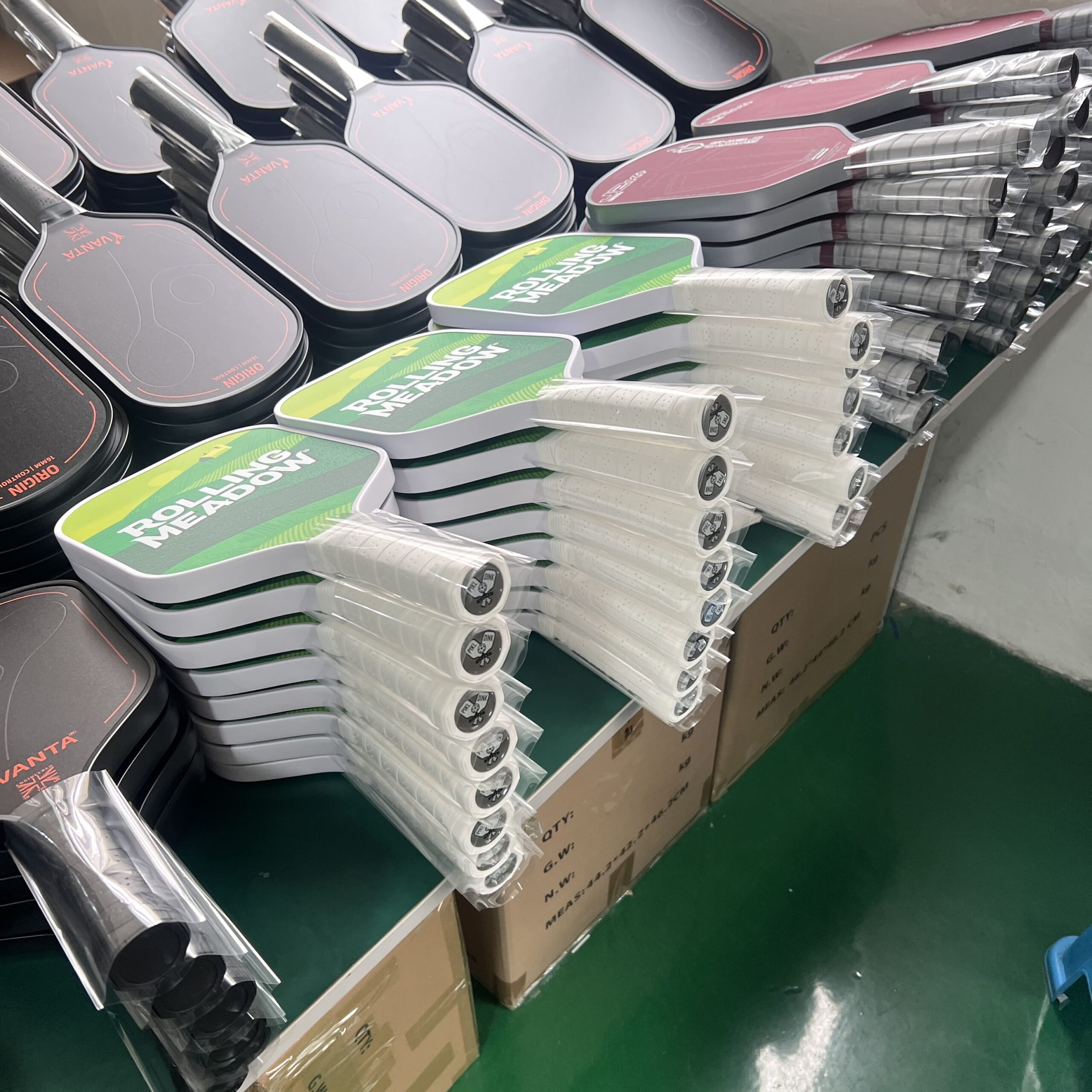
| Casual beginner / club tryouts / school | comfortable, forgiving, easy control | Fiberglass face + 16mm (or 13mm if you want faster handling) | Fiberglass is easier on the hand and easier to learn with | Lock weight range + packaging list early to reduce avoidable returns |
| Want an upgrade but keep budget controlled | cleaner feel, more “upgrade”, still stable | Cold-press T700 + 13mm/16mm | Upgrades positioning without jumping cost too hard | Consistency beats “spec storytelling” for repeat orders |
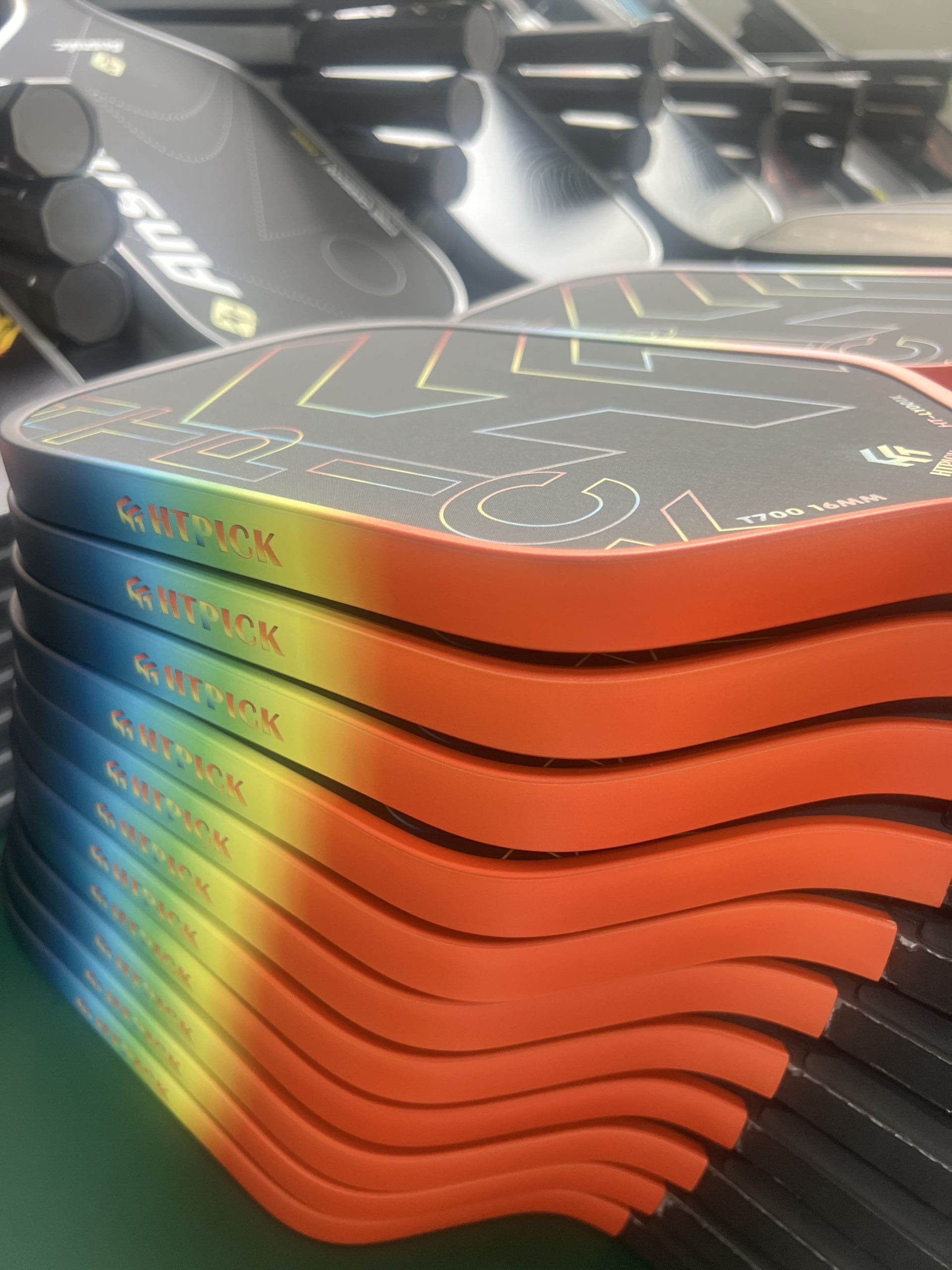
| Want “instant upgrade feel” | more stable sweet spot, more comfort | Thermoformed + perimeter foam + T700 | Many players feel the difference quickly | Thermoformed quality depends on structure details and process consistency |
| Want a more “lively” rebound + comfort | more pop, still controlled | Full-foam / Gen 5 (EVA+EPP) direction (stable density) | Lively rebound, many advanced players like it | The key is density system + process lock, not the buzzword |
Quick reality: India is not only a low-price market. Clubs, stores, and serious players care a lot about stable feel and quality, your paddle has to stay “the same” over time.
Scenario 1: casual beginners / clubs / schools (the safest start)
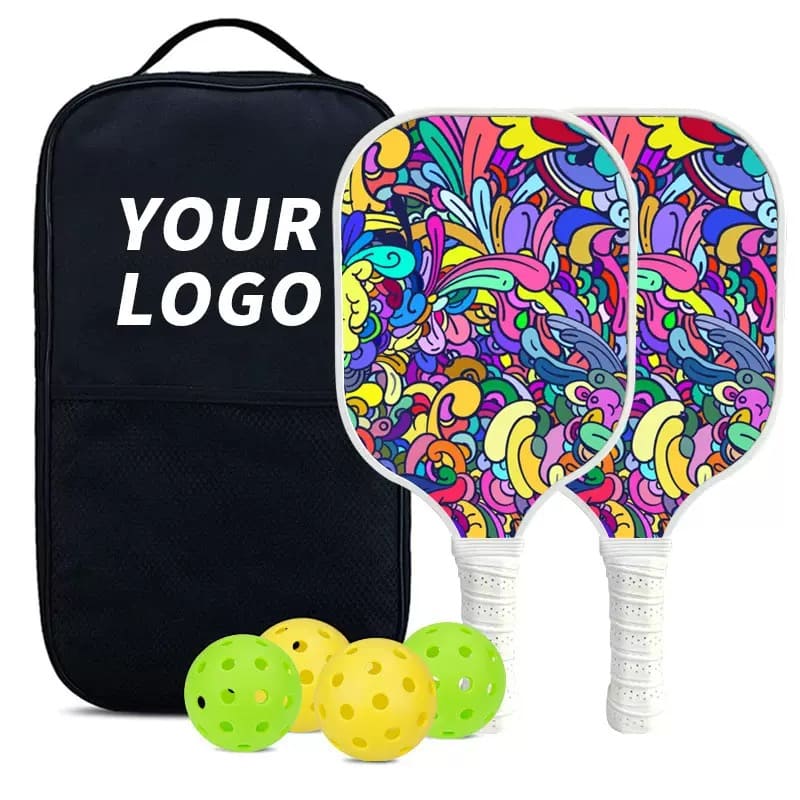
This group usually needs:
- Not too heavy
- Not harsh on the hand
- Easy control
- Durable enough for repeated use
A very typical club/school request sounds like:
- “We have mixed ages. Please give us one spec that most people can use.”
- “We don’t want complaints like ‘too hard’ or ‘too heavy.’”
Recommened Thickness: 16mm for stability, 13mm for quicker handling
- 16mm: more stable, easier control, often more comfortable
- 13mm: faster handling, more “quick”, but can feel jumpier for some beginners
Simple pick:
- Want stable + comfortable + fewer mistakes → 16mm
- Want faster handling + quicker feel → 13mm
Recommened Face material: fiberglass is beginner-friendly for a reason
Many first-time buyers hear “carbon fiber” and rush. Then they realize the paddle feels too stiff or too harsh.
Fiberglass tends to feel more forgiving and easier to control,especially for new players, clubs, and schools.
Soft brand/procurement note:
If your target buyers are beginners or schools, fiberglass usually reduces complaints. Don’t over-market the material, deliver a stable feel.
Scenario 2: you’re getting serious and want a clear upgrade (without wasting money)
A common mindset is:
“I want something noticeably better, but I don’t want to get tricked by marketing.”
In India, I also hear this a lot:
- “I’m playing more now. I want an upgrade I can feel immediately.”
Two upgrade paddles make the most sense:
Path A: cold-press T700 (value upgrade path)
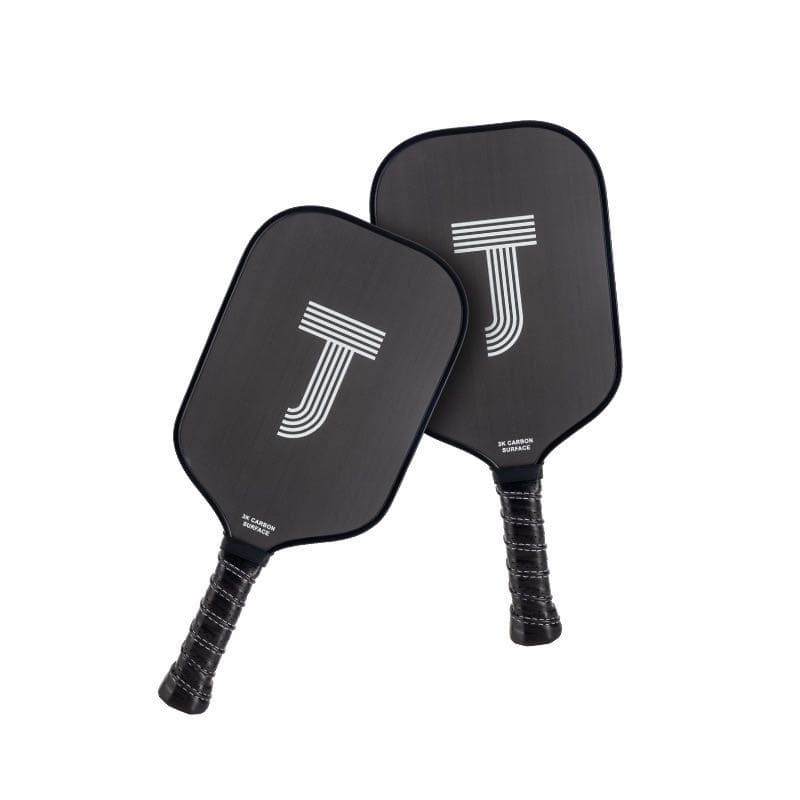
This works when you want a more “clean” upgrade feel without a big cost jump.
It’s less about the name and more about building a clearer feel and positioning.
Path B: thermoformed + perimeter foam (instant comfort/stability upgrade)
This is for players who want the “I can feel it immediately” upgrade:
- sweet spot feels more stable
- comfort feels clearer
But: thermoformed is not magic by itself. Real difference comes from structure details and consistency.
Soft brand/procurement note:
If your “upgrade” SKU becomes inconsistent across batches, the brand pays the price. Lock weight range and surface process early.
Scenario 3: higher-end feel (prioritize stability + comfort, not “maximum power”)
Many buyers chase “more power” and end up with a paddle that feels harsh or unpredictable.
Higher-end buyers usually love:
- stable feel
- comfort for longer play
- reliable response
A very “real” player line is:
- “I don’t need crazy power. I need it to feel solid every time.”
Two common directions in India right now:
Gen 4-style thermoformed direction (stable + comfortable route)
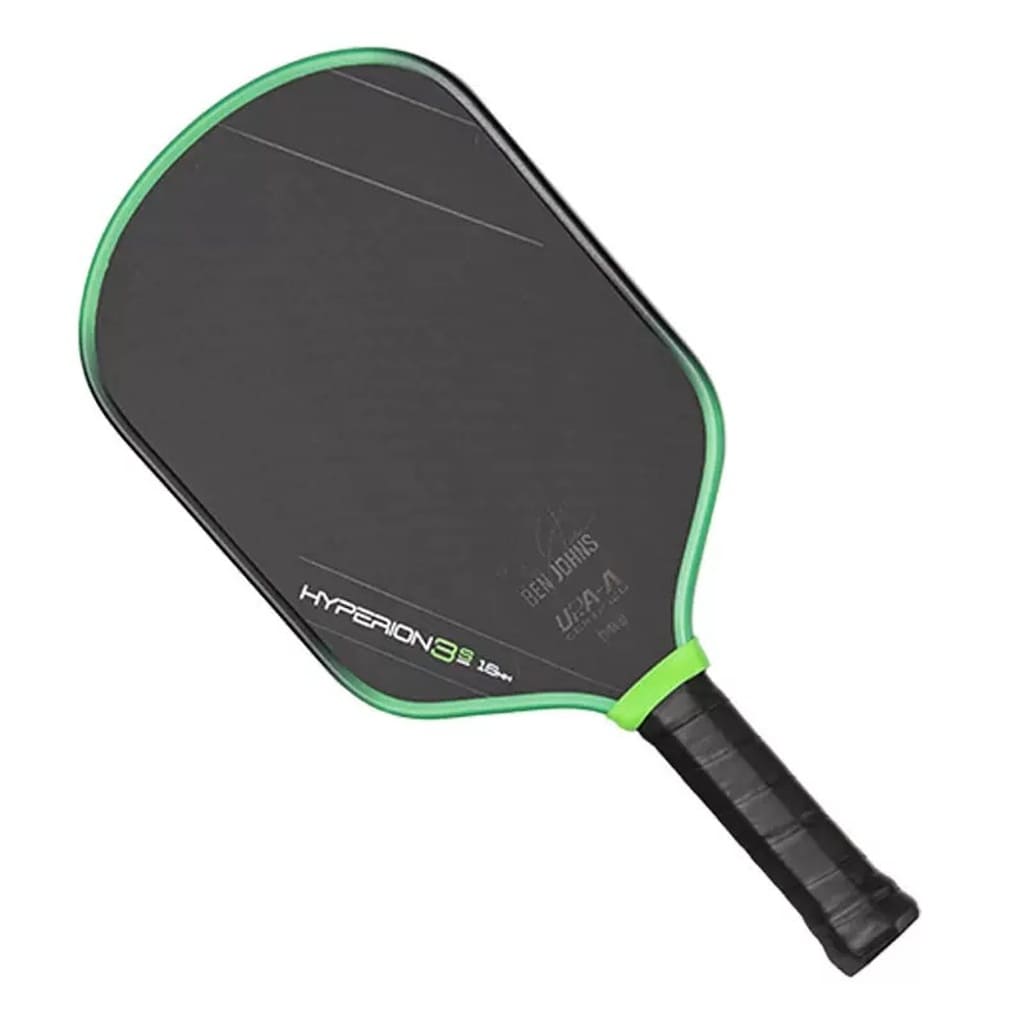
Many players describe it as “smoother” and more forgiving, with a stable sweet spot.
Full-foam / Gen 5 (EVA+EPP) direction (livelier rebound route)
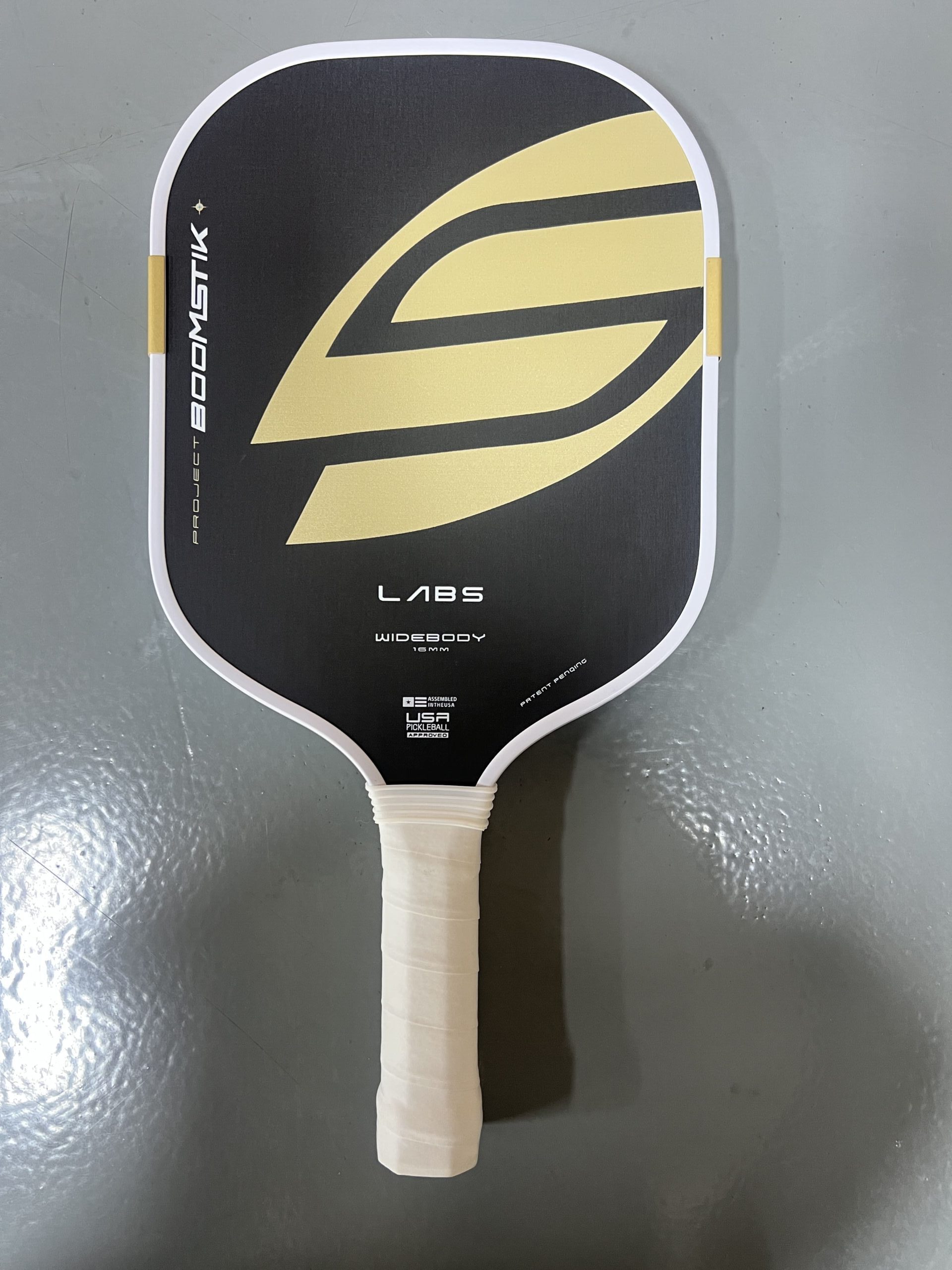
Gen 5 (EVA+EPP) often feels more “lively” with more rebound.
Sound/feel is usually between:
- pure EPP (more muted)
- Gen 4-style (crisper)
Many advanced players like this “lively but comfortable” balance—if the build is stable.
The 7 mistakes new buyers in India repeat
1) Choosing by material name, not construction
2) Asking only “weight” but not “weight range” (same model can feel different)
3) Chasing maximum roughness instead of durability
4) Thinking “more pop” always means “better”
5) Ignoring edge durability (edge guard vs edgeless matters for real life)
6) Copying short videos without matching your scenario
7) Loving day-1 feel, then hating week-3 changes (texture wear, loose edge, inconsistent feel)
People Also Ask
Should beginners choose 13mm or 16mm in India?
16mm if you want stability and comfort. 13mm if you want faster handling.
Is fiberglass “low-end”?
It's good for beginners or clubs. It’s often the most forgiving and easiest to control
Is T700 always better?
Not automatically. Labels don’t guarantee feel. Construction and thickness matter.
Is thermoformed always premium?
Yes. It can feel more stable and comfortable, but structure details and consistency decide the outcome.
I want a “lively” feel, what should I copy?
Look at full-foam / Gen 5 (EVA+EPP) direction, but choose a stable build (consistency matters).
How do I avoid a paddle that becomes “weird” after weeks?
Watch for big weight variation, fast texture wear, and loose edge assembly, these are common “later complaints.”
Final honest reminder
Your first paddle doesn’t need to be “the strongest.”
It needs to be comfortable, easy to control, and stable over time.
Once you know whether you prefer “stable” or “lively,” your second paddle upgrade will feel obvious, and you won’t waste money.