跳到内容
跳到内容 
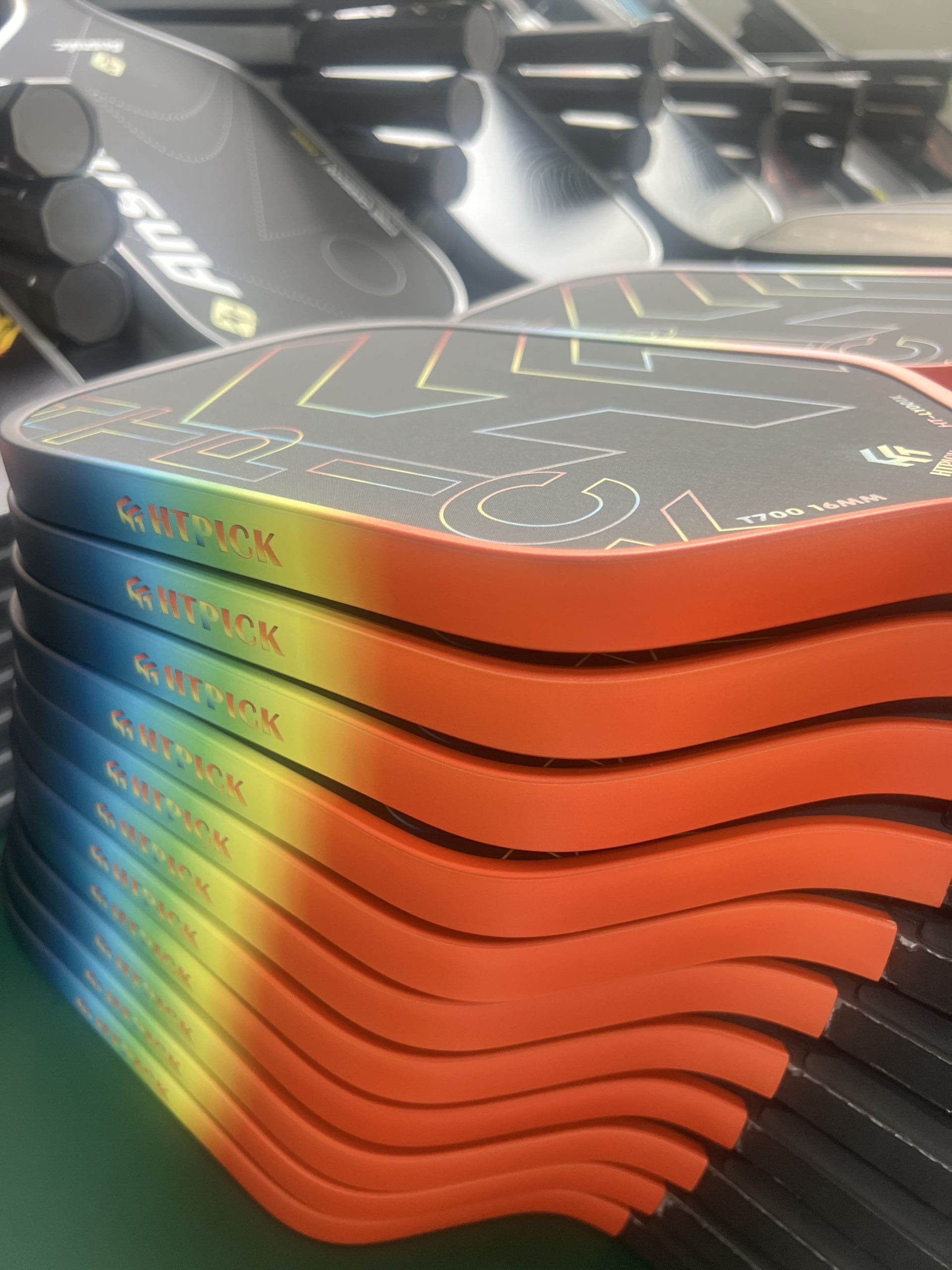
I recently received an inquiry from a Junior Club: ages 6–15, bulk purchase. They want it affordable and usable, but also not too heavy, not too harsh on the arm, and not falling apart quickly. That’s honestly the same “real-world” requirement I hear from most school and youth-program buyers.
This guide is written for school buyers, junior clubs, distributors, and brands building a junior-friendly line that’s easy to explain, easy to reorder, and low-risk for returns.
Who this guide is for
-
If you are junior clubs (ages 6–15), schools, PE programs, camps, or community clubs
-
You need a line that is simple to purchase in bulk (clear SKUs, clear specs)
-
You want fewer complaints: “too heavy,” “hurts the arm,” “broke fast,” “same model feels different”
-
You want something that sells and reorders, not a “one-time sample win”
What junior clubs actually care about (and what they don’t)
Junior clubs don’t buy paddles like enthusiasts do.
What matters most:
-
Weight feel: If it feels heavy, kids stop using it
-
Comfort: Too stiff/too harsh = complaints (and coaches notice)
-
Durability: Drops, scrapes, and rough handling are normal in training
-
Consistency: “Same model, different feel” causes immediate distrust
-
Cost control: Not “cheapest,” but reasonable + stable + low after-sales risk
What matters less than people think:
-
Ultra-technical marketing terms
-
Over-complicated surface options
The simplest product line that works
If you want a clean line that sells, start simple. For most junior programs, 2 SKUs is enough. If you want one upgrade path, use 3.
Option A: 2-SKU line (most recommended)
-
SKU 1 — Entry / Volume Model (Junior-Friendly Control)
Cold-press + fiberglass face (forgiving, easy, low complaint risk) -
SKU 2 — Upgrade Model (Still junior-safe, feels “better” immediately)
Cold-press + raw carbon fiber, with a cleaner, more responsive feel (you can keep it beginner-friendly while giving a noticeable upgrade)
Option B: 3-SKU line (if your club has mixed levels)
- SKU 3 — Coach/Advanced Junior Upgrade
Thermoformed series + raw carbon fiber. A more performance-oriented option for older kids or advanced groups (keep it controlled, not overly aggressive)
A buyer-friendly SKU blueprint table
| SKU Role | Best For (Your customers) | Construction | Face Material | Thickness | Key Selling Point | Low-Return Priority |
|---|---|---|---|---|---|---|
| Entry / Volume | Schools, camps, beginner juniors | Cold-press | Fiberglass | 13mm or 16mm | Easy to use, forgiving | Weight consistency + comfort |
| Main Seller | Junior clubs (mixed levels) | Cold-press | raw carbon fiber | 13mm or 16mm | Stable feel, better feedback | Same feel across batches |
| Upgrade | Advanced juniors / coaches | Thermoformed series | Raw carbon fiber or Gen 4, Gen 5 core etc | 16mm | “Feels better immediately” | Durability + spec lock |
Thickness: what usually works best for ages 6–15
For junior programs, keep it simple:
-
13mm: Livelier feel and quicker response; good if your juniors like a faster, more direct paddle
-
16mm: More stable and forgiving; often preferred for training because it reduces “wild hits” and feels steadier
If you’re unsure, a safe approach is:
-
Entry model glassfiber: 13mm or 16mm based on club preference
-
Upgrade model raw carbon fiber: 16mm (more stable for developing technique)
Size & handle: the junior-friendly approach
For junior clubs, you don’t need exotic shapes. You need something that is:
-
Easy to control
-
Comfortable to hold
-
Consistent to reorder
Practical recommendations:
-
Standard or widebody both work; widebody is often easier for juniors because it feels more forgiving
-
Grip comfort matters more than people expect for ages 6–15 (hand size varies a lot)
-
If your program has younger kids (6–10), consider a junior-friendly handle plan (lighter feel, easier grip control)
The “fast procurement decision” module (for school & club buyers)
If you only want one fast rule to decide:
-
If your customers are mostly newbies / school PE / clubs with mixed skill → start with cold-press + fiberglass as your main bulk SKU
-
If your customers include older juniors or competitive juniors who want a clearer performance upgrade → add one upgrade SKU like Raw carbon fiber that still stays comfortable and consistent
That’s it. Two SKUs can carry a junior program for a long time.
What causes most junior complaints (and how to prevent them)
Complaint 1: “It feels different from the other one”
This is the most damaging complaint in bulk programs. It usually comes from:
-
Loose weight control
-
Process drift (surface/finish changes between batches)
-
Assembly variation (edge guard, handle build, etc.)
How to prevent it:
-
Lock a weight range (not one number)
-
Lock a confirmed surface/finish method (don’t change it silently after sampling)
-
Keep a golden sample reference for repeat orders
Complaint 2: “Too harsh / too stiff for kids”
This is where fiberglass shines for juniors.
How to prevent it:
-
Use a forgiving face material for the entry SKU
-
Avoid building the junior line around overly harsh “pro-feel” setups
Complaint 3: “It broke or looked damaged too fast”
Junior training is rough. Drops happen. Scrapes happen.
How to reduce damage returns:
-
Use stable assembly and packaging that protects edges and surfaces
-
Keep packaging contents consistent and clearly labeled
Packaging for junior clubs: keep it simple first, upgrade later
For bulk junior orders, “fancy” packaging is not the priority. Predictability is.
Recommended starting path:
-
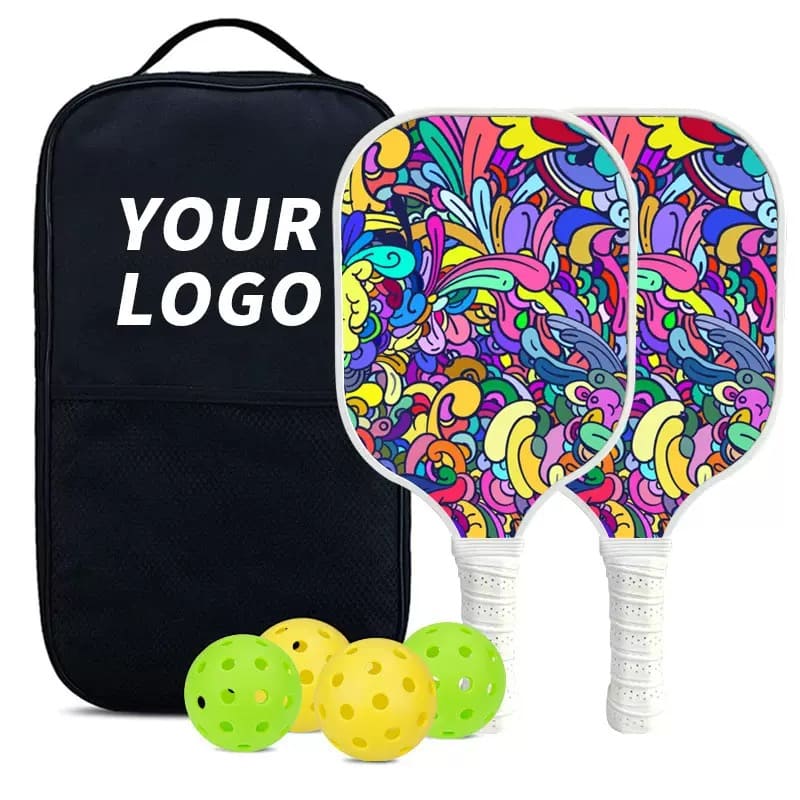
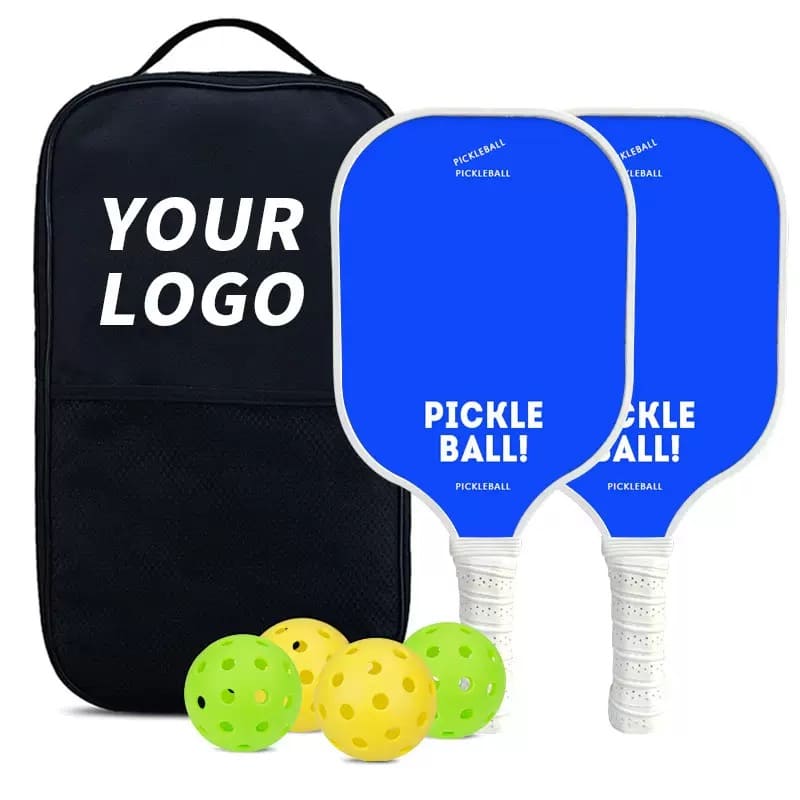
First order: paddle cover or carry bag (low MOQ, practical, clean)
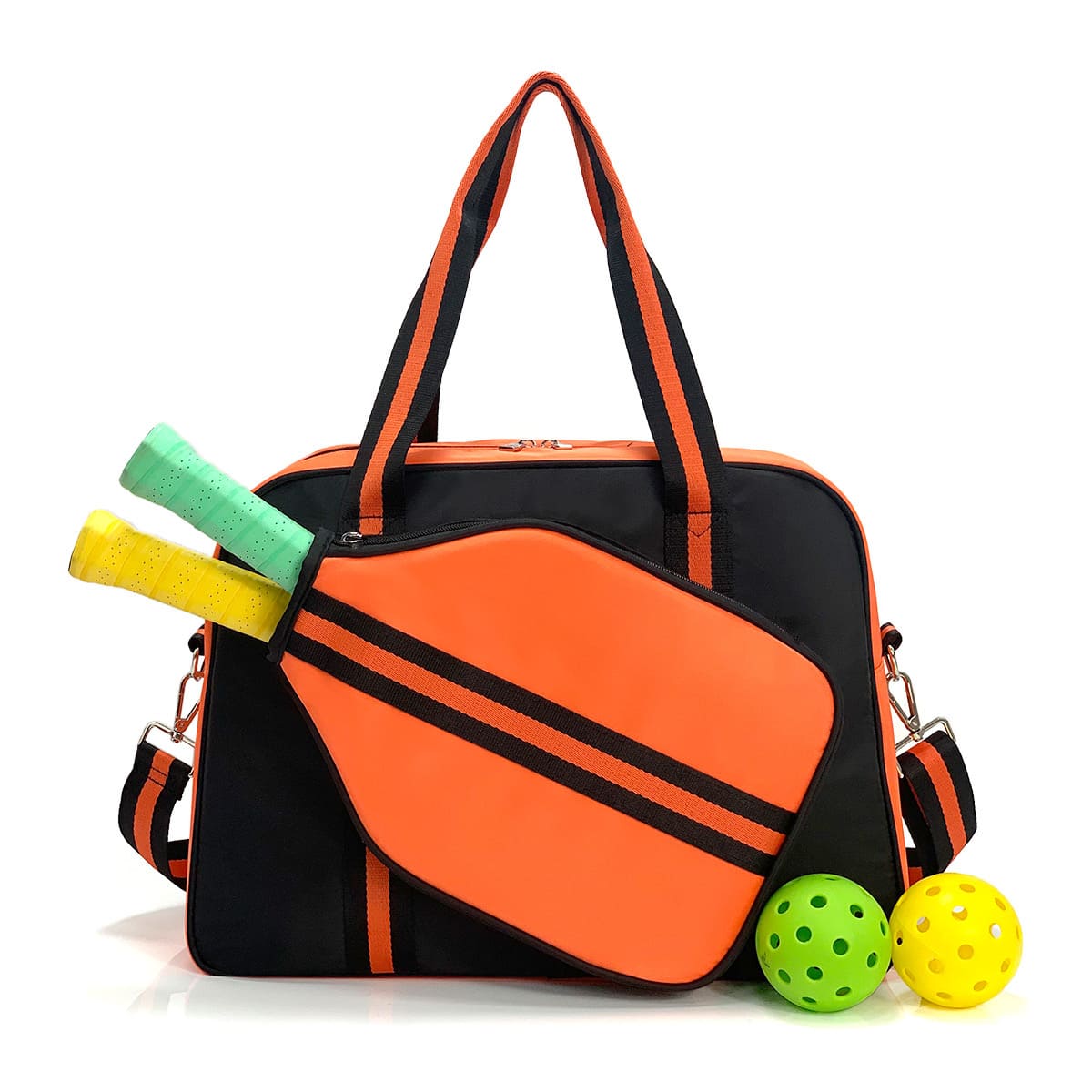
-
Upgrade later: individual box (branding improves, but custom boxes usually need MOQ)
Final note
I’ve learned something from youth-club orders: juniors don’t “break” a paddle because they play too hard, they break it because real training is messy. Paddles get dropped, scraped, mixed up, and used by different kids every day.
So when you build a junior line, the goal isn’t to create one perfect sample. The goal is to make the first batch and the next batches feel the same, and to keep the common failures from happening in the first place.
If you start with a simple 2-SKU setup (a forgiving fiberglass volume model + raw carbon fiber upgrade option), junior programs usually run smoothly, and reorders become much easier.