跳到内容
跳到内容 

In the last year, I’ve noticed something funny: buyers can spend two weeks comparing cores and surfaces, but returns often start from something much simpler, packaging.
Not because the box “isn’t pretty,” but because the customer experience breaks: missing items, confusing set contents, loose balls smashing the box, or a cover that smells cheap.
So in this article, I’m not going to talk like a “packaging catalog.” I’ll share what I see brands do when they want two things at the same time: sell faster and reduce returns, across Amazon, retail shelves, and distributor orders.
Who This Guide Is For
If you are a brand owner, retailer, Amazon seller, school buyer, or event organizer, this guide will help you choose packaging that your customers understand quickly, trust more, and complain less about.
Packaging Is Not One Thing, It’s a System
When buyers say “packaging,” they usually mean the box. But in real business, packaging is a system made of:
-
The primary protection (cover / bag / polybag)
-
The presentation layer (box / sleeve / gift box)
-
The internal protection (insert tray / foam / paper holder)
-
The accessory layout (balls / towel / overgrip / manual)
-
The shipping layer (outer carton strength + packing method)
-
Labels / barcodes / manuals and all the “small things” buyers forget
If any one part is weak, it can create returns even if the paddle is perfect.
Packaging Menu: The Most Common Packaging Types
Here’s a clean “menu” you can choose from (you can mix them)
Type A — Low MOQ, Fastest Start
-
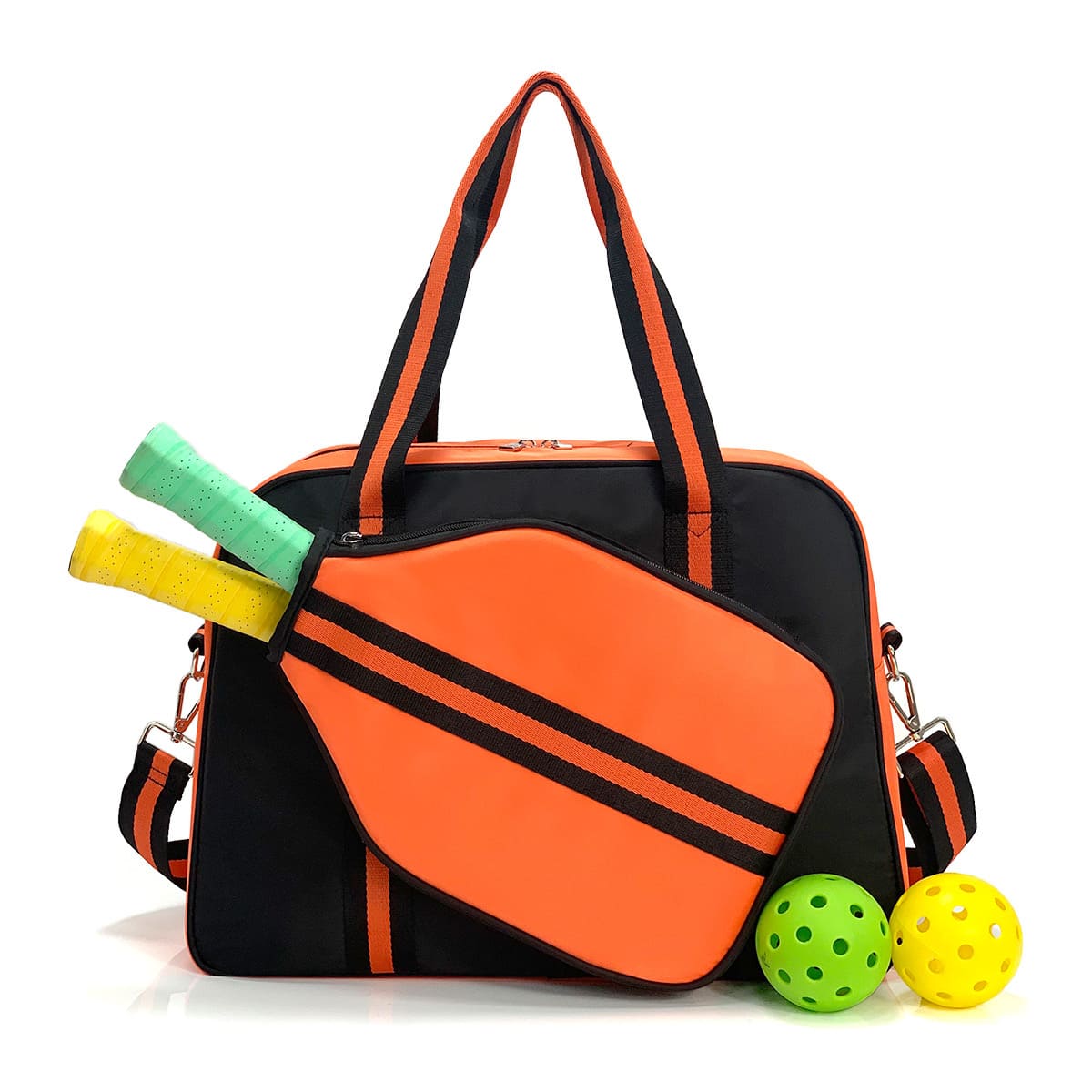
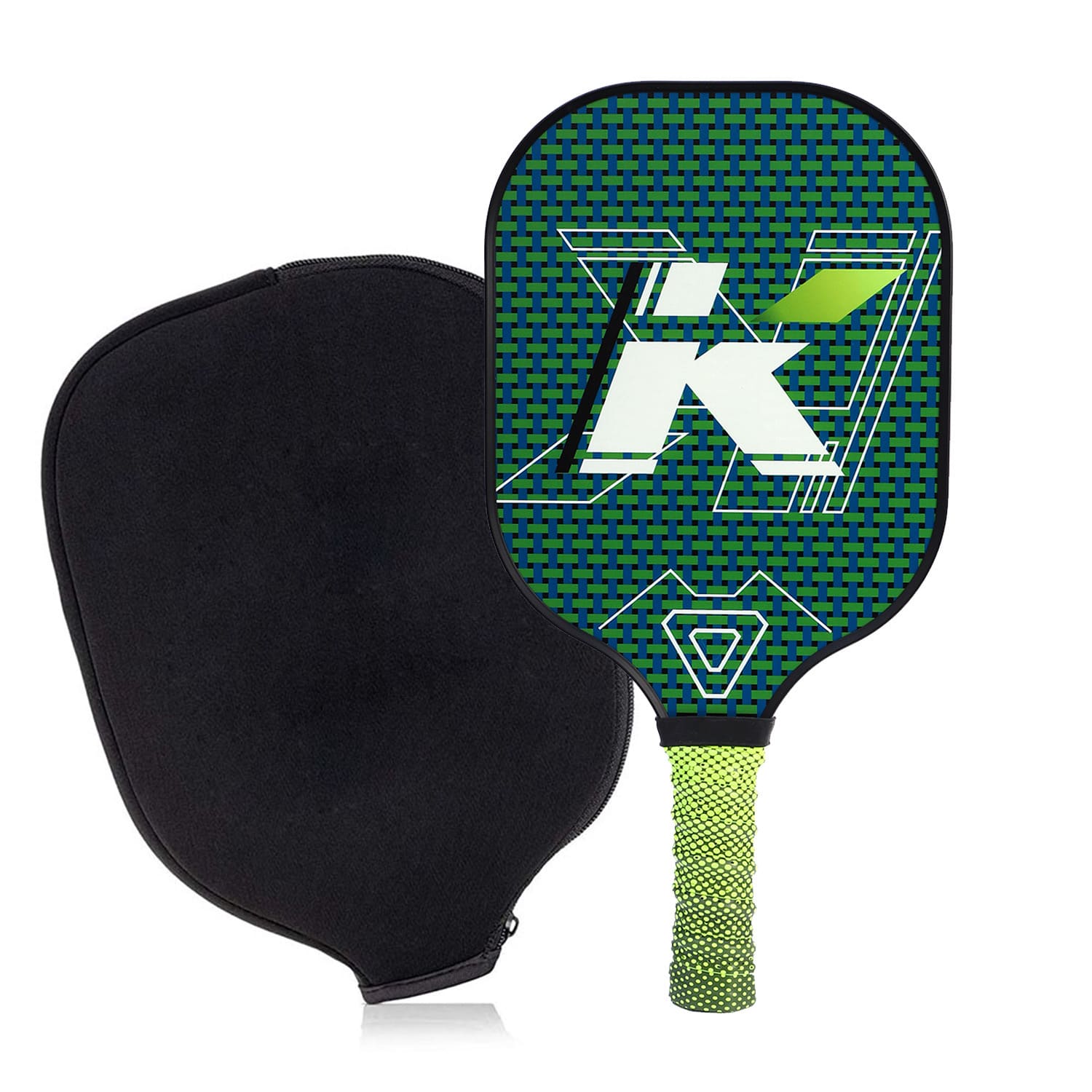
Paddle cover (neoprene cover / simple fabric cover)
-
Polybag + label sticker (basic protection)
-
Carry bag (single paddle or set bag)
Why it’s great for small MOQ: you can launch with a clean look without being forced into high box MOQ.
Type B — Retail-Friendly Box Options
-
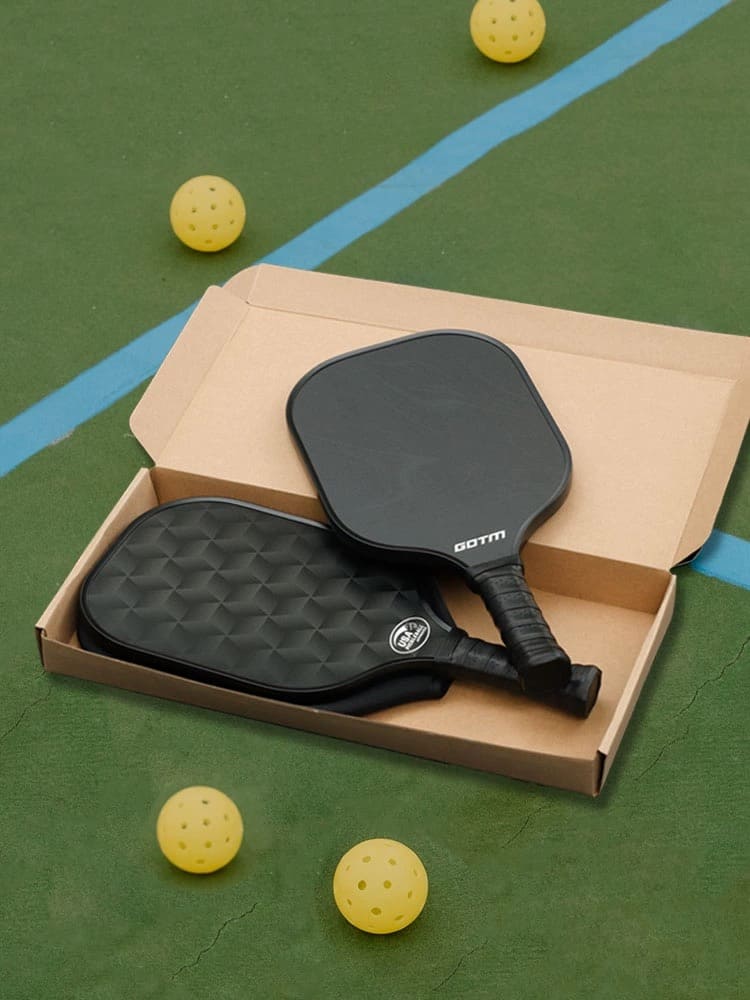
Standard plain box + sticker label (low MOQ version of “retail box”)
-
Custom printed color box (strong branding, but usually has MOQ)
-
Premium gift box (flagship positioning, higher cost, more dent-risk if shipping protection is weak)
Type C — Internal Protection (The Return-Killer)
-
Insert tray (paper tray / molded tray / EVA foam tray)
-
Accessory compartments (separate pockets/cavities for balls, towel, overgrip)
Type D — “Mix & Match” Combos That Work Best
-
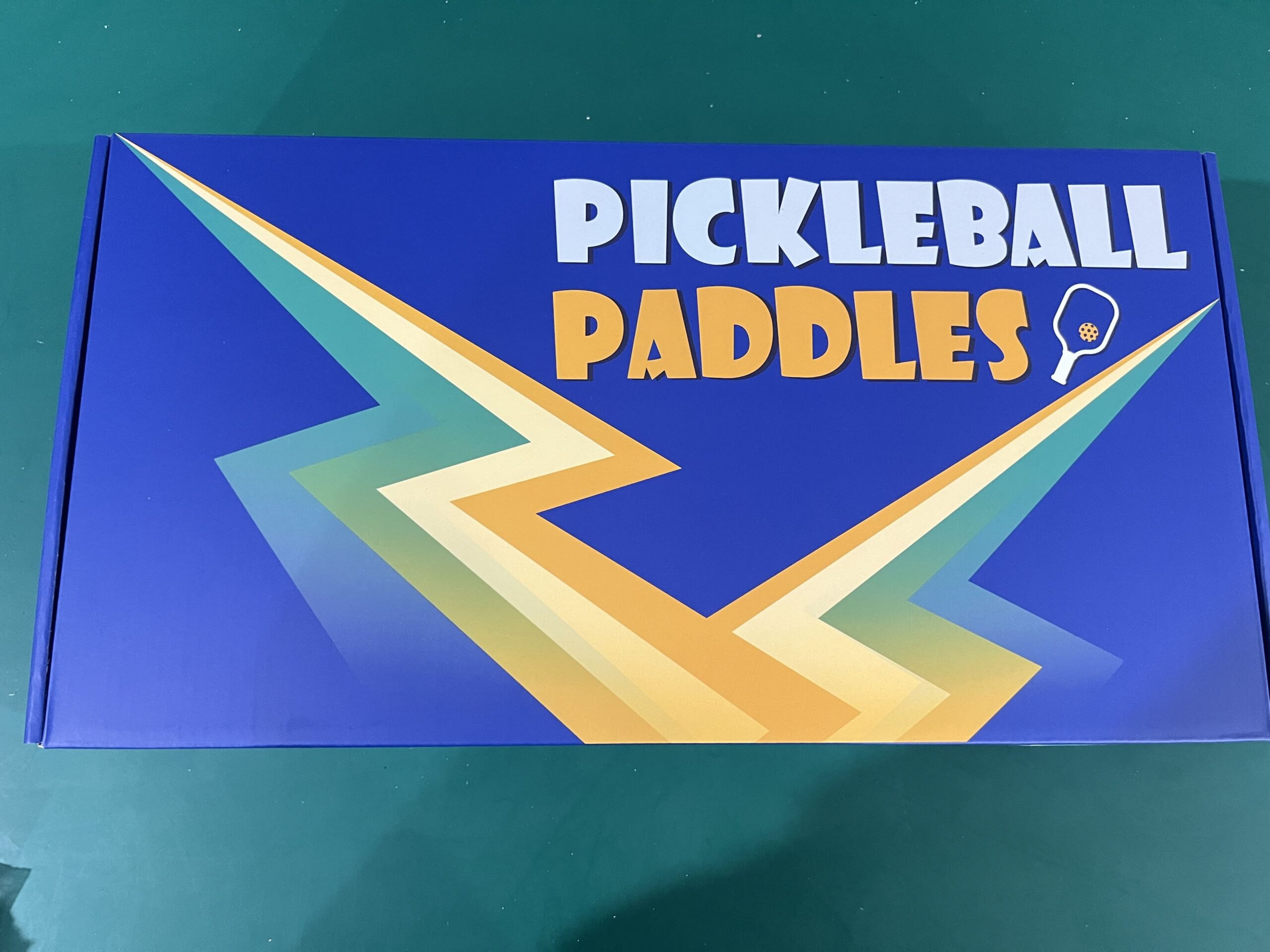
Cover first, then into a box
-
Box + insert tray that holds paddle + balls + towel + overgrip + manual
Small MOQ Reality: Paddle Covers Are Often the Best First Step
If you are starting with a smaller order, a paddle cover is often the best packaging choice.
Because it upgrades the customer’s first impression immediately, and it doesn’t lock you into a high MOQ color box.
Custom printed boxes (with full design) usually require a MOQ. Different suppliers have different minimums, but generally, custom color boxes are not “small-batch friendly.”
A very practical upgrade path I see many brands use:
-
Start with: cover + carry bag + simple label
-
Then upgrade to: standard box + sticker label + basic insert
-
Then finalize: custom color box + full insert system for premium SKUs
Quick Packaging Decision Tree (By MOQ + Channel)
Here is a quick way to pick a packaging starting point without overthinking it.
You can treat this as a fast filter before you discuss box design details.
| Your situation | Best packaging start | Why it works | What to avoid |
|---|---|---|---|
| Small MOQ + Online | Paddle cover | Fast launch, low risk, still looks retail-ready | Custom printed gift box too early |
| Small MOQ + Retail test | Standard plain box + sticker label + simple insert | Shelf-ready without high MOQ | Too many box styles across SKUs |
| Medium MOQ + Amazon main seller | Color box + insert tray + accessories fixed | Lowest “missing/damaged” return risk | Loose balls/accessories in box |
| Medium/large MOQ + Flagship | Premium gift box + rigid insert + stronger outer carton | Giftable + professional + protected | Premium box without matching shipping protection |
| Distributor/club bulk | Strong outer carton + clear carton marking + bundle sorted | Easy sorting, fewer packing errors | Mixed cartons, unclear markings |
The 4 Bundle Types That Sell Fastest
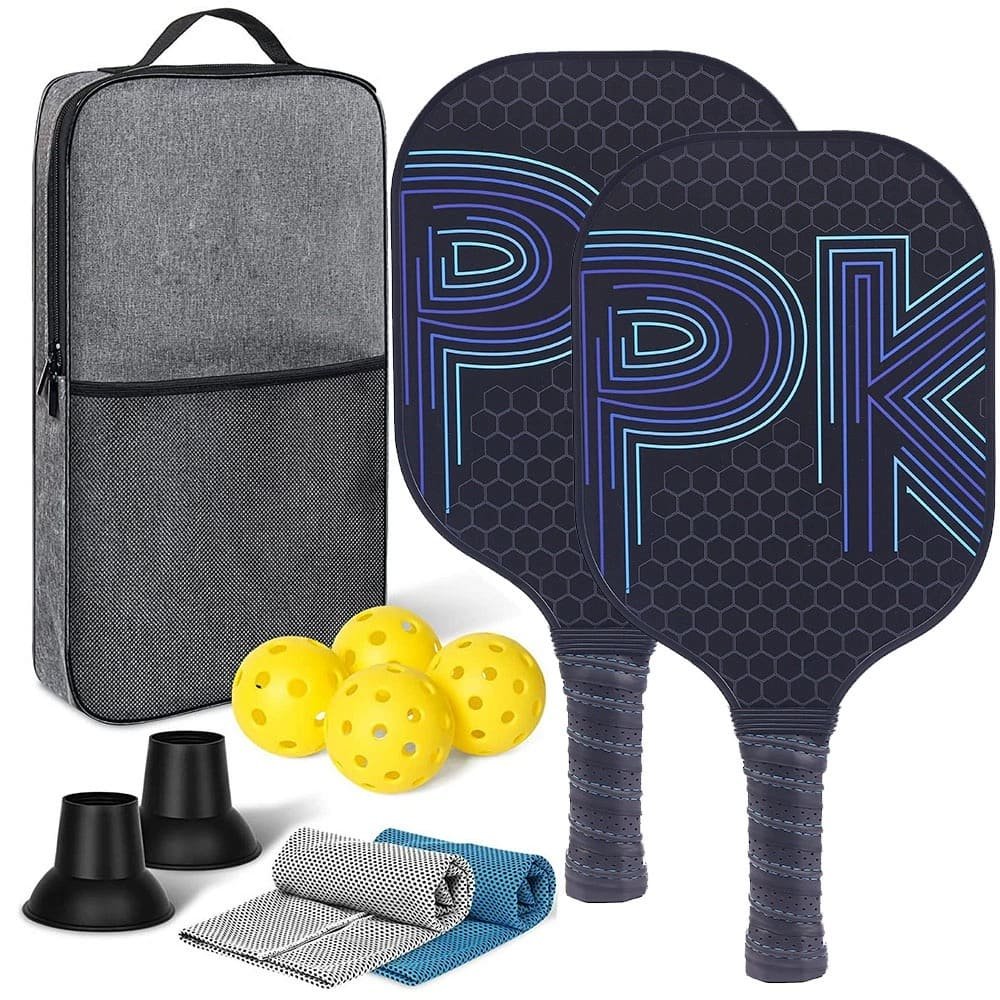
These bundle types convert well because your customers understand them instantly and feel “complete value.”
Common set types include:
-
Two paddles + 2 or 4 balls + towel + overgrip
-
Two paddles + balls + towel + overgrip + carry bag
-
Four paddles + balls (family or club set)
-
Single paddle + premium box (flagship positioning)
-
Single paddle + balls / overgrip / manual + premium box (flagship gift-ready)
Dead-Stock Prevention Tip: Modular Packaging
Here’s a simple trick to reduce dead stock: keep the core packaging consistent, and change only the sleeve, sticker label, or contents card for different SKUs or promotions.
This way, you won’t end up with thousands of boxes printed for a SKU that doesn’t sell. You can pivot faster, especially in your first 3–6 months.
Practical examples:
-
Use one standard box size for your whole line, then differentiate SKUs by sleeve color + contents card
-
Use one universal carry bag, then differentiate entry vs premium with hang tags or sticker labels
-
Keep insert structure consistent, only swap accessory mix (balls / towel / overgrip / manual)
Channel Differences: What Your Customers Actually Complain About
Amazon / Online
Your customers judge with reviews. Small packaging mistakes become big rating damage.
Top complaint triggers:
-
Missing accessory (even a $0.2 item becomes a 1-star review)
-
Box arrived dented → “not giftable”
-
Set contents unclear → customer thinks they were “scammed”
Retail Shelf
Retail needs clarity and consistency across SKUs.
Top complaint triggers:
-
Barcode placement wrong / not scannable easily
-
Box dimensions inconsistent across SKUs (messy shelf display)
Distributors / Schools / Clubs
They care about “no mistakes” and “easy sorting.”
Top complaint triggers:
-
Mixed cartons, wrong set counts
-
Lack of clear carton marking
How To Reduce Returns With Simple Packaging Details
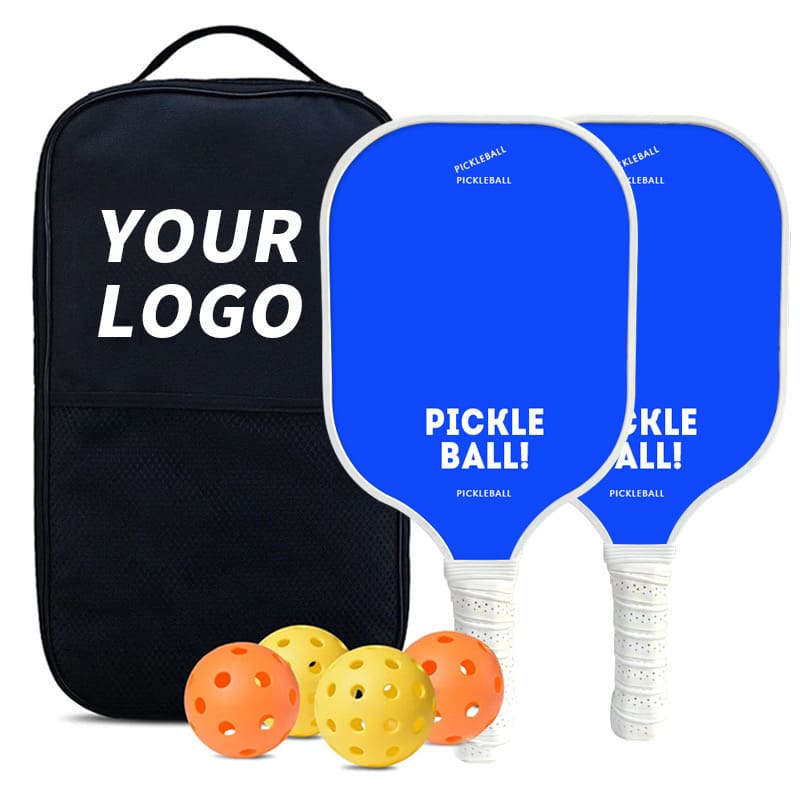
Here are small changes that make a big difference:
-
Put a contents list on the front (not only the back)
-
Lock balls separately (balls bouncing inside destroys the box)
-
Use an insert tray when your set has 3+ accessories
-
If you use a cover, make it feel clean and “retail-ready” (no smell, no cheap zipper feel)
-
Add a simple manual/instruction card (it reduces “confusion returns”)
Insert Layout Examples (What To Put Where)
Instead of only saying “use an insert,” here are two simple layouts that work well in practice.
The goal is: nothing moves, nothing gets missed, and the unboxing looks intentional.
| Set type | Insert layout idea | Why it reduces returns |
|---|---|---|
| Two paddles + balls + towel + overgrip + manual | Paddle slot (left/right) + ball cavity (separate) + flat pocket area for towel/overgrip/manual | Prevents balls from smashing the box and reduces “missing small items” complaints |
| Single paddle flagship + accessories | Paddle slot + “gift row” (balls/overgrip/manual in a fixed row) + top cover layer | Looks premium and reduces “box arrived messy” impressions |
People Also Ask (FAQ)
What packaging is best if my MOQ is small?
A paddle cover + carry bag + clear contents card is usually the best “low MOQ, retail-ready” start.
Can I use a cover and a box together?
Yes. Many brands do cover-first, then put the covered paddle into a box with an insert tray that holds accessories.
Why do premium boxes cause returns sometimes?
Because gift boxes dent easily if outer cartons and internal fixing aren’t strong enough. Premium needs matching shipping protection.
A Practical Note From iAcesport
I don’t think packaging is “extra.” Packaging is part of what your customers pay for, and part of what protects your reviews.
If you tell me your channel and your starting order size, I can suggest a packaging path that looks professional from day one and upgrades smoothly as you scale.