Skip to content
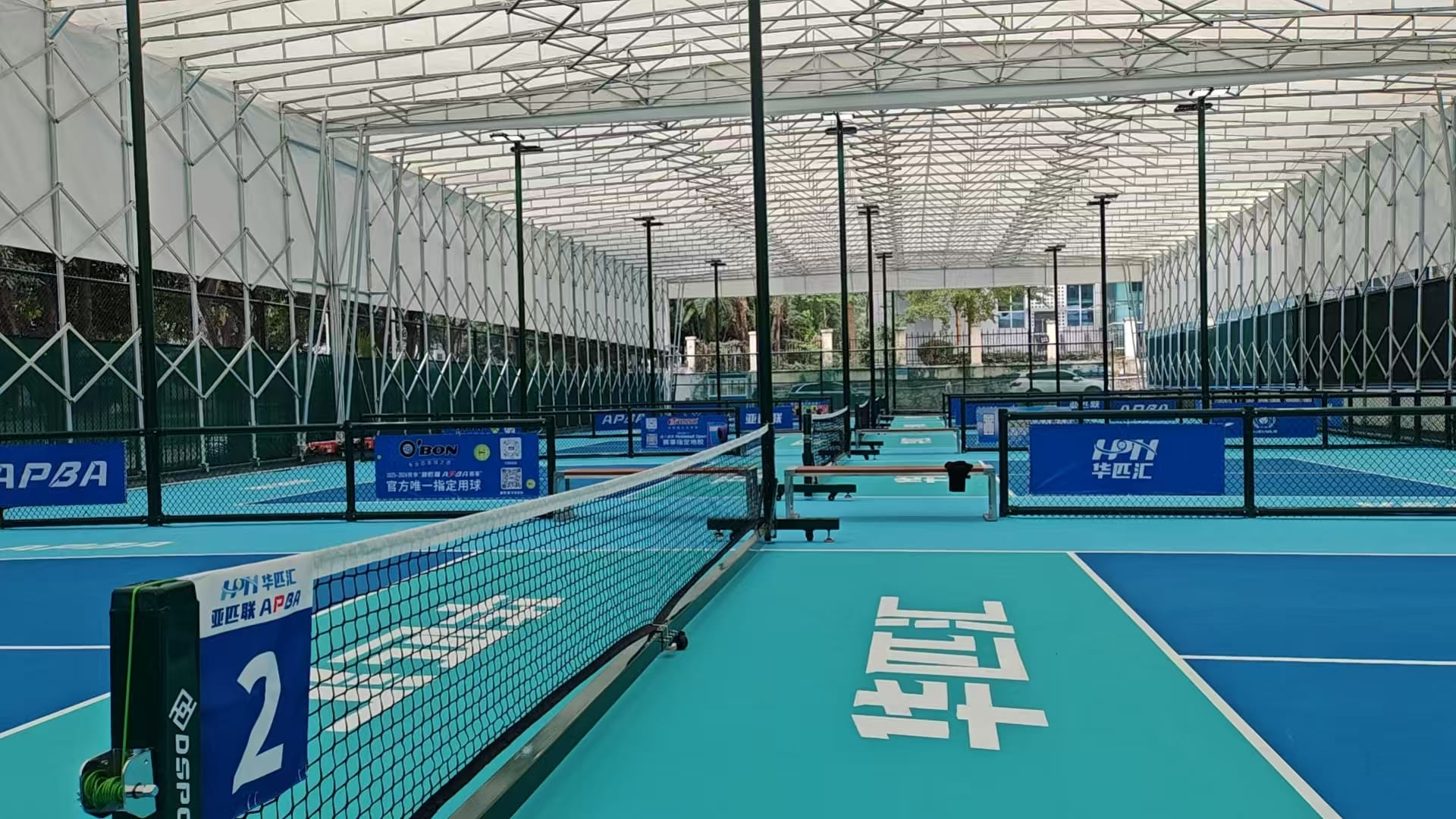
If you’re launching the first dedicated pickleball courts in a new market, don’t build your starter kit around buzzwords. Build it around (1) consistency (same model feels the same) and (2) maintainability (when something breaks, you can fix it the same day)
Most “first-courts” headaches are not about spin, they’re about mixed feel, edge damage, ball shortages, or a net part failing with no backup.
The real problem behind your checklist (why it feels endless)
A lot of new club founders hit the same mental wall a week before opening: the courts are almost ready, but the equipment list feels like a bottomless pit. Go cheap and you fear complaints. Go premium and you fear budget lock-up. Add gift boxes and full sets and you fear delays.
That stress is normal, because you’re not just buying gear. You’re buying your club’s first reputation.
Club Starter Kit: What to Buy First
| Use case | What matters most | Paddle tier | Balls | Nets | Must-have spares | What to lock |
|---|---|---|---|---|---|---|
| Lessons / tryouts | Comfort + control + low complaints | Tier 1 workhorse | Training-friendly, consistent | Portable nets (launch fast) | Grips/overgrips, edge guards, balls | Weight range + “same model = same feel” |
| Rentals / shared paddles | Durability + maintenance | Tier 1 (stock extra) | Wear-resistant, stable bounce | Portable nets (easy to replace parts) | Edge guards, end caps, tape, cleaning supplies | Edge assembly version + shipping protection |
| Member training / upgrades | Clear “upgrade feel” + stability | Tier 2 upgrade | Mix: training + match-feel | Optional: upgrade to permanent later | Texture protection sleeves, grips | Surface process version + structure lock |
| Retail corner / gift | Unboxing + damage control | Tier 1 or Tier 2 | Optional bundle sets | Not the priority | Insert/isolators, barcode labels | Packing list + fixed slots + outer carton strength |
Step 1: Decide your real scenarios (don’t start with material names)
Before you buy “more models,” answer four operator questions:
1) How many true beginners will you onboard weekly?
2) Will rentals be part of your revenue?
3) Do you have members who want a clear upgrade and will pay more?
4) Will you run a retail corner or gift sets?
Once you know your mix, your starter kit becomes obvious.
Step 2: Start with a simple 2-tier paddle line (the safest new-market structure)
A new club usually fails when:
- it starts with only a “premium” paddle (beginners complain, rentals abuse it), or
- it starts with only a “cheap” paddle (members feel no upgrade, retail doesn’t move).
Two tiers is not a marketing trick. It’s the cleanest operations solution.
Tier 1: Club Workhorse
Goal: forgiving feel, easy control, low shock, survives shared-use reality.
Copy-first build
- Construction: Cold press
- Core/thickness: PP honeycomb 16mm
- Face: Fiberglass
- Edge: Standard edge guard
- Finish: Matte (club-friendly, less “scratch drama”)
Why it works: beginners learn faster, coaches explain less, rental damage is easier to manage.
Tier 2 : Member Upgrade (margin + image)
Goal: a fast “oh… this feels different” moment, more stable sweet spot, clearer comfort.
Copy-first build
- Construction: Thermoformed + perimeter foam
- Core/thickness: PP honeycomb 16mm (or 14mm if you want quicker handling)
- Face: T700 carbon
- Texture: for a premium look and more even durability, cloth-matte + clean design often works best
Key reminder: thermoformed isn’t magic by itself. Upgrade feel comes from structure details + consistency control.
Balls: the fastest operational headache (and the easiest to underestimate)
Balls cause the fastest opening-week headaches: not enough stock, fast cracking, inconsistent bounce. Think like an operator, not a shopper.
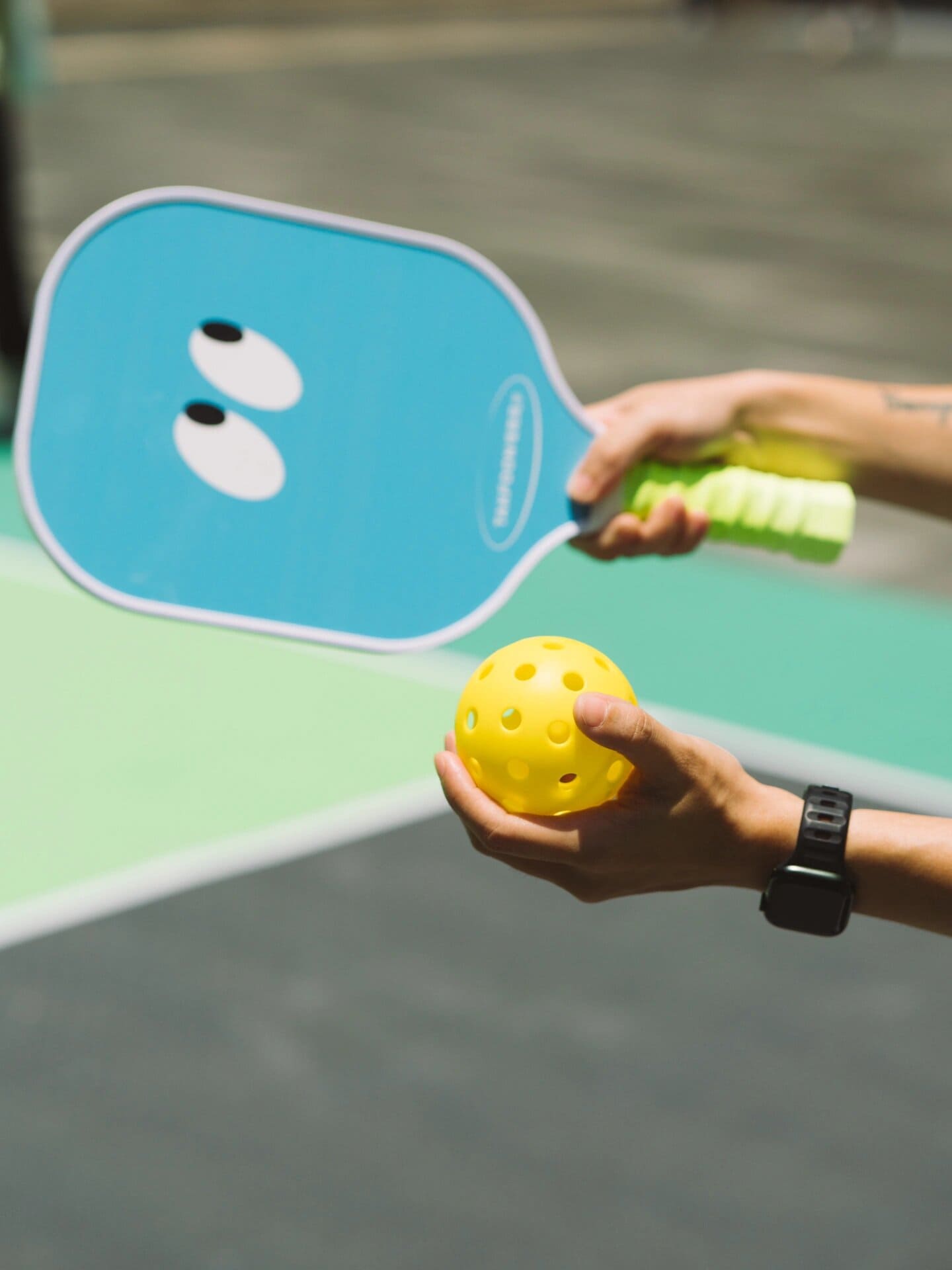
For lessons and training, prioritize durability and consistency. For matches and competitive play, add a portion of game-feel balls for that sharper, more standard bounce.
We usually build a simple two-tier ball plan for new clubs, depending on your positioning:
Injection balls: available in 26-hole / 40-hole options, great for lessons and high-consumption training sessions with controlled cost.
Matte rotomolded balls: quality comparable to Franklin, very durable and less prone to cracking. Available in 4 colors, and the new matte rotomolded version offers 3 hardness levels:
50 (high) / 47 (medium) / 45 (low)
If your club is mid-to-premium, I often recommend using rotomolded balls as your main training ball. The unit price is higher, but durability and bounce stability usually lower the true operating cost (fewer replacements, fewer complaints, fewer disruptions).

Nets: portable first, upgrade later (the fast start rule)
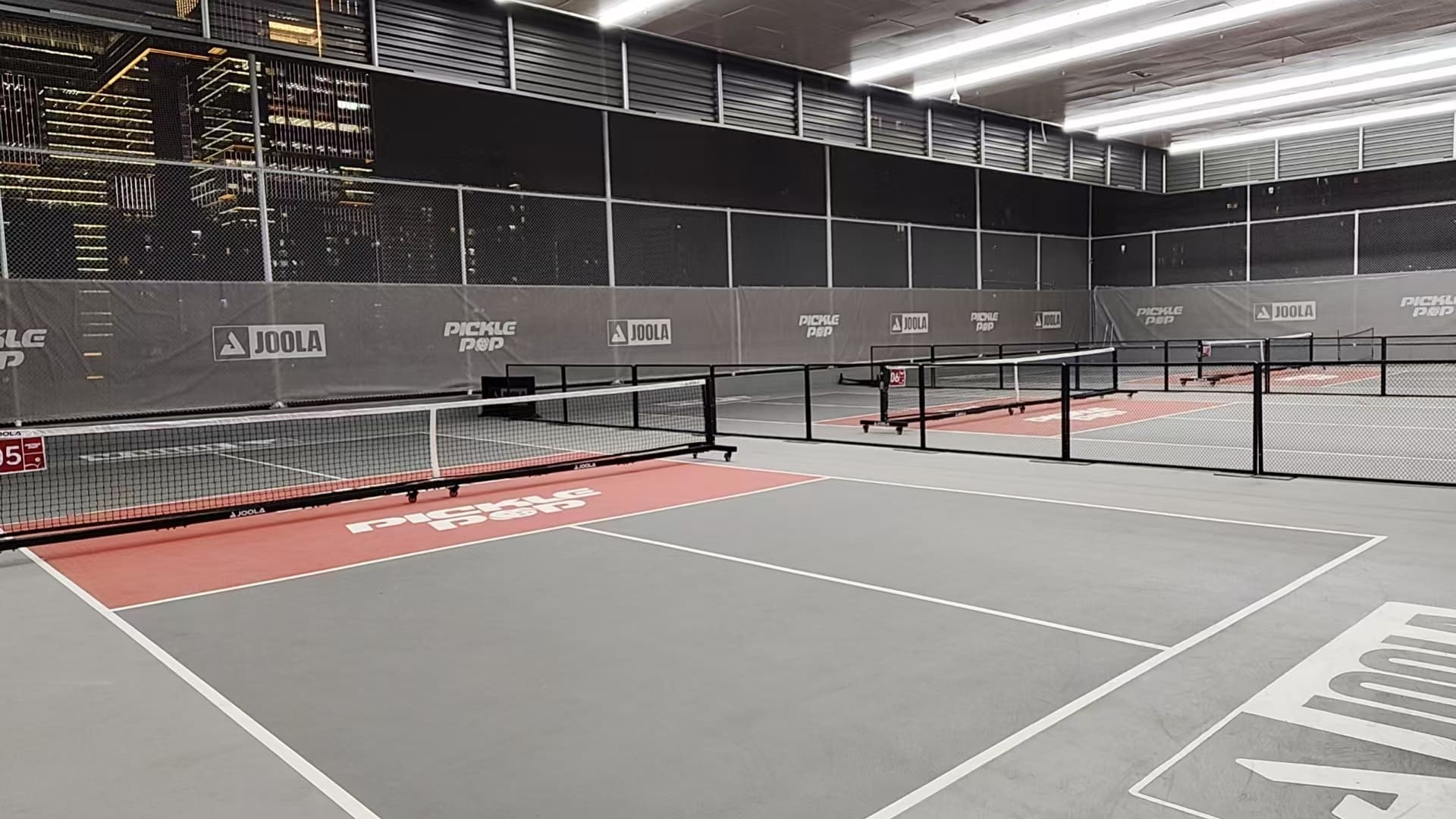
For first courts, portable nets are usually the safer start: fast setup, flexible scheduling, easier replacement if something breaks. Permanent nets look more professional, but they introduce slow variables: installation, anchoring, and maintenance
We typically support two net tiers for clubs
Portable net: best value and most commonly chosen.
Heavy-duty net: more professional, premium positioning.
Many clubs mix both: portable for flexible sessions, heavy-duty for main courts. Both can be customized with logo.
Spares and ops stock: what keeps rentals from looking used
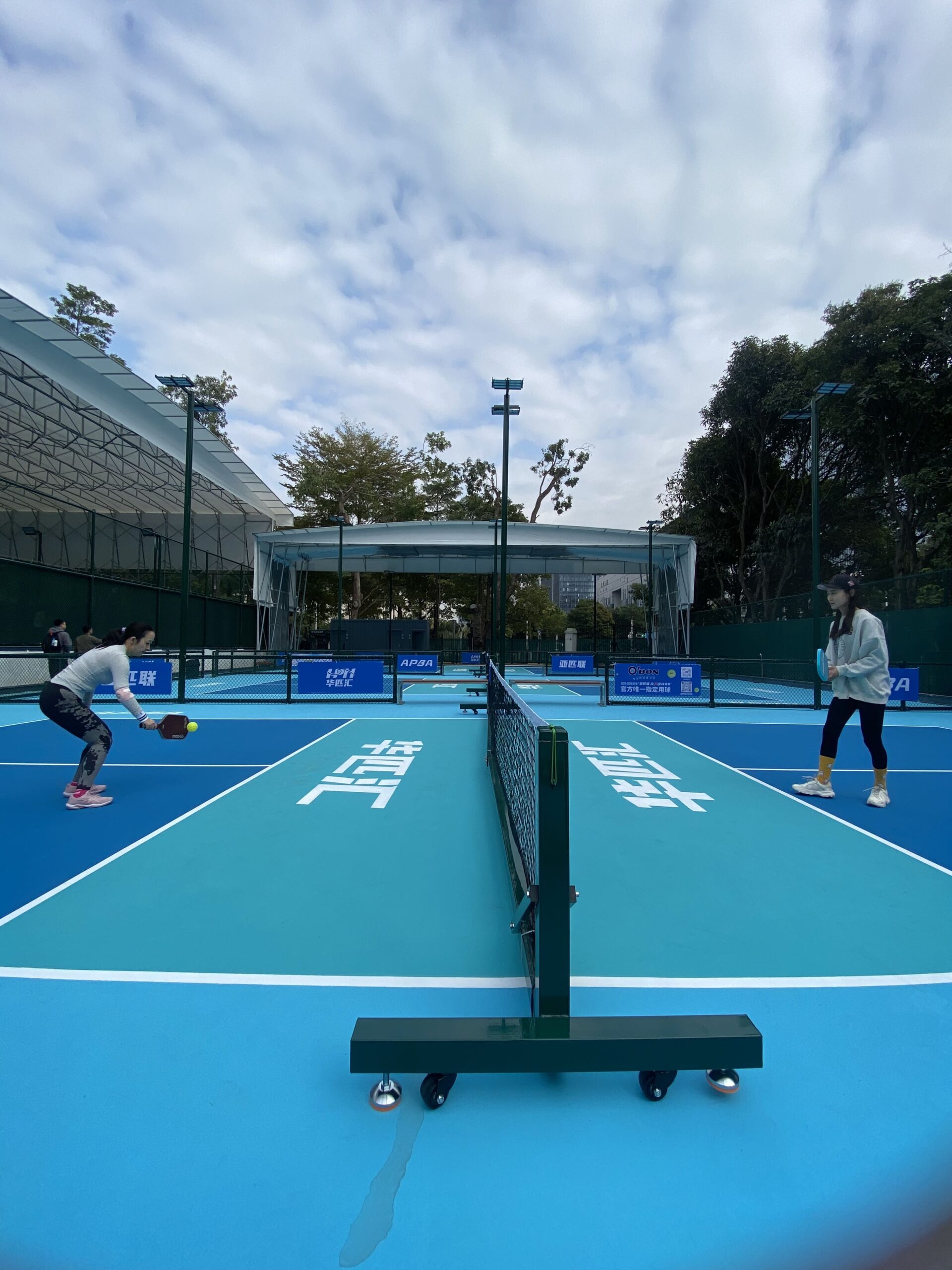
New-market reputation is rarely damaged by not enough spin. It is damaged by looking unprofessional: peeling edges, dirty grips, scuffed faces, missing small items. The fix is not a more expensive paddle. The fix is a spare-and-maintenance system.
Stock these spares from day one:
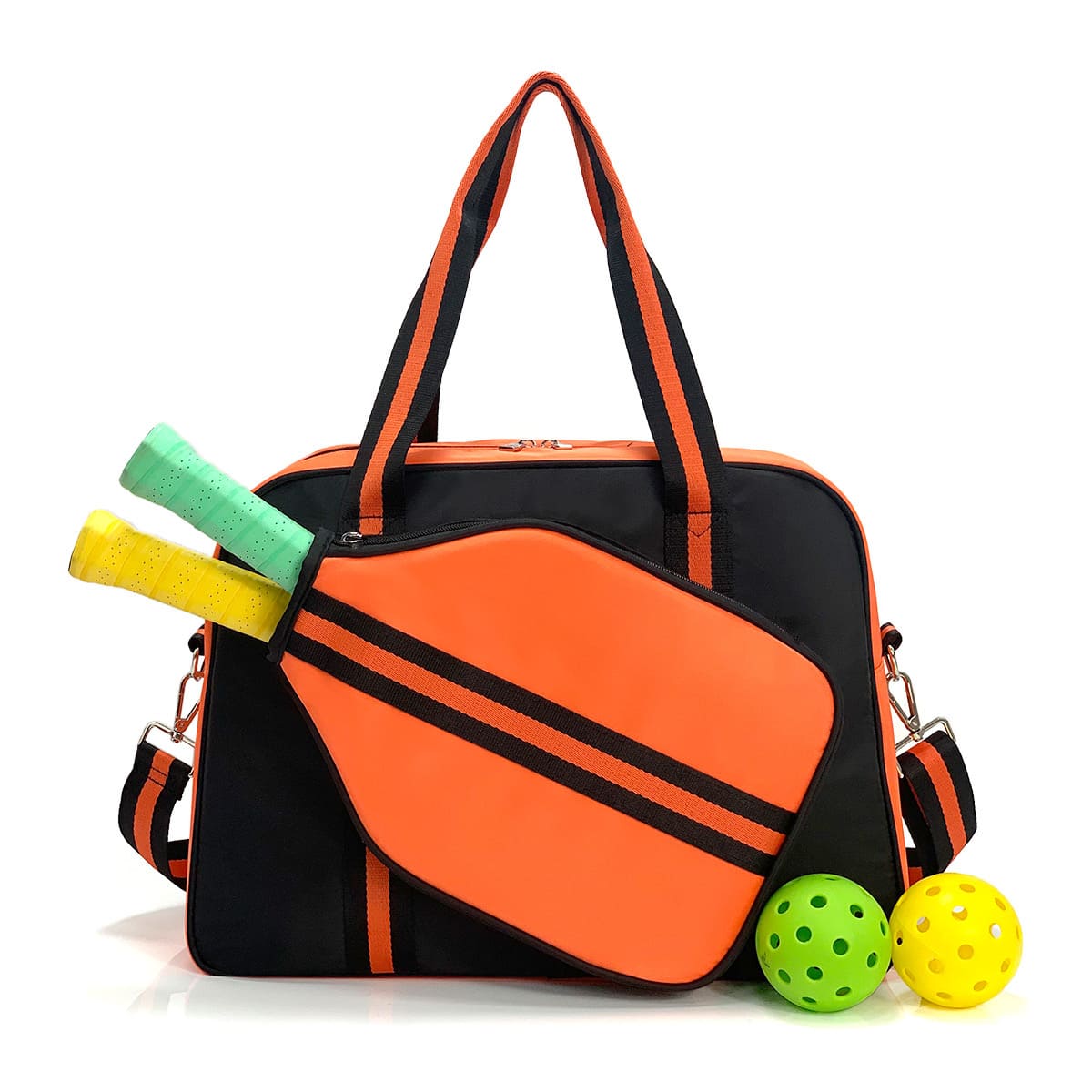
- grips and overgrips
- edge-guard related spares
- balls
- basic cleaning items (wipes/eraser)
If rentals take heavy use, you will be grateful you can replace appearance parts immediately.
Spare Parts & Consumables Stock Plan
| Item | Why it fails | If you don’t stock it | Practical stock logic |
|---|---|---|---|
| Balls | Wear, cracking, loss | Lessons disrupted, bad first impression | Rolling replenishment by sessions/day |
| Grips/overgrips | Sweat, dirt, slip | Complaints, “low-end feel” | Stock more in hot season / rentals |
| Edge guards | Drops, impacts, shared abuse | Paddles look “used,” avoidable returns | Standardize sizes, stock the common one |
| Net parts | Clips/ropes/poles wear | A court stops | One critical spare set per net |
| Cleaning supplies | Shared-use, dust, sweat | Looks unprofessional fast | Simple daily routine |
| Sleeves/isolators | Friction in storage/transport | Scuffs, “second-hand” look | One paddle, one sleeve |
First-batch quantity planning (avoid stockouts Vs dead inventory)
First-batch planning has two common traps: buying too little and running out in week one, or buying too much and freezing cash in inventory. The safest method is to back-calculate from operations: weekly lesson hours, daily rental volume, and expected active members on court. Then split items into three buckets: durables (paddles), high-consumption (balls), and fast-aging appearance parts (grips/edge guards).
In real club ops, the fastest “out-of-stock + complaints” items are usually balls, grips, and edge guards, not the paddles themselves. If you plan these three with a simple replenishment rhythm, you avoid the most common “we opened, but small things ruined the experience” problems.
The safest way to estimate first-batch quantity is to work backward from operations: weekly lesson hours, daily rentals, and expected active members.
Then apply a simple truth: paddles are durable; balls and wear parts move fastest.
If you only guess one thing, guess this: balls, grips, and edge-related parts are the easiest to run out of and the fastest to trigger complaints. Plan them with rolling replenishment, not one-time buying.
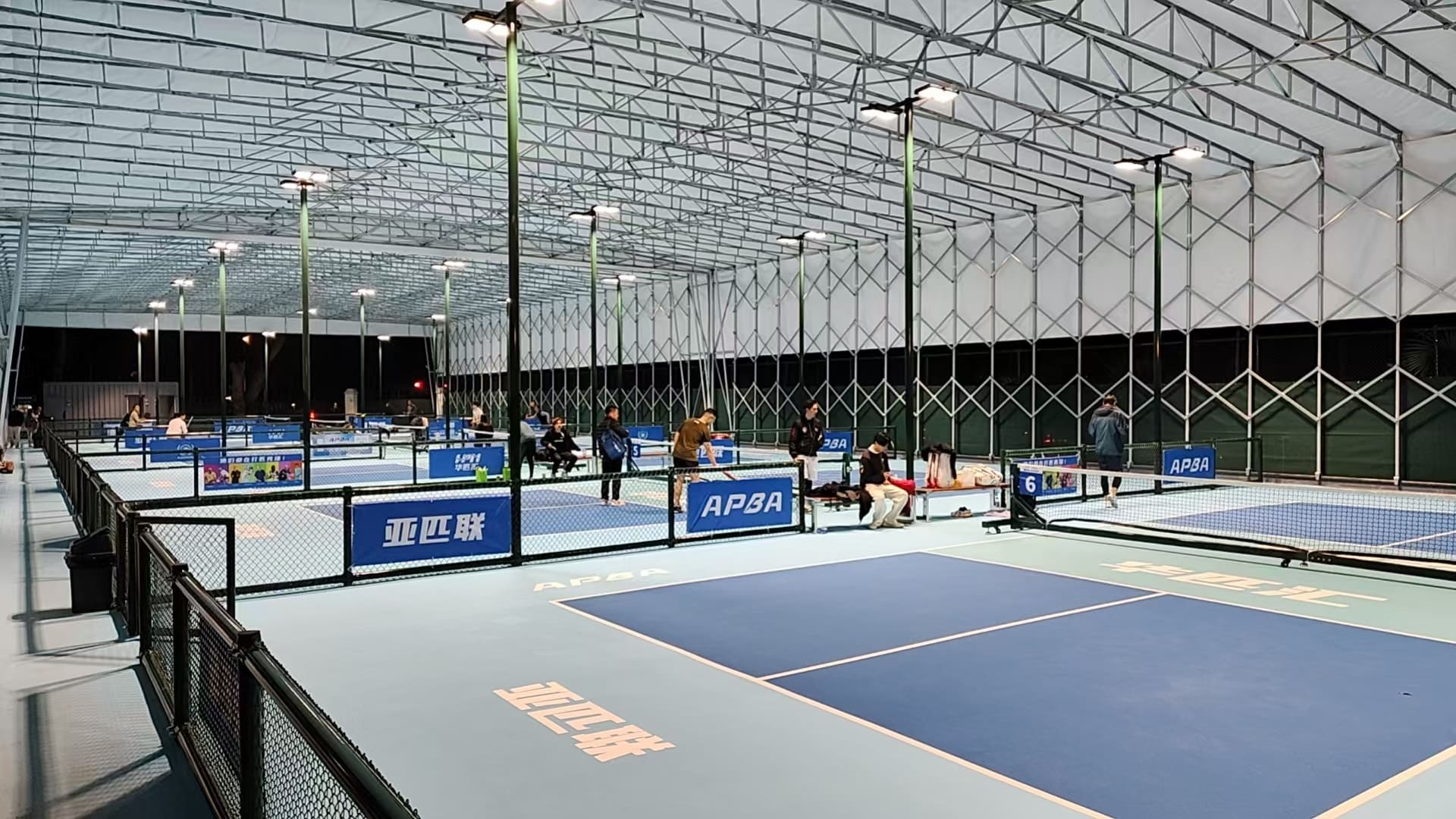
Rental vs lesson vs member paddle management (don’t mix)
One “invisible mistake” new clubs make is mixing the same batch across every use case: lessons today, rentals tomorrow, then sold to members next week. It looks efficient short-term, but it creates chaos long-term: rental paddles get dirty and knocked fast, lesson paddles need consistent feel, and member paddles must look and feel premium.
A cleaner approach is to tier from day one:
Rental paddles: built for abuse, edge protection and fast grip replacement matter most; keep them clean, not perfect.
-
Lesson paddles: consistency first, stable weight range and predictable feel so coaches don’t “explain equipment” every session.
-
Member/retail paddles: upgrade feel + premium look,this is where trust gets built quickly in a new market.
-
You’re not managing paddles, you’re managing experience. When experience is stable, clubs grow faster.
Don’t mix the same batch across rentals, lessons, and member sales. It creates confusion and uneven wear.
Tier them, label them, and manage them differently:
rentals: highest wear, fastest refresh cycle
lessons: controlled use, coach-managed
members: best look, stable feel, retail-ready
This one change makes your club feel more professional instantly.
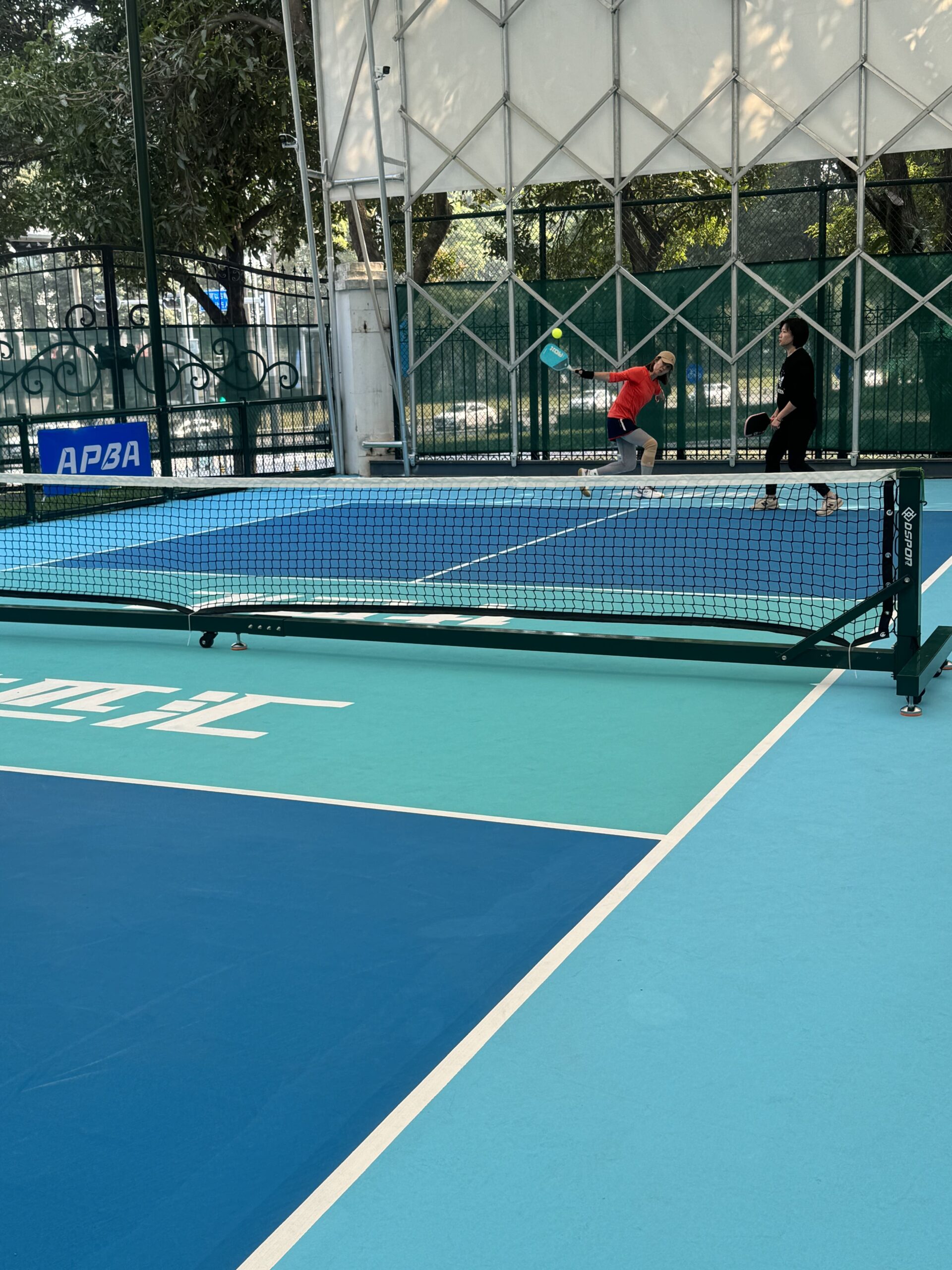
Two real opening-week fail moments (so you don’t repeat them)
Story 1: We were ready until the box became the boss
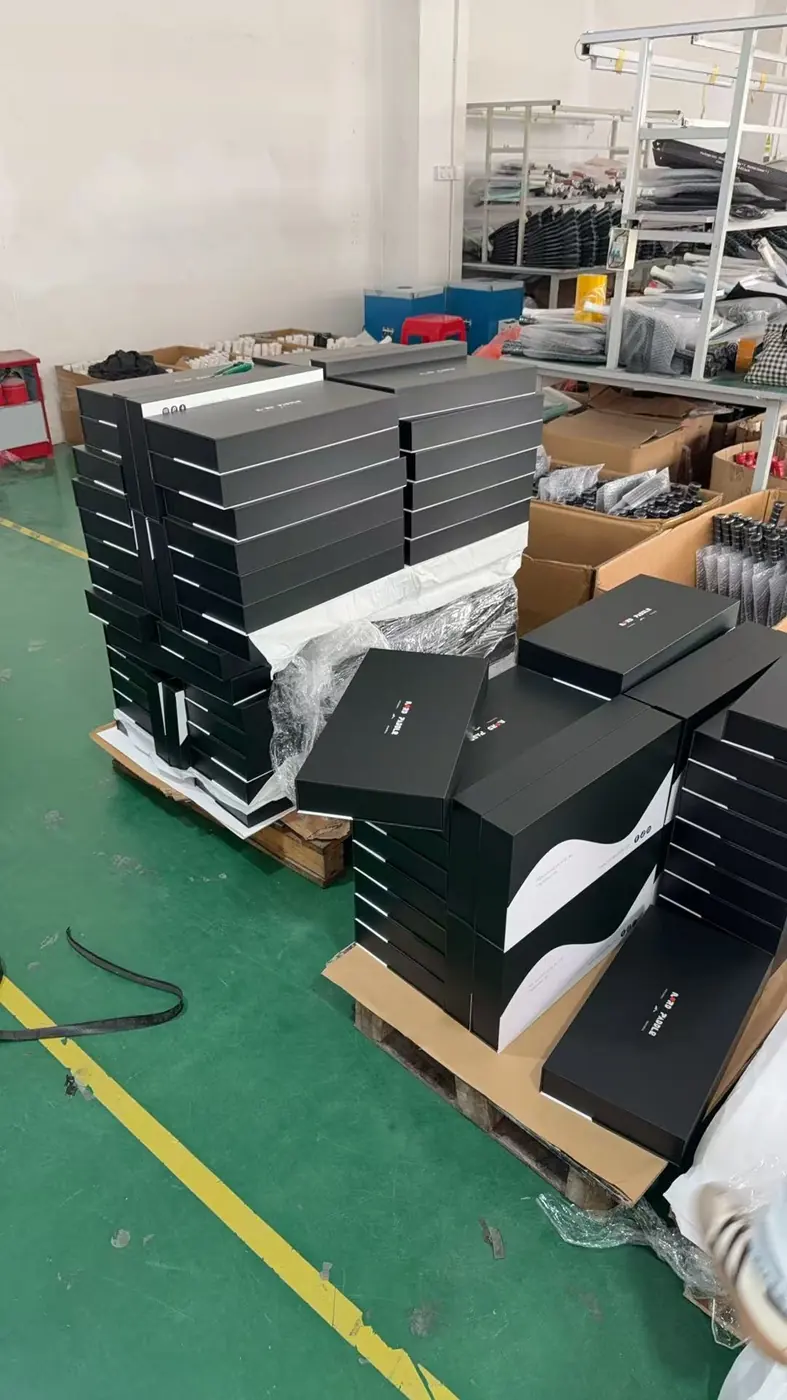
The most common “launch fail” I’ve seen isn’t poor paddle performance, it’s premium gift packaging delaying the opening. I completely understand the founder’s mindset: in a new market, first impressions feel like everything, so they try to do it all at once, custom box, molded insert tray, full accessories, outer sleeve, the works.
The paddles were ready, but packaging became the longest bottleneck, and the launch kept slipping. My advice in that moment is simple and realistic: prioritize opening on time. Start batch one with covers/bags (so unboxing still feels organized and professional). Launch, run sessions, build membership.
Once demand and repeat usage are proven, upgrade to premium boxes in batch two, your money works harder, and your timeline stays under control.
Story 2: Rentals looked used in a week and the reviews weren’t about performance
Another reputation killer is rentals looking “second-hand” within a week because there are no grip. Shared-use is brutal: grips get sweaty and slippery, edge guards get hit and start lifting, and storage friction makes edges look scuffed. New members won’t debate “normal wear”, they’ll think the club isn’t professional.
I usually recommend three actions that immediately reduce complaints:
-
Separate rental paddles from member paddles (rentals optimized for abuse, member paddles kept clean and premium).
-
Stock spares for instant replacement: grips/overgrips, basic cleaning supplies, and simple sleeves/isolators to prevent friction damage
-
Run a simple weekly maintenance routine: wipe down, regrip as needed, and check edge lift, this isn’t paddle maintenance, it’s reputation maintenance.
The 7-day pre-launch timeline
If you don’t want last-minute firefighting, run a simple 7-day countdown with execution checkpoints:
Day -7: Lock the kit list (2-tier paddles, 2-tier balls, nets, spares, logo/label method), stop adding new requests.
Day -5: Arrival check (quantity, appearance, set contents, spares completeness), fix gaps immediately.
Day -3: Sort + label (rental/lesson/member tiers; spares boxed and labeled), staff should grab the right item at a glance.
Day -1: On-site placement (where balls go, where grips/edge guards go, where cleaning supplies go; run a quick rental-flow rehearsal), you’ll instantly see friction points.
Launch day: protect stability first (run your most stable setup for week one, then add upgrades), week one is about “no chaos“
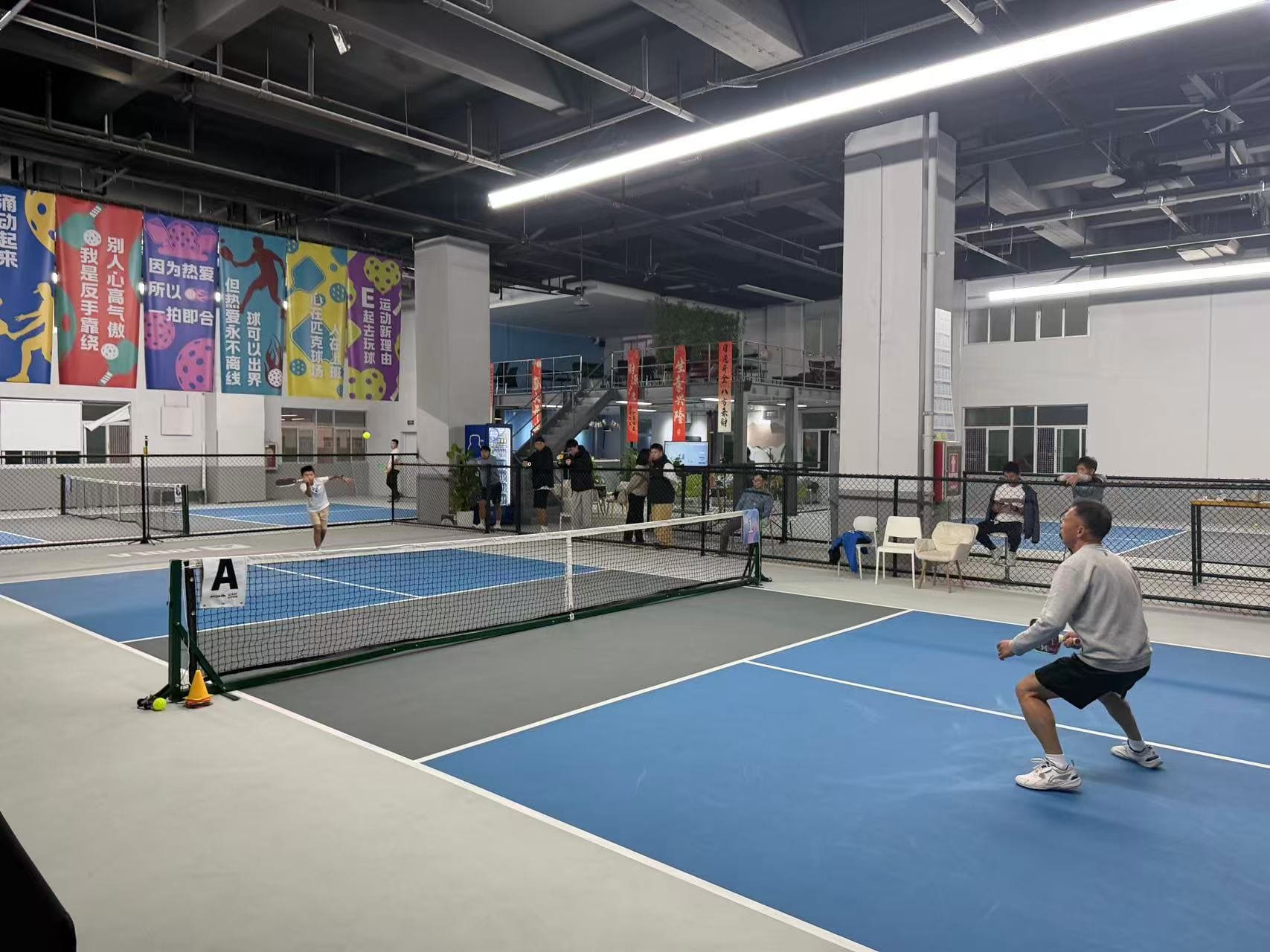
Why work with iAcesport
When we support “first-courts in a new market,” we don’t try to win a spec contest, we try to reduce your real operational headaches after opening. Our strengths are mainly three parts:
-
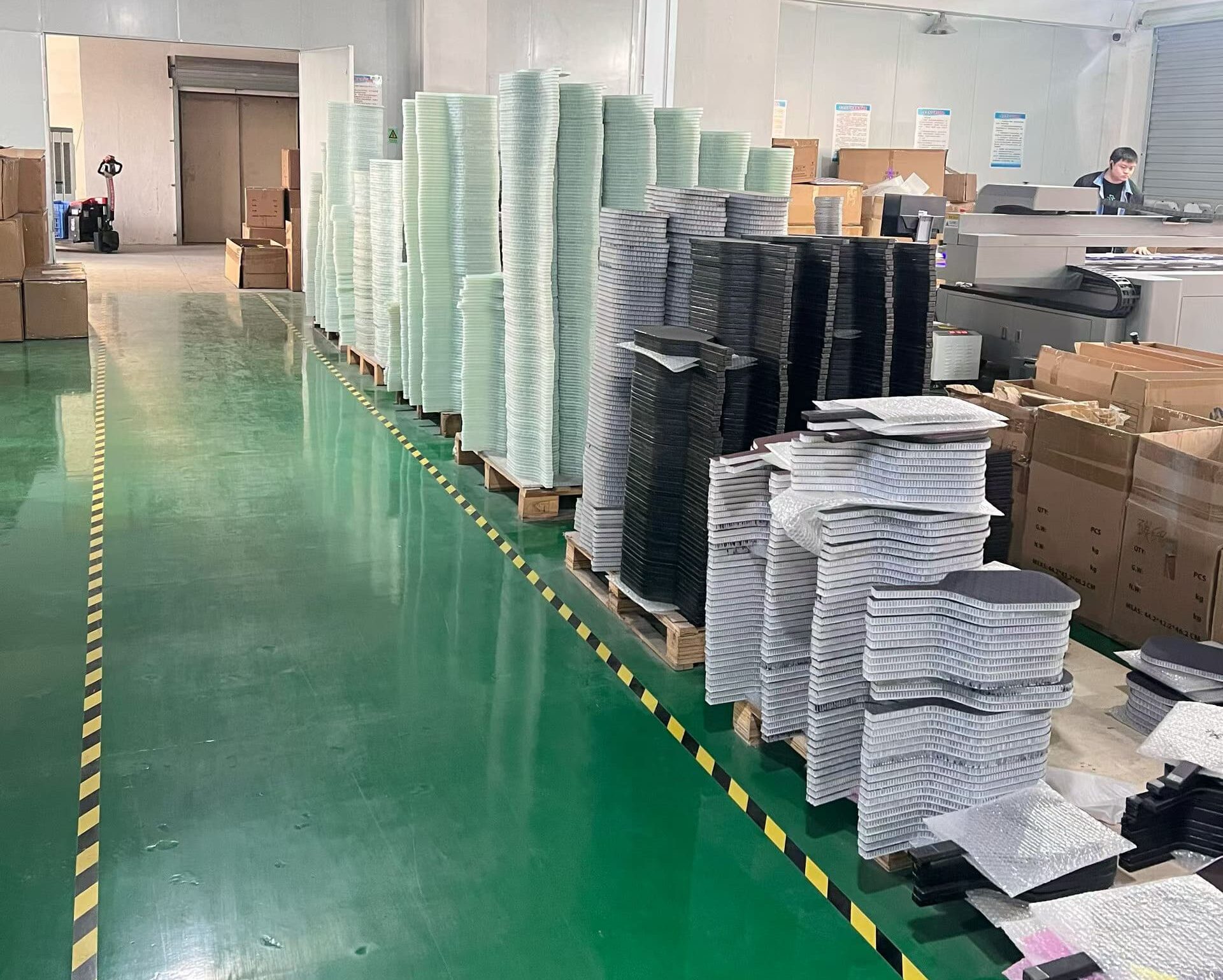
Stable capacity + delivery: monthly capacity 150,000+ paddles, with mature workflow, easier to hold batch consistency.
-
Thermoformed focus + stronger premium-core execution: we specialize in thermoformed builds and premium core routes, and we treat “upgrade feel” as a structure + version-control problem, not a marketing word.
-
One-stop starter kit: beyond paddles, we can supply balls (injection + rotomolded tiers), nets (portable/heavy-duty), bags/covers, erasers, spares, and unify logo/color across items so your club looks like a real brand from day one.
FAQ
Can we start with one paddle model only?
Yes, but it’s not recommended. Beginners and intermediate members need different feel priorities, 2-tier is safer.
Should we choose 13mm or 16mm first?
For beginners/lessons/rentals: 16mm first. For quicker handling: add 13mm later.
Does fiberglass feel “low-end”?
Not for beginners/clubs. It’s forgiving, comfortable, and reduces complaints.
Is thermoformed always premium?
Not always. The upgrade comes from structure details and consistency, not the word.
Do we need an edge guard?
Strongly yes for clubs. It reduces avoidable damage in shared-use environments.
Spray sanding or cloth-matte texture?
Heavy coverage: spray sanding. Clean premium design: cloth-matte lasts more evenly.
What should we stock more of than we think?
Balls, grips. They drive the fastest complaints and used look.
Final Note
Tell me your club style (lessons/rentals-first or member-upgrade-first) and your opening date. I can help you turn this checklist into a purchase-ready kit (paddles + balls + nets + spares) so you launch on time and avoid the most common first-month headaches.