Skip to content

Loose edge guards, chipping, and cracked edges are often not just “bad pickleball paddles,” but a failure to lock either assembly control or shipping-layer protection.
You think you’re choosing paddles, but you’re really betting your first batch won’t crash.
Zoey, my biggest fear isn’t slow sales.”
“It’s this: we ship the first batch, and returns come back, edge scuffs, loose guards, cracked edges, and I don’t even know whether it’s structure or shipping… or how to explain it to customer
On the surface, you’re debating: do we need an edge guard? Should we upgrade packaging?
Deep down, you’re worried about one thing: your first reputation gets destroyed by preventable issues. This isn’t just technical,it’s “can I run this business steadily?”
Most edge issues aren’t “bad luck.” They come from two unlocked variables: assembly version control (edge model/steps/glue/press timing) and shipping-layer protection (inner fixing/isolation/corner protection/shake risk). Identify which chain it is, edge complaints drop fast without over-spending.
Who this is for
If you’re a brand, e-commerce seller, distributor, or club/school buyer, you’ve seen this: the paddle still plays, but the edge looks “used” or “banged up,” and customers return it anyway.
What you really fear isn’t a single return, it’s getting labeled “inconsistent”: this batch feels loose, the next feels brittle, and the next brings a new surprise.
Before blaming shipping: do a 30-second classification
If the damage is clustered, several paddles in one carton with the same corner chipped, it usually points to packaging/shipping-layer issues.
If it’s random, cattered loose edges, cracks, or lifted sections within the same batch, it usually points to assembly version drift (steps/glue/timing).
Misclassify it, and you’ll keep changing the wrong thing, cost goes up, complaints stay.
One table that explains it
| What buyers see (return symptom) | What’s more likely happening | Best prevention action (lock into PO) |
|---|---|---|
| Edge guard loose / lifting | Assembly steps/glue/press timing inconsistent; edge guard fit not stable | Lock assembly version (edge model + steps); pull/lift sampling check; keep batch comparison samples |
| Cracking / chipping on edge | Drop/compression impact; edge/corner protection not enough | Upgrade shipping layer (strong carton + corner guards + isolation); define drop/compression risk points; confirm corner protection before ship |
| Many corner scuffs in the same batch | No inner fixing; paddles collide in transit; too much empty space | Inner tray/fixing so paddles don’t touch; fill voids; ship only after passing a “shake test” |
| Edge looks “rubbed” / abrasion marks | Friction inside packaging; long-distance rubbing against hard paperboard | Add isolation layer (bag/sleeve/cushion); protect key contact points; anti-slip inside carton |
| Arrives looking “used” | Unboxing experience fails: crushed/dirty/messy accessories | Packing list + fixed slots; separate protection layers for gift box vs master carton; pre-ship photo confirmation |
Where loose edges / chipping / cracks really come from: two root-cause chains
Root chain A: assembly version not locked (small detail, biggest damage)
Maybe you underestimate this: you think “edge guard is edge guard.”
But if the edge model/fit, assembly timing, or glue viscosity drifts, you’ll get “this batch is looser / that batch cracks easier.”
Typical drift comes from:
- Slight edge model/fit differences
- Non-standard assembly steps (different operators = different results)
- Inconsistent glue/press timing
- Low-grade glue
- No batch comparison samples
Result: your customers say “same model feels different” or “this batch edge is looser.” You can’t explain it because it’s not one defect, it’s version control failure.
Root chain B: shipping layer not locked (edge guards can’t save everything)
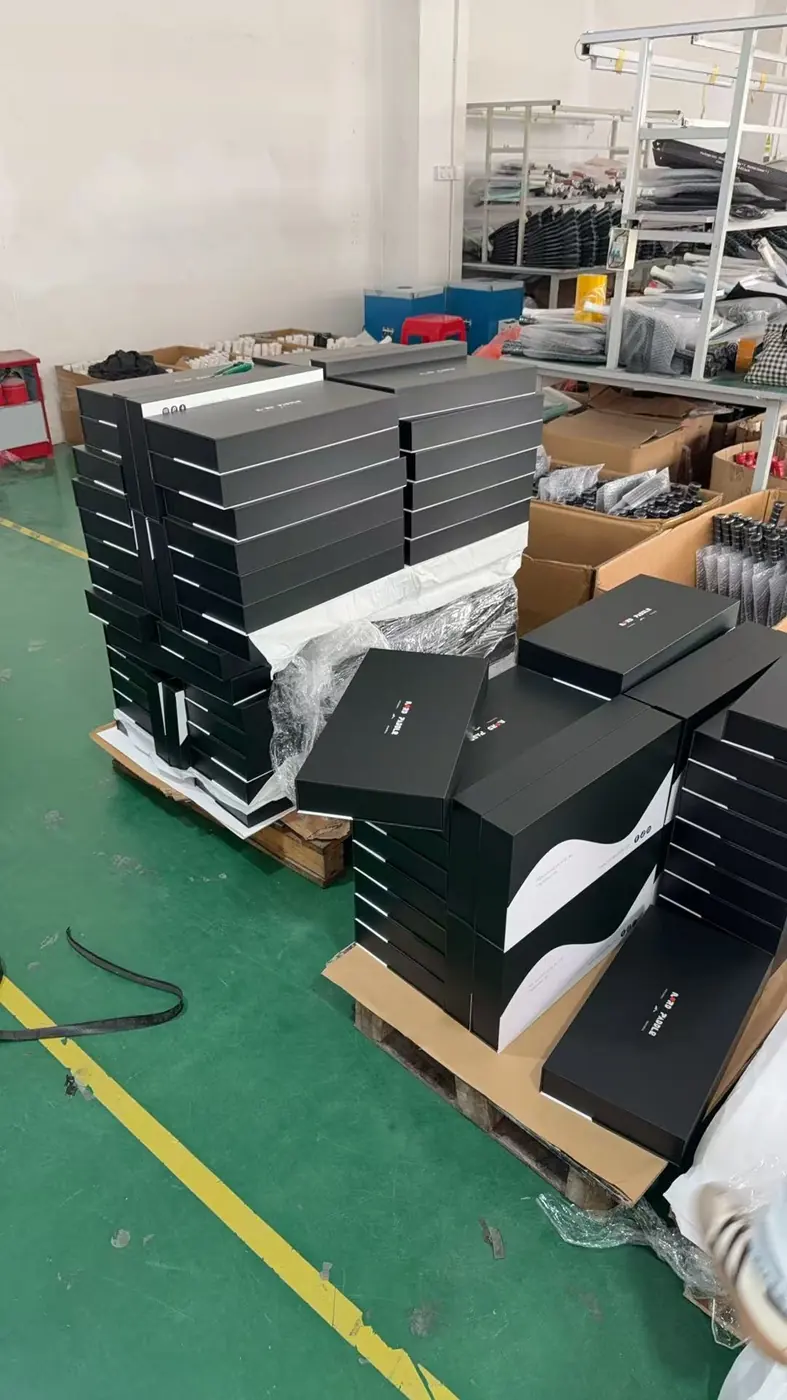
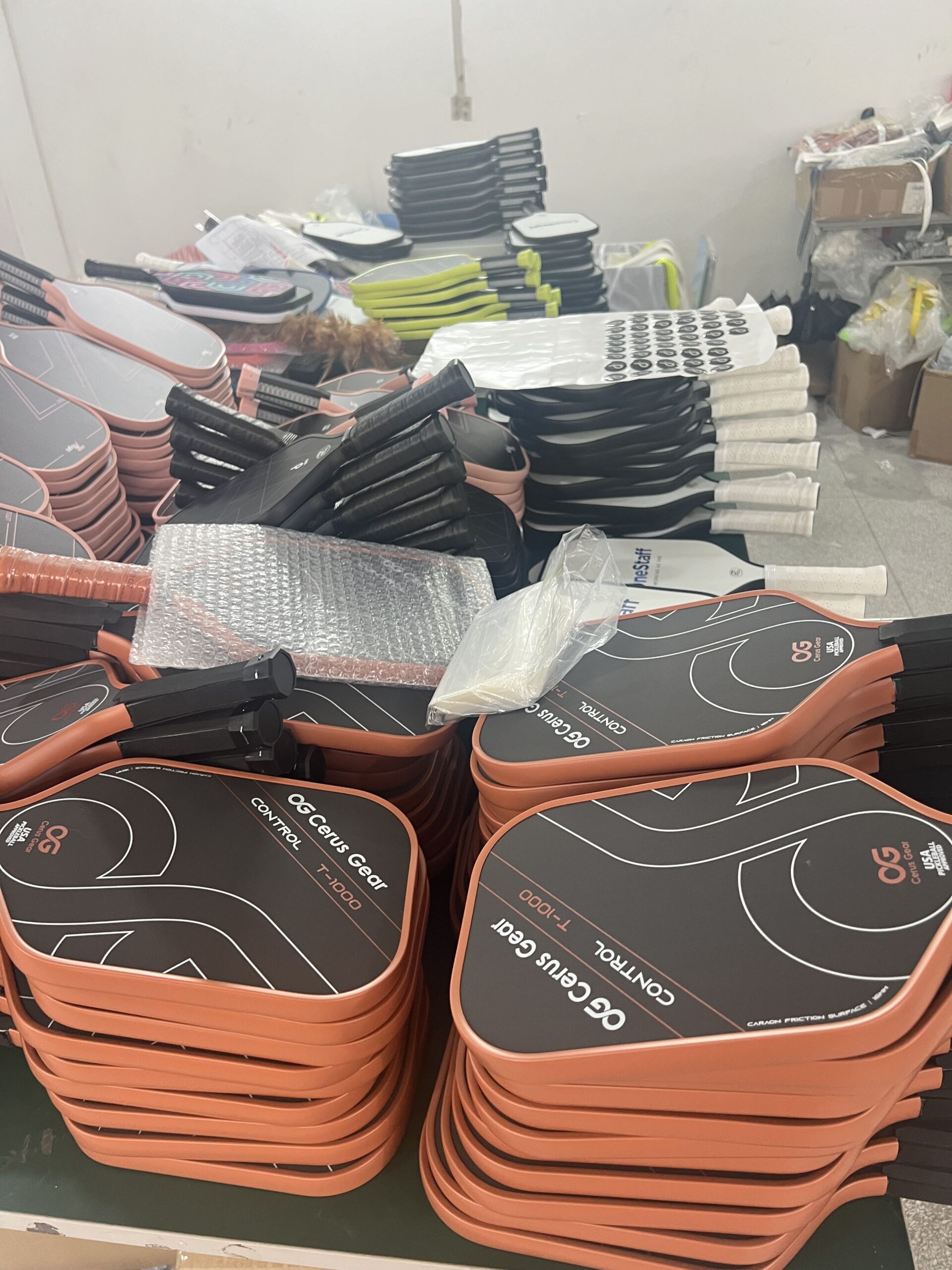
Many chips aren’t because the paddle is “weak,” but because inside the carton things fight:
- Paddle-to-paddle rubbing
- Corners hitting hard parts
- Set accessories bouncing around
- Too much empty space
So don’t lock “strong carton” as a slogan—lock:
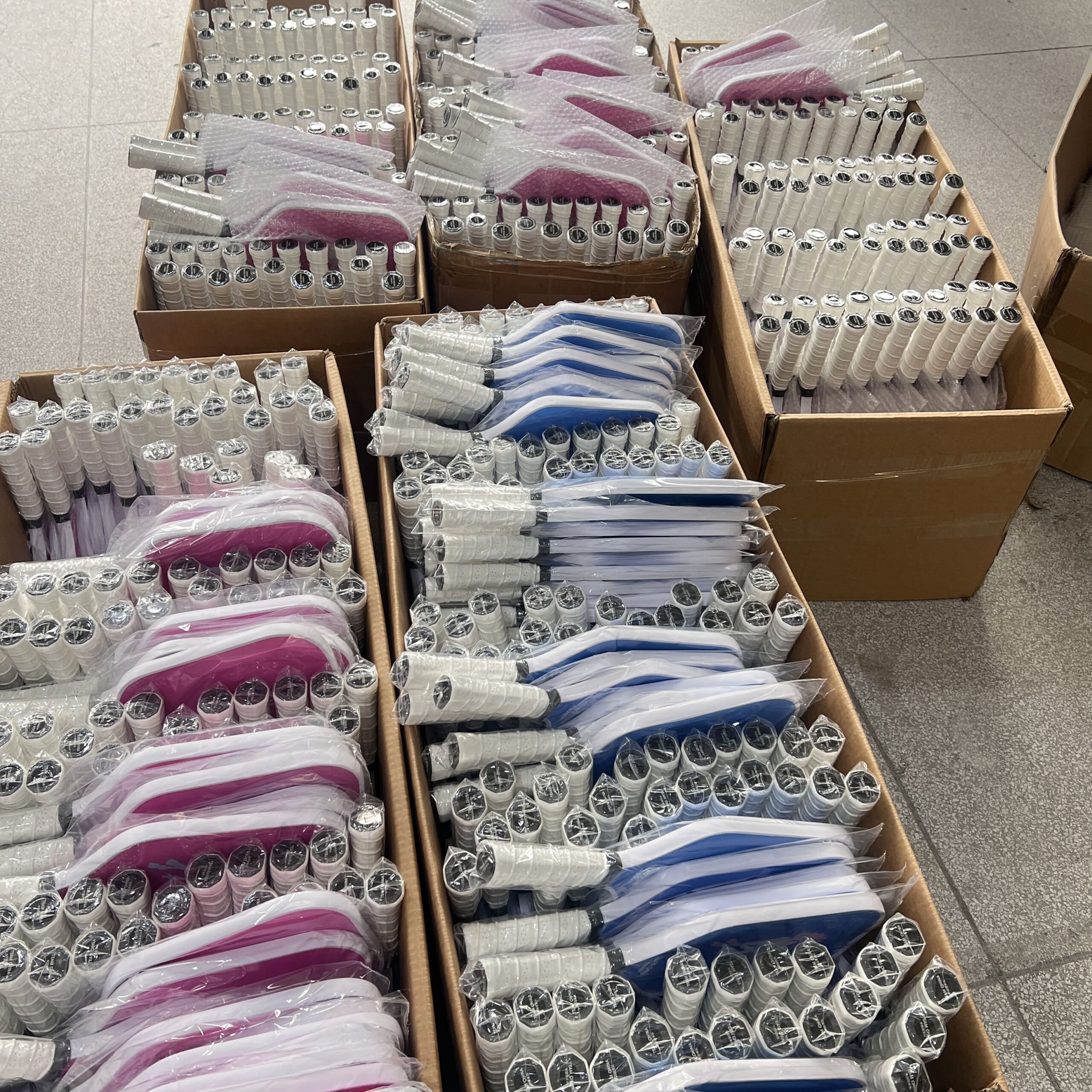
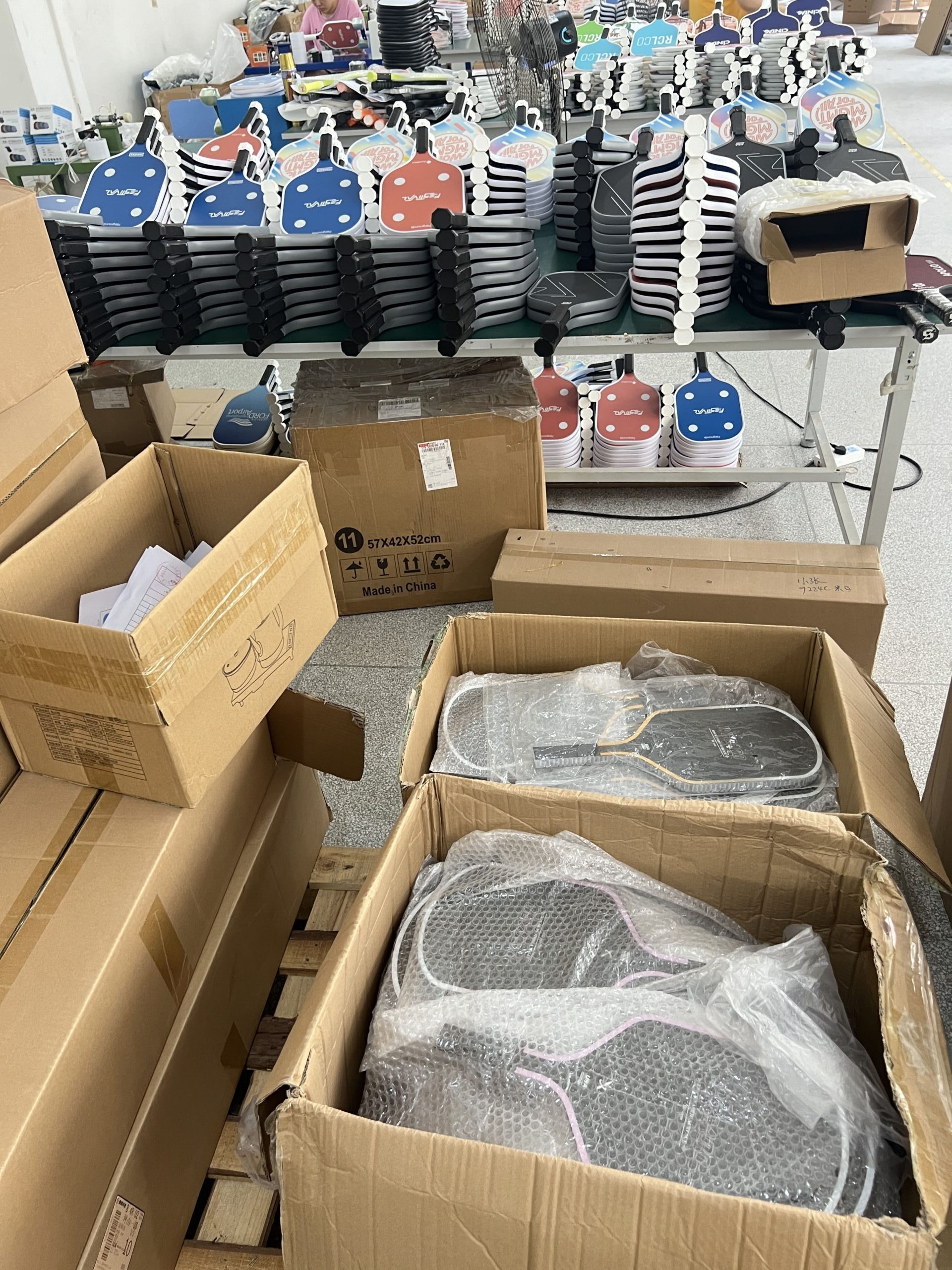
- Inner fixing (no collision)
- Isolation (no rubbing)
- Corner protection (impact buffer)
- A basic shake test (if it moves inside, it will get damaged)
Prevention checklist
To prevent loose edges / cracks, lock three things in your PO:
1) Edge model + assembly steps (version)
2) Glue spec + timing/amount (process)
3) Batch sampling + comparison samples (evidence)
To prevent corner chipping/scuffs, lock four things:
1) Inner fixing
2) Separator/isolation sheets
3) Corner protection
4) “Shake test passed before shipment”
You don’t need to inflate cost. Often “lock version + lock shipping layer” beats “buy a pricier edge guard.”
How we make edge issues controllable (process, not slogans)
-
Lock the assembly version in sampling: edge model, steps, and edge protection logic are confirmed early.
-
Second confirmation before mass production: we verify assembly stability using comparison samples,not a quick glance.
-
Glue control: we use glue tuned by a fixed ratio to keep viscosity stable and prevent detachment.
-
In-process + final inspection: in-process checks focus on assembly consistency; after glue cures, we do an additional edge “pull-check”; final inspection checks appearance and packaging protection.
-
Shipping-layer confirmation before shipment: inner fixing, isolation, corner protection, and a passed shake test, then we ship.
The easiest approach is rarely “spend more.” It’s locking the version and the shipping layer.
Common mistakes (the more rushed, the easier you get hit)
1) Changing materials/structure first, while assembly version and shipping layer remain unmanaged
2) Asking for “stronger edge guards” without locking how they’re assembled, glued, and inspected
3) Rushing launch and patching packaging, then returns hit because it “looks used”
FAQ
If the edge guard is loose, is it structure or shipping?
Random isolated cases usually point to assembly/version; batch-wide patterns point to shipping/packaging.
Is a loose edge guard always a factory issue?
Not always. Random/scattered = assembly version drift. Clustered/carton-specific = shipping-layer fixing/isolation failure.
**Why do buyers return even if the paddle still “works,” but edges are scuffed?
Retail/clubs judge unboxing and reputation; edge scuffs = immediate review/complaint risk.
Do we really need an edge guard?
Strongly recommended for clubs/rentals/schools.
Is a thicker carton enough?
Not alone. You must fix and isolate inside; otherwise collisions still happen
How to quickly tell if it’s shipping-layer related?
Check clustering, inner isolation/fixing, and do a shake test—does it collide inside?
A practical note
If your returns are about edge guard loose / chipping / corner scuffs, don’t rush to change the structure, and don’t rush to blame logistics.
Send me just three things:
1) Close-up photos of the damaged area
2) Carton + inner tray/fixing method
3) Whether it’s random or clustered within the batch
And then l'll help you to solve it
Tell me whether you mainly sell through retail or distribution/club bulk, and I’ll tailor the prevention points to match your channel reality