Skip to content
Direct answer (for your first courts setup)
If you’re setting up your first dedicated courts, pick paddles by:
(1) consistency
(2) durability/maintenance, not by buzzwords.
A new club’s first-batch problems rarely start from “spin is low”, they start from paddles feeling different, edges getting damaged, or complaints like “too harsh.”
Build a simple 2-tier line: a forgiving teaching/rental workhorse, plus one clear upgrade paddle.
Who this guide is for
This is for new club founders, school/academy operators, and first-time buyers who are launching courts in a new market. You’re not trying to win a spec contest, you’re trying to avoid first-batch chaos: unclear feel, fast damage, and complaints that make coaches and members lose trust.
Start with your real use scenario (not material names)
When a club is new, paddles are not just “for players.” They’re part of your operation: onboarding, coaching, rentals, and reputation. The same “T700” on a listing can feel completely different depending on construction, thickness, and build control, so start from scenario first.
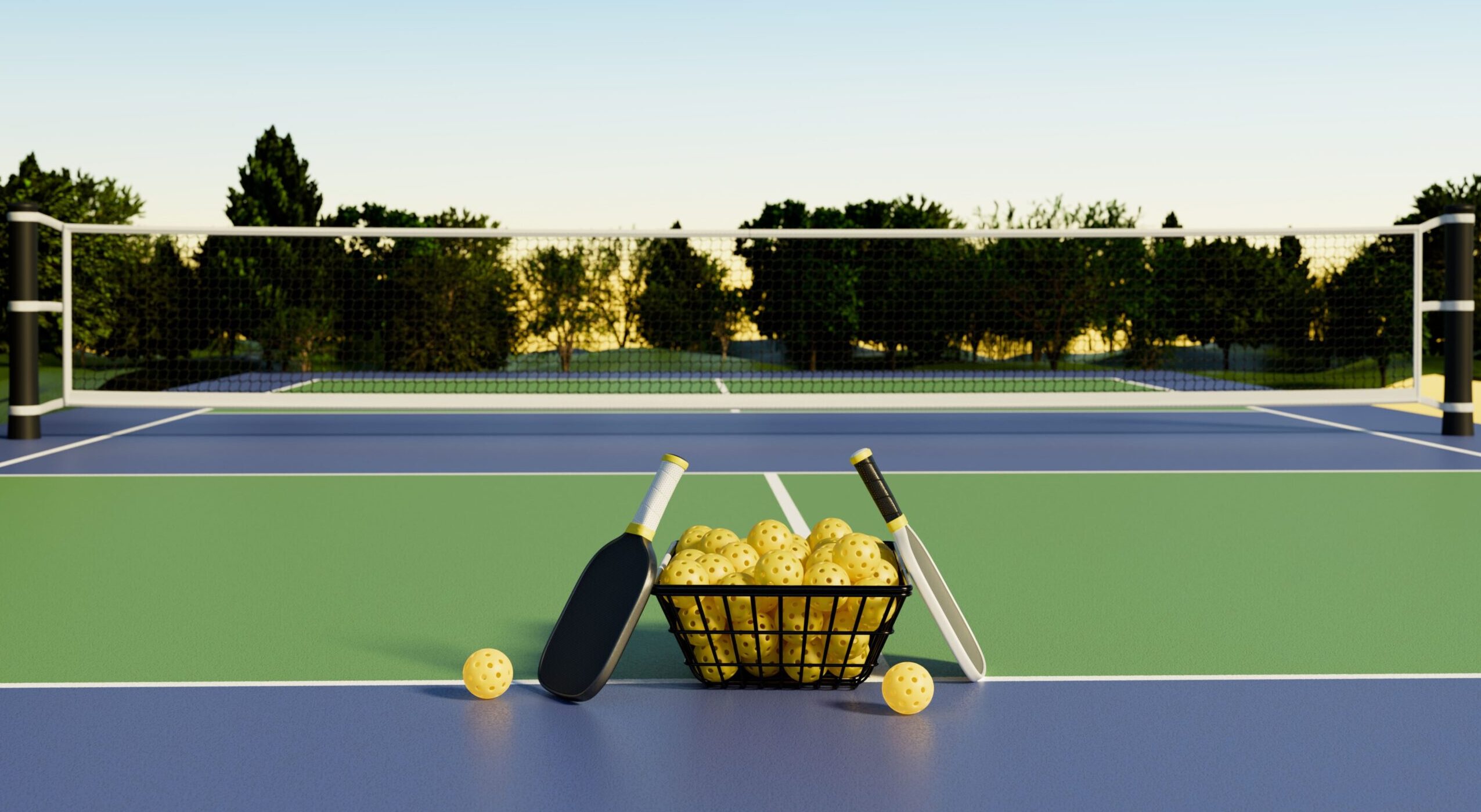
The 3 scenarios new clubs actually face
Scenario A: Coaching / tryouts / beginner onboarding
You need forgiving feel, less shock, and consistent control, because beginners blame the paddle when they miss.
Scenario B: Rentals / shared paddles
You need durability and easy maintenance, edges get hit, grips get dirty, and paddles get dropped.
Scenario C: Member upgrade / pro-feel retail corner
You need a clear “upgrade feel” that people notice fast, more stable sweet spot, more comfort, and a premium look.
The simplest 2-tier product line that works
If you only do one “premium” paddle, you’ll get complaints from beginners and abuse from rentals. If you only do one “cheap” paddle, members won’t feel an upgrade. Two tiers keeps your first order clean and your story easy.
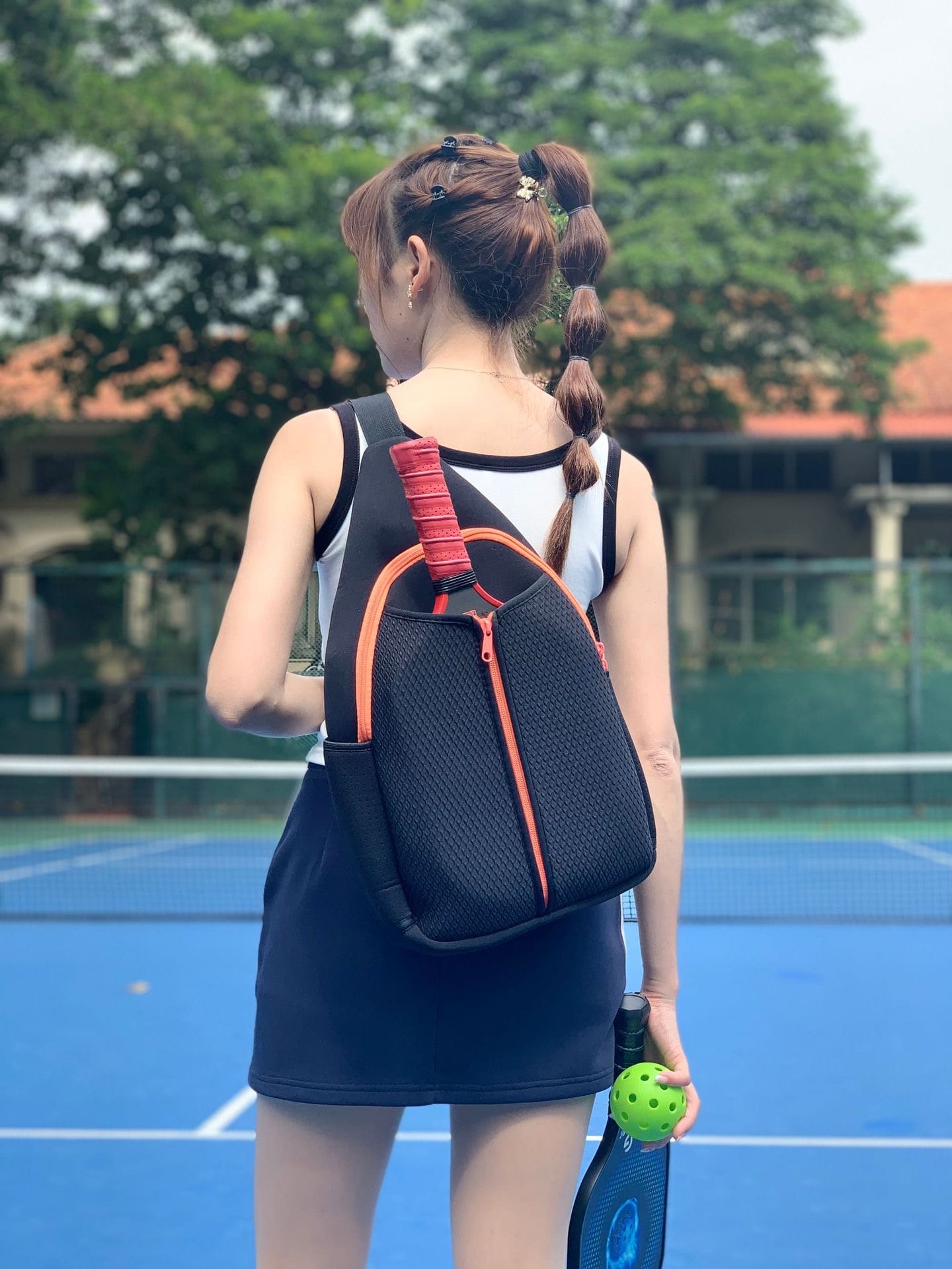
2-Tier Starter Paddle Line for a New Club (New Market Setup)
| Tier | Use case | Construction | Core & thickness | Face | Edge | Feel goal | Why it works | What to lock |
|---|---|---|---|---|---|---|---|---|
| Tier 1 — Club Workhorse | Beginner lessons / rentals / school groups | Cold press | PP honeycomb 16mm | Fiberglass | Edge guard | Forgiving + comfortable + easy control | Lowest complaint risk for new players | Weight range + edge assembly + packaging contents |
| Tier 1 — “Value Upgrade” Option | Same users, but want a “better spec story” | Cold press | PP honeycomb 13/16mm | T700 (quoted separately) | Edge guard | Cleaner feel, still stable | Better positioning without a huge cost jump | Face material definition + weight range |
| Tier 2 — Member Upgrade | Intermediate members / competitive training | Thermoformed | PP honeycomb 16mm + perimeter foam | T700 carbon | Edge guard | More stable sweet spot + clearer comfort | Players can feel the upgrade quickly | Foam placement + process version lock + texture method |
| Tier 2 — Texture pick | If you sell premium | — | — | T700 / textured faces | — | Durable roughness + premium look | Cloth-matte usually lasts more evenly | Lock “cloth-matte vs spray sanding” early |
Tier 1: Teaching + rental workhorse (lowest complaint risk)
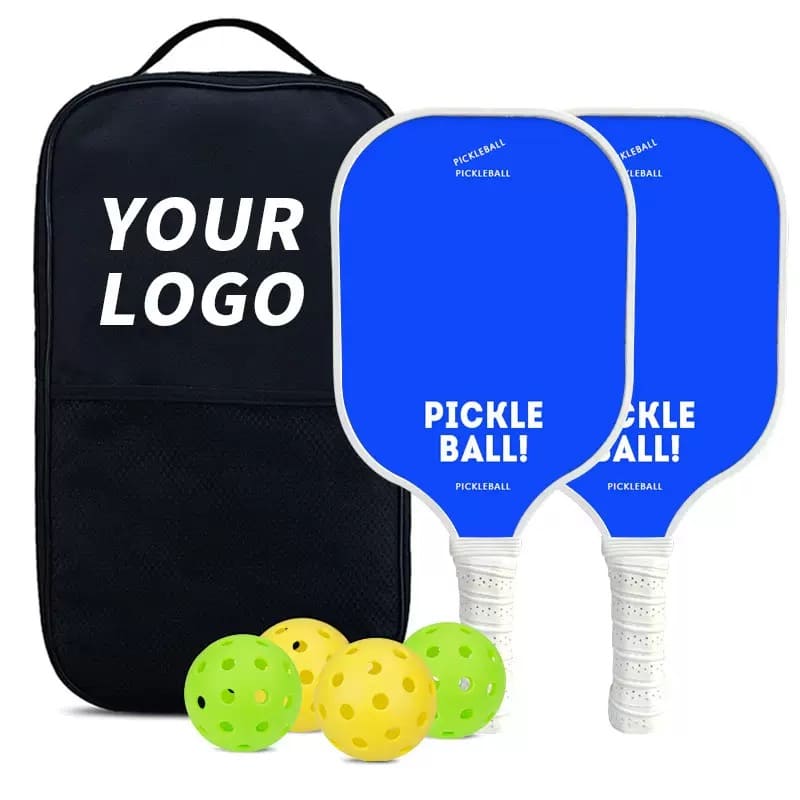
If a buyer asks me for “best balance for a new brand,” this is usually where I start.
Recommended build
- Construction: Cold press
- Core/Thickness: PP honeycomb, 16mm
- Face: Fiberglass or cold-press T700 as upgrade
- Edge: Standard edge guard (protects real-life damage)
- Finish: Matte (easy to keep clean, less “scratch drama”)
- Why it works: forgiving, easier control, lower shock, stable for beginners and clubs
The key choice: 13mm vs 16mm for Tier 1
If your club is mostly new players and lessons, 13mm is safer. If you want a slightly faster feel for teens who already rally well, you can add a 16mm variant later.
Tier 2: Member “upgrade feel” paddle
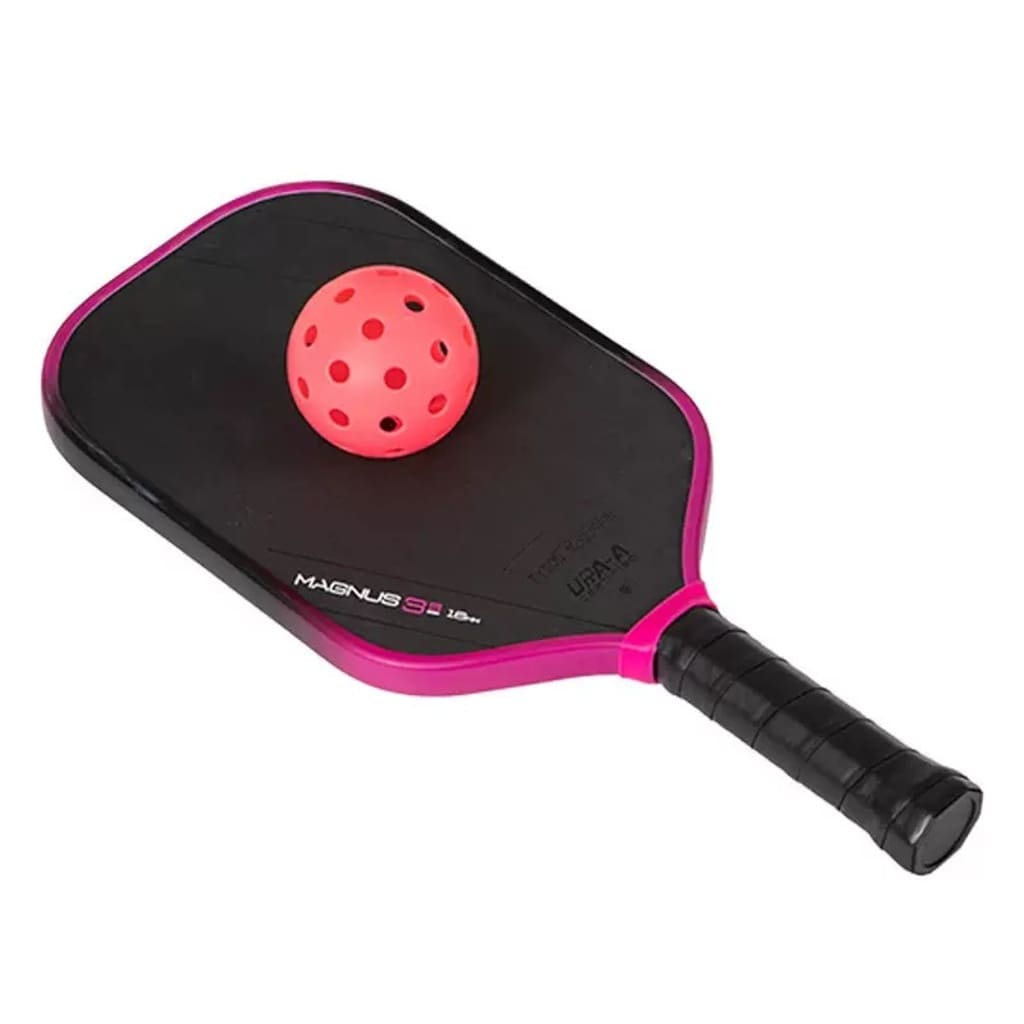
This is the pickleball paddle people pick up and say, “Oh… this feels different.” That moment matters in a new market.
Recommended build (copy-first)
- Construction: Thermoformed + perimeter foam
- Core/Thickness: PP honeycomb, 14mm or 16mm (choose by your audience)
- Face: T700 carbon or Kevlar (strong “upgrade” positioning when built consistently)
- Texture method: If you want a premium look and better durability, cloth-matte with a clean design works best
How to choose 14mm vs 16mm for Tier 2
- 14mm: quicker handling, more “fast-play” feel
- 16mm: more stability and comfort for longer sessions
Materials: keep it simple for first club
Most new markets don’t need a “materials museum.” What you need is predictable feel and fewer complaints. A simple rule:
- Fiberglass for beginner comfort and forgiveness
- T700 for upgrade positioning (only if build control is stable)
- Structure decides feel more than labels do
Customization: what to do first (and what to delay)
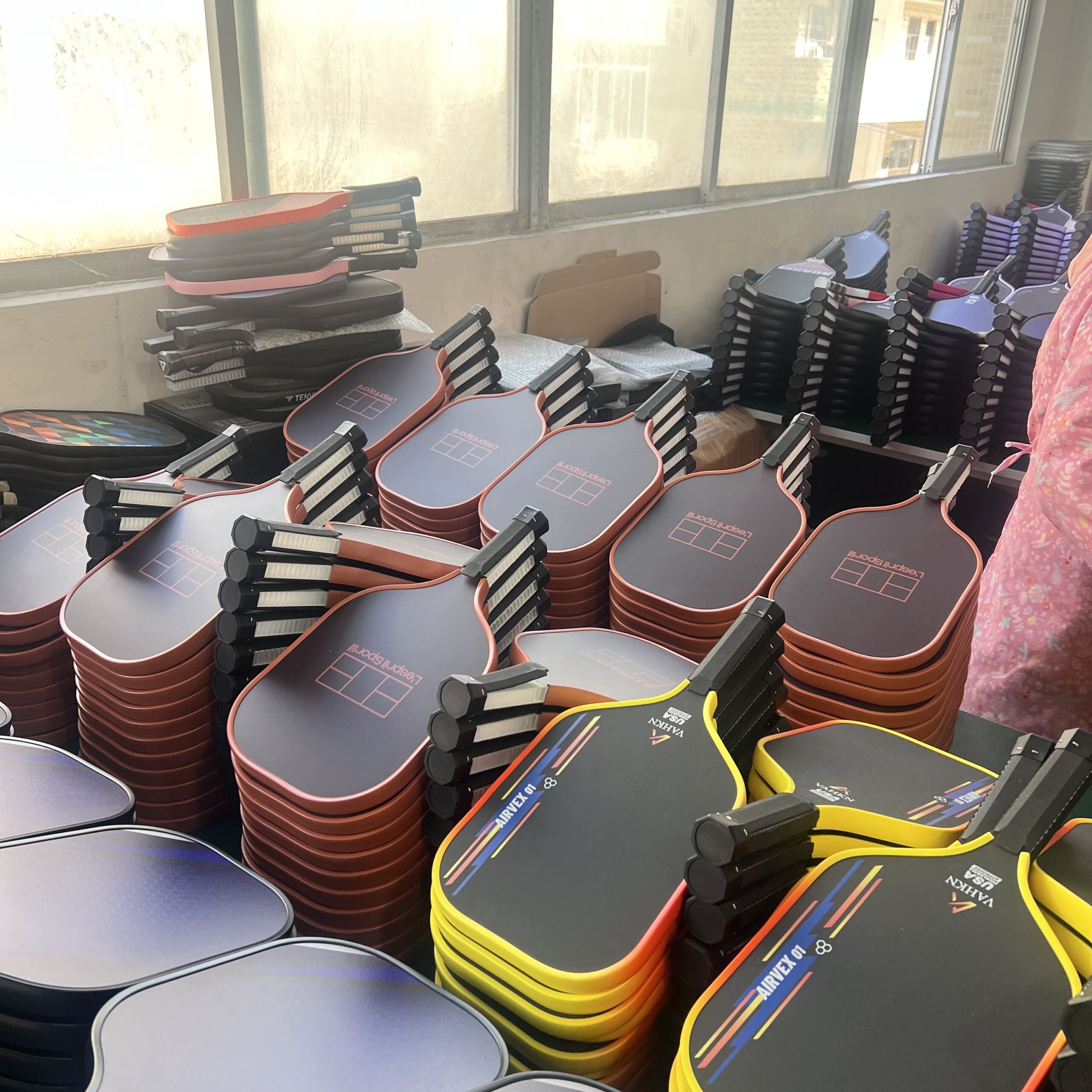
If you’re building a new club brand, you want it to look professional fast, but not get trapped by high MOQ packaging or too many custom parts.
Best low-risk customization for the first batch
- Clean face graphics (simple design reads premium)
- Grip color (easy branding without complexity)
- End cap logo (strong brand touch, low visual noise)
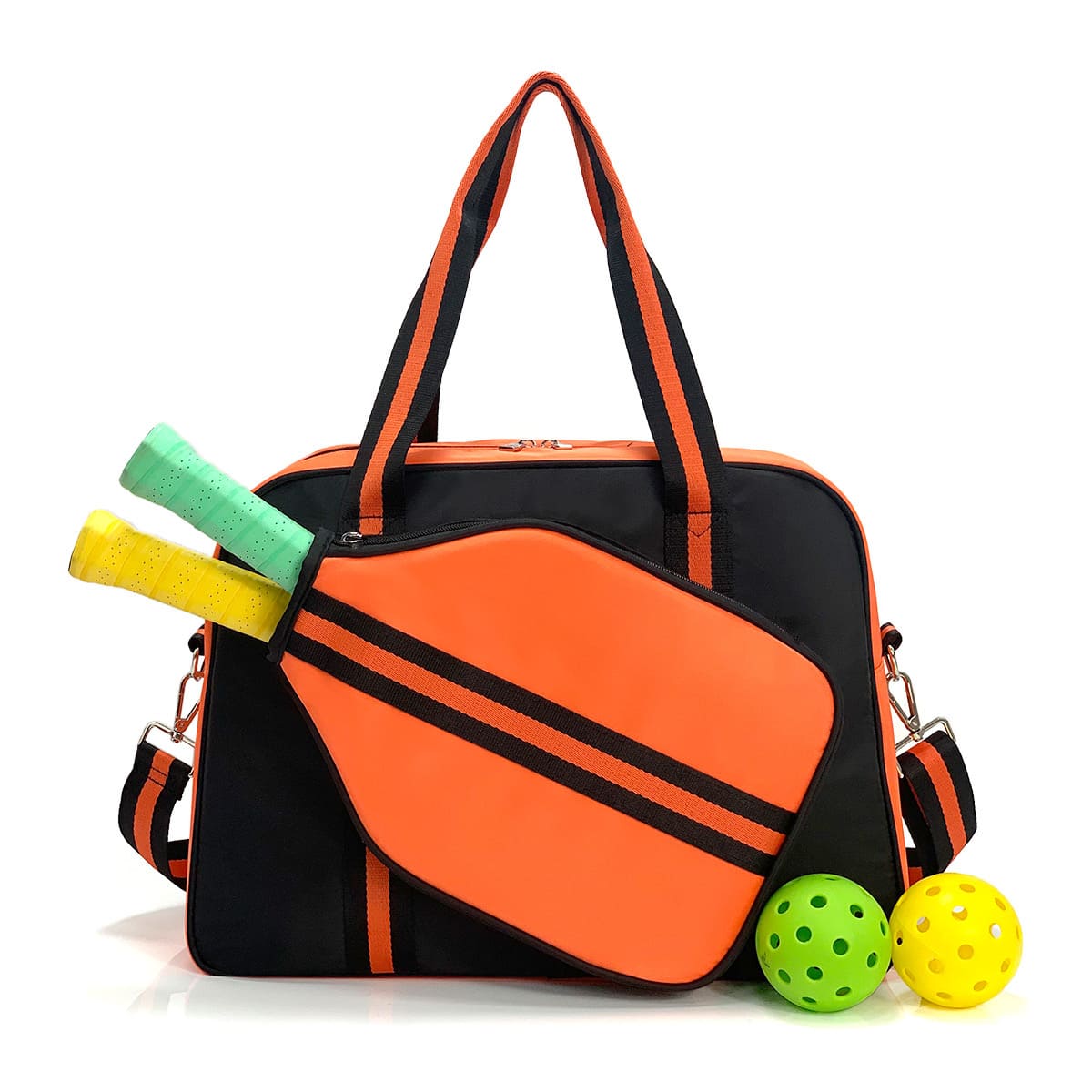
- Paddle cover or carry bag (often lower MOQ than printed boxes)
Customization that often raises MOQ or timeline
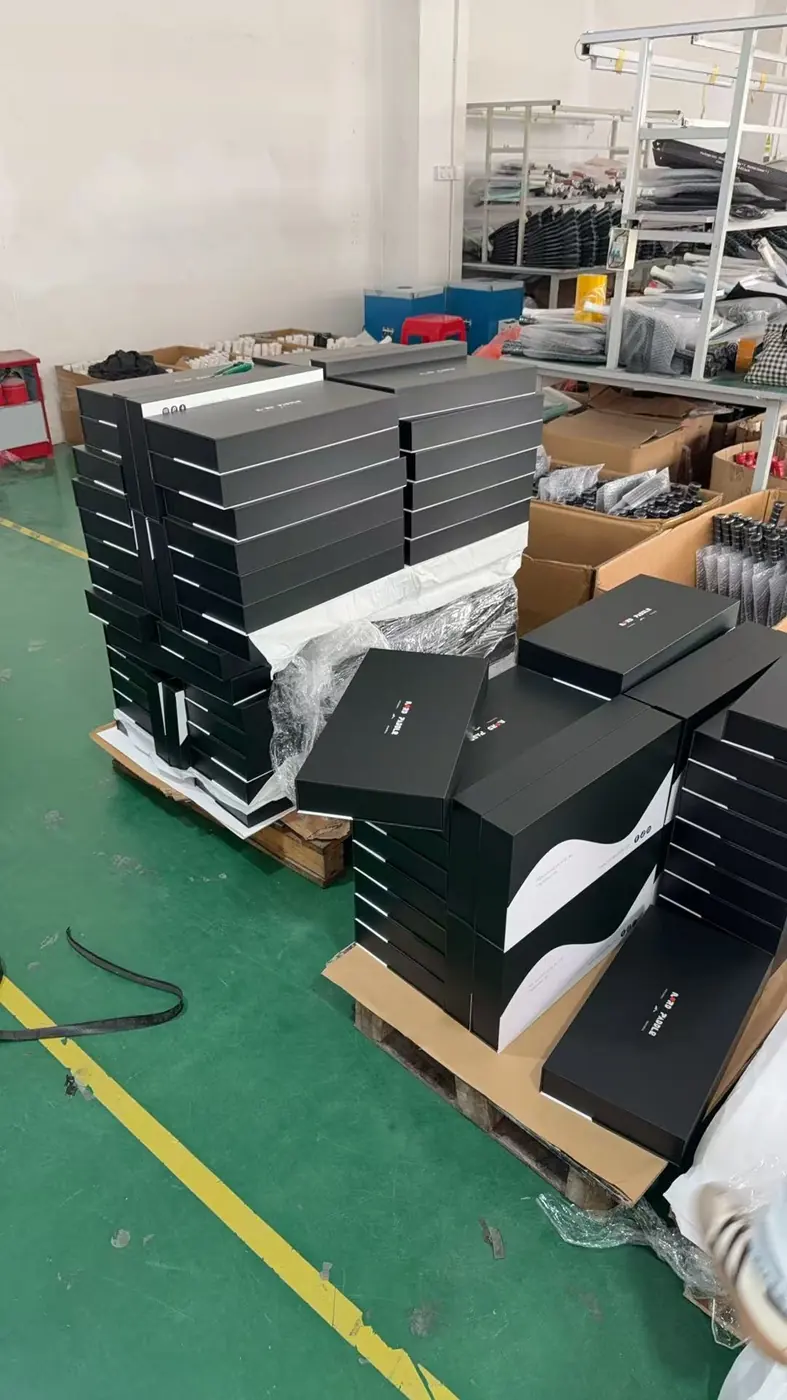
- Custom printed box + insert tray (great, but can delay you)
- Too many custom accessories on the first batch
Pricing logic (without turning your first order into a trap)
Don’t judge cost by pickleball paddle unit price only. For new clubs, total landed reality comes from four buckets:
-
Pickleball Paddle build (construction + face + core)
-
Custom parts (end cap, grip, edge details)
-
Packaging (cover/bag vs custom box)
-
Shipping plan (speed vs cost vs simplicity)
Two real first-batch “pain moments” (so you don’t repeat them)
Story 1: “We only needed 100 pickleball paddles… but packaging froze everything”
I’ve seen founders start with good intentions: “Let’s make it premium from day one.” Then they add a custom box, a molded insert, a sleeve, and multiple set items. Suddenly the pickleball paddle itself is ready, but packaging becomes the long pole.
What I usually suggest in that moment is a simple reset: start with a clean paddle cover, launch the courts on time, and upgrade to premium boxes once demand is proven.
Story 2: “We customized every accessory… and the budget exploded”
This one is common: edge color, ring logo, grip logo, end cap logo, all at once. The founder thinks it’s “small details,” but tooling and MOQ rules treat them as real production projects.
My advice is usually: pick one branding anchor for batch one, end cap logo is often the best value, then add ring/edge/grip upgrades in batch two when sales are real.
Quality standards that protect a new club (what to care about)
New markets magnify two issues: inconsistency and early damage. So you need to focus on:
- Weight range control (same model should feel the same)
- Edge assembly stability (rental reality)
- Surface durability consistency (avoid “feels different later”)
- Packaging accuracy (missing items create drama fast)
Common mistakes (new clubs repeat these)
1) Starting with only a “premium” paddle and forgetting beginners/rentals
2) Chasing material names instead of scenario fit
3) Over-customizing packaging before the courts even launch
4) Not controlling weight range (same model feels different)
5) Skipping edge durability planning for rentals
People Also Ask
Can we start with only one model?
Yes, but not recommended. Beginner and intermediate members need different feel priorities, 2 tier safer
Should we prioritize 13mm or 16mm thickness?
For beginners/lessons/rentals: choose 13mm first. If you want faster handling and a quicker feel, add a 16mm option later.
Does fiberglass feel “low-end”?
No, for beginners/clubs, it’s forgiving, comfortable, and reduces complaints
Are thermoformed paddles always more premium?
Not always. The upgrade comes from structure details and consistency, not the word.
Do l need an edge guard?
Strongly yes for clubs. It reduces avoidable damage in shared-use environments
Should l choose spray sanding or cloth-matte texture?
Heavy coverage: spray sanding. Clean premium design: cloth-matte lasts more evenly.
A practical note
When you launch courts in a new market, the most stressful part isn’t choosing “the best spec.” It’s the quiet fear: “What if we open, and the first batch gets complaints?”
My honest suggestion is to keep batch one simple and stable: build one forgiving workhorse paddle and one clear upgrade paddle, then protect consistency like a system,not a promise. Once your club is running smoothly, you’ll have the confidence (and the data) to upgrade designs, packaging, and premium positioning without drama.