Skip to content

When a buyer tells me they’re are a big-box retailer or a supermarket chain, the first thing I think about is not “Can we make a good paddle?”
It’s “Can we keep returns predictable, explainable, and easy to process, week after week?”
Because in big retail, a return is rarely just a return. It becomes internal pressure: store feedback, DC reports, vendor scorecards, and sometimes automatic chargebacks.
This article is written like a practical operating guide. You can copy parts into your PO, your vendor agreement notes, or your internal SOP.
What “good after-sales” means in big retail (the simple definition)
Good after-sales in big retail means three things:
-
You can classify each claim fast (no guessing)
-
The factory can respond fast (no silence)
-
The remedy is consistent (no case-by-case bargaining every week)
The most common retail return patterns (and why they happen)
In my experience, big retail returns usually fall into a few patterns. The key is: many are not “product is broken.” Many are “retail operations didn’t like it.”
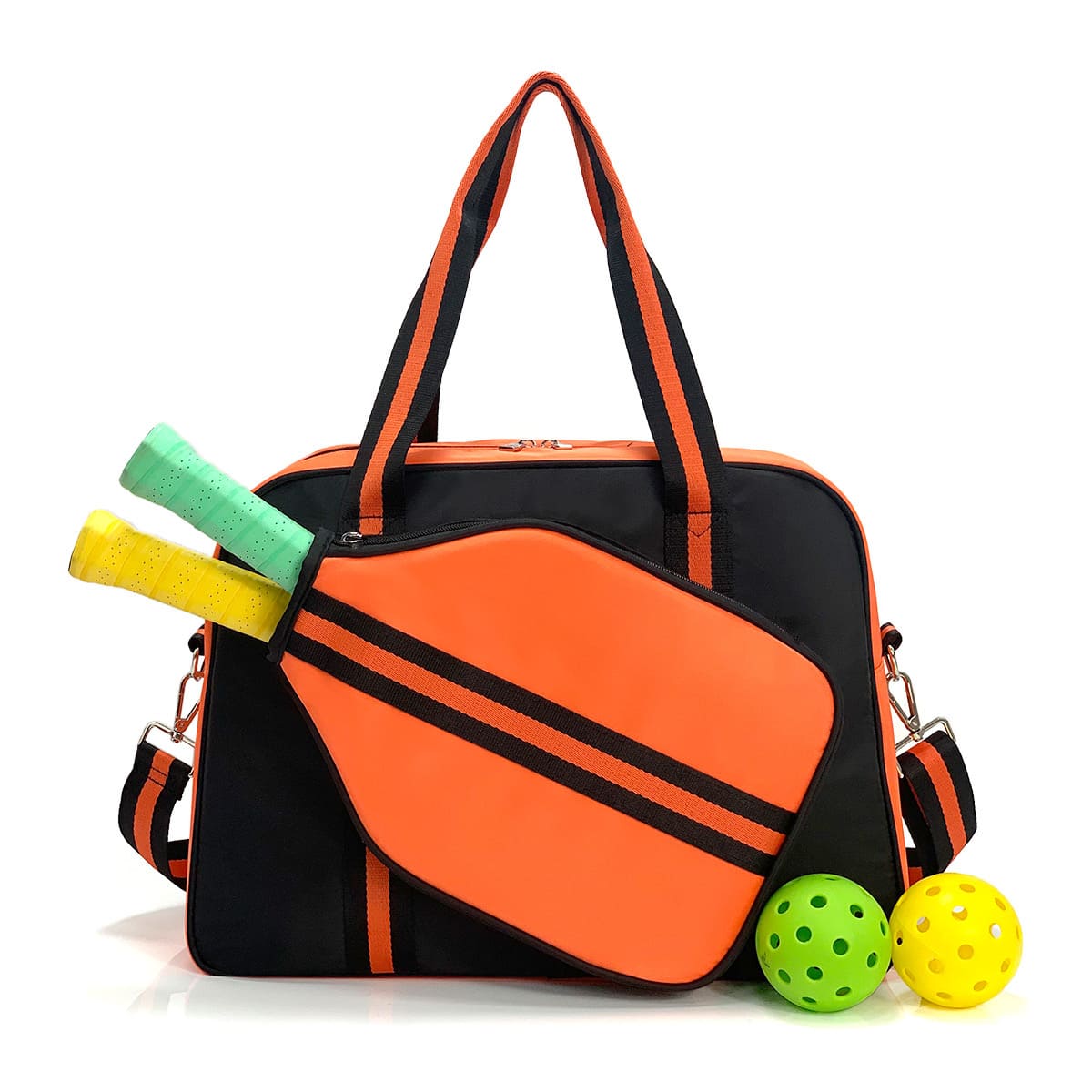
Pattern A: “Incomplete set” returns (missing balls / missing manual / missing grip tape)
Pattern B: “Feels different” returns (same model, inconsistent feel/sound across stores)
Pattern C: “Cosmetic mismatch” returns (finish/texture not like the photo or like earlier batch)
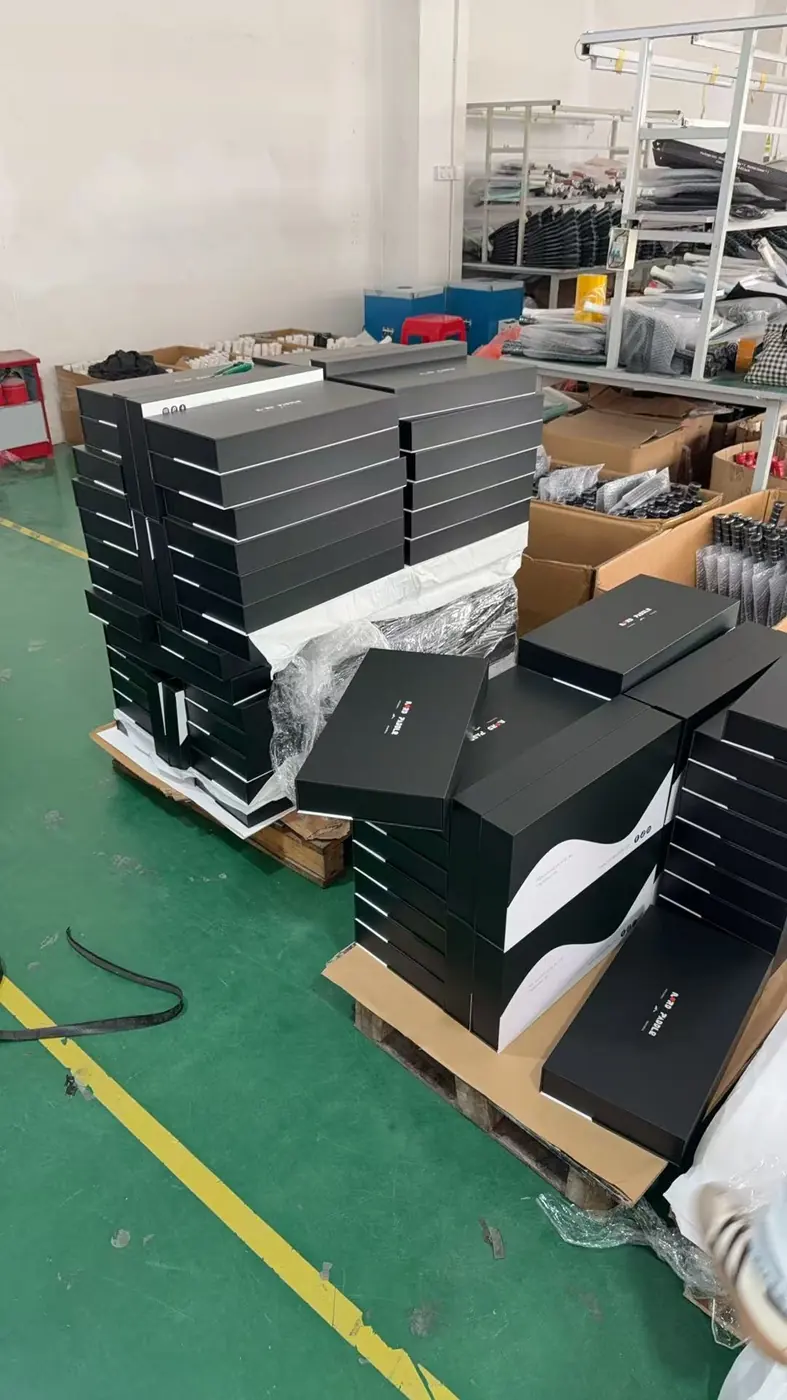
Pattern D: “Packaging damage” returns (not necessarily your fault, but you still pay for it)
Pattern E: “Customer dissatisfaction” returns (this is the most dangerous because it’s vague)
If you don’t build a claims SOP that matches these patterns, you will spend your whole season arguing instead of selling
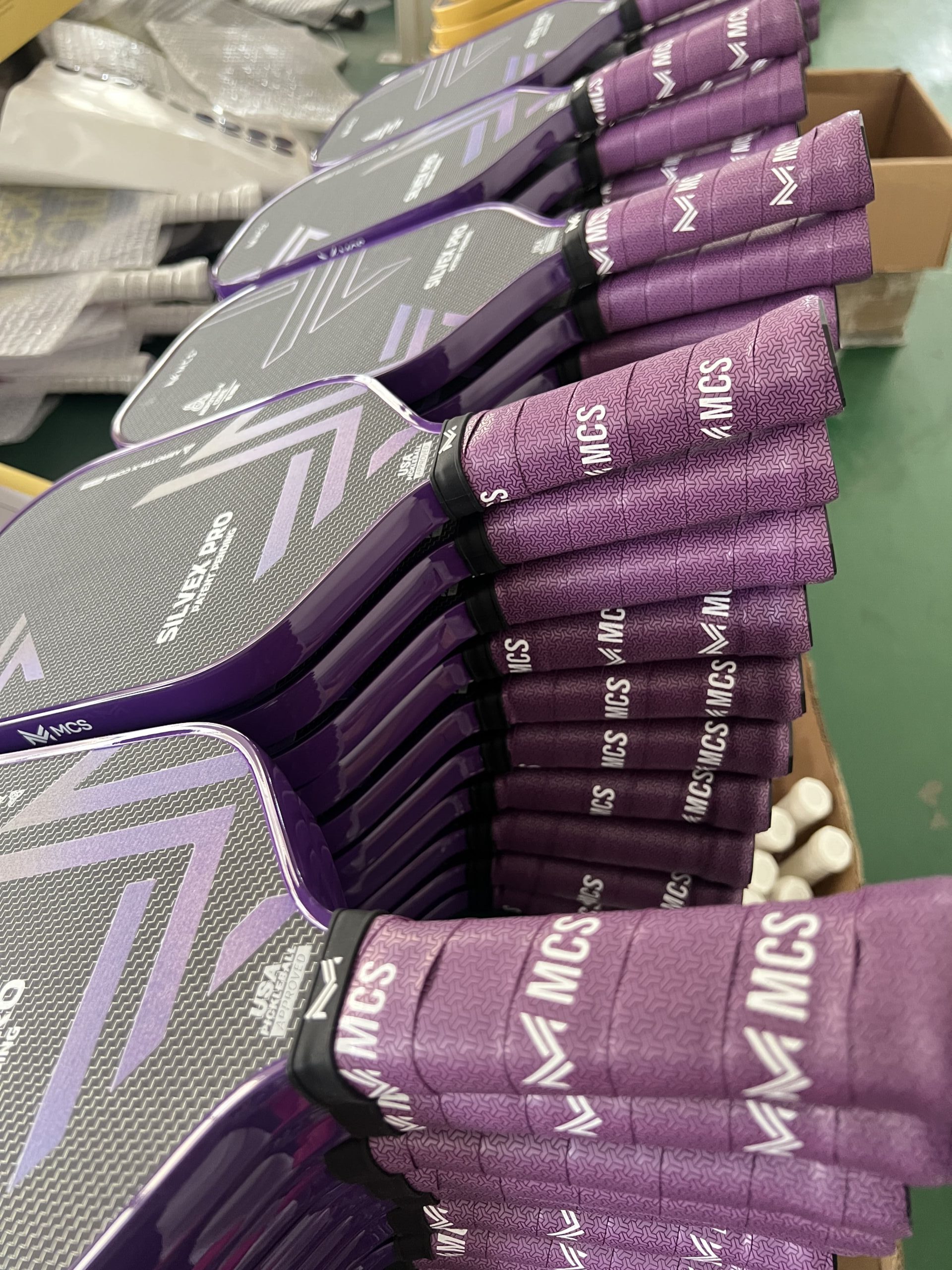
One table that makes retail claims easier
This is the table I recommend for big retail and distributors. It’s built around how warehouses and retail ops actually work: evidence first, then decision, then remedy.
| Claim type (retail language) | What buyer should collect (minimum) | Factory quick check | Recommended remedy rule |
|---|---|---|---|
| Incomplete set / missing item | Carton photos + packing list + SKU/lot code | Pack-out checklist trace + carton weight check (if used) | Replace missing items or credit per unit |
| Packaging damage | Photos of outer carton + inner pack + count of affected units | Packaging structure review + drop/stack risk review | Credit by affected units (define window) |
| Cosmetic mismatch | Side-by-side photos vs approved golden sample + lot code | Finish version control check + process lock check | Credit only if version drift; otherwise reject |
| Structural defect | Clear photos/video + lot code + quantity rate | Batch-level check (middle-of-run sampling) | Replace/credit if confirmed defect pattern |
| “Feels different” / inconsistency | Two-unit comparison video + weights + lot codes | Consistency investigation across lot/carton positions | Treat as batch-level case, not single unit |
| Customer dissatisfaction (vague) | Store notes + frequency + any physical evidence | Clarify whether defect exists; if none, treat as policy/positioning | Agree a controlled allowance (if any), not open-ended |
The claims timeline retail teams expect (a realistic SLA)
I’ve worked with enough retail teams to know this: you don’t want long explanations, you want a clear process and a reliable timeline. So here’s the simple rhythm I suggest we follow on claims.
-
Step 1: Acknowledge receipt (24–48 hours)
We confirm the claim is logged, name a point person, and tell you exactly what evidence (if any) is missing. -
Step 2: Evidence review (within 3 business days)
Your team sends the minimum evidence from the checklist (photos/video + lot/carton code + affected quantity). We reply with a clear classification: packaging, missing-set, cosmetic, structural, or “inconsistency.” -
Step 3: Preliminary decision (within 5–7 business days)
We give a preliminary direction: replace / credit / reject / re-check, so your team can report internally without waiting. -
Step 4: Final remedy plan (within 10–15 business days)
We confirm the remedy method and timing (credit memo, replacement in next shipment, or another agreed option). For batch-type issues, we treat it as a lot-level resolution, not a single-unit argument.
This isn’t about being “fast for the sake of fast.” It’s about giving your retail operation a predictable rhythm, so claims don’t escalate into scorecard pressure.
PO terms that actually prevent retail disputes (simple wording)
These are the clauses I recommend using when you have already placed an order. They’re designed to avoid “we never agreed” arguments:
-
Version control: Any change to finish, texture, structure, or packaging requires written approval
-
Evidence standard: Claims must follow the evidence checklist table (photos/video/lot code)
-
Remedy logic: Define replace vs credit vs reject by claim type
-
Acceptance window: Define the time window for warehouse acceptance and claims submission
-
Dispute path: Pre-define a third-party inspection option and cost-sharing logic
This doesn’t make you “strict.” It makes you retail-ready.
Real case (not delamination): returns spiked because sets were incomplete
A distributor supplying a large retail chain came to us after a frustrating experience with another supplier. Their product wasn’t “bad,” but returns were rising, and the return reasons looked messy: “missing item,” “not as expected,” “opened packaging.”
When we asked for photos and warehouse notes, the pattern was surprisingly operational: a portion of paddle sets were missing one small accessory (in some cartons it was a ball, in others it was the manual or grip tape). Stores and customers didn’t care which part was missing, they just returned the whole set.
The painful part in retail is that this return looks like a product problem, even though the paddle itself may be fine. It hits your return rate the same way.
So we treated it like a pack-out control problem, not a “quality speech.” We did three simple fixes:
-
A pack-out checklist per carton position (so the team can’t skip steps during rush)
-
A carton-level verification method (for example, weight check if the set contents allow it, or a scan-and-count routine)
-
A final spot-check rule focused on the middle of the packing run (where mistakes happen most during peak speed)
After that, the buyer didn’t tell us “returns disappeared.” What they said was more realistic and more valuable: the return reason became clear, the random spikes stopped, and their retail partner stopped treating the model as “risky.”

Quick FAQ (big retail / distributor version)
Q1: How do we handle “returns with no clear defect” (customer remorse, wrong expectations)?
In big retail, you’ll always have a percentage of non-defect returns. The key is to separate them from true quality claims in your SOP and PO terms. Use a clear rule: only defect claims follow the evidence checklist and trigger replacement/credit; non-defect returns follow your channel’s return policy and are handled as a controlled allowance (if any), not open-ended claims.
Q2: What’s the cleanest way to prevent “approved sample vs mass production mismatch” disputes?
Lock version control before mass production: structure, surface finish/texture, and packaging contents must match the approved sample and approved artwork version. If any change is needed, require written approval and treat it as a new version. This single rule prevents most “it feels different” escalations.
Q3: Who pays for third-party inspection if we disagree on a claim?
The best practice is to pre-define it in the PO: if the inspection confirms a defect pattern, the supplier bears the cost; if it confirms no defect (or not meeting the evidence standard), the buyer bears the cost. Pre-defining this prevents endless arguments.
Q4: What warranty wording is safest for big retail listings and packaging?
Keep it simple and operational: state the warranty period, what counts as a defect claim (evidence required), what is excluded (normal wear, misuse, non-defect returns), and the remedy method (replace/credit). Avoid vague “lifetime” promises unless you truly have a funded policy
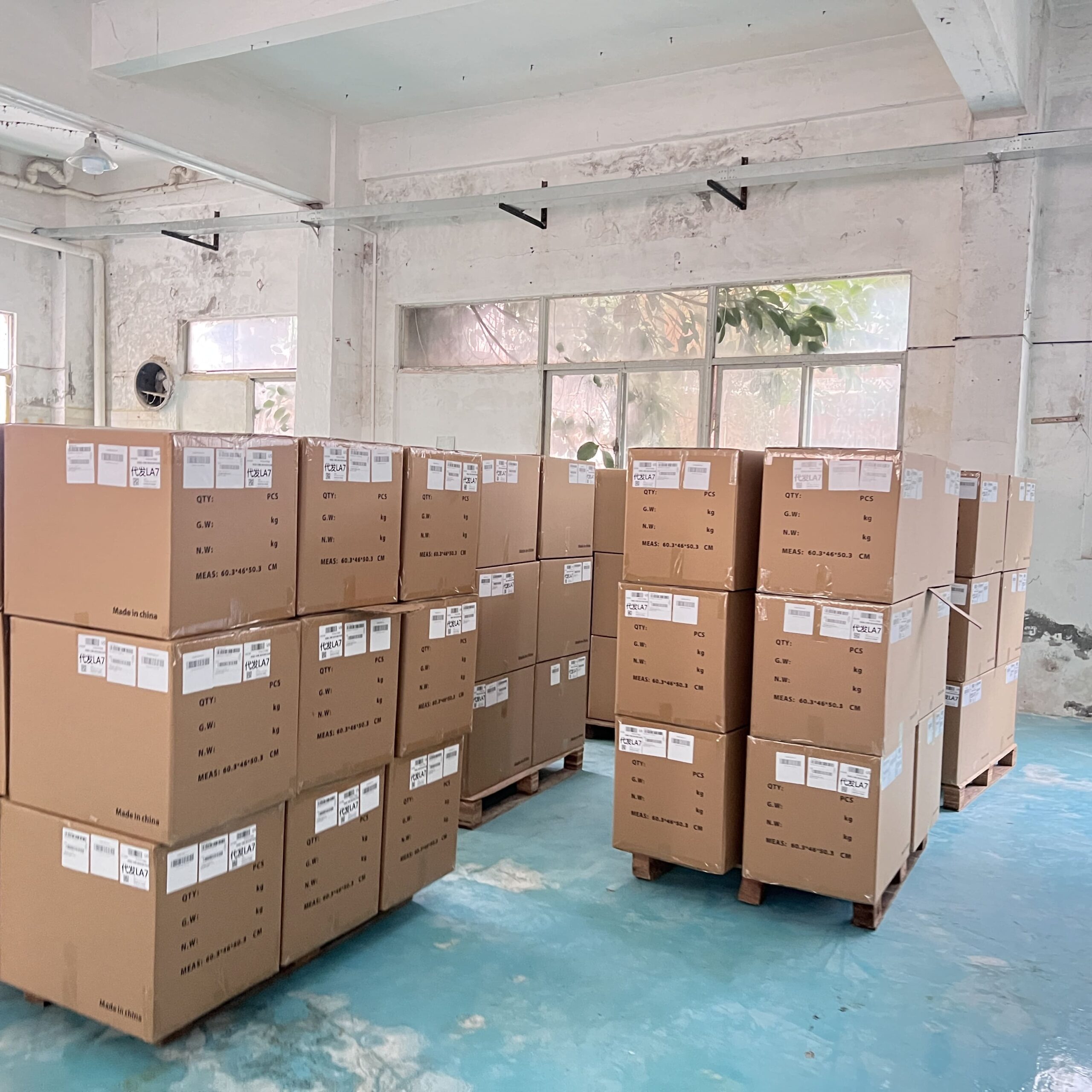
A practical note from iAcesport
In big retail, price isn’t the real battlefield. Stability is. A factory that helps you keep batches consistent and claims predictable is worth more than saving a few dollars on paper.
At iAcesport, we’re used to working with buyers who care about long-term brand safety, not one-time business. If you tell me your retail channel type and your internal return-pressure point, I’ll help you set a practical claims SOP and PO terms before mass production starts.