 跳到内容
跳到内容 
Pickleball Paddle Manufacturing: Cold-Press & Thermoformed
Not sure whether to choose cold-press or thermoformed? This page uses clear comparisons and a simple selection flow to explain the difference and help you pick the right material
Two Pickleball Paddle Constructions: Cold-Press & Thermoformed
There are only two main constructions now: cold-press and thermoformed. Choose construction first, then face materials and cores.

What is cold-press paddle?
Cold-press is a cut-and-press construction with a mature process and friendly cost, making it the main structure for entry-level and high-volume paddles.
- Face and PP honeycomb core are pressed at room temperature with high yield and stable quality
- Softer, more forgiving feel, easier for beginners and casual players
- Ideal for entry and volume models, especially for new brands testing the market
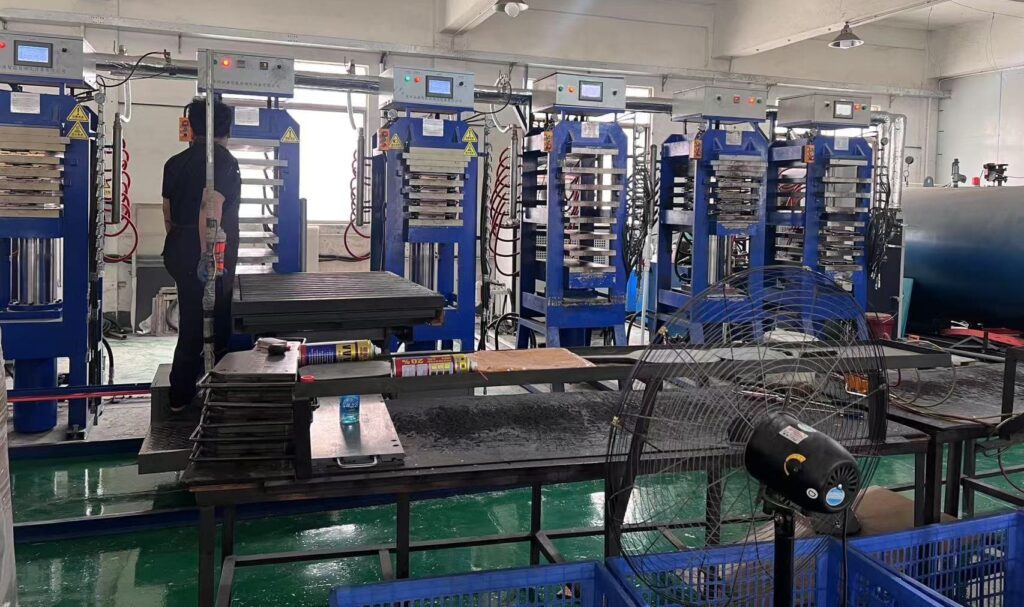
What is Thermoformed Paddle?
High-temperature one-piece forming for a more solid structure – perfect for premium and flagship lines.
- Face, edge and core are thermoformed together in the mold, giving less deformation and longer life.
- More pop and power, preferred by intermediate and advanced players.
- Great for high-margin products and pro series, helping your brand stand out in the mid-to-high-end market.
A Quick Compare
| Item | Cold Press | Thermoformed (One-Piece) |
|---|---|---|
| Durability | ⭐⭐ | ⭐⭐⭐ |
| Sweet Spot | Medium | Largest |
| Power | Medium | High |
| Control | Medium | Medium-High |
| Unit Cost | Lowest | Highest |
| Best For | Entry-level, test batches | Flagship / Pro Series |
Guide
Pickleball Paddle Selection Flow
First choose construction, then face material, then core and thickness, and finally your product line mix.
Step 1 – Set player level & price
Decide your target players (entry / recreational / advanced) and retail price range
Step 2 – Choose construction
Based on Step 1, choose cold-press for value/volume or thermoformed for premium/pro models
Step 3 – Choose face material
Pick fiberglass, T300, T700 carbon, 3K, 12k , 18K, Kevlar or Titanium to match your positioning
Step 4 – Choose core & thickness
Select PP honeycomb 10 13/14/16/ mm or Gen 5, Gen 4, EVA, EPP hybrid core to balance power and control
Step 5 – Build your product line
Combine constructions and materials into traffic (entry), profit (mid), and flagship (premium) models
Step 6: Not sure what to choose?
Send us your target players, budget and markets. We’ll follow this 5-step flow to design a custom mix of cold-press and thermoformed paddles, with recommended materials and MOQ.
How Should New Brand Build the Paddle Line?
Based on the 6-step flow above, here are three proven paddle line combos to help new brands launch faster.
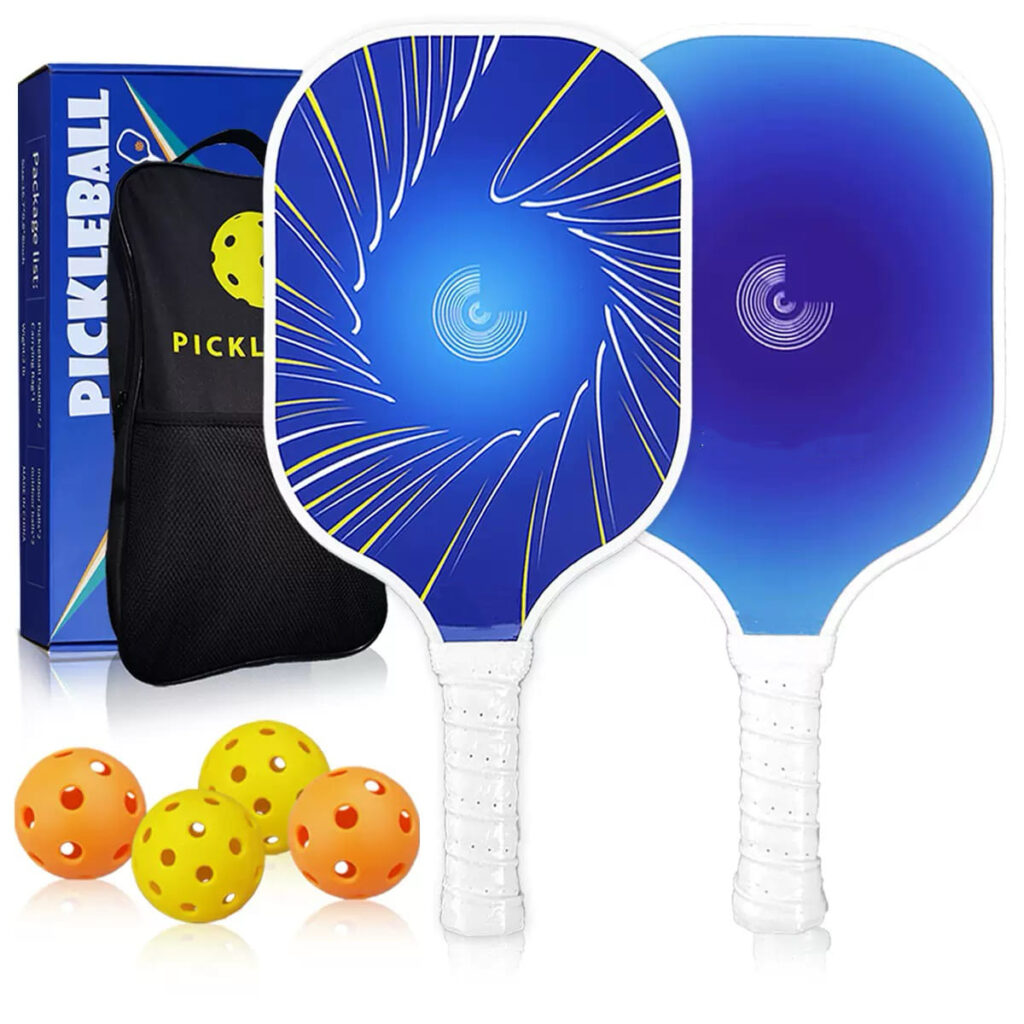
- Focus on entry-level and bundle sets with low inventory risk and high volume
- Ideal for 2-paddle + balls + bag sets on Amazon, DTC stores and retail chains
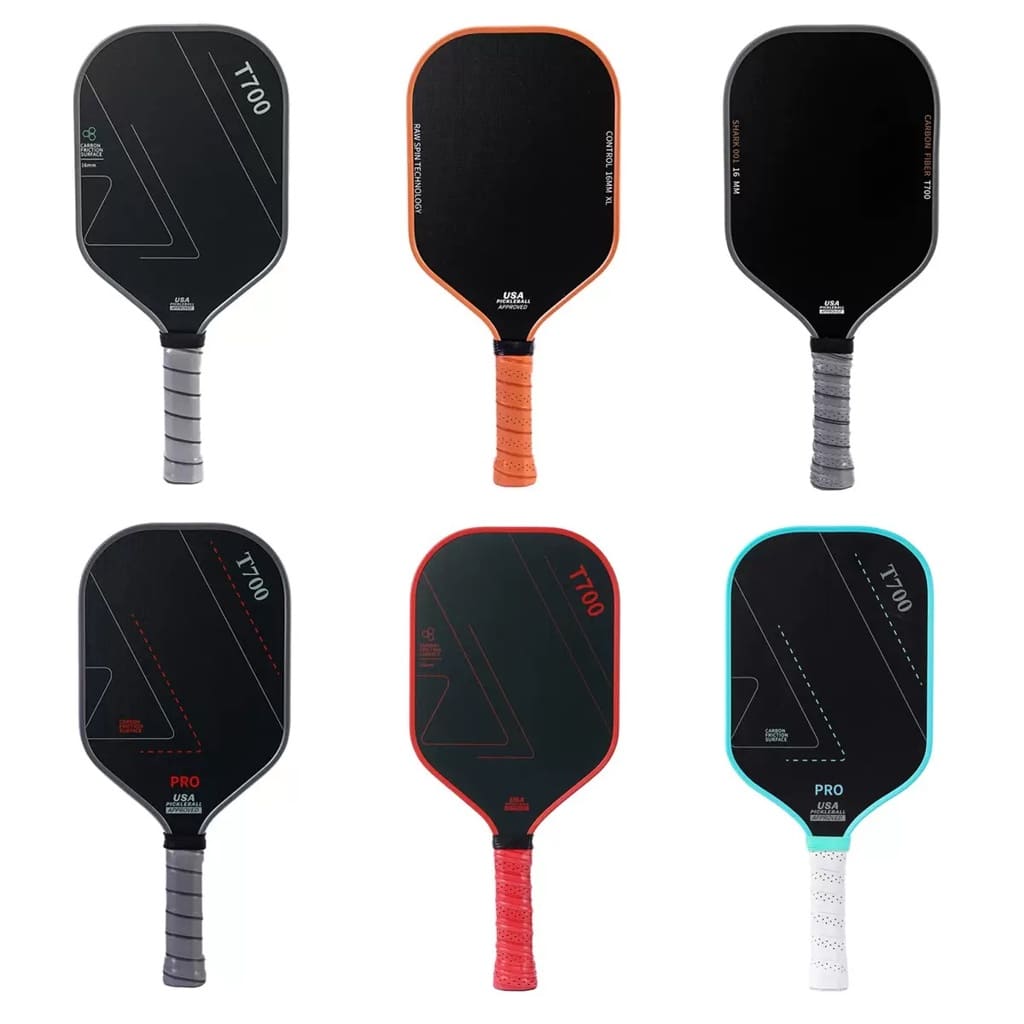
- Use cold-press to drive conversion and thermoformed paddles to lift AOV, perfect for growing brands
- Cold-press models cover mid/low price points for entry and recreational players
- Thermoformed “Pro / Gen3 / Gen4” models sit at 100–150 USD as your main profit line

- A high-margin line for advanced players, clubs, and resorts to showcase your brand at the top end
- Thermoformed with 3K/18K, Kevlar or Titanium faces for premium feel
- Optional EVA/EPP cores for ultra-responsive Gen4/5 Power models
FAQ on Paddle Techs
1:Why do you only recommend cold-press and thermoformed? What about traditional hot press?
Today the market mainly uses cold-press and thermoformed constructions because they offer better stability, yield and cost. Traditional hot press is heavier, more complex and less efficient, so most brands have phased it out.
2: Are cold-press and thermoformed paddles very different in durability?
In terms of durability, if we use the same grade of carbon fiber and PP honeycomb, both constructions last a long time under normal use, though thermoformed paddles tend to have slightly stronger and better shape stability. You can think of cold-press as “easy to play and relaxed” and thermoformed as “more professional and powerful,” each serving a different role in your product line.
3: What are the main differences in feel between fiberglass, T300/T700, 3K/18K carbon, Kevlar and Titanium?
Fiberglass more forgiving, while T300/T700 UD carbon is crisper with better control; 3K/18K woven carbon has a more premium look. Kevlar feels solid and resilient, and Titanium feels faster and more explosive, often used in thermoformed flagship paddles.
4: I don’t know much about pickleball . can you help design the full product line for me?
Yes. Based on your target market, channels, budget and player level, we design a full paddle line using cold-press and thermoformed models. You give us the direction and we propose a mix of traffic, profit and flagship paddles.
5: If my budget only allows one construction, which one should I start with?
If your budget is tight and you’re testing the market, we recommend starting with cold-press paddles because tooling and unit cost are lower and inventory risk is smaller. Once sales are stable, you can add thermoformed premium models to upgrade your brand.
6: As a new brand, how many paddle models should I launch in my first collection?
Most new brands do well with 3–4 models for the first launch, for example 2–3 cold-press entry paddles plus 1–2 thermoformed premium paddles and one hero material like Kevlar or Titanium. This covers key price points without spreading your budget too thin.
7: How long does sampling take? Can we adjust specs if samples aren’t perfect?
Cold-press samples usually take about 5–7 working days and thermoformed or special materials about 8–15.
Sample can be adjusted, and we only move to mass production after you confirm.

