Skip to content
India’s pickleball paddle opportunity isn’t about “perfect specs” yet. It’s about a sport crossing the line from “people try it” to “people return every week.” The signals are already visible: more courts, clubs forming real schedules, and leagues/events becoming structured
5 growth signals already happening
1) Court density is changing (not just “someone plays somewhere”)
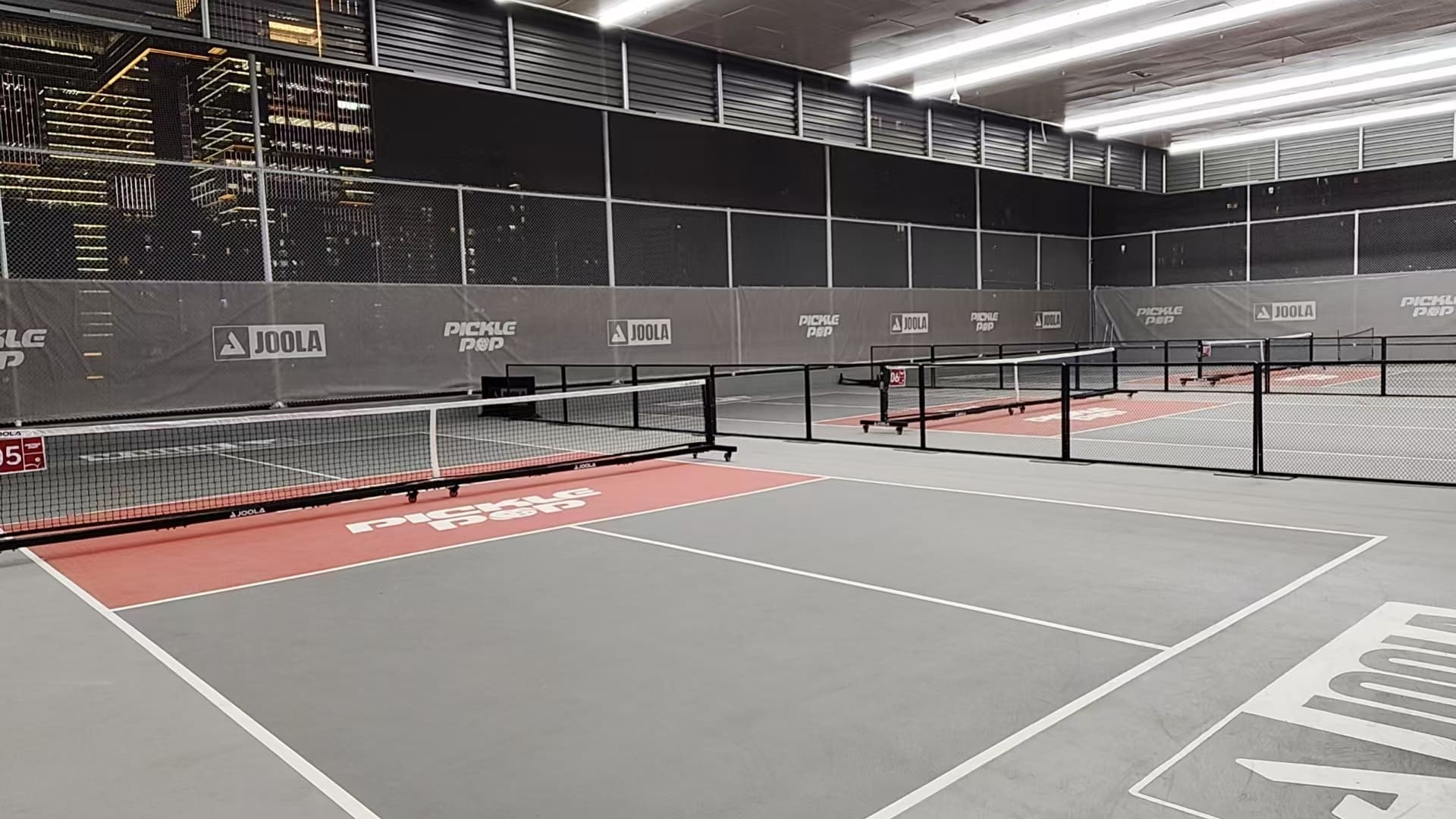
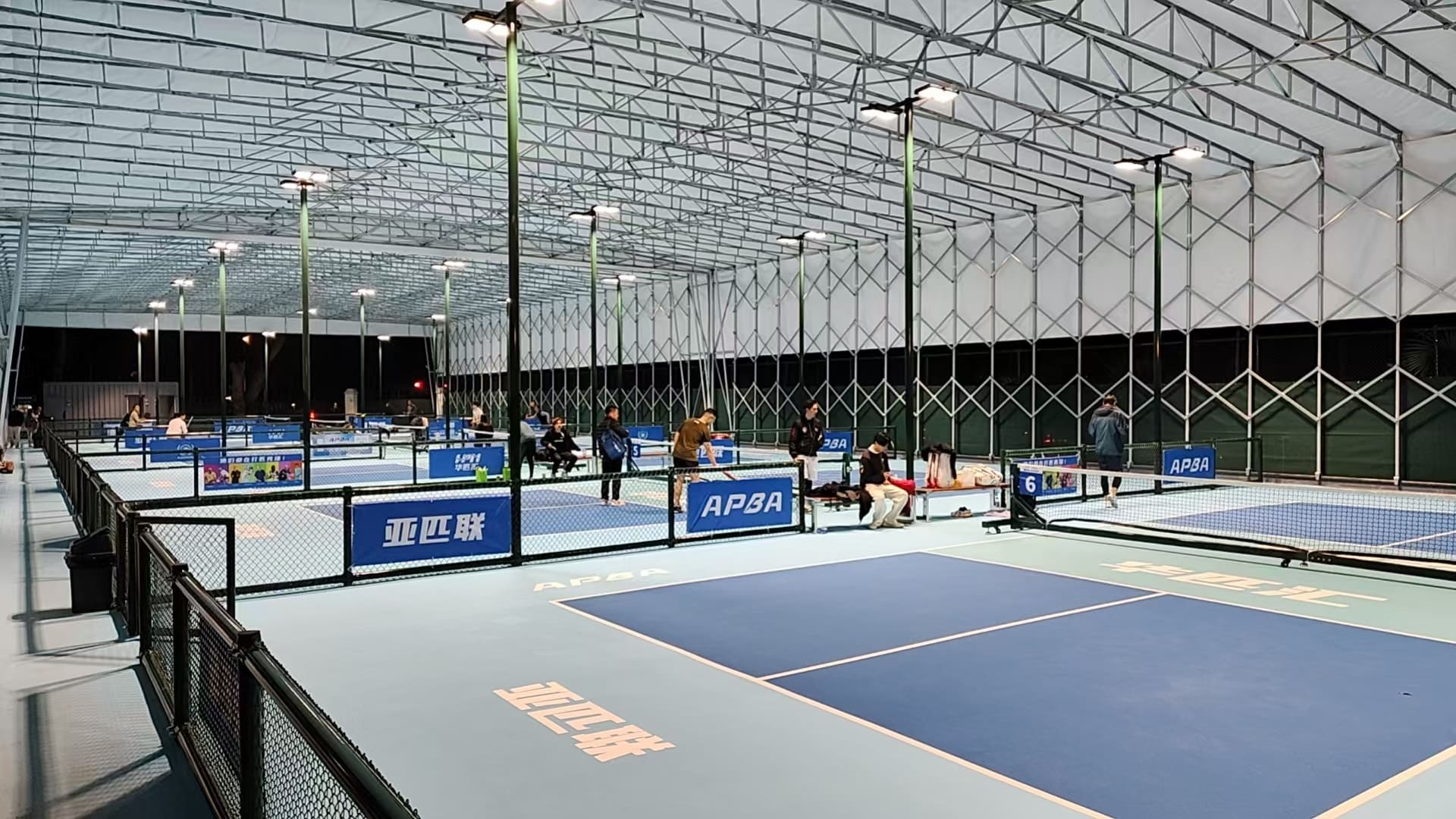
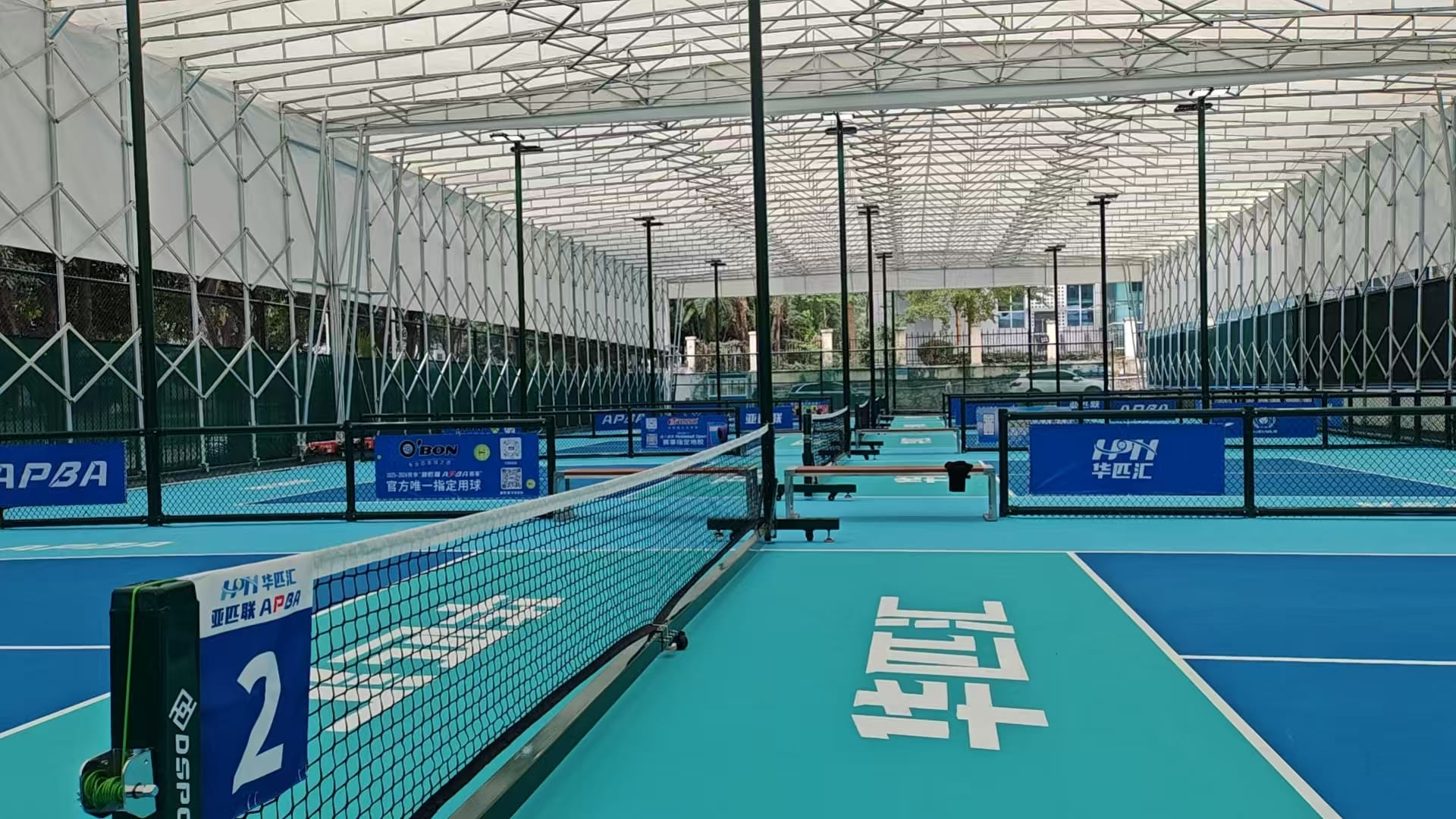
It’s no longer “some people play.” It’s court density. Bengaluru has been reported to host 400+ pickleball courts, and expansion across areas keeps moving. When courts get dense, lessons and weekly schedules become normal, hype turns into habit.
When tier-2 cities like Coimbatore start building indoor pickleball complexes and operating them seriously, it’s a sign growth isn’t just a big-city novelty.
2) From “friends playing” to “leagues running” (habits beat hype)
The real milestone is when “friends play” turns into a league system. You’re seeing league-style moves like the World Pickleball League being launched, building schedules, content, and sponsorship into the sport.
When multiple leagues appear, it means commercialization is happening on more than one track. India Pickleball Premier League (IPBL) is another league push, an attempt to turn attention into repeat participation
3) Participation scale is no longer “small-circle meetup”
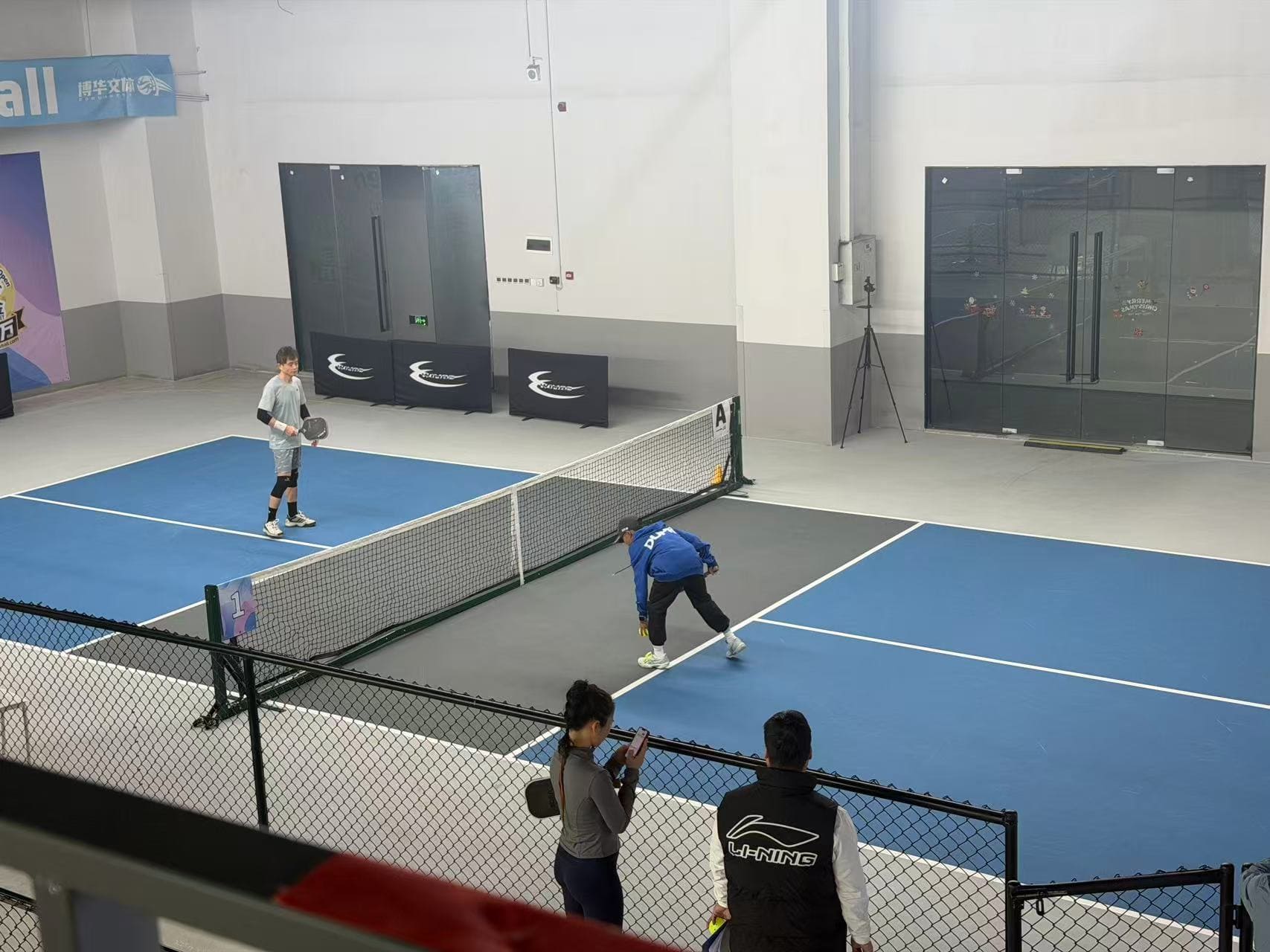
Some open events are reported to have 500+ registrations, meaning players are real and willing to invest time, travel, and gear budget, this is the shift from watching to committing.
4) Training and coaching systems are forming (this is how markets stabilize)
A new sport stays fragile when it relies on hype. It becomes stable when people start teaching it: lessons, clinics, coach communities, weekly routines. Coaching is the infrastructure of repeat demand
Coaching systems are forming. Once lessons become a product, growth gets stickier, people shift from “sometimes” to “weekly.” India is seeing coaching/training initiatives being promoted and covered
5) Buying behavior is shifting toward “consistency and restock”
Early on, people compare price. Once the market matures, the talk becomes: “Do same models feel consistent? Do balls crack fast? Do grips get slippery? Do edges survive?” When that shows up, repeat-buy logic is forming.
Why this sport becomes “addictive”
Pickleball spreads fast in new markets because it hits three psychological buttons at once:
-
You get quick wins fast (a rally on day one), the social format is effortless (four people, lots of laughter), and once “weekly” becomes a habit, repeat purchases happen naturally: balls, lessons, member paddles, and friends bringing friends.
-
In many new markets, growth isn’t led by pros, it’s led by “after-work social sport” becoming a lifestyle.
A lot of early-market growth isn’t driven by elite pros. It’s driven by “easy learning + social routine + weekly habit.”
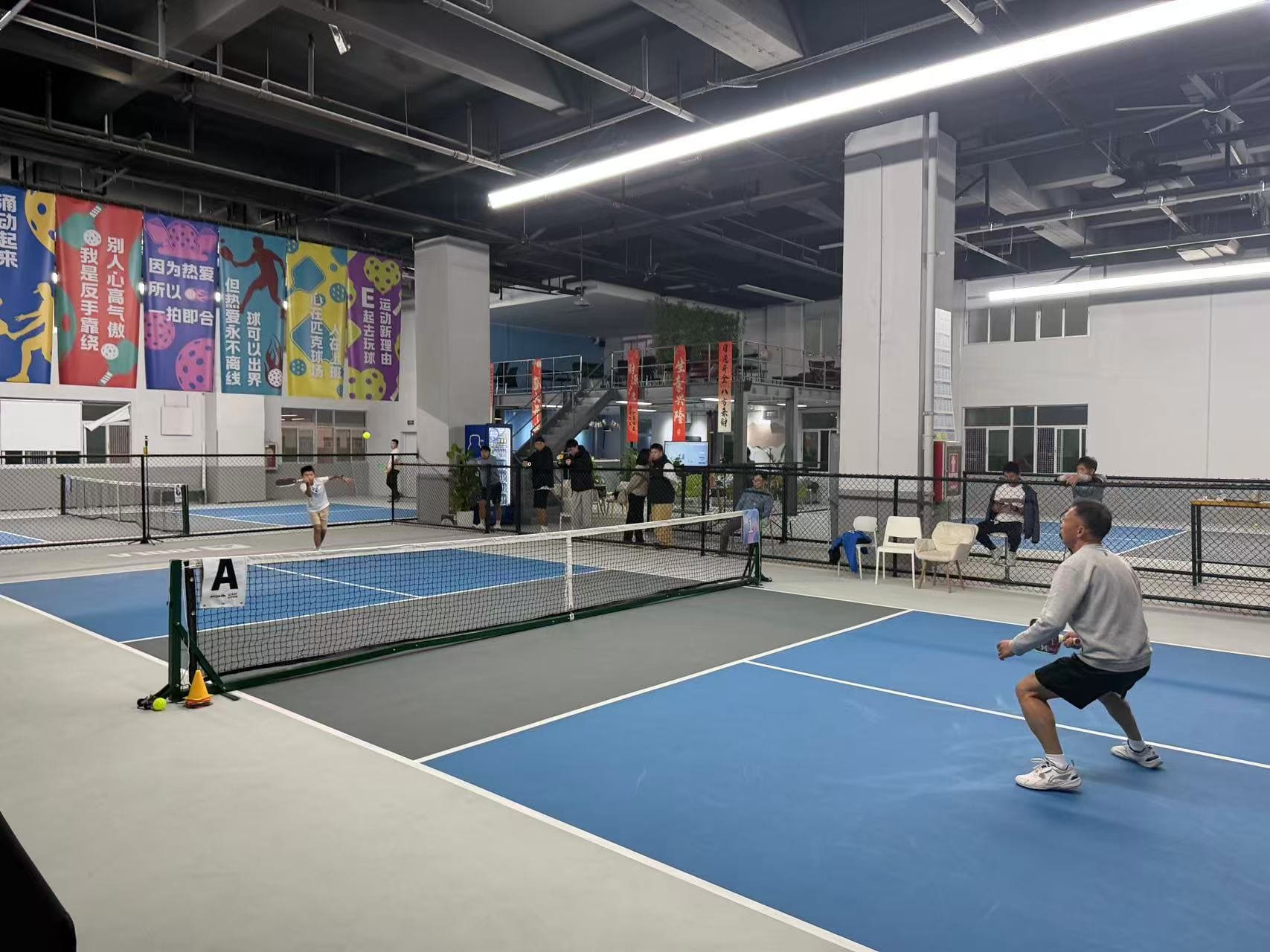
Trend map: 4 main growth arenas in India (build your products and content around this)
If you choose the arena first, your content and SKUs won’t scatter.
| Growth arena | What you’ll see | Who pays | What they care about | Easiest way for a new brand to win |
|---|---|---|---|---|
| City clubs / commercial venues | New courts, trial sessions, memberships | Operators + new players | “Not harsh, not heavy, not breaking” + consistent feel | Start with an entry-stable model for reputation, then add an upgrade model for margin |
| Leagues / events pulling demand | Local leagues, city tournaments, open events | Serious players + organizers | Same-model consistency + durability + on-site maintainability | Don’t sell “most powerful.” Sell “how not to fail on event day.” |
| Schools / junior clubs / communities | Classes, youth programs, club sessions | Schools/coaches (parents influence) | Light, comfortable, durable, easy maintenance | Weight range + grip sizing + spares beats carbon-fiber storytelling |
| E-commerce first-time sellers | Listings, test runs, reviews | Career-switch entrepreneurs | Low return risk, repeatable fulfillment, no delays | Two-tier copy-first SKUs + restock logic = clean inquiries |
Who is actually paying in early India
-
New clubs / new venues: “I can pay a bit more. I just don’t want daily repairs and daily explanations.”
-
New e-commerce sellers switching careers: “I only need my first reviews, please don’t let batch one kill me.”
-
Schools/junior programs: “Light. Comfortable. Durable. Low maintenance. One semester without drama.”
-
Events/sponsors: “No ‘same model feels different.’ And we need spares on-site.”
Buying behavior map: what’s changing right now
Think of it as “A → B” shifts:
-
From single paddle buys → to club starter kits (paddles + balls + nets + spares)
-
From comparing unit price → to total cost (durability + maintenance + repeat buys)
-
From chasing material names → to chasing experience outcomes (comfort/stability/low complaints)
-
From one-time stocking → to rolling restock (balls, grips, edge protection run out first)
Where money actually comes from: 3 profit pools (not just paddle margin)
No guarantees, no magic. But the mechanism is real: weekly habit creates recurring spend.
1) Club pool: memberships, lessons, court fees, weekly events
2) Consumables pool: balls, grips, edge protection, cleaning, powered by unavoidable replenishment
3) Event pool: entries, sponsorships, co-branded drops, on-site retail, powered by attention spikes.
To be real: this is not “guaranteed profit.” But once a market crosses the habit threshold, repeat buying makes cashflow far easier to build.
How to enter: 3 paths and the safest first step for each
Path A: Club / venue (best early advantage)
- Priority: get operations running (balls/spares/maintenance), not luxury packaging
- Safest first step: two-tier paddle line + enough ball stock + portable nets to launch smoothly
Path B: E-commerce (fastest way to validate demand)
-
Priority: stable fulfillment + low return risk
-
Safest first step: 2 SKUs (entry-model + clear upgrade), then earn reviews before expanding
Path C: Events / coaching / training (best for building a “circle”)
-
Priority: increase “weekly returners”
-
Safest first step: a repeatable weekly league / clinic template, not a one-off hype event
The question people are afraid to say: “Is it too early?”
You’re asking “is the market big,” but your real anxiety is: will I get stuck with inventory, choose the wrong path, or get burned by supply chain? Under that, there’s a quieter question: can I actually pull this off?
The painful part of a trend is believing it will grow, but not knowing if you’ll be the one standing in the right place.
Here’s the pattern we’ve seen: our some brands entered emerging markets about two years ago without gambling big. They took a disciplined first step, launch a workable SKU set for clubs/e-commerce, build reputation, then lock a restock rhythm. The scary-good part wasn’t “viral sales.” It was predictable reorders that kept compounding
India is big, and the window is long. Entering now often isn’t “too early.” It’s “you still have time to claim position.”
Which paddle routes are trending in India right now (and why)
India isn’t “price only.” Growth is happening across three layers at once: beginners, serious improvers, and premium-feel players. If you serve each layer with one clear model, your brand story becomes simple.
1) Fiberglass entry (fastest-moving layer)
India isn’t “price only.” Growth is happening across three layers at once: beginners, serious improvers, and premium-feel players. If you serve each layer with one clear model, your brand story becomes simple.
Sell it with three lines: comfortable, easy control, durable for training.
2) Cold-press carbon fiber (value upgrade)
Cold-press carbon (often T700): best “value upgrade” SKU—cleaner upgrade feel and a stronger spec story, but you must lock weight range and assembly consistency.
Common failure: “same model feels different.” Lock weight range and assembly version early, don’t just write “T700.”
3) Premium thermoformed directions: Gen 4 / foam-core routes
- Gen 4 direction tends to be “stable + comfortable + fewer disputes,” making it a safer premium main option
- Foam-core directions (like EVA+EPP / multi-density routes) can feel livelier and more addictive, but opinions can polarize—test and segment instead of forcing one model on everyone
Don’t overbuild: 3 models is enough to start a brand
Most people freeze here: too few feels weak, too many kills cashflow and operations. The solution is simple, each model must map to a clear buyer so your line is easy to explain, reorder, and restock.
-
Model 1: Entry workhorse
For beginners, tryouts, schools, shared club use, goal is fewer complaints, easy learning, durable. -
Model 2: Cold-press carbon upgrade (value upgrade)
For “upgrade but keep budget controlled”, goal is cleaner feel + stronger positioning. -
Model 3: Premium showcase (Gen 4 or foam-core direction)
For advanced players, core members, sponsor display, goal is instant “this feels premium
If you fear choosing wrong on the premium: pick Gen 4 if you fear disputes; pick foam-core if you want a stronger wow feel, but segment through testing
A “profit-aware but not risky” starting split
Batch one shouldn’t aim for “cover everything.” Aim for repeatable restocking. Put the majority into stable entry, and smaller portions into upgrade and showcase.
- 50–60% Model 1 (volume + stability)
- 20–30% Model 2 (margin + upgrade story)
- ~20% Model 3 (image + advanced layer)
This avoids cashflow traps while still making your brand look premium-ready.
People also Ask
Should you start with volume or premium in India?
Start stable-volume first to build momentum, then add one upgrade model to capture margin.
Is growth more e-commerce-driven or club-driven?
More often, clubs and courts form first, then e-commerce search and repurchase follows.
Do leagues/events really help sales?
Yes, events make upgrade models easier to sell and make brands easier to trust.
How do I avoid getting stuck with first-batch inventory?
Don’t launch too many models, validate with two tiers first: stable entry + clear upgrade.
Why work with us: what we lock down for new-market execution
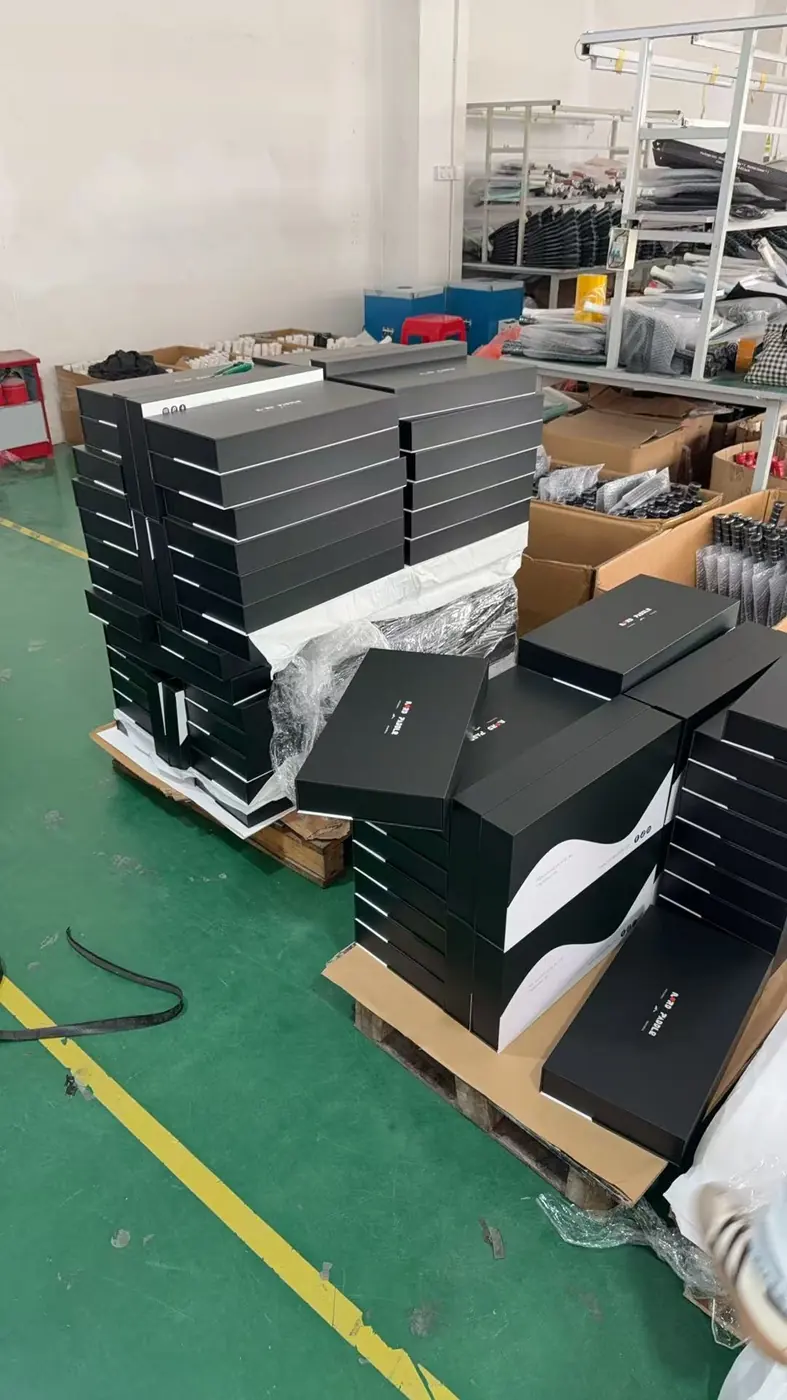
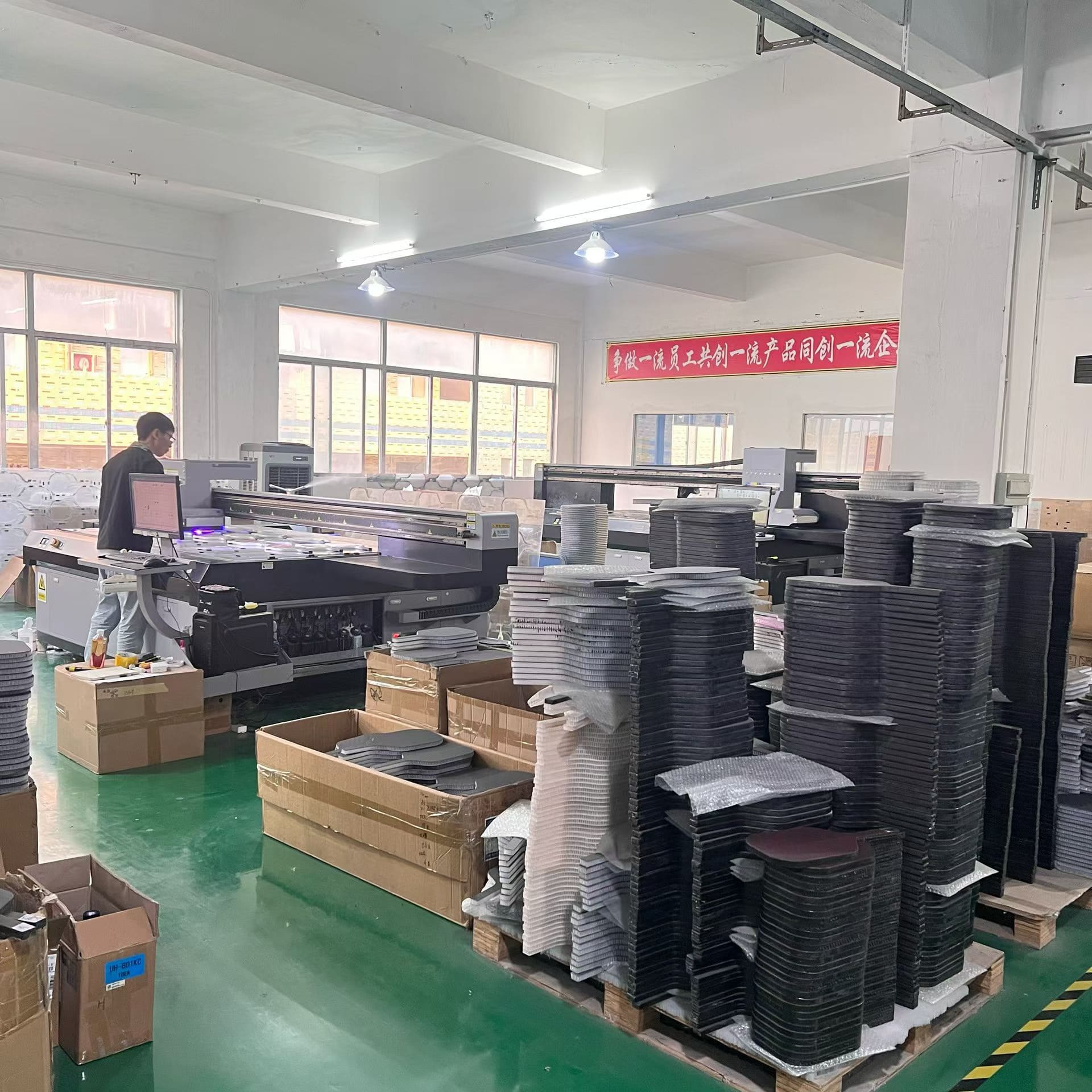
We focus on premium thermoformed builds, and we treat batch consistency as a system: structure, assembly, and in-process QC, so you avoid the new-market nightmare of “same model feels different.”
We can configure premium core routes by audience: Gen 4 / EPP / EVA+EPP (Gen 5) / latest MPP. You don’t need all at once, we build a 2-tier plan first: stable volume + upgrade margin.
We act like an execution partner, because the real pain in new markets is often not the paddle, it’s the kit and rhythm: balls, nets, spares, packaging, restock. A one-stop setup reduces “one missing item stops operations” chaos.
Verifiable factory facts: 150,000+ paddles/month capacity, 4,000+ brands served, OEM/ODM, sampling, fast delivery, strict QC, and optional third-party testing.
Final note
If you’re entering India (or any new market), send me three things: your path (club / e-commerce / events), your budget band, and your first-batch quantity. I can map two SKUs to the trends already happening (stable volume + upgrade margin) so your first step stands on systems, not on a gamble