Skip to content
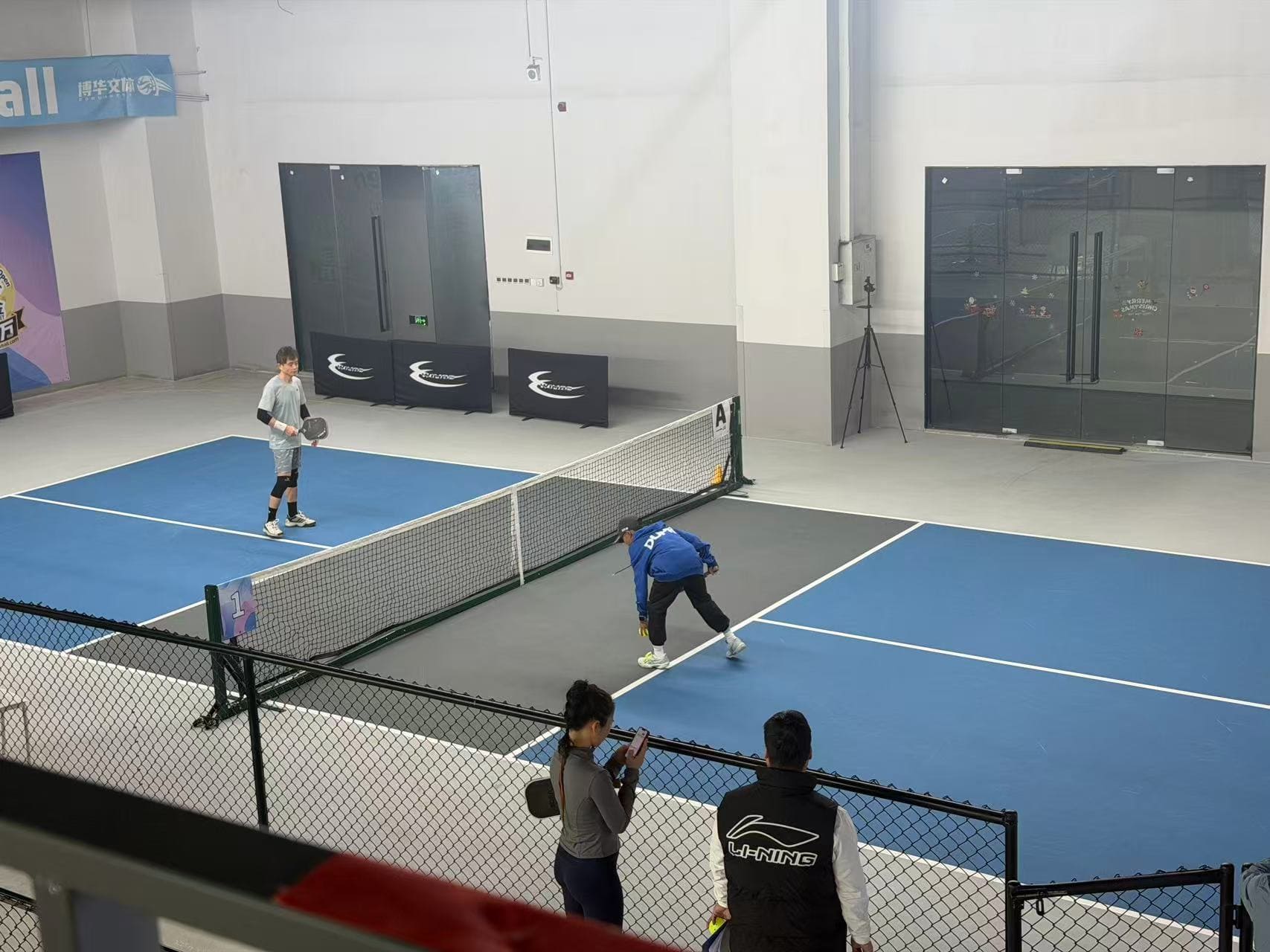
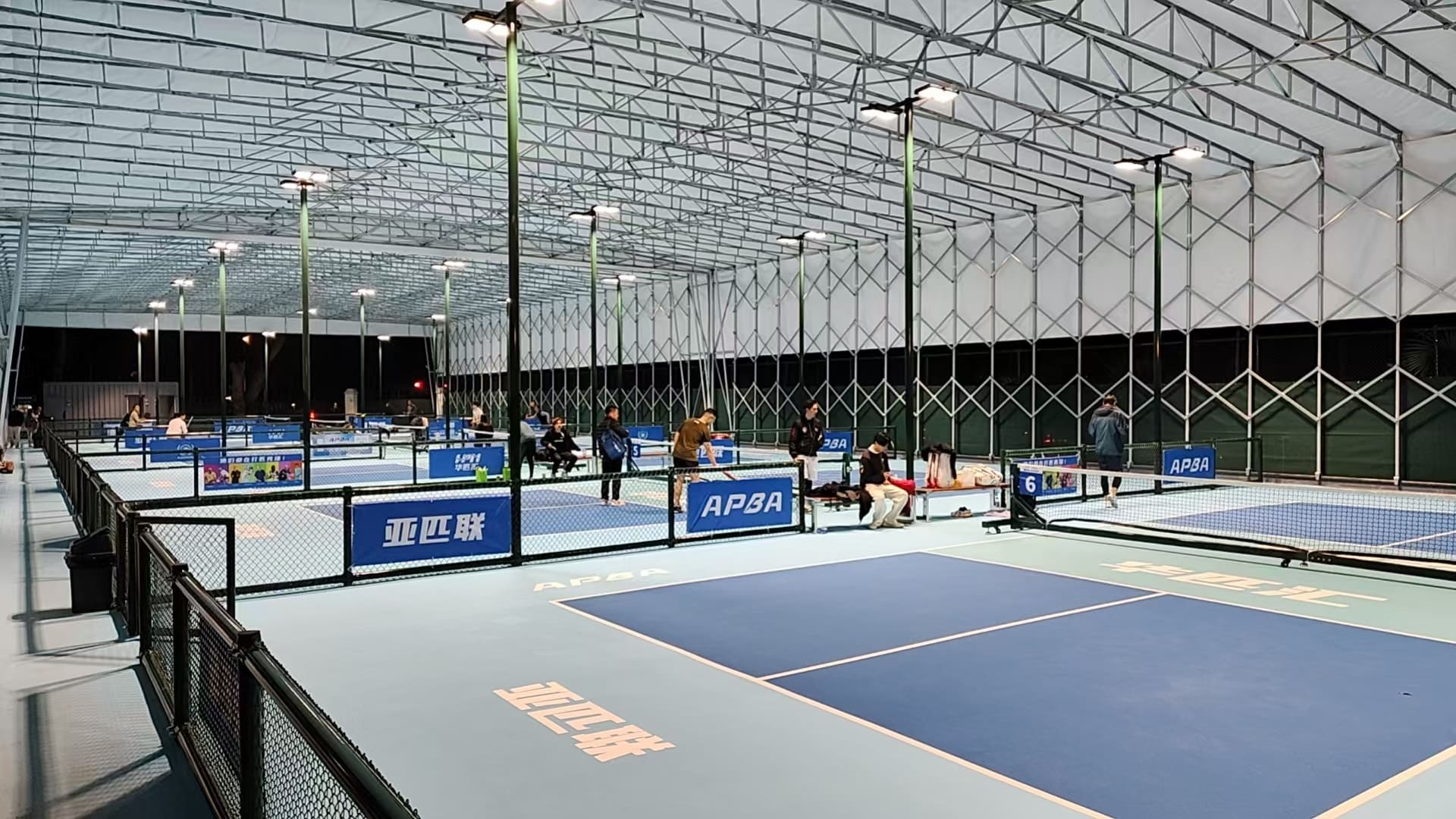
If you’re running a tournament or sponsor event, don’t start by chasing the “most powerful” spec. Start by solving two operator problems: will the same model feel consistent across multiple paddles, and can you fix inevitable on-site issues (sweaty grips, edge hits, cracked balls) in minutes?
The safest setup is a “2-tier + spare kit” plan:
- A match-stable main paddle to keep play fair and complaints low
- An upgrade showcase paddle for advanced players
The midnight moment you’ve probably lived
The moment I see most often: it’s 11 p.m., the organizer is still staring at spec sheets, five tabs open, three quotes in the chat, yet the real question isn’t “which spec is stronger.” It’s: “If these arrive and people start saying the same model feels different, the edge starts lifting, or the balls crack too fast… how do I handle that on-site?”
The anxiety isn’t about maximum performance. It’s about one messy first event: a few public complaints can undo weeks of planning, sponsorship work, and trust-building in a single night.
Organizers don’t lose sleep over “spin isn’t enough”
Thirty minutes before start time, someone swaps two units of the “same model” and frowns: “Why does this one pop more and that one feel firmer?” You’re stuck, explaining sounds defensive, not explaining looks careless
After day one, rental grips are sweaty and slick, edges are scuffed. Day two looks like “used gear,” and first impressions take a hit.
After day one, rental grips are sweaty and slick, edges are scuffed. Day two looks like “used gear,” and first impressions take a hit.
First, define your event type
Different events need different paddle logic:
-
For demo days, open days, and sponsor activations, the priority is low-complaint, easy-to-play, and smooth experience for most players.
-
For club leagues and city tournaments, fairness comes first, same-model consistency must be the top priority.
-
For high-level matches and pro training, “upgrade feel” is welcome, but it must be controllable and repeatable, otherwise it turns into on-court arguments.
Answer one line first: do you want “smooth for everyone” or “hardcore for top players”? Your paddle selection becomes much simpler.
How to choose match-ready paddles: 4 premium routes (organizer-friendly)
No buzzword stacking. Each option below is explained by feel goal, who it fits, and what to test.
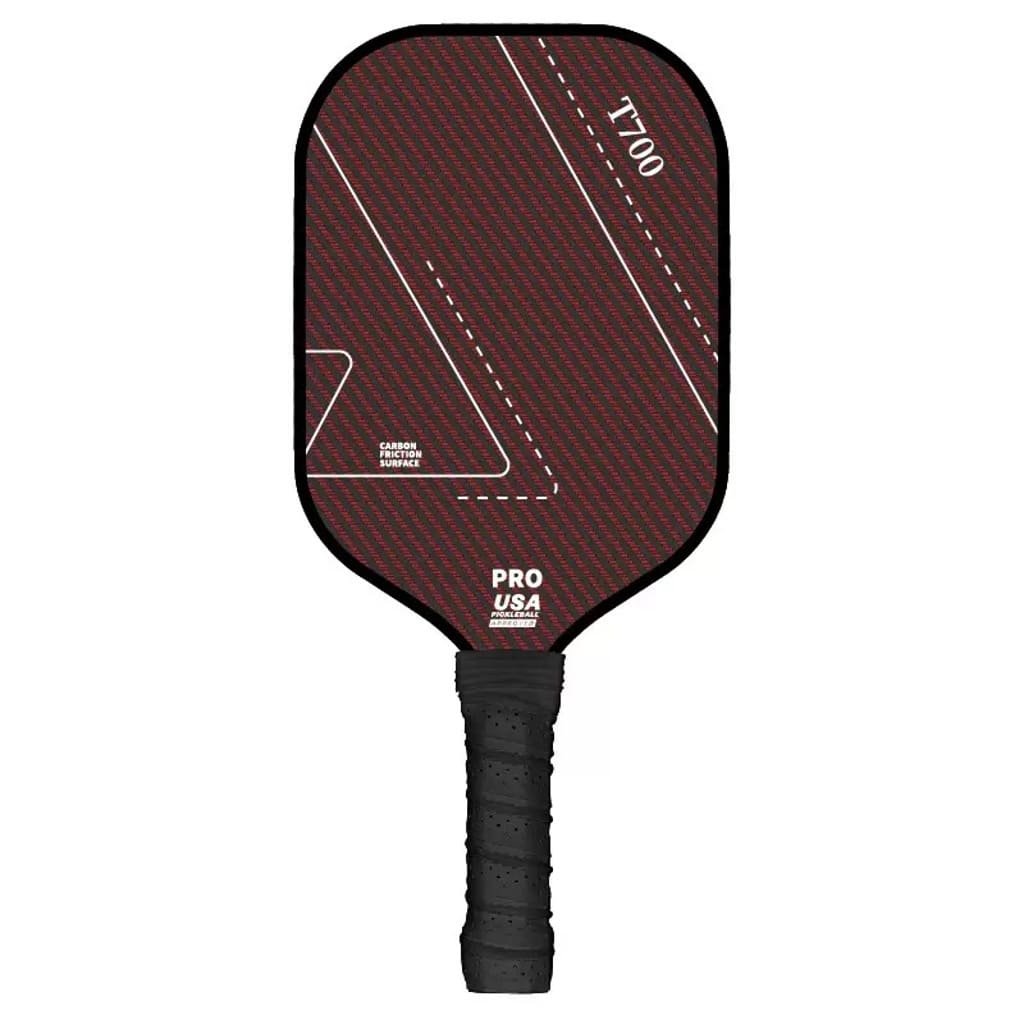
Option 1: Thermoformed route (solid match feel)
-
You get a more stable sweet spot and a more solid impact feel. This works well as a match-stable main set, especially when you want fewer arguments.
-
Test focus is same-model consistency: swap two units of the same model and keep the feel gap minimal; also check edge assembly stability (no looseness, no peeling).
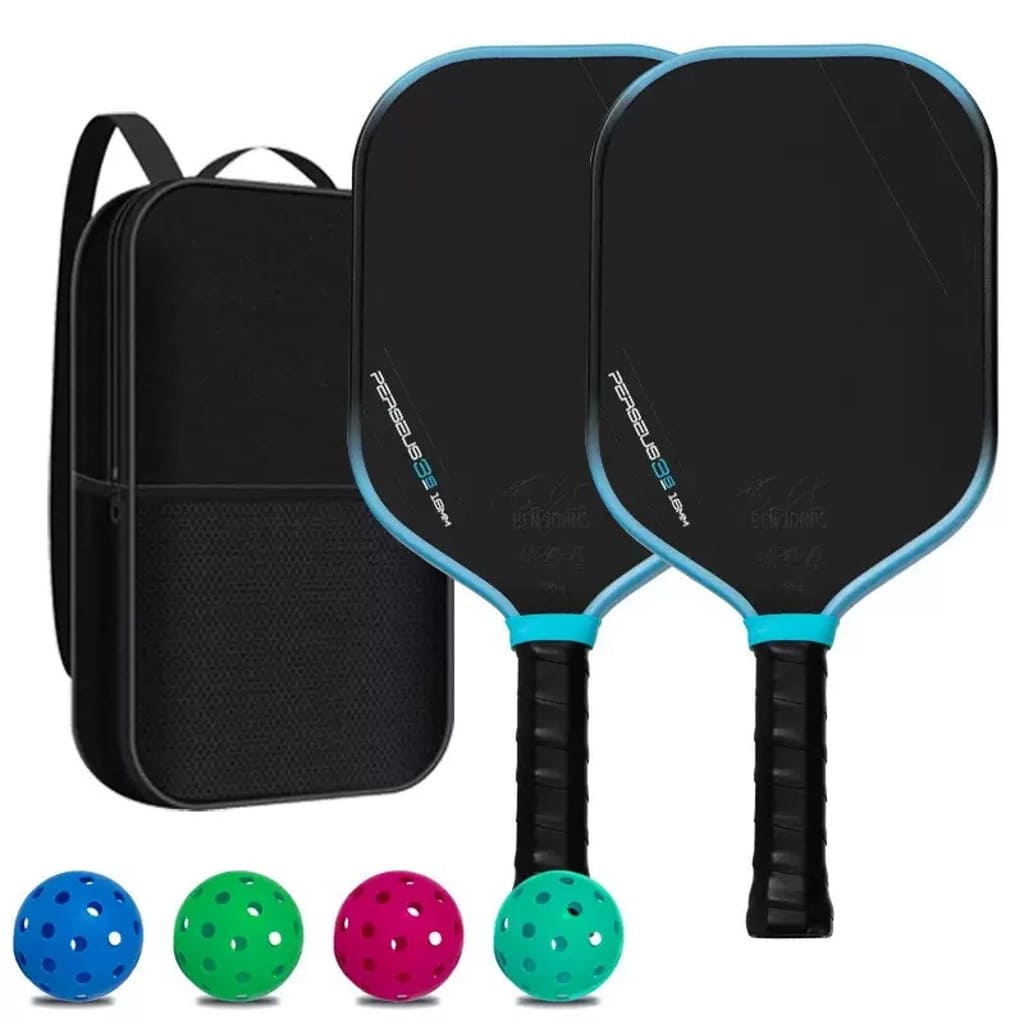
Option 2: Gen 4 core thermoformed (stable + comfortable)
-
It leans “stable + comfortable.” Many clubs like it for a simple reason: fewer complaints and broader acceptance.
-
Test focus is durability and comfort under fatigue: after 10–15 minutes of rallies, it should stay stable, not harsh, not wrist-fatiguing.
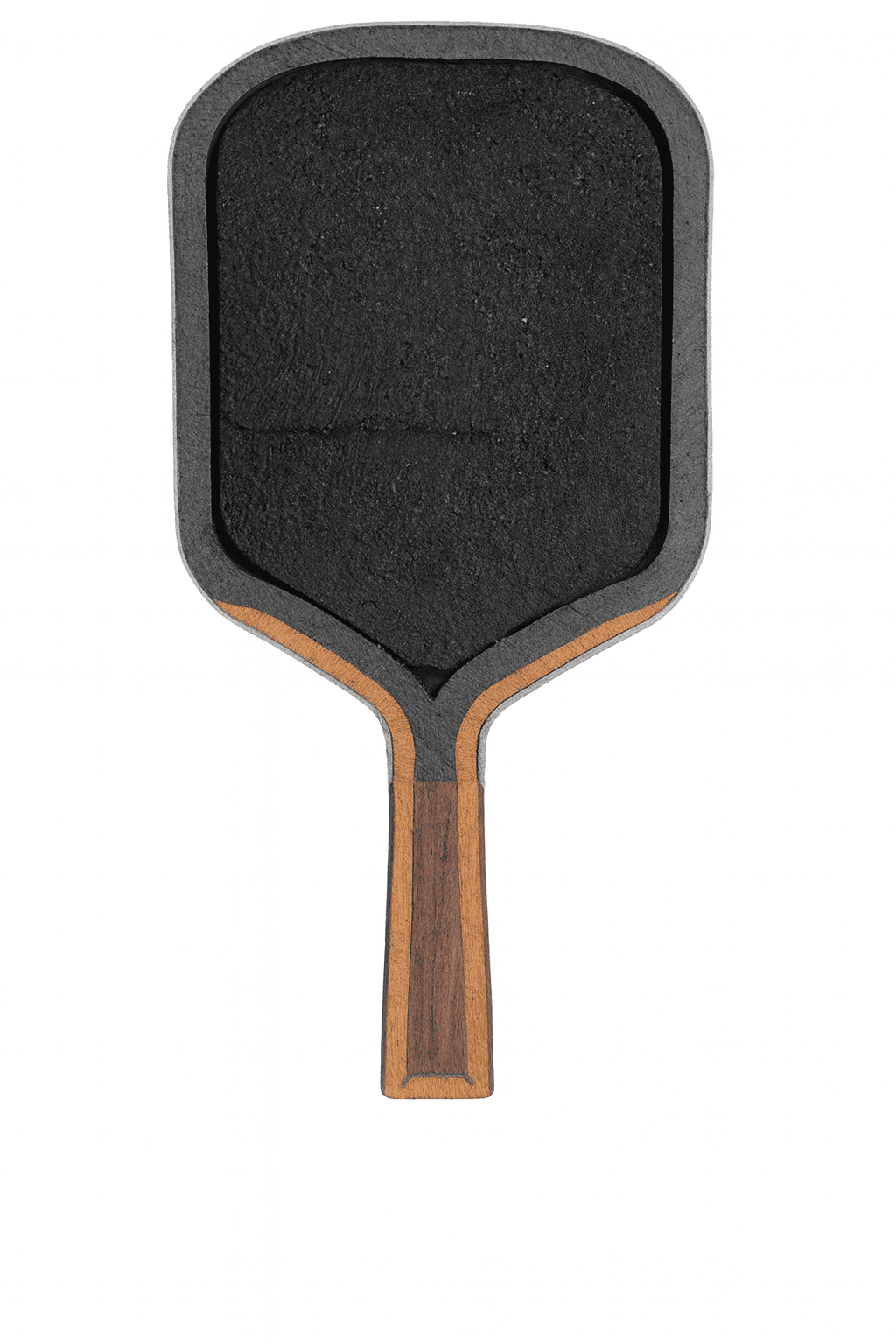
Option 3: Gen 5 EVA+EPP thermoformed (livelier rebound, preference-sensitive)
-
It feels livelier with more rebound and a clearer upgrade feel, but it’s more preference-sensitive, opinions can split (love it vs “too bouncy”).
-
The key isn’t “is it strong,” it’s “will it cause disputes.” If opinions polarize, keep it as an upgrade/showcase tier, not the main set.
Option 4: Latest MPP core (clearer, more direct feedback)
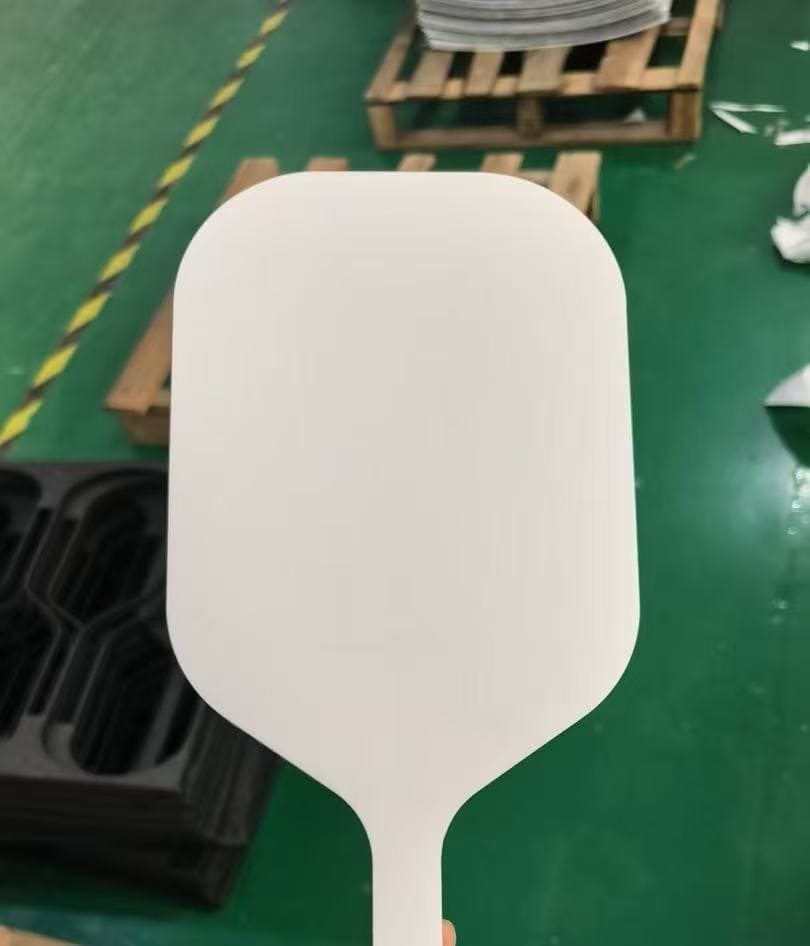
-MPP leans “clearer, more direct feedback.” Some players love it, others may feel it firmer, so it’s best for high-level testing or tiered selection.
-Our latest MPP core is an evolution based on the Gen 5 EVA+EPP direction. From multiple player tests, feedback shows even more noticeable elasticity and rebound than Gen 5. Because the feedback is more direct, it’s more style-dependent, so tiering through match testing is essential.
One key premise: high-density foam only (no low-density)
“Foam core” isn’t one thing, density changes feel, stability, durability, and cost significantly. What pro testing dislikes most is a hollow or drifting feel in long rallies, which is often a density-system issue rather than a naming issue.
If budget matters, we can tier it: lock a stable, low-complaint main route first, then add preference-sensitive routes as upgrade/showcase options.
Table:
This table isn’t to “look professional.” It’s to help you decide fast, align internally
| Event role | Paddle option (recommended track) | Player level fit | Feel goal | Risk to avoid (most common complaint) | What to lock (must lock in PO) | On-site spares |
|---|---|---|---|---|---|---|
| Match-stable main set | Option 2: Gen 4 core (or a stable Option 1 thermoformed track) | Broad coverage | Stable + comfortable | “Same model feels different” | Weight range + assembly version lock | Overgrips + edge tape |
| Upgrade showcase set | Option 3: Gen 5 (EVA+EPP) or Option 4: MPP core | Higher-level players | Clear “upgrade feel” | Polarized opinions (“too bouncy/too firm”) | Core density system + process lock | Overgrips + backup balls |
| Rentals / tryouts set | Stable, forgiving track (beginner-friendly build) | Beginners | Easy control + low shock | “Too harsh / too heavy” | Grip size + edge durability | Spare grips + cleaning wipes |
| Texture note | Cloth-matte vs spray sanding | All players | Durable roughness + premium look | Fast texture-wear complaints | Lock the texture method early | — |
The safest 2-tier tournament lineup (stability first, then upgrades)
You do not need all four options at once. The safest event logic is: make the whole court run smoothly first, then add a premium upgrade feel for advanced players.
-
Tier A: Match-stable main paddle (broad fit, fewer disputes)
Pick Option 2 (Gen 4) or Option 1 (stable thermoformed route). -
Tier B: Upgrade showcase (advanced players / sponsor demo)
Pick Option 3 (Gen 5 EVA+EPP) or Option 4 (MPP), but only after trial testing and segmentation.
A trial process that prevents arguments
Don’t do “hit twice and debate forever.” Use a short process and decisions get easier.
Step 1: Decide authority
- One head coach/tech lead finalizes. Collect feedback from:
- the most demanding technical player (they describe differences best)
- one mainstream player rep (represents the majority experience)
Step 2: Test only 3 things
- same-model consistency (swap two units of the same model)
- comfort after 10–15 minutes of rallies
- controllability on key shots (serve/return/volley/dink)
Step 3: Remove dispute paddles early
- If opinions polarize, keep it as a showcase upgrade. Don’t force it as the only main match paddle.
On-site fixes aren’t about spending more, they’re about stocking the right things
Event reputation often dies from small operational failures: sweaty grips, edge damage expanding, no replacements. If you stock the right spares, the event feels managed; if not, it feels neglected.
Build your event spare kit: 3 items + 2 rules
3 must-haves:
- overgrips
- cleaning wipes
2 rules to define early:
- what is “consumable and replace on-site” (grips, edge protection)
- what is “damage and remove from play” (cracking, de-bonding, structural issues)
After passing the test, how can I naturally upgrade to a "season contract"?
The most comfortable partnership path is usually three phases: validate with a pilot, move into season stocking, so everything stays controllable.
Phase 1 pilot: 3 high-end pickleball paddles + 1 box of durable balls + DDP to door.
Phase 2 season stocking: staged deliveries by month or event schedule to avoid overstock.
Why work with us
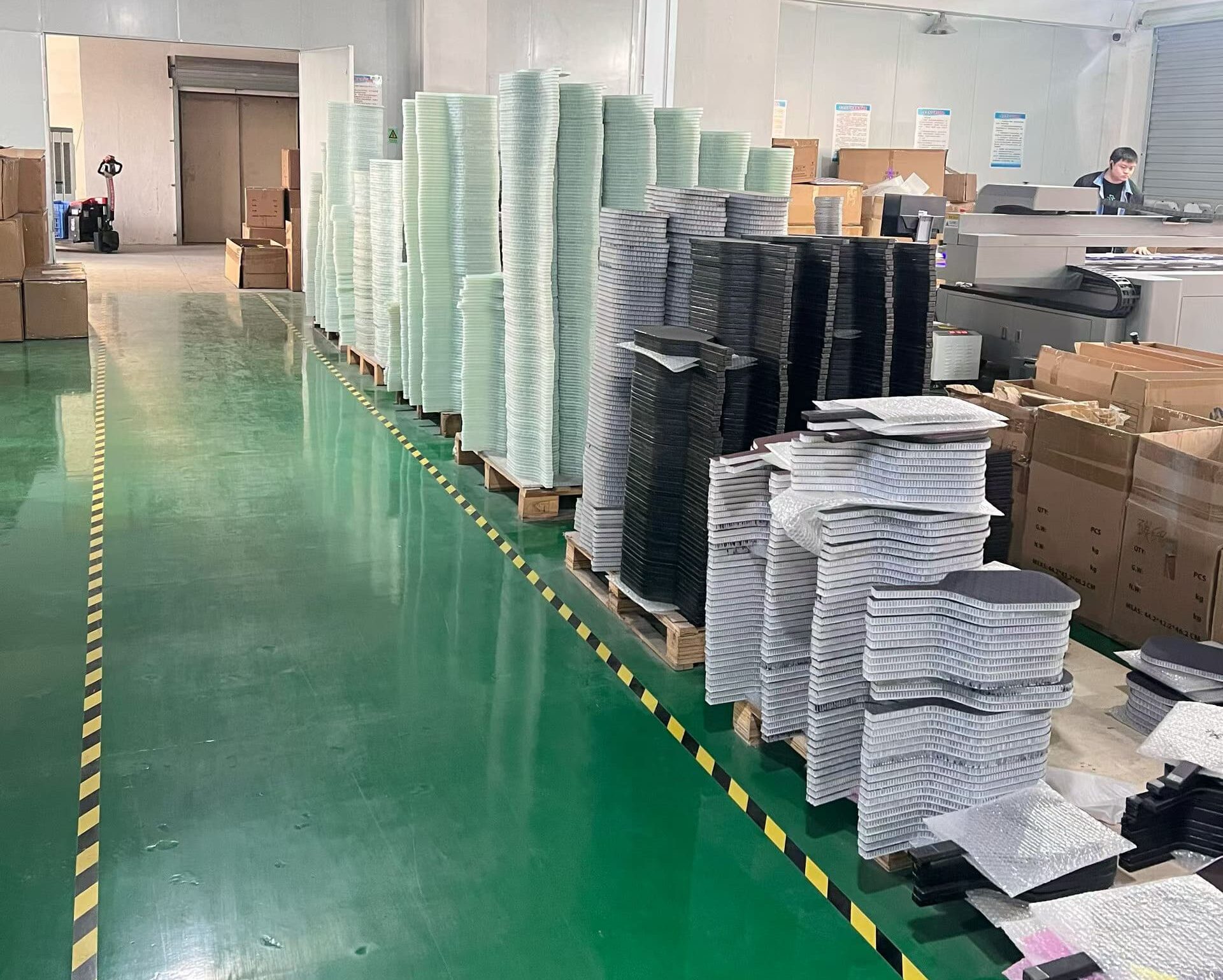
We focus on high-end thermoformed paddles and use high-density foam cores only (no low-density foam). Core routes available: Gen 4 core, EPP core, EVA+EPP (Gen 5), and the latest MPP core.
We protect consistency as a system: weight-range control, assembly version lock, and batch reference samples, so your test doesn’t rely on luck.
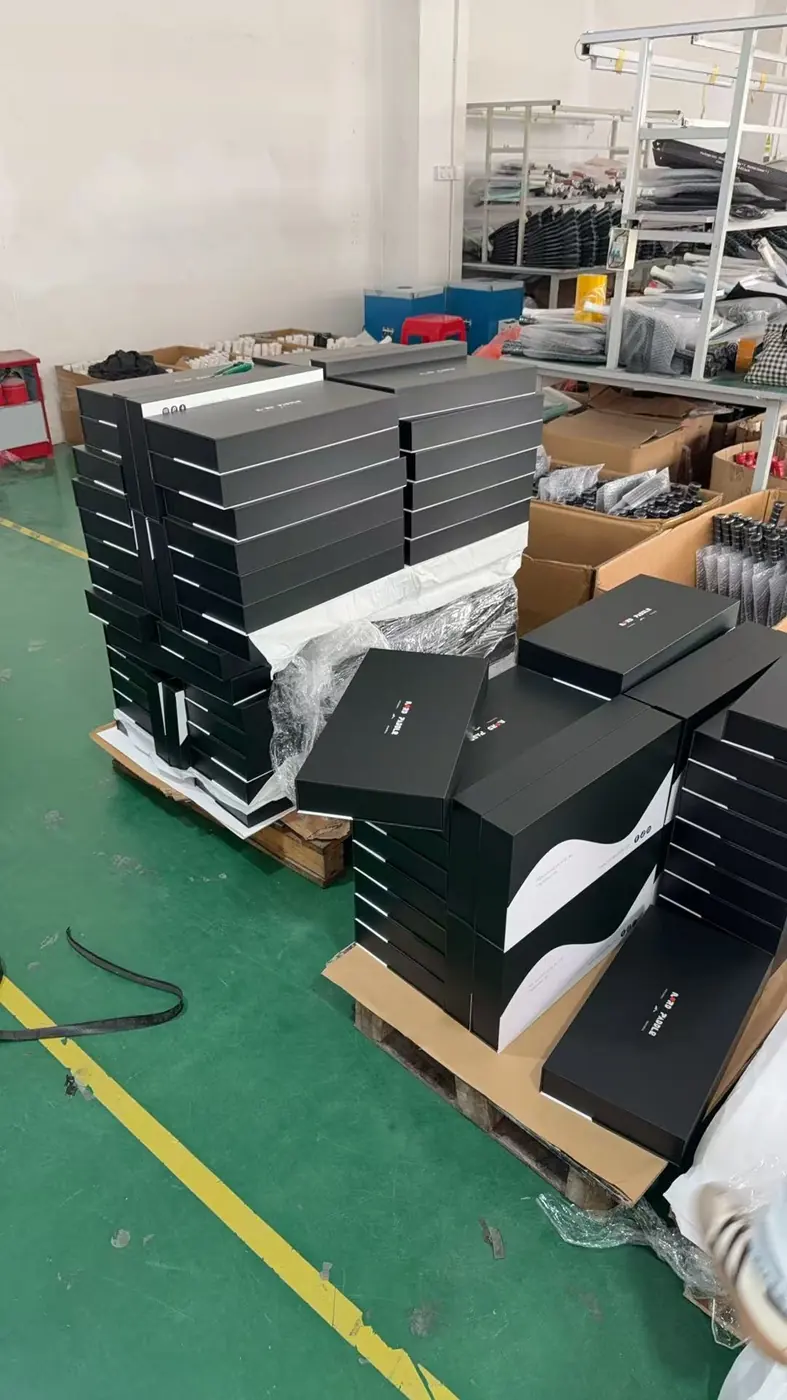
We can make the pilot order truly door-to-door executable: paddles + durable rotomolded balls + DDP alignment support to reduce back-and-forth and prevent avoidable mistakes.
Factory quick facts:
- monthly capacity: 150,000+ paddles/month
- MOQ: from 100 pcs (depends on customization)
- samples: 2–7 days
- mass production: 8–12 days after sample approval
- QC: incoming + in-process + final inspection; optional third-party testing
FAQ: Organizers actually ask
What’s the safest pilot order for a pro club?
3 high-end paddles covering 14mm/16mm + 1 box of durable balls + DDP to door, with a structured test focused on same-model consistency and comfort under fatigue.
Gen 4 vs Gen 5 EVA+EPP: what’s the practical match-testing difference?
Gen 4 leans stable/comfortable with broader acceptance and fewer disputes; Gen 5 feels livelier with a clearer upgrade feel but can polarize preferences.
Is MPP core “more advanced,” or simply a feel preference?
It’s more about “clearer, more direct feedback.” Some love it, others find it firmer, so tier it through testing.
How should we plan balls for an event?
Separate training balls from match balls, keep match balls reserved, and stock enough to rotate so bounce stays consistent.
What info do you need to recommend the right setup?
A: Event type, typical player level, thickness preference (14/16mm), and whether your priority is “smooth for everyone” or “hardcore for advanced players.”
Final Note
If you’re preparing an event, don’t get trapped by buzzwords. Decide two things first: do you want “smooth for everyone” or “hardcore for advanced players,” and do you need only a stable main paddle or also an upgrade showcase tier.
Send these 3 inputs:
- Event type
- Player level mix
- Paddle dimension
And I’ll map a practical 2-tier lineup + event spare kit + trial process so you don’t have to “talk your way out” on match day.