Skip to content
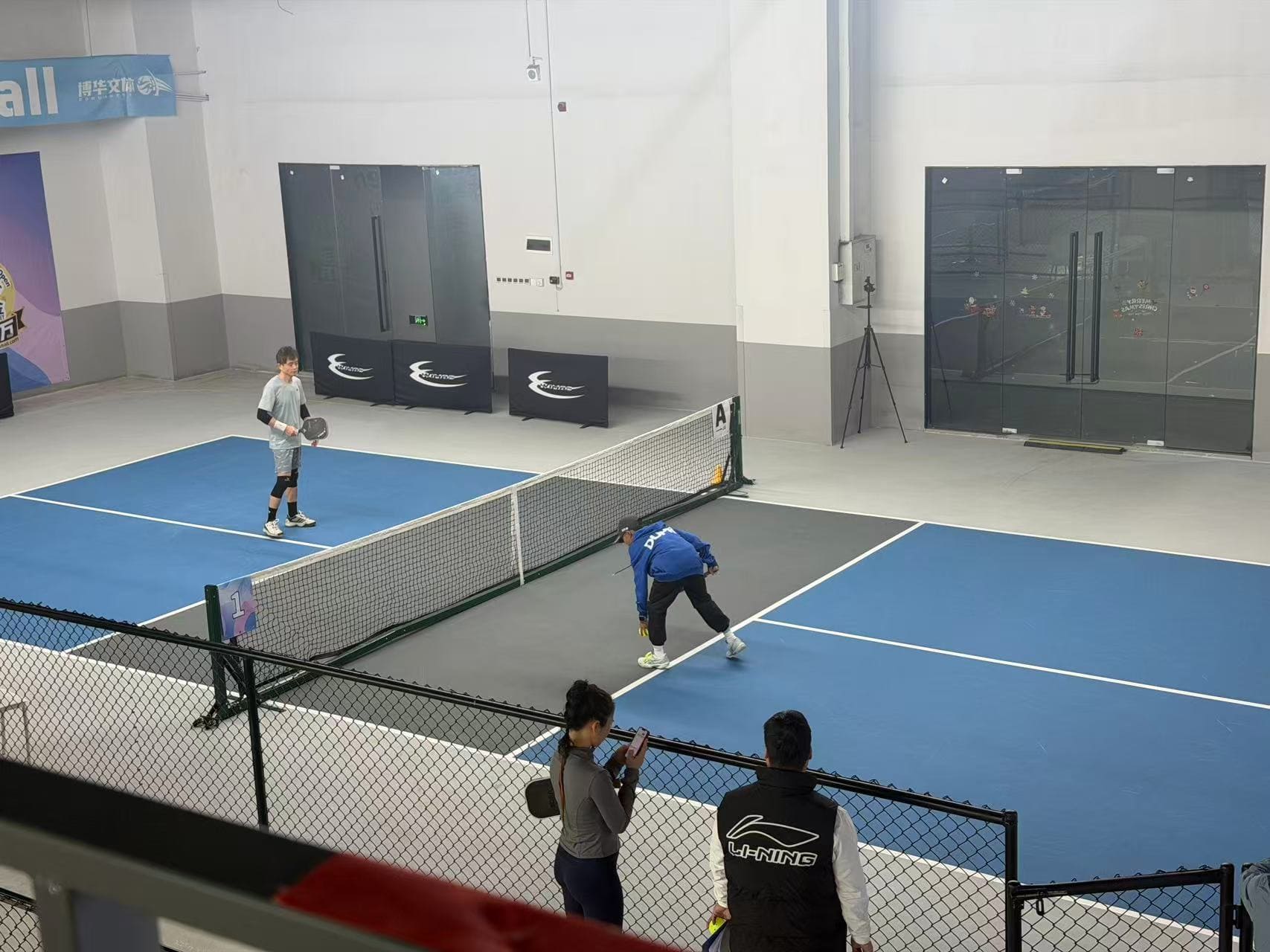
If you’re buying pickleball paddles for schools or junior clubs, don’t start with “pro” buzzwords. Batch stability and easy maintenance matter more: lock a weight range + assembly version, and plan spares (grips/edge protection) like an operator. The safest first setup is fiberglass + 16mm as the workhorse, then add a lighter/shorter-handle option by age.
Why school buying is harder than retail
In retail, buyers argue about spin and power. In schools, pickleball paddles get shared, dropped, bumped, and sweated on, every day. The same model has to survive messy reality without turning into a “used” look in two weeks.
The most common scene is after class: pickleball paddles everywhere, edge scuffs, grips damp and slippery, and tomorrow you have another session. Coaches don’t have time for slow repairs.
And when complaints happen, they’re rarely “spin is low.” They’re “too heavy,” “too harsh,” “wrist hurts,” “my child doesn’t want to use it.” If your first batch feels wrong, it’s hard to win trust back.
How coaches should choose (hands, strength, class hours)
On paper you’re choosing 13mm vs 16mm, fiberglass vs carbon. Underneath, you’re trying to prevent the real pain: kids can’t swing it, it feels harsh, and you spend weeks handling feedback instead of teaching.
Coach rule: before a kid’s swing is stable, too stiff or too heavy forces the wrist to do the work.
Age-based specs
Ages 6–9: light, forgiving, short-handle first
Small hands and limited strength. Your goal is “they want to pick it up,” not “it looks pro.” Prioritize comfort, forgiveness, manageable grip size, and a lighter feel, l suggest size is 37519010mm
Ages 10–12: stability + durability, control starts to matter
Training becomes regular and wear increases. You don’t need “more power.” You need “every paddle feels the same.” Use 13mm as the main choice; l suggest size is 40020013mm
Ages 13–15+: two tiers are easier to run
This group splits: some stay general training, some become competitive and want an upgrade. Two tiers reduces drama and makes your club story simple.
| Age band | Use case | Thickness | Face | Target weight range | Handle & grip | Must-have durability | What to lock in PO |
|---|---|---|---|---|---|---|---|
| 6–9 | PE classes / beginner lessons | 10mm (safer) | Fiberglass | lock a range (not one number) | shorter handle, smaller grip | edge guard + spare grips | weight range + grip size + edge assembly |
| 10–12 | clubs / regular training | 13mm main + 16mm optional | Fiberglass (Raw T700 optional) | lock a tight range | standard handle, mid grip | spare grips + cleaning kit | weight range + texture method + packaging list |
| 13–15+ | training + competitive group | 16mm stable + 14/13mm fast option | Cold-press CF / Thermoformed CF | lock by model | choose by play style | edge guard + batch tracking | assembly version + batch record + after-sales rule |
The 3 paddle options schools actually need
Option 1: Fiberglass (the safest school workhorse)
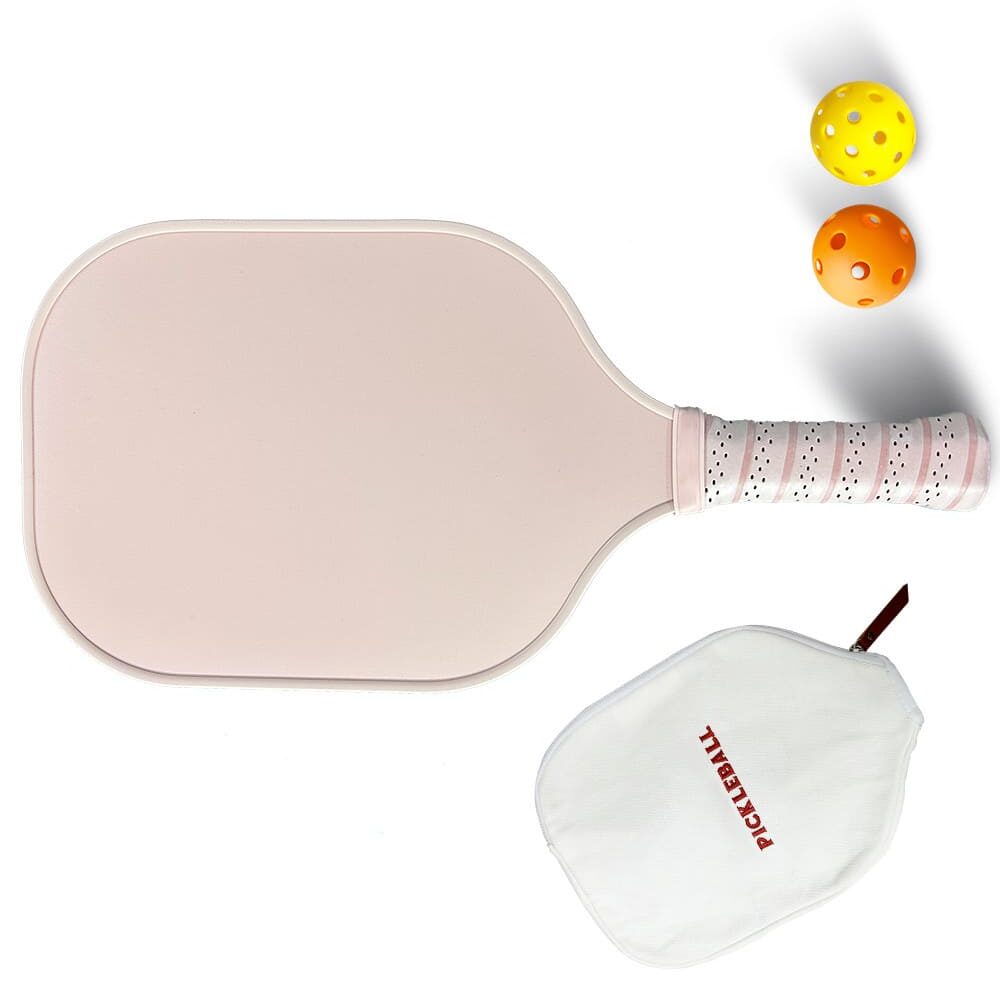
Fiberglass is not “low-end” for schools. It’s the practical choice for comfort, forgiveness, and fewer complaints, especially for shared-use classes.
Why it fits:
- forgiving for inconsistent swings
- less harsh vibration
- easier for coaches to manage in rotation
Option 2: Cold-press carbon fiber (a value upgrade without going crazy)
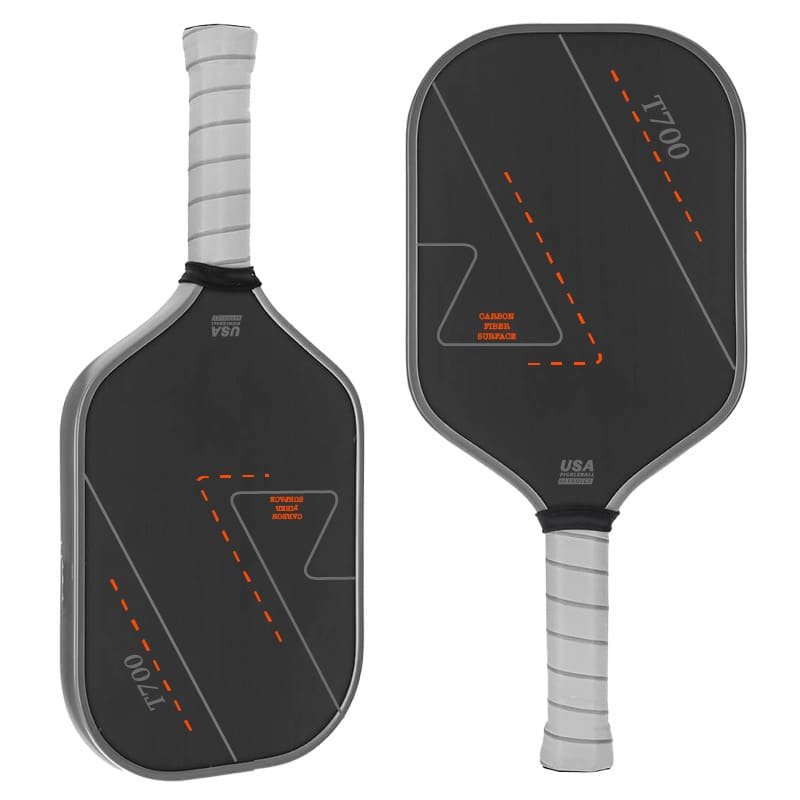
Cold-press carbon (like cold-press T700) works best as a Tier 2 upgrade model, not the only school paddle. It gives a cleaner “upgrade story” without a huge cost jump.
Best for:
- stronger 10–12 players who rally consistently
- 13–15 training groups / team entry upgrade
Option 3: Thermoformed carbon fiber (for competitive groups, only if consistency is locked)
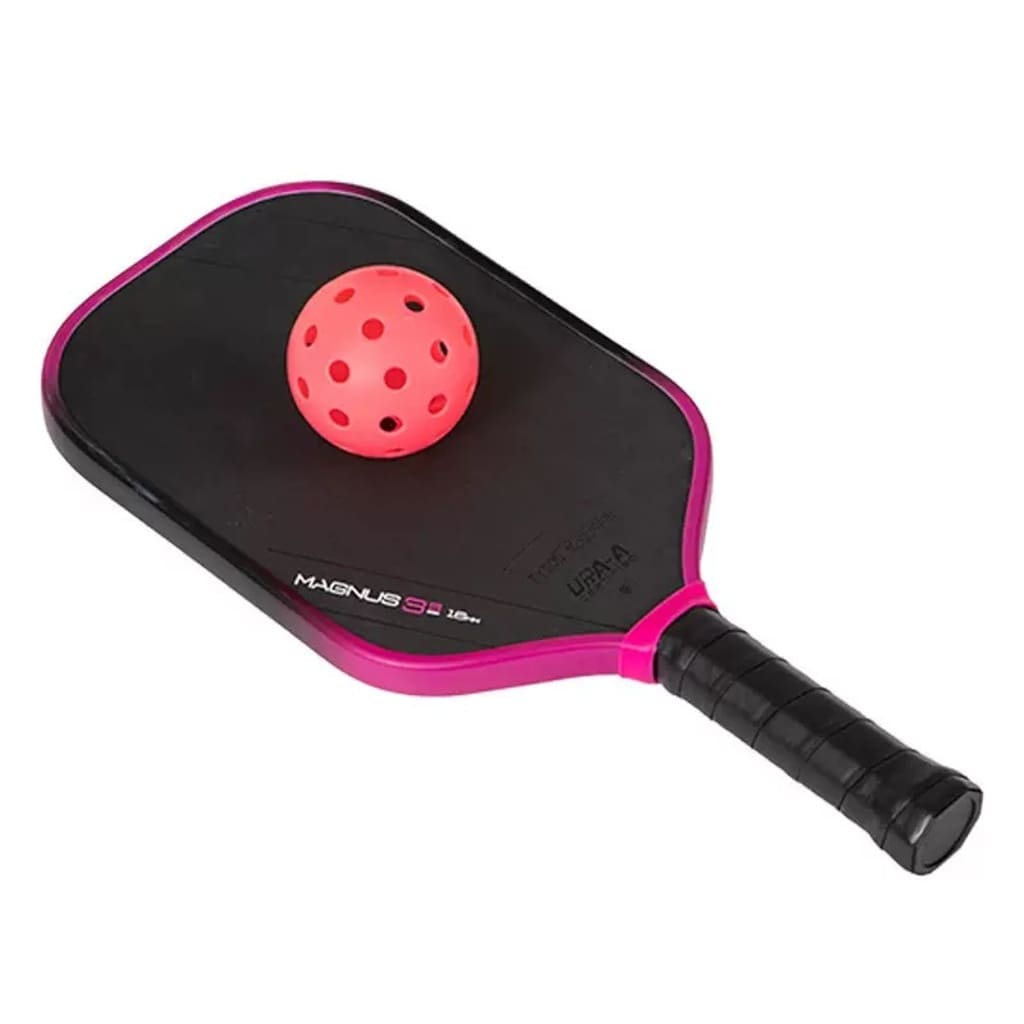
Thermoformed carbon is great for teams and competitive training, but the real upgrade comes from structure details and batch consistency, not the word “thermoformed.”
Best for:
- school teams / competitive groups
- players who want an obvious upgrade feel quickly
“Durable” is mostly about wear parts, not the paddle body
In schools, what looks “used” first isn’t the face, it’s the grip and edge guard. You don’t need a more expensive paddle; you need wear parts you can replace immediately.
Simplest ops habits:
- label rental/teaching paddles; don’t mix with team paddles
- weekly check: edge lifting? grip slippery?
- replace wear parts early, before they look “second-hand”
First-batch quantity planning (avoid stockouts and dead inventory)
The most embarrassing stockout isn’t paddles, it’s balls, grips, and edge-related wear. Plan like an operator: weekly class hours / rental frequency / estimate consumption pace.
Use rolling restock: start modest, review consumption every 2–4 weeks, scale after patterns are stable.
Manage by tiers: Teaching vs Member/team
Don’t mix everything together. Mixing causes the best paddles to wear fast, and the worn ones to keep circulating, lifespan management collapses.
Split like this:
- teaching: stable feel, higher maintenance frequency
- team/member: clearer upgrade feel, smaller qty, tighter control
Common mistakes (school-specific)
1) Only comparing unit price, ignoring maintenance costs
2) No weight range → same model feels different
3) Picking stiff/heavy “pro-looking” paddles for 6–9 → harsh/unusable
4) No checklist → missing items on launch day
5) Mixing tiers → lifespan chaos
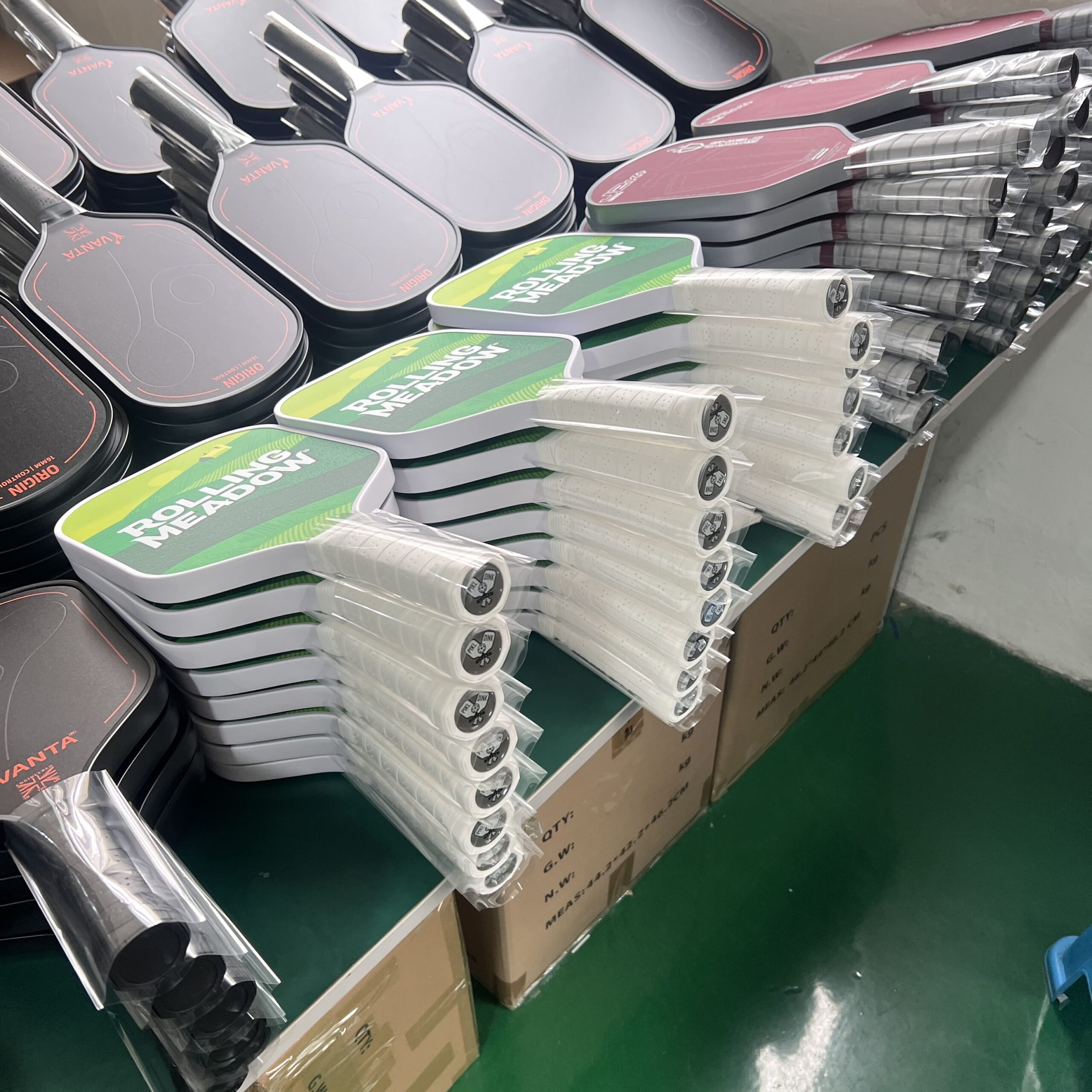
How we reduce risk
Confirm age + scenario → decide specs
Lock version after sample (weight range/assembly/surface)
In-process + final QC (weight sorting, edge assembly, set checklist)
School-style packing protection + checklist verification
FAQ
What thickness is best for schools?
13mm first, more stable, more comfortable, fewer complaints.
Does fiberglass feel “low-end”?
No. For beginners/classes, it’s often the smartest option.
Should we start with thermoformed right away?
Consider it for teams/competitive groups; stabilize classes/rentals first.
Do we need an edge guard?
Strongly yes. It reduces avoidable damage in shared use.
What spares should we stock first semester?
Grips first, then simple cleaning tools.
Final Note
Send me three inputs: age bands, expected headcount/weekly class hours, and your budget range. I’ll map a practical school setup: workhorse + optional upgrade model, target weight ranges, grip sizing for you