Skip to content
If you’re a pro/competitive club placing a pilot order, the real risk isn’t “not enough power.” It’s:
(1) inconsistent feel on court
(2) durability failing real match play
The safest move is a repeatable test kit (3 high-end paddles + one box of balls), validate the feel route first, then scale into a season contract with the same written scope.
Why this checklist exists (the real anxiety point)
The scene I see most often: a club director re-reading paddle spec sheets at midnight, then getting stuck on one sentence, “How do I make sure nobody complains once these arrive?”
Because the anxiety isn’t about peak performance. It’s that if the test fails, the club’s reputation is hard to recover.
Who this guide is for
This is for clubs in early-stage markets and competitive groups (often with tennis-pro backgrounds). You’re not “just asking.” You’re testing in real match conditions and deciding whether to move into a season contract and long-term supply.
Define the pilot goal first (or your test becomes messy)
A lot of club tests fail not because the paddles are bad, but because the test goal is fuzzy. Today you chase spin, tomorrow power, the next day “feel,” and in the end everyone only remembers: “I can’t explain it, but I don’t want this paddle.”
The safest approach is to pick one primary goal and one secondary goal:
- Primary: consistency + comfort (no harsh shock, stable response under long sessions)
- Secondary: clear upgrade feel (more stable sweet spot, clearer response, “feels worth it” fast)
Core directions explained in player language
Even if two paddles both say “Gen 5 / foam core,” they can feel completely different. Here’s the simple, player-friendly way to understand each route, plus how to test it.
Gen 4 core: the “stable + comfortable” mainstream premium route
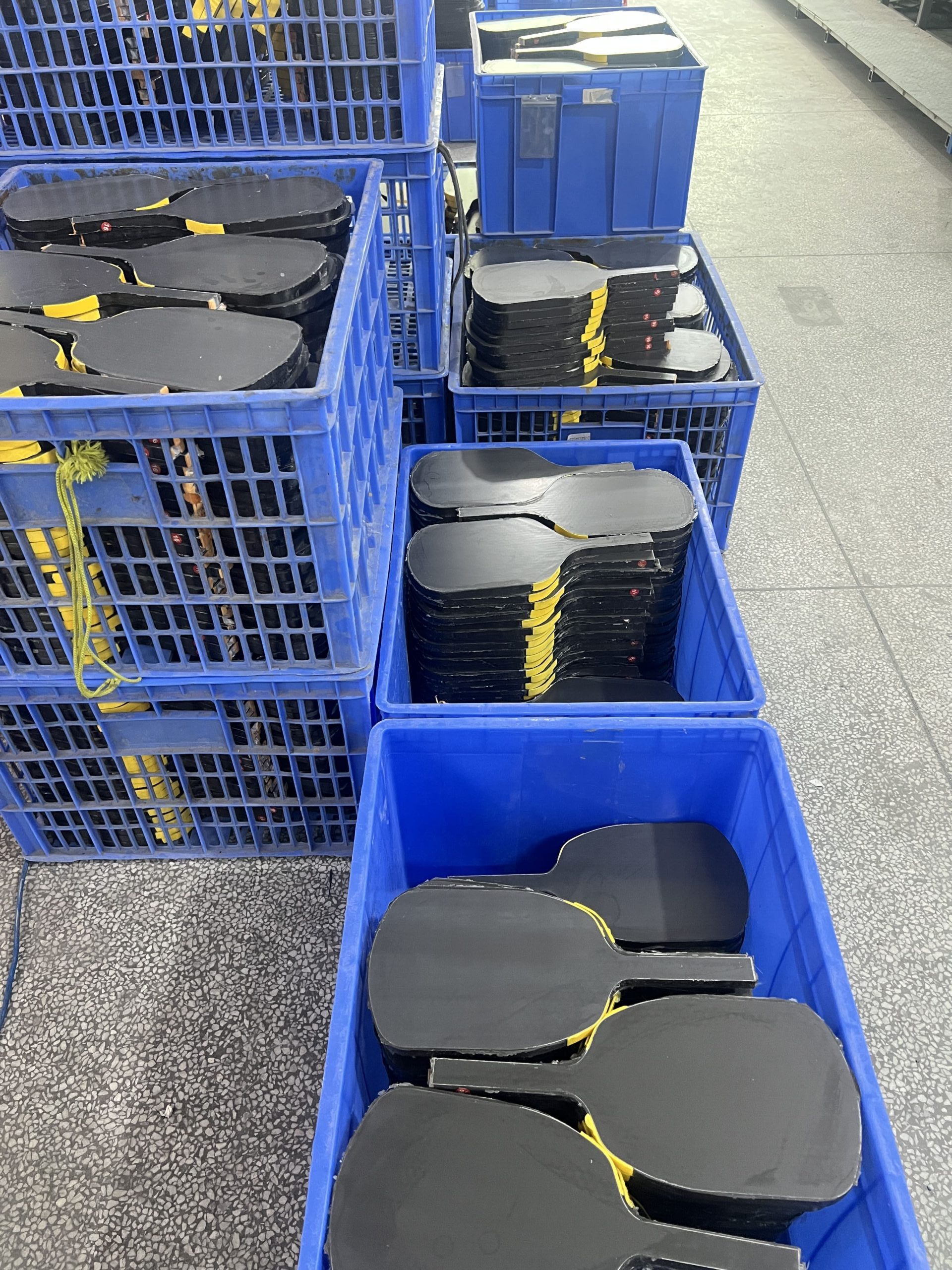
Feel keywords: stable sweet spot, higher forgiveness, less fatigue in long rallies. It’s easier to get agreement across different player levels.
How to test: have 3 players of different levels play 15 minutes each; check whether feedback aligns. Then do sustained rally drills and track fatigue.
EPP core: the “durable + damping” route (training-friendly stability)
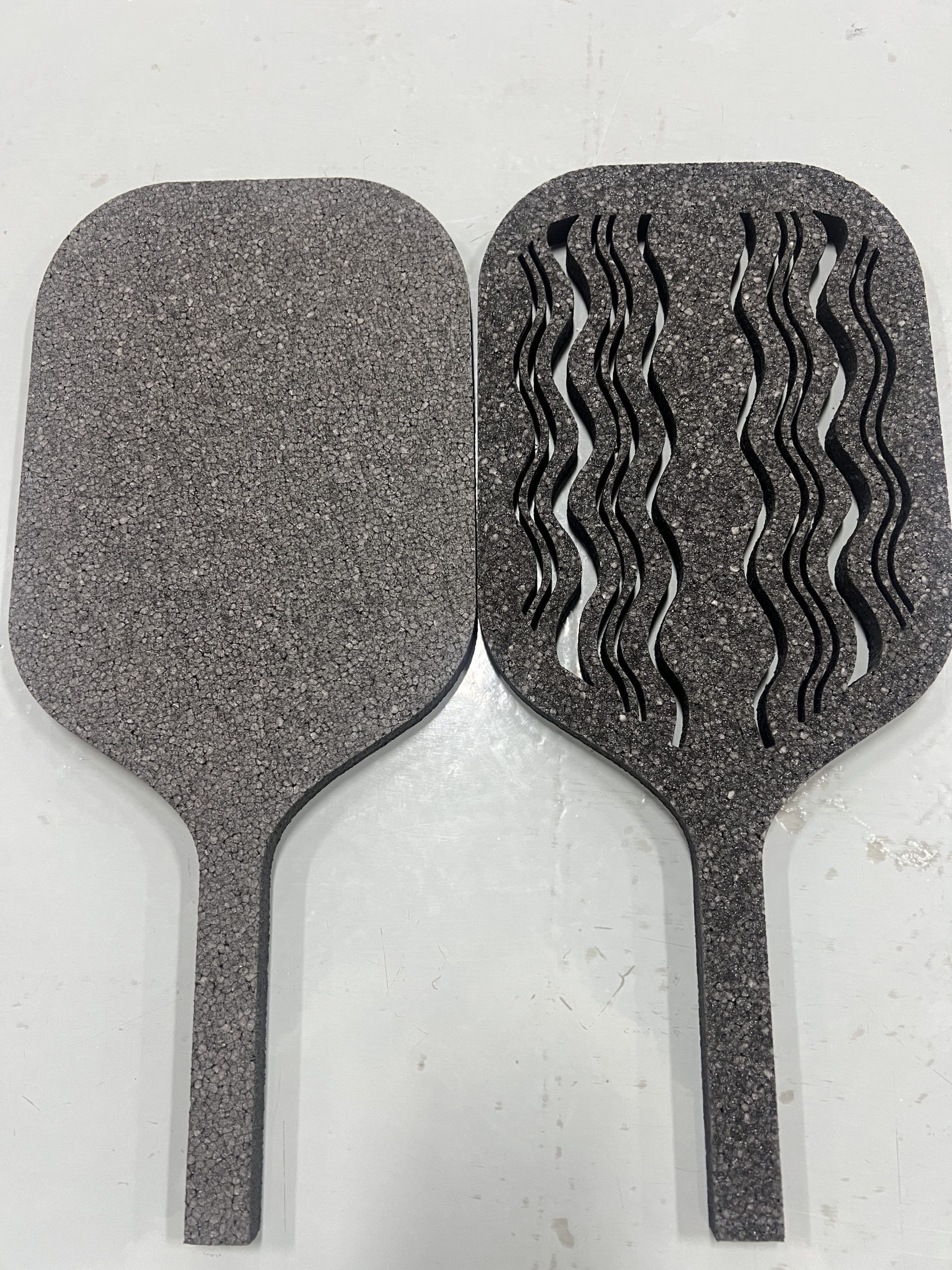
Feel keywords: more damping, more stable, better for high-frequency training and shared club use.
How to test: after high-intensity play, immediately switch back to the old paddle,differences become very obvious.
EVA + EPP core: the “livelier rebound but still comfortable” hybrid route
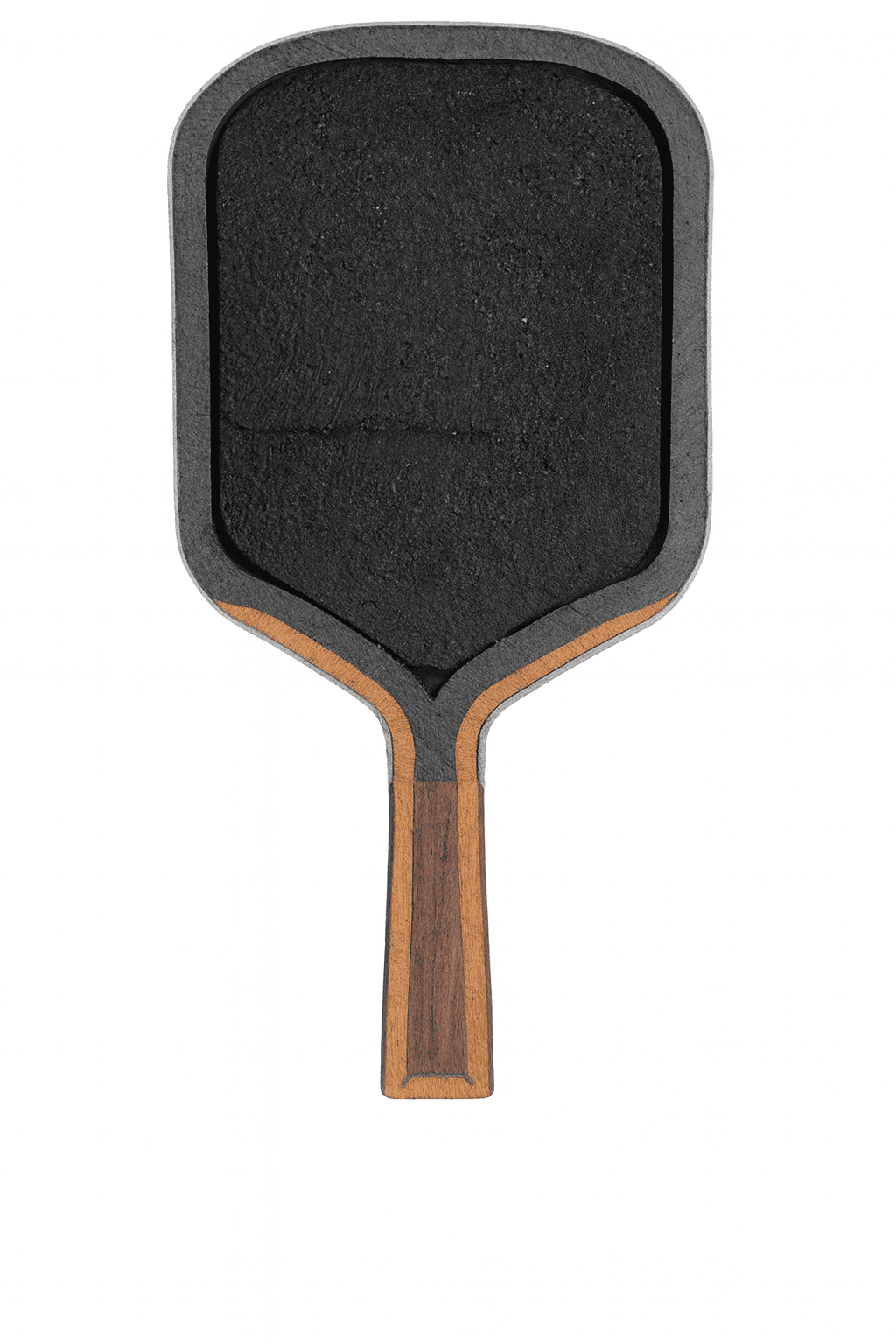
Feel keywords: livelier rebound and a stronger “upgrade” feeling, while staying comfortable, if density and build consistency are controlled.
How to test: run fast exchanges and kitchen reflex drills; check if it becomes too jumpy. Then confirm comfort in longer sessions.
MPP core: the “direct feedback” route (preference-dependent)
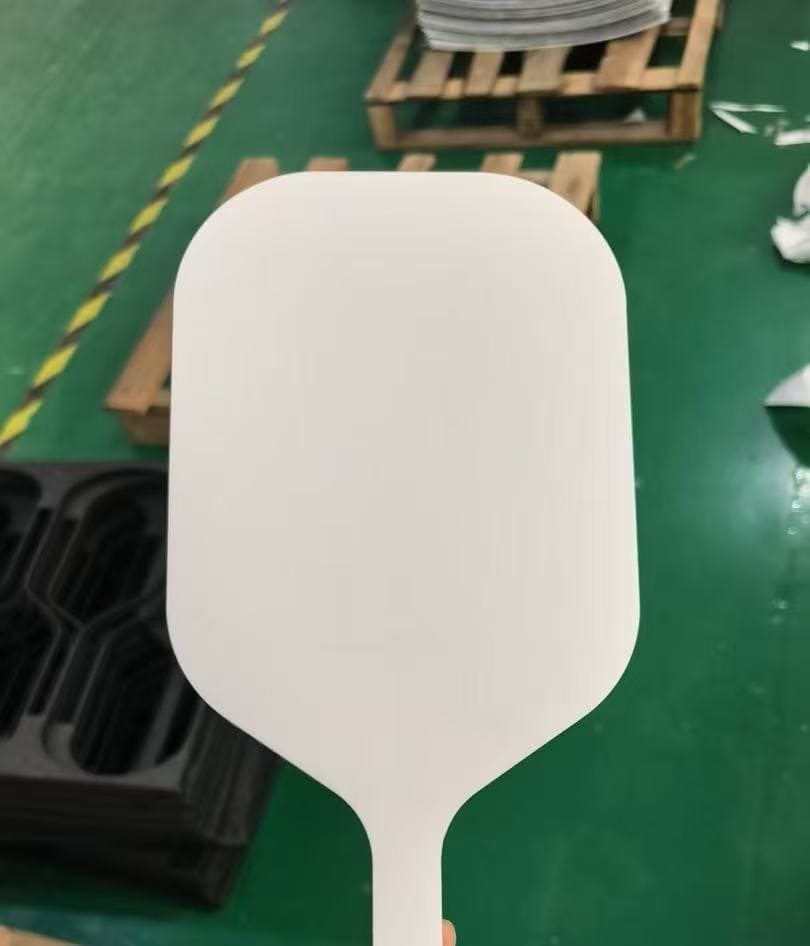
MPP core is our latest update built on the Gen 5 EVA + EPP foundation. In recent match-style tests, several players said it feels “springier” with a faster rebound than our Gen 5 core, so quick hands and counter-hitters tend to notice it first.
How many high-end models should a pro club test first?
Many clubs ask: “Should we test every route at once?” It sounds thorough, but often turns into fatigue and scattered conclusions.
A cleaner approach is a 3-paddle kit:
- One 16mm: for the broadest group, sets the baseline for stability + comfort
- One 14mm: for faster play, validates handling and reaction needs
- One comparison route: confirms which core direction your club truly prefers
How to pick the 3rd paddle? Choose based on the complaint you fear most:
- Fear harsh shock/fatigue → EPP first
- Want instant “worth it” feel → EVA+EPP first
- Want clearer direct feedback → MPP first
- Want the broadest safest fit → Gen 4 route
2-Tier Starter Paddle Line for a New Club (New Market Setup)
You can forward this table to partners and coaches to align faster.
| Tier | Use case | Construction | Core & thickness | Face | Edge | Feel goal | Why it works | What to lock |
|---|---|---|---|---|---|---|---|---|
| Tier 1 — Club Workhorse | Beginner lessons / rentals / school groups | Cold press | PP honeycomb 16mm | Fiberglass | Edge guard | Forgiving + comfortable + easy control | Lowest complaint risk for new players | Weight range + edge assembly + packaging contents |
| Tier 1 — “Value Upgrade” Option | Same users, but want a “better spec story” | Cold press | PP honeycomb 13/16mm | T700 (quoted separately) | Edge guard | Cleaner feel, still stable | Better positioning without a huge cost jump | Face material definition + weight range |
| Tier 2 — Member Upgrade | Intermediate members / competitive training | Thermoformed | PP honeycomb 16mm + perimeter foam | T700 carbon | Edge guard | More stable sweet spot + clearer comfort | Players can feel the upgrade quickly | Foam placement + process version lock + texture method |
| Tier 2 — Texture pick | If you sell premium | — | — | T700 / textured faces | — | Durable roughness + premium look | Cloth-matte usually lasts more evenly | Lock “cloth-matte vs spray sanding” early |
The pilot order template (3 paddles + 1 box of balls)
You don’t need a long spec sheet, but it must be specific enough that the supplier can’t hide behind vague words.
Write your paddles like this:
- Your feel goal (stable + comfortable, not hollow)
- Structure route (thermoformed + foam core)
- Thickness mix (14mm + 16mm)
- Surface (durable peel-ply T700 texture)
- State it’s for match testing: deliver with the same method—no silent process changes
Write your balls clearly:
- You want seamless rotomolded for durability and climate stability, not for marketing words
- Specify hole count and use (e.g., 40-hole outdoor)
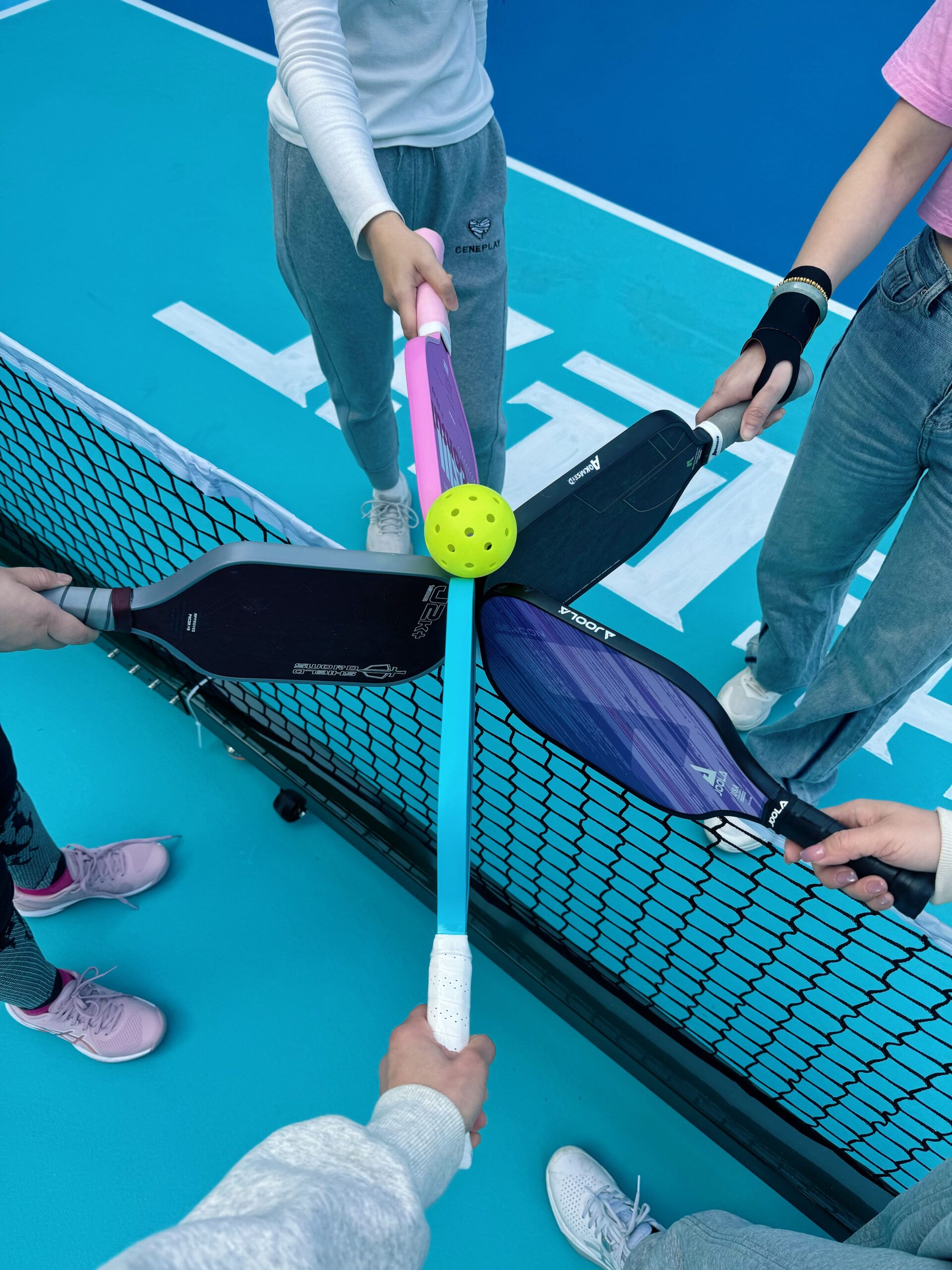
After the test: how to scale into a season contract without drama
After a successful test, many clubs feel a new anxiety: “Should we commit now? What if the next batch feels different?”
A smoother approach is a 3-layer plan:
- Season plan: commit a season volume, deliver in batches (reduces inventory pressure)
- Repeatability rule: keep a golden sample; future batches must match it (stronger than promises)
- Spares & after-sales: write spare parts + response time + replace/rework options into the PO
People Also ask
Is testing paddles alone enough?
Not really. Balls affect reputation fast, especially durability in your climate. Test paddles and balls together like real match conditions.
Do we need both 14mm and 16mm?
For competitive clubs, yes. 14mm validates speed/handling; 16mm validates stability/comfort. Your conclusion becomes cleaner.
Why do players say “same model feels different”?
It’s usually weight-range drift, assembly drift, or surface process drift.
Final Note
If you’re placing a match-testing pilot order, don’t burn time looping on specs. Send three things:
1: Your play scenario (training/competitive/pro)
2: Your feel direction (stable/comfortable vs lively/pop)
I’ll turn it into a ready-to-order kit (3 paddles + one box of balls), so you can test confidently and scale into a season contract smoothly.